Plizio Visual Lab
Olmany Mires
Weather…
Water temperature…
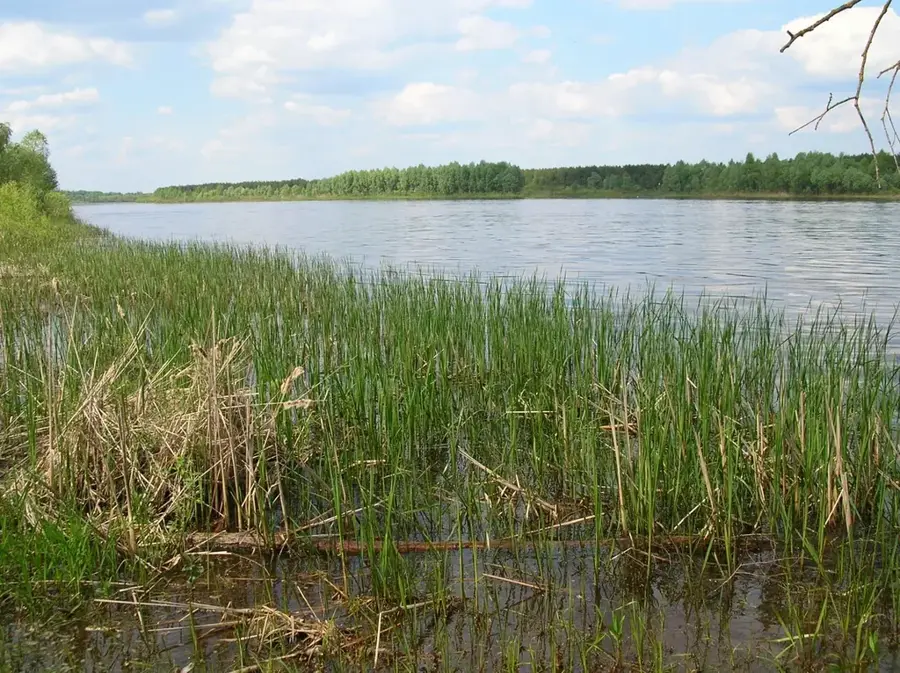
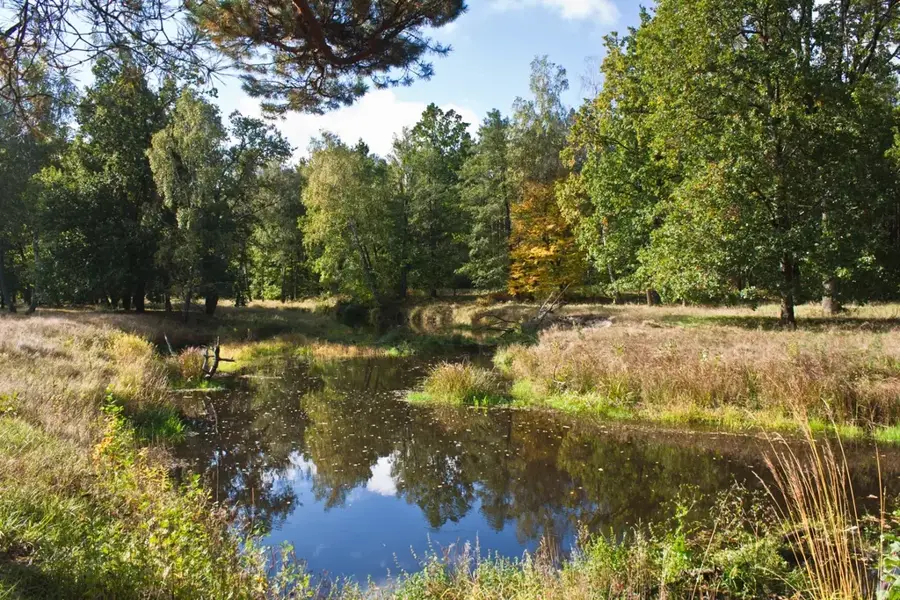
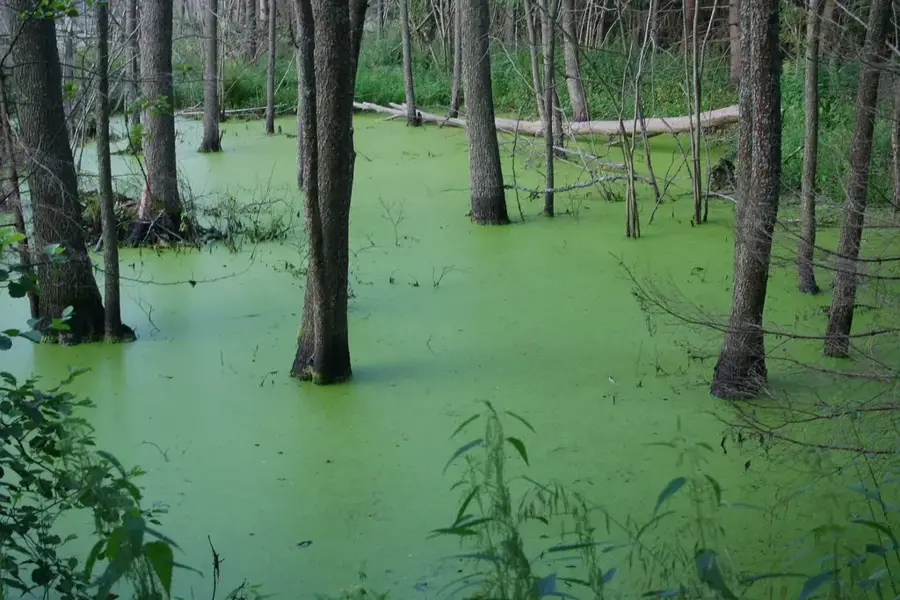
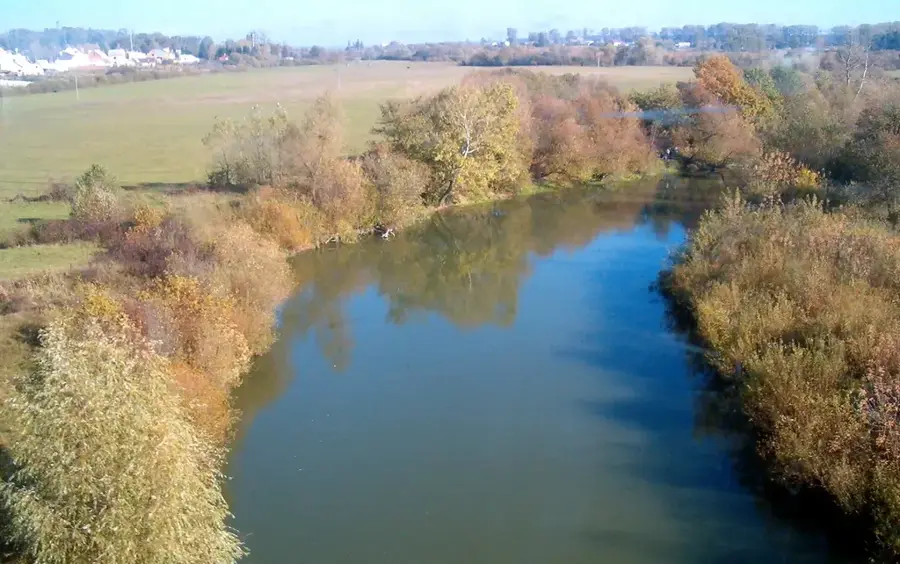
The Olmany Mires in the Stolin district constitute one of the largest natural transition and raised bog complexes in Europe. The territory extends across the southern part of the Brest region along the border between Belarus and Ukraine, forming part of the vast Pripyat Marshes. Historically, the area was utilized as a military training ground from the 1960s onwards, which ironically prevented human settlement and preserved the original biodiversity. Today, it is protected as a Ramsar site of international importance and provides one of the most critical habitats for rare birds of prey, such as the Greater Spotted Eagle. The landscape is characterized by expansive open mire tracts, scattered forested sand dunes, and numerous small relict lakes. The preservation of this complex ecosystem is essential for regulating the regional water balance and serves as a significant natural carbon sink in Eastern Europe.
- Location: Belarus
- Nearby: Stolin (25 km)
Best time to visit & climate
The most pleasant time to visit is Jun–Aug.
| Jan | Feb | Mar | Apr | May | Jun | Jul | Aug | Sep | Oct | Nov | Dec | |
|---|---|---|---|---|---|---|---|---|---|---|---|---|
| Avg °C | -6 | -5 | 1 | 8 | 14 | 18 | 21 | 20 | 15 | 8 | 2 | -3 |
| Rain mm | 46 | 38 | 44 | 42 | 74 | 77 | 95 | 61 | 43 | 56 | 49 | 49 |
📋 Practical info
Geography
Facts
- The reserve covers an area of approximately 94,000 hectares.
- It was officially recognized as a Ramsar site in the year 2001.
- About 70% of the area consists of open, unforested mires.
- Home to roughly 10-15% of the global population of the Greater Spotted Eagle.
- Peat layers reach a depth of up to 5 meters in some locations.
- Contains over 25 bird species listed in the Belarusian Red Data Book.
Explore nearby
Notable places around

Route planner — Car & Motorhome
Where do you start? We build the route here, with stops and country notes along the way.
© OpenStreetMap contributors · OpenRouteService
Sights nearby
Frequently asked questions
What are the Olmany Mires?
Do I need a guide for the visit?
When is the best time for birdwatching?
Is the terrain dangerous?
How far is it from the nearest town?
Olmany Mires: where is it located?
Olmany Mires: when is the best time to visit?
Olmany Mires: why is it worth visiting?

Nearby cities