Plizio Visual Lab
Polissian Lowland
Weather…
Water temperature…
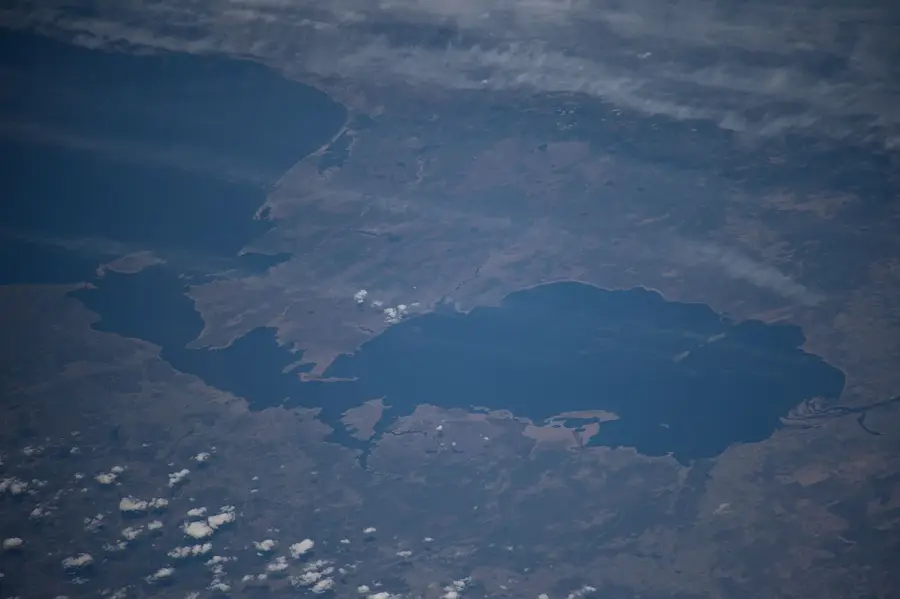
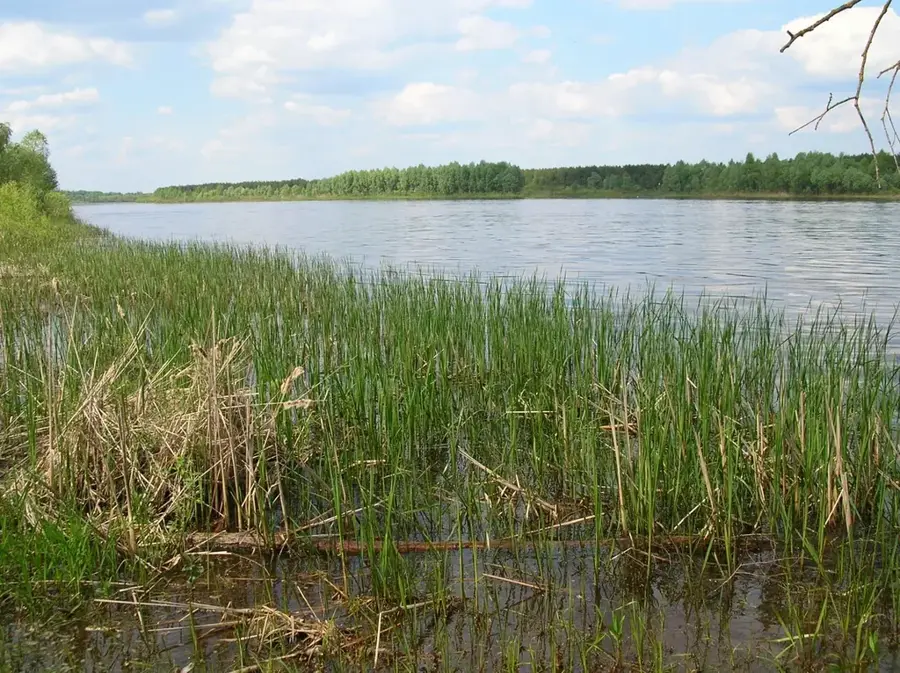
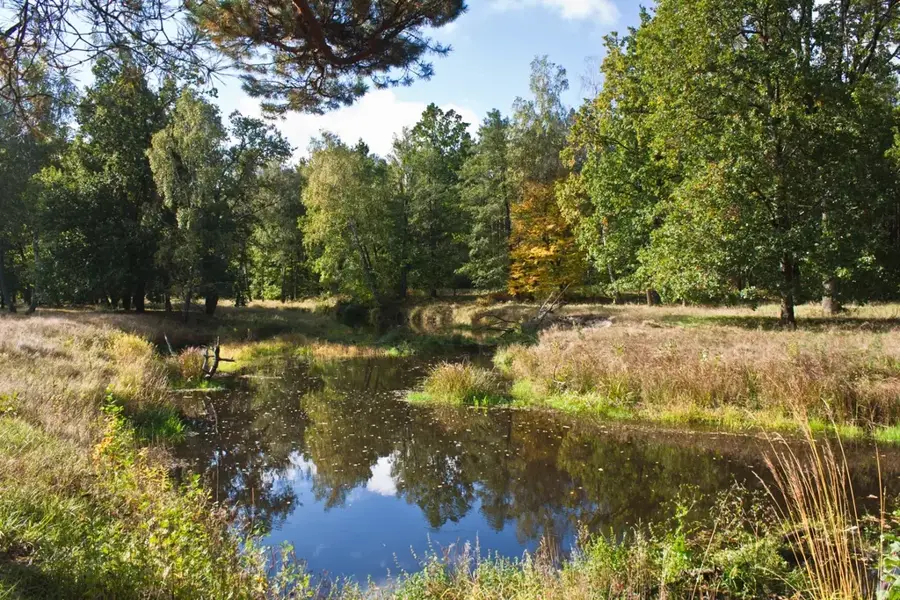
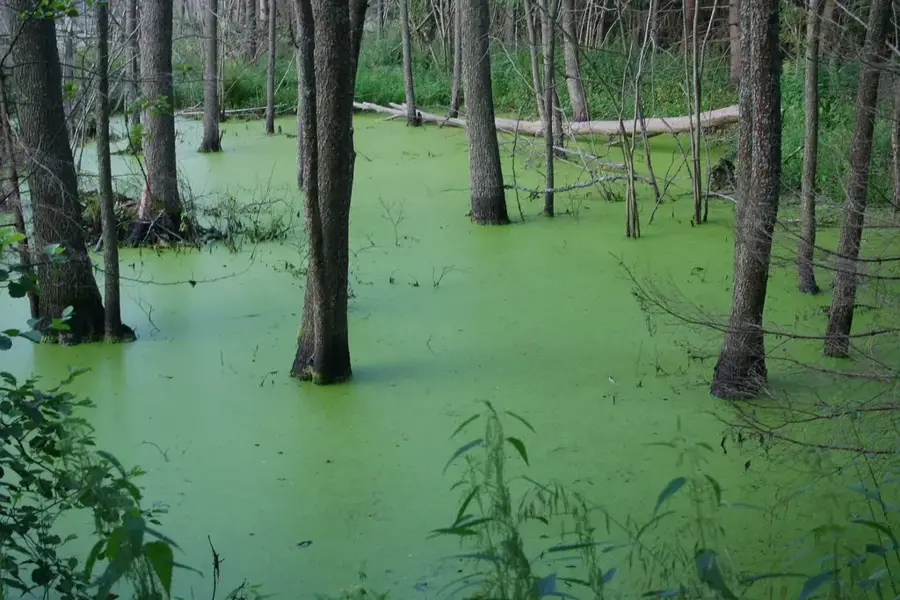
The Polissian Lowland is a vast, marshy depression in northern Ukraine, forming part of the larger East European Plain. It spans the drainage basins of the Pripyat and Desna rivers and is characterized by a remarkably flat topography with minimal elevation changes. Geologically, the region is dominated by Quaternary sandy deposits laid down by glacial meltwaters. Due to poor natural drainage and a high water table, the lowland hosts the Pripyat Marshes, one of the largest wetland systems in Europe. The natural vegetation consists of dense pine and mixed forests interspersed with expansive peat bogs, which serve as vital carbon sinks. The climate is temperate continental and humid, supporting a wide array of specialized flora and fauna. While significant portions were drained for agriculture during the 20th century, vast areas remain under protection, including the Chernobyl Biosphere Reserve. The northwestern part of the lowland is famous for the Shatsk Lakes, a group of glacial lakes that provide critical habitats for migratory birds and local biodiversity.
- Location: Ukraine
- Nearby: Sarny (33 km)
Best time to visit & climate
The most pleasant time to visit is Jun–Aug.
| Jan | Feb | Mar | Apr | May | Jun | Jul | Aug | Sep | Oct | Nov | Dec | |
|---|---|---|---|---|---|---|---|---|---|---|---|---|
| Avg °C | -6 | -4 | 1 | 8 | 15 | 18 | 21 | 20 | 15 | 8 | 2 | -3 |
| Rain mm | 44 | 39 | 44 | 41 | 75 | 79 | 95 | 62 | 44 | 52 | 48 | 48 |
📋 Practical info
Geography
Facts
- Home to the Pripyat Marshes, the largest wetlands in Europe.
- Average elevation ranges between 150 and 200 meters.
- Geology is dominated by Quaternary glacial sandy deposits.
- Includes the ecologically significant Chernobyl Biosphere Reserve.
- Contains vast resources of peat and timber.
- The Shatsk Lakes consist of over 30 lakes of glacial origin.
Explore nearby
Notable places around

Route planner — Car & Motorhome
Where do you start? We build the route here, with stops and country notes along the way.
© OpenStreetMap contributors · OpenRouteService
Sights nearby
Frequently asked questions
Where is the Polissian Lowland located?
What is the main feature of this region?
Which major river flows here?
Are there nature reserves?
What is the population density?
Polissian Lowland: where is it located?
Polissian Lowland: when is the best time to visit?
Polissian Lowland: why is it worth visiting?

Nearby cities