Plizio Visual Lab
Cutral Có
ℹ️Practical info — Cutral Có
▾
🌤 Weather — 5 days
📍 Nearby
Sights nearby
💡 Tips
- The region is famously windy, so always bring a windbreaker, even in summer.
- Stop by the massive Christ statue (Cristo de Cutral Có) along Route 22 for a photo opportunity.
- Book accommodation in advance if traveling during regional festivals or energy industry conferences.
- Be prepared for dry air; carry water and lip balm at all times.
- Public transport is limited, so having a rental car is the best way to explore the surrounding dinosaur sites.
🍽 Food
Try the slow-roasted lamb (Cordero Patagónico) at a traditional local parrilla.
Sample local empanadas often filled with regional meats and slightly sweeter dough.
Enjoy a pint of locally brewed Patagonian beer at a downtown pub.
🛍 Shopping · 🧘 Quiet spots
Buy replica fossils and dinosaur-themed gifts at local artisan shops.
Purchase jars of sweet fruit preserves from the Patagonian valleys at specialty grocers.
A spacious urban park first-rate for a quiet afternoon walk or mate session.
The area around the Christ statue gives a calm spot to view the sprawling steppe.
Water temperature…
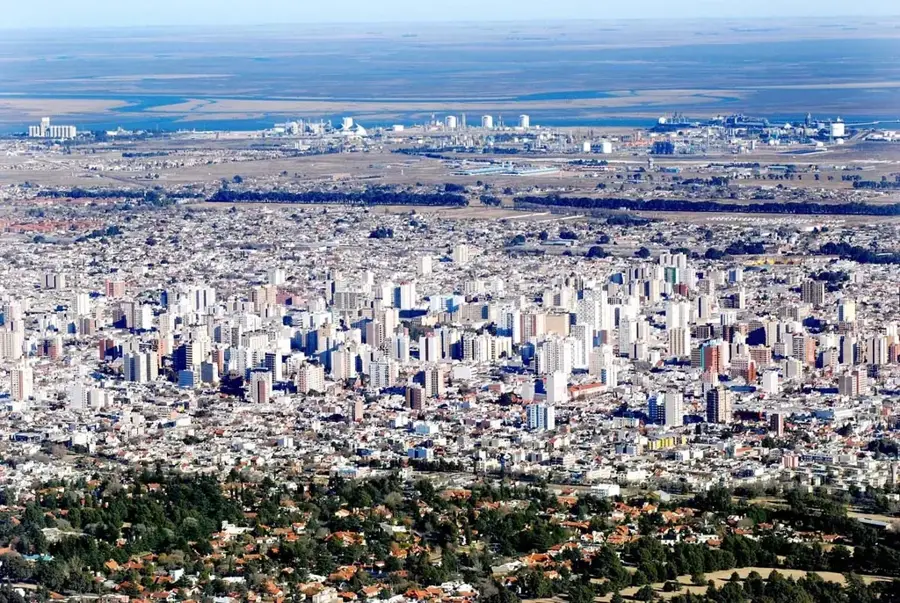
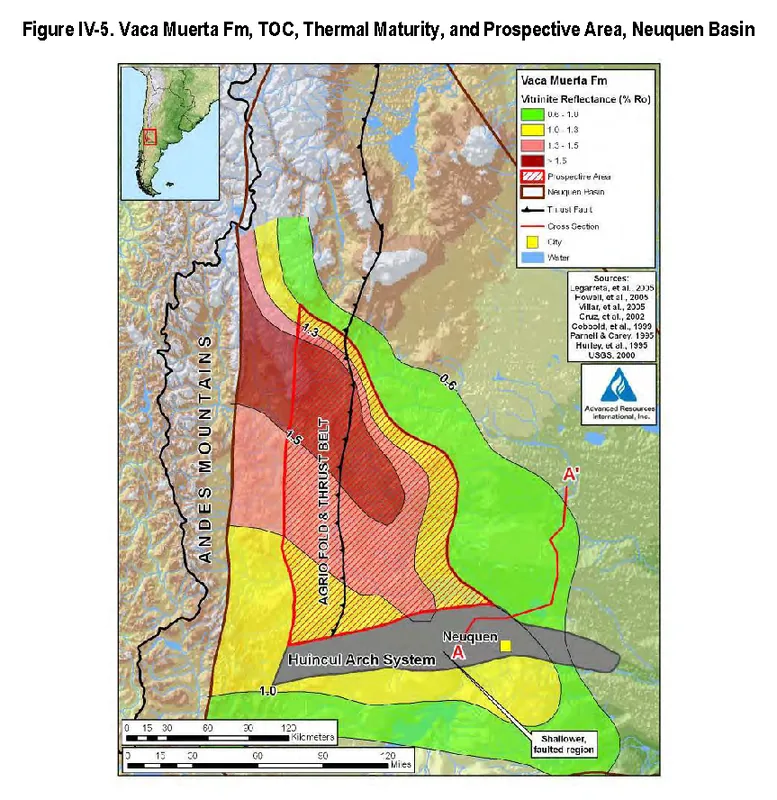
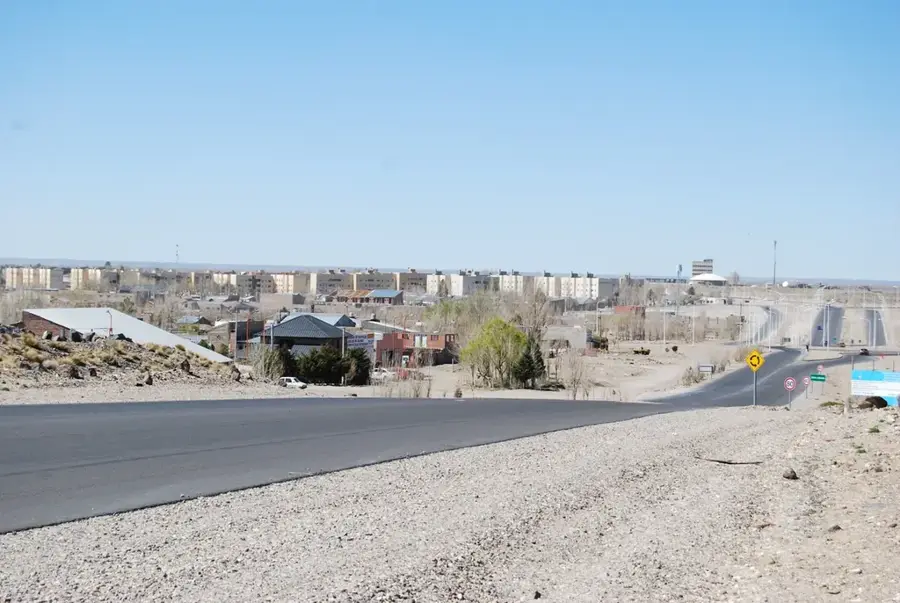
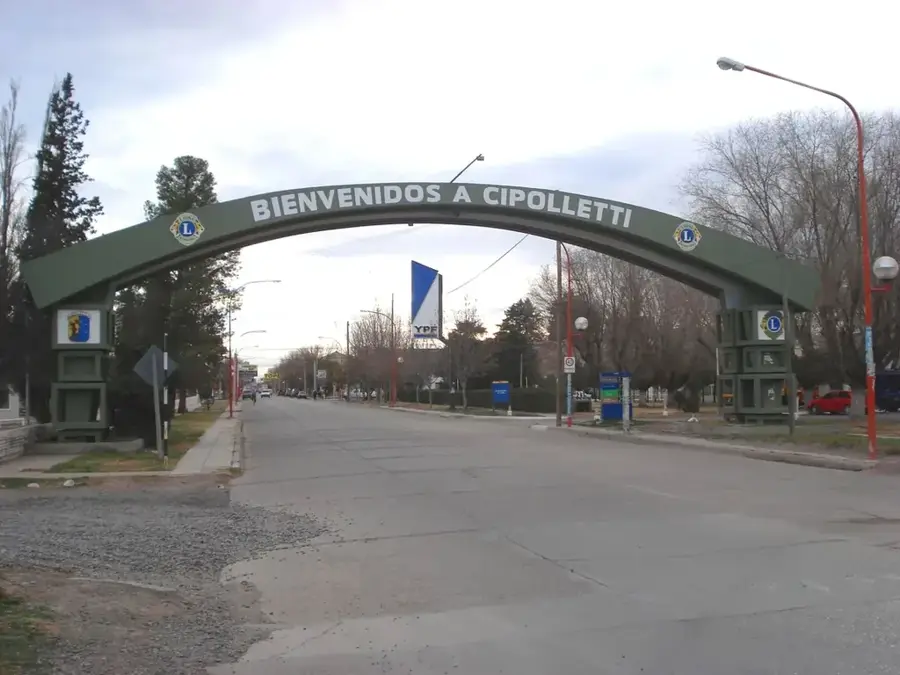
Cutral Co is a prominent industrial city in Neuquén province, whose history and development are inextricably linked to the discovery of oil. Founded on October 22, 1933, as Pueblo Nuevo, the settlement originally emerged as an informal camp for workers of the state-owned oil company YPF. Today, Cutral Co, along with the neighboring city of Plaza Huincul, forms an urban area that represents the energy heart of the region. The local economy relies primarily on the extraction of oil and natural gas, as well as associated services and industries. The city has witnessed significant social movements throughout its history, solidifying the identity of its residents as a resilient labor community. Landmarks like the Oil Workers' Monument (Monumento al Petrolero) in the city center commemorate the hard work performed under extreme climatic conditions. Cutral Co has also invested in expanding educational institutions and technological infrastructure to diversify the local economy. The barren steppe landscape surrounding the city contrasts sharply with the bustling industrial activity within it.
- Location: Argentina
- Top sights: Sala de Dioramas Cutral Có · Casa de la Historia "Víctor Ezio Zani" · Don Jaime
- Population: ~47.380 (2015)
Best time to visit & climate
The most pleasant time to visit is Feb, Mar, Dec.
| Jan | Feb | Mar | Apr | May | Jun | Jul | Aug | Sep | Oct | Nov | Dec | |
|---|---|---|---|---|---|---|---|---|---|---|---|---|
| Avg °C | 23 | 22 | 19 | 13 | 9 | 5 | 5 | 7 | 10 | 14 | 18 | 21 |
| Rain mm | 22 | 20 | 11 | 30 | 27 | 14 | 35 | 12 | 17 | 37 | 14 | 14 |
Geography
Facts
- Founded on October 22, 1933, by Víctor Ezio Zani.
- Forms a functional twin-city area with Plaza Huincul.
- Home to a major methanol production facility.
- The 'El Petrolero' monument stands 17 meters tall.
- A primary hub for the hydrocarbon industry in Neuquén.
- Features a modern technological center to support industrial research.
Explore nearby
Notable places around
Route planner — Car & Motorhome
Where do you start? We build the route here, with stops and country notes along the way.
© OpenStreetMap contributors · OpenRouteService
Sights in the town Cutral Có (7)
Yo Amo Plaza📍 landmark
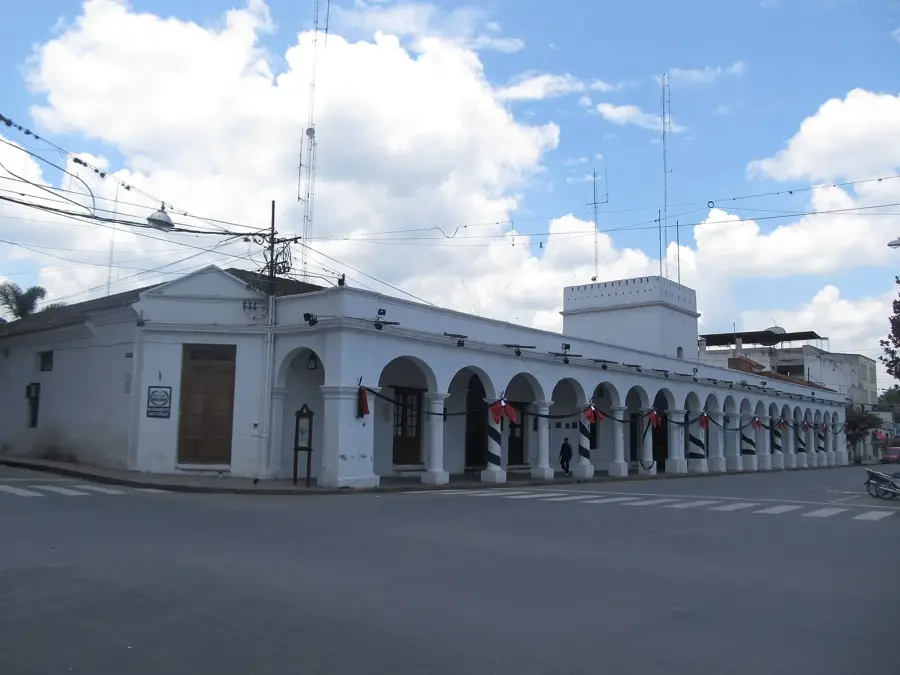
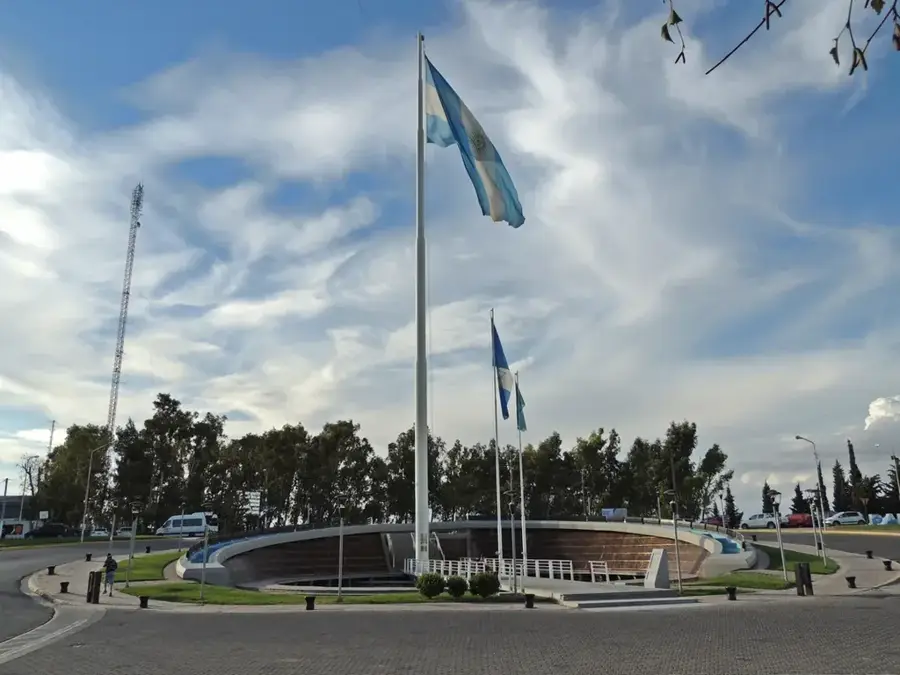
Yo Amo Plaza is a well-known sight in the urban area of Cutral Có. The urban environment has a lively meeting point for locals and travelers looking to enjoy the local flair. A stroll across the plaza invites you to soak up the relaxed atmosphere of the city. This public square is best explored during an evening walk.
Frequently asked questions
How many days do you need for Cutral Có?
What is the best time to visit Cutral Có?
How do you get to Cutral Có?
What is Cutral Có known for?
Is Cutral Có family-friendly?
Cutral Có: where is it located?
Cutral Có: what is there to see?
Cutral Có: when is the best time to visit?
Cutral Có: why is it worth visiting?
Nearby cities