Plizio Visual Lab

Amu Darya

Plizio editorial teamData Sources
River
—°1
Amu Darya (Afghanistan)

Weather…

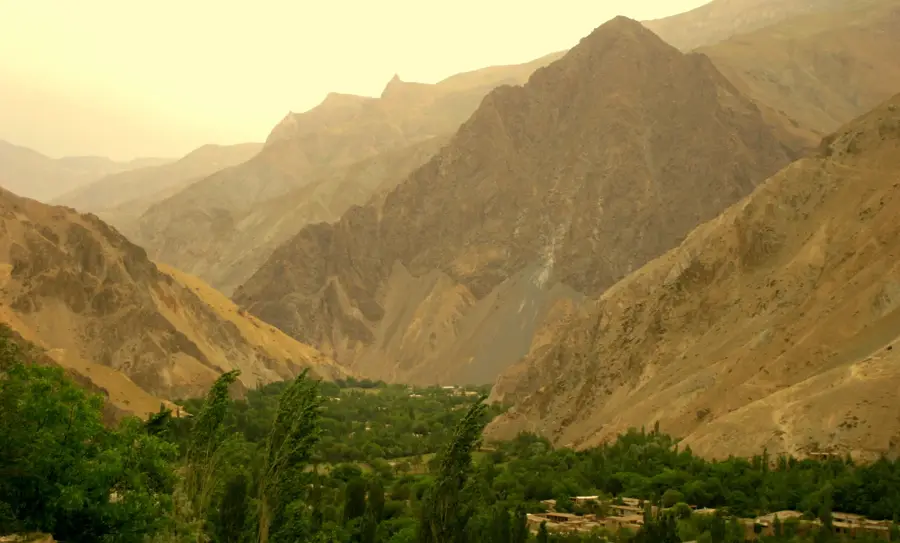
The Amu Darya, known in antiquity as the Oxus, is one of Central Asia's most significant rivers and forms much of Afghanistan's northern border with Tajikistan, Uzbekistan, and Turkmenistan. It is formed by the confluence of the Panj and Vakhsh rivers in the high Pamir Mountains. With a total length of over 2,400 kilometers, the river plays a vital role in regional agriculture and water supply. Historically, the Oxus often served as a frontier between vast empires and was the site of major historical events, including the campaigns of Alexander the Great. Today, the Amu Darya rarely reaches the Aral Sea, as its waters were heavily diverted for cotton irrigation during the Soviet era. In Afghanistan, water from the river is increasingly utilized for new infrastructure projects like the Qosh Tepa canal, which holds significant cross-border water policy implications. The flora and fauna along its banks, including the unique Tugai forests, represent ecologically valuable yet threatened ecosystems.

Best time to visit & climate

The most pleasant time to visit is Apr, Sep, Oct.

JanFebMarAprMayJunJulAugSepOctNovDec
Avg °C571319263133312518116
Rain mm2633302310100042321

📋 Practical info

🧭
Getting there
The riverbanks are typically approached via northern Afghan border towns like Hairatan. Reaching the remote stretches often requires hiring a local driver with a sturdy, reliable off-road vehicle.
📅
Best season
The most stable conditions occur during the drier autumn months when water levels decrease and mud subsides. Spring brings massive snowmelt from the mountains, often causing dangerous seasonal floods.
⛰️
Terrain & paths
The immediate banks fluctuate between sandy floodplains, dense riparian shrubland, and treacherous mudflats. Moving along the river edge can be incredibly difficult due to the shifting, unstable soil.
🎒
What to bring
Rugged waterproof boots and durable outdoor clothing are essential to handle the muddy conditions. Extensive sun protection and heavy-duty insect repellent are practically mandatory near the water.
🅿️
Parking
Formal parking does not exist; visitors typically leave their vehicles at nearby border settlements or secure outposts. Drivers must be extremely cautious not to get stuck in hidden river mud.
⚠️
Safety
Traveling near this major international border river requires strict permits, military awareness, and local expertise. Strong currents make any attempt at swimming extraordinarily dangerous and ill-advised.
⏱️
Time needed
An exploration of the riverbanks usually takes half a day, incorporated into a wider regional journey. Logistical hurdles mean that lingering extended periods directly on the shore is quite uncommon.

Geography

Coordinates
37.30000, 66.50000

Facts

  • The Amu Darya is the most water-abundant river in Central Asia.
  • The ancient name 'Oxus' is derived from a Bactrian word meaning 'river'.
  • The total length of the river is approximately 2,414 kilometers (including source rivers).
  • The river carries vast amounts of sediment, giving it a characteristic murky yellowish color.
  • The city of Termez, one of the oldest in the region, is located on its banks.
  • In particularly harsh winters, the lower reaches of the Amu Darya can partially freeze over.

Explore nearby

Notable places around
Route planner — Car & Motorhome

Where do you start? We build the route here, with stops and country notes along the way.

Vehicle
Only stops with (optional):

© OpenStreetMap contributors · OpenRouteService

Sights in the town Amu Darya (1)

Aranji📍 landmark

Aranji is a settlement in Afghanistan, located near the Amu Darya river.

Sights nearby

Frequently asked questions

What is the Amu Darya?
The Amu Darya is one of Central Asia’s major rivers and forms a natural border in some stretches. It matters for water, agriculture, and the landscape.
Can you travel along the river?
Yes, but more in individual stretches than as a comfortable continuous route. Roads, crossings, and viewpoints vary a lot by region.
Why is the Amu Darya important?
It supplies water to large regions and shapes agriculture and settlements. Historically, it was also an important transport and border zone.
When is the best time to see it?
Spring and early summer are often the most interesting, because water levels can be higher. In mid-summer it is usually hotter and drier.
Is there tourist infrastructure?
Only in isolated spots along the river. It is mostly landscape and local settlements rather than a well-developed visitor zone.
Amu Darya: where is it located?
Amu Darya is located in Afghanistan.
Amu Darya: when is the best time to visit?
The most pleasant time to visit is Apr, Sep, Oct.
Amu Darya: why is it worth visiting?
The Amu Darya, known in antiquity as the Oxus, is one of Central Asia's most significant rivers and forms much of Afghanistan's northern border with Tajikistan, Uzbekistan, and Turkmenistan.
View on map → The Top 50 Attractions → OpenStreetMap →
Asia
Explore with Plizio Discover more places in Asia
More places in Afghanistan →

Nearby cities

More places