Plizio Visual Lab
Sar-e Pol
ℹ️Practical info — Sar-e Pol
▾
🌤 Weather — 5 days
📍 Nearby
Sights nearby
💡 Tips
- Dress very conservatively; men should avoid shorts, and women must wear loose-fitting clothes and a headscarf in public.
- Always travel with a trusted local guide who knows the area well, as tourist infrastructure is practically nonexistent.
- Always ask for permission before taking photographs of local people, especially women, as it can be considered deeply offensive.
- Carry sufficient Afghan Afghanis in cash; ATMs are extremely rare, and card payments are generally not an option here.
🍽 Food
Try the national dish of rice, carrots, raisins, and tender meat at a local traditional chaikhana (teahouse).
Look for these steamed dumplings filled with spiced meat and topped with yogurt and lentils in local eateries.
Pick up freshly baked, traditional flatbread directly from a local street-side baker (nanwai) early in the morning.
🛍 Shopping · 🧘 Quiet spots
Explore the central bazaar for traditional Afghan carpets, kilims, and hand-woven textiles.
Buy high-quality, locally grown pistachios, almonds, and dried mulberries from the market stalls.
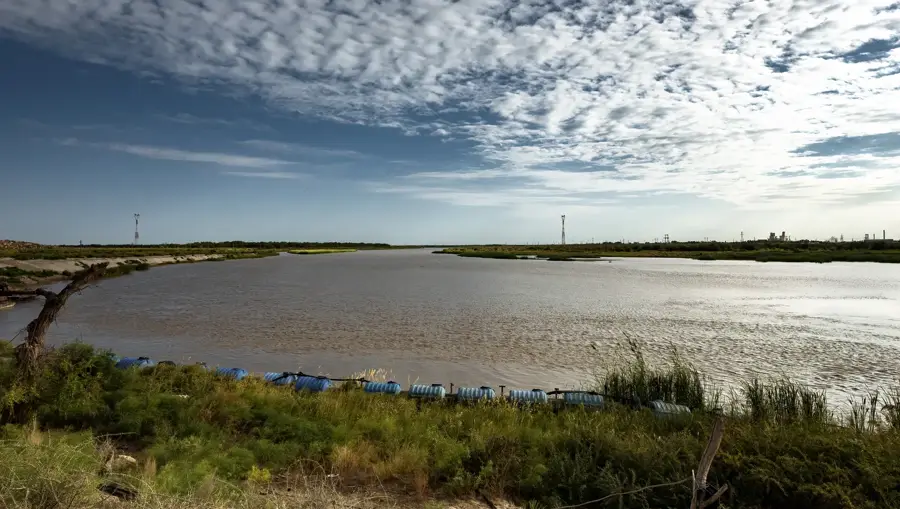
Take a peaceful stroll along the local riverbanks on the outskirts of the town for some tranquility.
With a local guide, take a short drive into the rugged foothills to experience the quiet beauty of the landscape.
Water temperature…
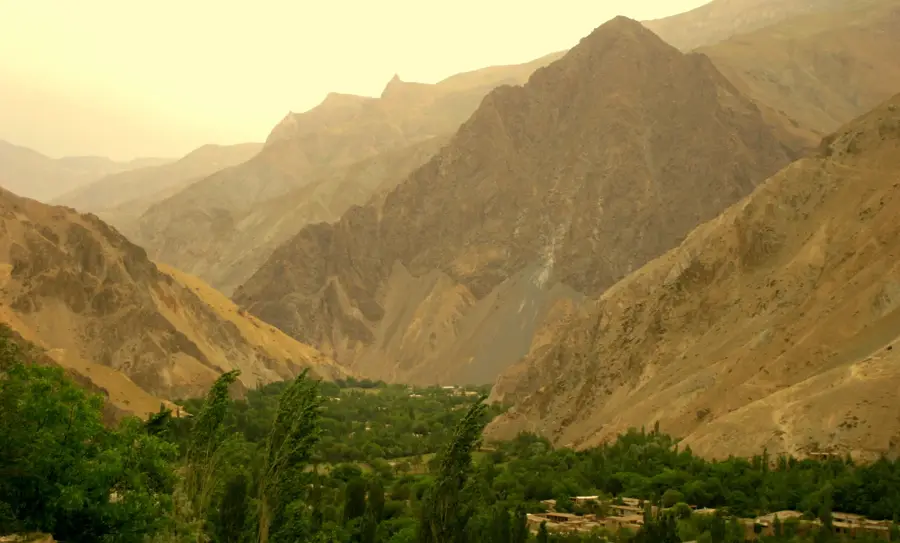
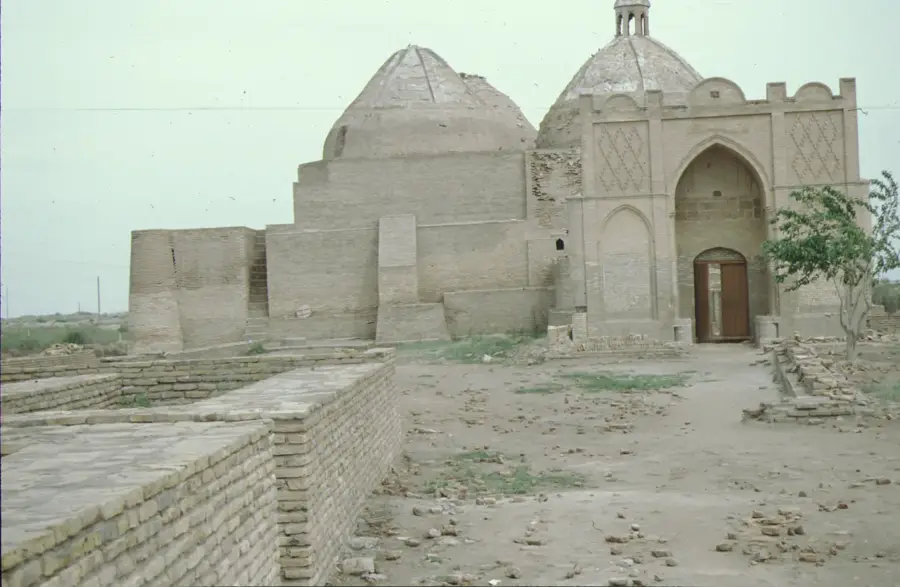
Sar-e Pol serves as the administrative capital of Sar-e Pol Province in northern Afghanistan, a city whose name literally means 'Bridgehead,' denoting its historical role as a crossing point over the Sar-e Pol River. The city is positioned at a geographic crossroads, where the undulating foothills of the Koh-i-Baba mountains meet the fertile northern plains. This location has fostered its development as a major regional trade center for agricultural goods and livestock. Most notably, Sar-e Pol sits atop some of Afghanistan's most significant hydrocarbon reserves; the Angot oil fields nearby were among the first to be commercially exploited in the country, granting the city a unique strategic importance in the nation's energy sector. The local economy is further bolstered by the production of wheat, barley, and various fruits, as well as the world-renowned Karakul sheep industry. Culturally, the city is an ethnic melting pot, with large populations of Uzbeks, Hazaras, and Tajiks, alongside smaller communities of Pashtuns and Arabs. This diversity is reflected in the local dialect, architecture, and the lively trade in the city's central bazaar, which is a hub for traditional textiles and carpets. Sar-e Pol also possesses several significant religious sites, including the shrine of Yahya ibn Zayd, which draws pilgrims from across the region. Since its establishment as a provincial capital in 1988, the city has seen a gradual expansion of its administrative infrastructure, including schools, hospitals, and government offices. Despite facing environmental challenges like seasonal flooding from the river and the logistical difficulties of its rugged terrain, Sar-e Pol remains a vital anchor for the economy and governance of northern Afghanistan.
- Location: Afghanistan
- Top sights: Sar-e-Pol, Afghanistan · Balkhab District · Sancharak District
- Population: ~52.121 (2026)
Best time to visit & climate
The most pleasant time to visit is Jun–Aug.
| Jan | Feb | Mar | Apr | May | Jun | Jul | Aug | Sep | Oct | Nov | Dec | |
|---|---|---|---|---|---|---|---|---|---|---|---|---|
| Avg °C | 1 | 3 | 8 | 13 | 18 | 22 | 24 | 22 | 18 | 13 | 7 | 2 |
| Rain mm | 27 | 36 | 33 | 23 | 12 | 1 | 0 | 0 | 0 | 4 | 28 | 23 |
Geography
Facts
- Sar-e Pol is the capital city of Sar-e Pol Province.
- The city's name means 'Head of the Bridge' in Persian.
- It is located at an elevation of about 640 meters (2,100 feet).
- The region contains some of Afghanistan's primary oil reserves.
- The city became a provincial capital in 1988.
- The population is an ethnic mix of Uzbeks, Hazaras, and Tajiks.
- It is a major center for Karakul sheep farming and wool trade.
- The Sar-e Pol River provides essential irrigation for the valley.
Explore nearby
Notable places around


Route planner — Car & Motorhome
Where do you start? We build the route here, with stops and country notes along the way.
© OpenStreetMap contributors · OpenRouteService
Sights in the town Sar-e Pol (3)
Frequently asked questions
What is Sar-i Pul?
Is it accessible for travelers?
What can you do in nature?
Are there sights?
What is the best time?
Sar-e Pol: where is it located?
Sar-e Pol: what is there to see?
Sar-e Pol: when is the best time to visit?
Sar-e Pol: why is it worth visiting?
Nearby cities
Nature
More places