Plizio Visual Lab

Niayes Depression
Plizio editorial teamData Sources
Relief
—°4
Niayes Depression (Senegal)

Weather…

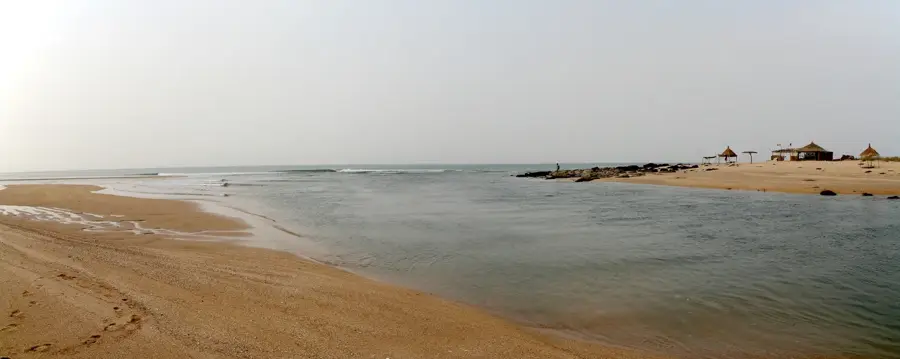
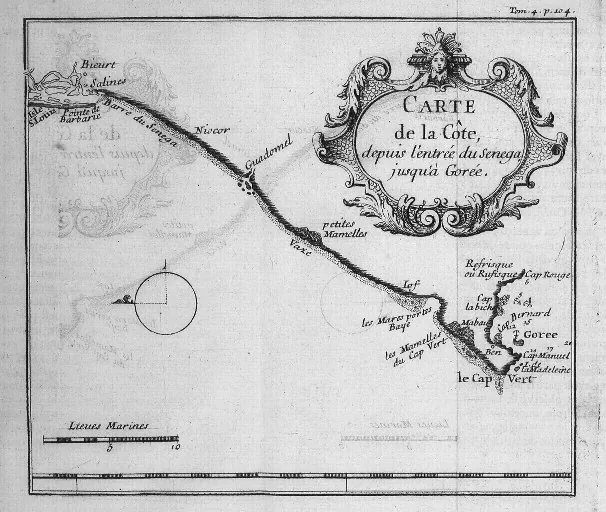
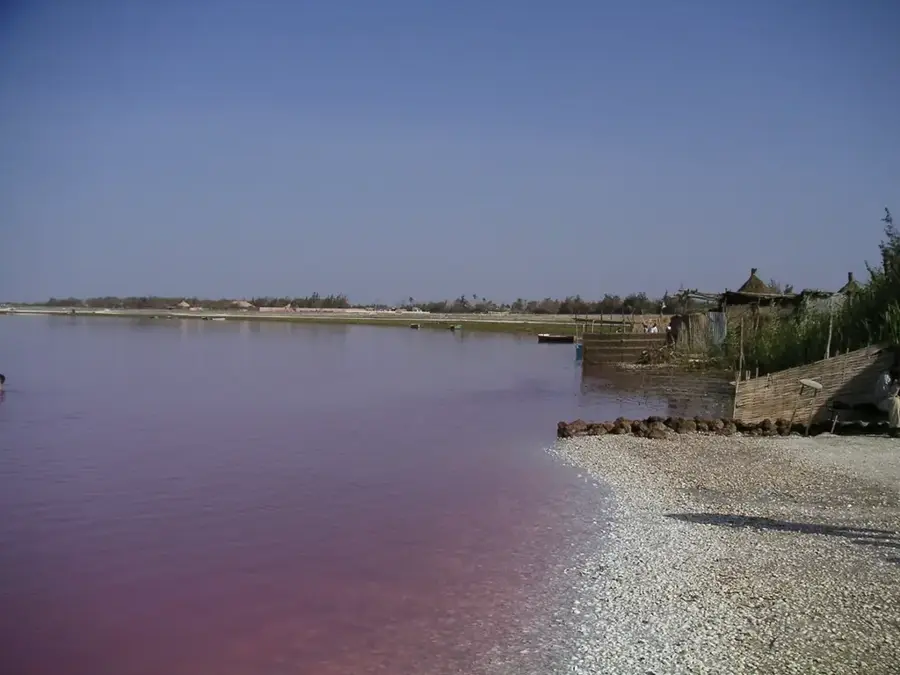
The Niayes Depression stretches as a narrow, approximately 180-kilometer-long strip along the northwestern coast of Senegal between Dakar and Saint-Louis. Geomorphologically, the region consists of a sequence of moist depressions tucked away between ancient coastal dunes, benefiting from a very high water table. This hydrological feature allows for the formation of permanent or seasonal ponds, which support intensive agriculture, particularly market gardening, in an otherwise arid zone. The microclimate is significantly influenced by the cool Canary Current, which keeps temperatures moderate and increases humidity compared to the drier interior. Historically, the region served as a vital supply belt for expanding coastal cities and remains the heart of Senegal's vegetable production today. The ecological significance of the Niayes is substantial, as it serves as a refuge for migratory birds and specific plant communities adapted to humid conditions. Currently, the area faces threats from encroaching urbanization and soil salinization due to intensive irrigation practices.

Best time to visit & climate

The most pleasant time to visit is Jan, Feb, Dec.

JanFebMarAprMayJunJulAugSepOctNovDec
Avg °C232324242528282828282624
Rain mm89219217891761504287

📋 Practical info

🧭
Getting there
Access to this coastal farming region is straightforward via the main roads running parallel to the Atlantic coastline north of Dakar. Many of the depressions are easily reached by short detours along local sandy tracks.
📅
Best season
The dry season, from November to May, has the easiest access and comfortable temperatures for observing the animated agricultural activity. In the wet season, the depressions collect more water, making the tracks muddier.
⛰️
Terrain & paths
The terrain consists of sandy coastal dunes dropping into fertile, shallow valleys utilized intensively for vegetable farming. Walking around the fields is generally easy, though the loose sand on the slopes can be tiring.
🎒
What to bring
Lightweight clothing and open, easily washable sandals are good for navigating the sandy and sometimes muddy paths near the vegetable plots. Sun protection and a camera are great additions for documenting the unique landscape.
🅿️
Parking
Parking is usually informal, safely leaving vehicles on the firmer ground near the edges of the active farming zones or adjacent villages. It is polite to ask the local farmers where it is best to park without disrupting their work.
⚠️
Safety
The region is very safe and locals are accustomed to visitors, but always be respectful when photographing people working in the fields. Ensure you walk strictly on designated paths so you do not trample any fragile crops.
⏱️
Time needed
A comprehensive visit to appreciate the unique hydrology and the agricultural methods usually requires one to two hours. It makes for an excellent short detour while traveling along the northern Senegalese coastline.

Geography

Coordinates
14.80000, -17.20000

Facts

  • The Niayes region supplies about 80% of the vegetables consumed in Senegal.
  • The water table in the depressions is often just 1 to 5 meters below the surface.
  • The region extends for approximately 180 km along the Atlantic coast.
  • The average temperature is about 5°C lower than inland due to the Canary Current.
  • The coastal dunes bordering the depressions reach heights of up to 20 meters.
  • The area is a key corridor for over 150 different species of migratory birds.

Explore nearby

Notable places around
Route planner — Car & Motorhome

Where do you start? We build the route here, with stops and country notes along the way.

Vehicle
Only stops with (optional):

© OpenStreetMap contributors · OpenRouteService

Sights in the town Niayes Depression (4)

Monument Diogal Ngom📍 landmark

This sculptural monument stands as a landmark tribute, reflecting the distinct cultural heritage of the local community.

Village des Tortures🎡 recreation

This dedicated conservation park allows visitors to observe and learn about the endangered African spurred tortoise in a protected habitat.

Centre de protection des tortues du Sénégal📍 landmark

This essential wildlife rescue facility breeds and cares for Senegal's vulnerable land tortoise populations before reintroducing them to the wild.

Réserve spéciale botanique de Noflaye🌿 nature

This botanical reserve protects the unique vegetation of the Niayes ecosystem, featuring moisture-retaining depressions that support rare coastal flora.

Sights nearby

Frequently asked questions

What is the Niayes region known for?
It is known as the vegetable garden with fertile depressions between dunes.
Is the area easily accessible?
Yes, it is close to the main roads near Dakar.
What is the best season for a visit?
The cooler months from November to February are convenient.
Can one eat locally in Niayes?
Yes, fresh vegetables from the market are a local specialty.
Is the landscape family-friendly?
Yes, there are many easy trails and nature to discover.
Niayes Depression: where is it located?
Niayes Depression is located in Senegal.
Niayes Depression: what is there to see?
Highlights include Monument Diogal Ngom, Village des Tortures, Centre de protection des tortues du Sénégal.
Niayes Depression: when is the best time to visit?
The most pleasant time to visit is Jan, Feb, Dec.
Niayes Depression: why is it worth visiting?

The Niayes Depression stretches as a narrow, approximately 180-kilometer-long strip along the northwestern coast of Senegal between Dakar and Saint-Louis.
View on map → The Top 50 Attractions → OpenStreetMap →
Africa
Explore with Plizio Discover more places in Africa
More places in Senegal →

Nearby cities

History & landmarks
Nature

More places