Plizio Visual Lab
Fort d'Estrées
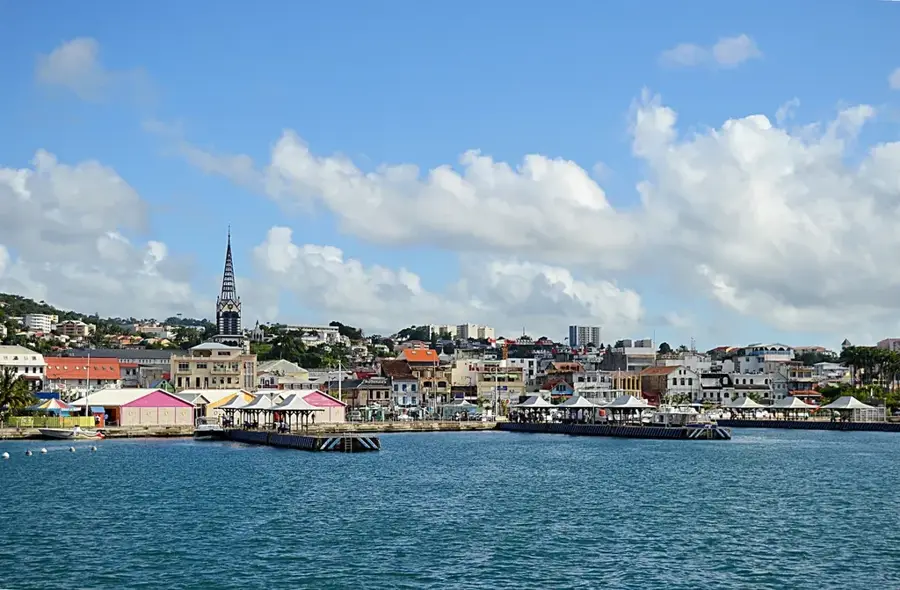
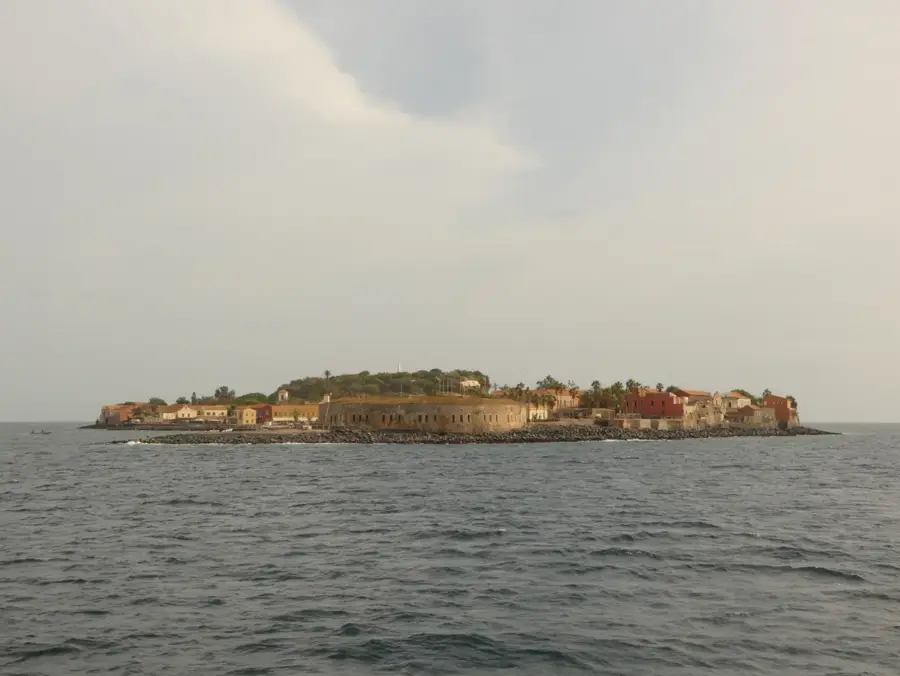
Fort d'Estrées on Gorée Island is an impressive military fortification built in the mid-19th century to protect the harbor of Dakar. Constructed between 1852 and 1856, this circular citadel was named after French Admiral Jean II d'Estrées, who captured the island from the Dutch in 1677. The fortress is distinguished by its thick stone walls and the strategic placement of artillery positions, providing an expansive view across the Atlantic. While Gorée is often associated with the slave trade, this particular fort primarily served defensive purposes during colonial expansion. In the latter half of the 20th century, the site underwent extensive restoration and has housed the IFAN (Institut Fondamental d'Afrique Noire) Historical Museum since 1989. The exhibits inside guide visitors through the entire history of Senegal, from the Stone Age and the great West African empires to the struggle for independence. The fort is a vital component of the island's UNESCO World Heritage status, merging military architecture with a profound educational mission.
- Location: Senegal
- Nearby: Pikine (10 km)
Best time to visit & climate
The most pleasant time to visit is Feb–Apr.
| Jan | Feb | Mar | Apr | May | Jun | Jul | Aug | Sep | Oct | Nov | Dec | |
|---|---|---|---|---|---|---|---|---|---|---|---|---|
| Avg °C | 22 | 21 | 21 | 21 | 22 | 25 | 27 | 27 | 28 | 28 | 27 | 24 |
| Rain mm | 11 | 9 | 3 | 6 | 3 | 14 | 79 | 191 | 170 | 49 | 9 | 13 |
📋 Practical info
Geography
Facts
- The fortress was constructed between 1852 and 1856.
- It features a distinctive circular floor plan for all-around defense.
- The naming honors Admiral d'Estrées, who captured the island in 1677.
- The IFAN museum has been housed in the fort since 1989.
- There are a total of 19 positions for heavy cannons along the walls.
- Gorée has been a UNESCO World Heritage site since 1978.
Explore nearby
Notable places around


Route planner — Car & Motorhome
Where do you start? We build the route here, with stops and country notes along the way.
© OpenStreetMap contributors · OpenRouteService
Sights in the town Fort d'Estrées (1)
Sights nearby
Frequently asked questions
What does the fort house today?
How do you get to the fort?
Is admission included?
Can you visit everything?
Is the site accessible?
Fort d'Estrées: where is it located?
Fort d'Estrées: when is the best time to visit?
Fort d'Estrées: why is it worth visiting?

Nearby cities
History & landmarks



More places