Plizio Visual Lab

Parima-Tapirapecó National Park
Plizio editorial teamData Sources
park
—°
Parima-Tapirapecó National Park (Venezuela)

Weather…

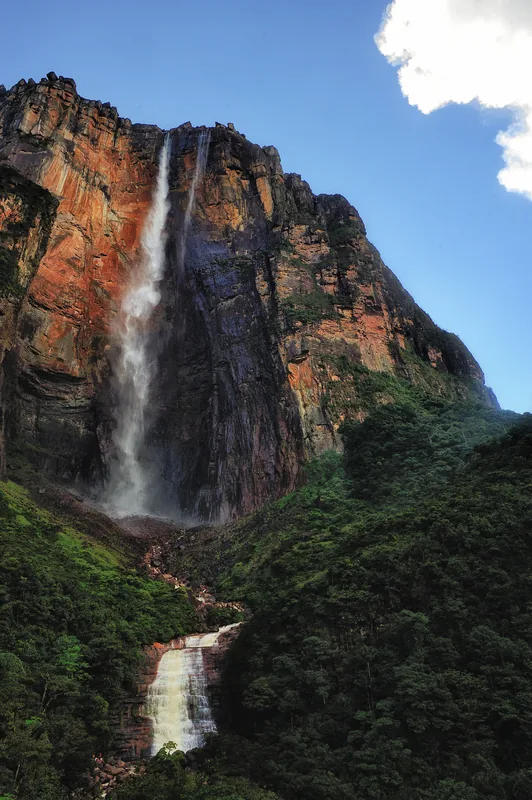
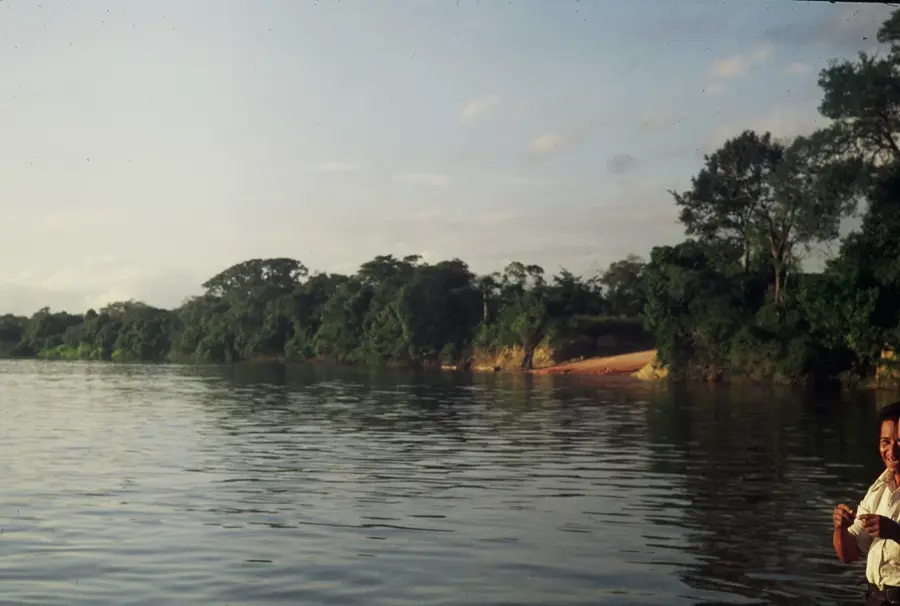
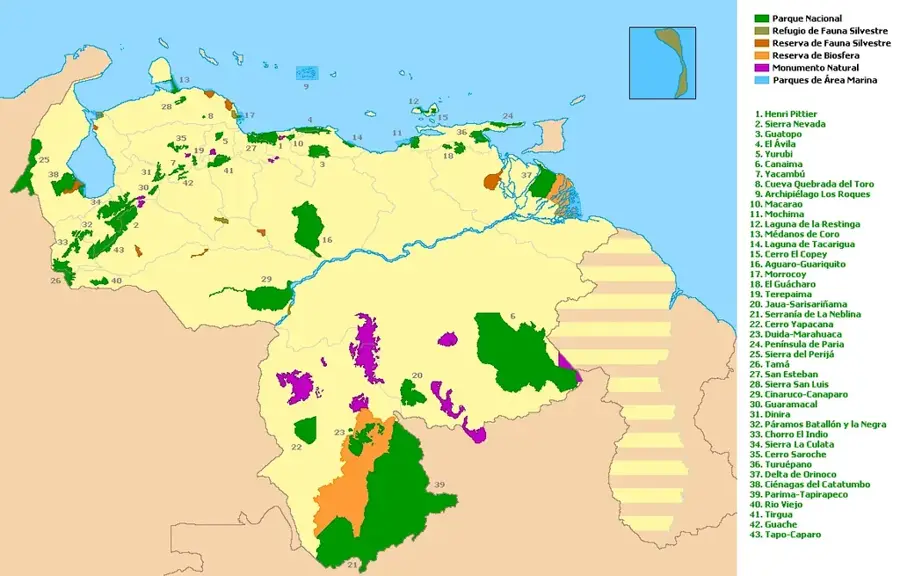
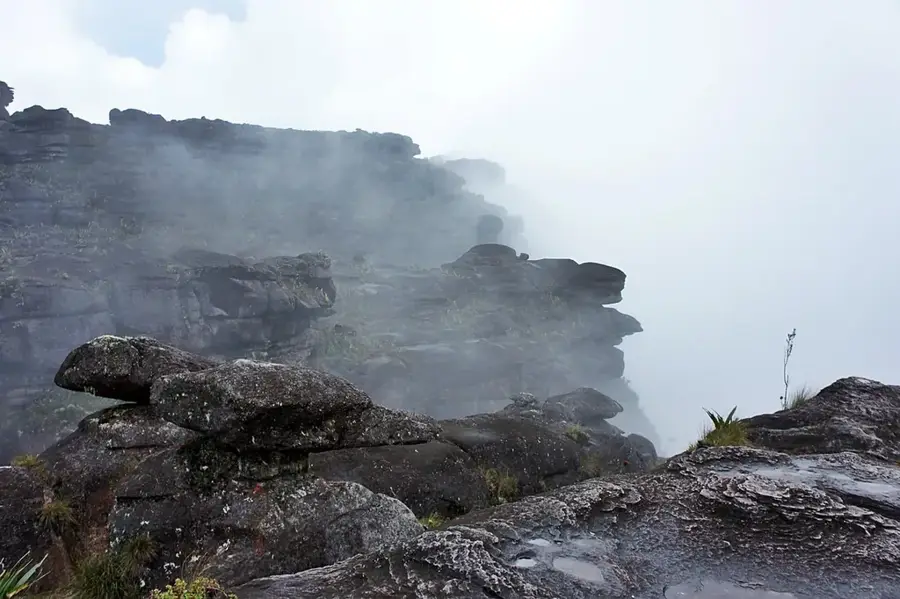
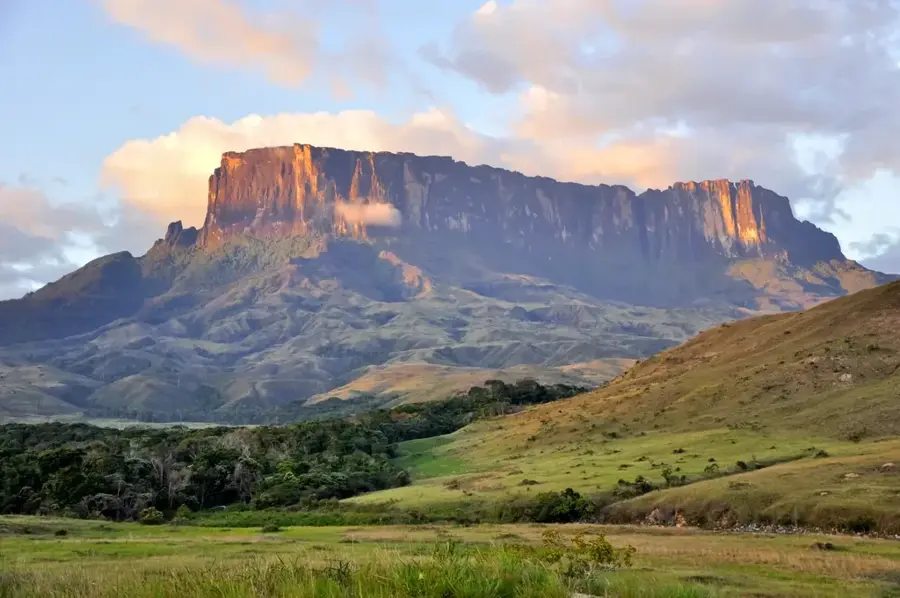
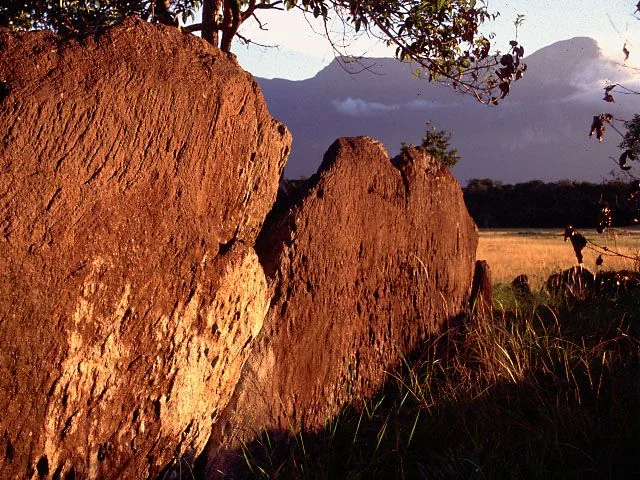
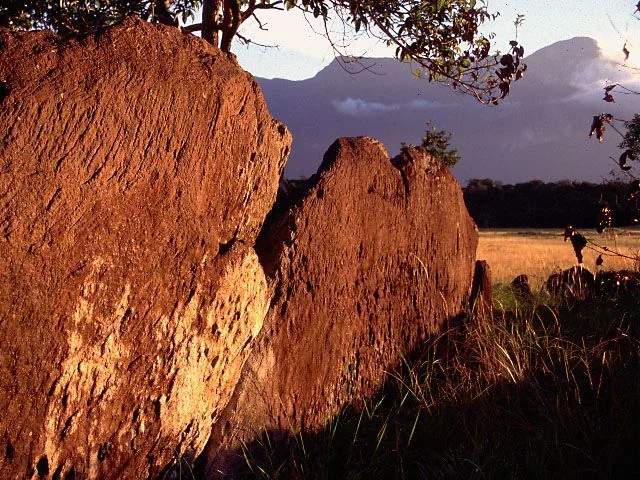
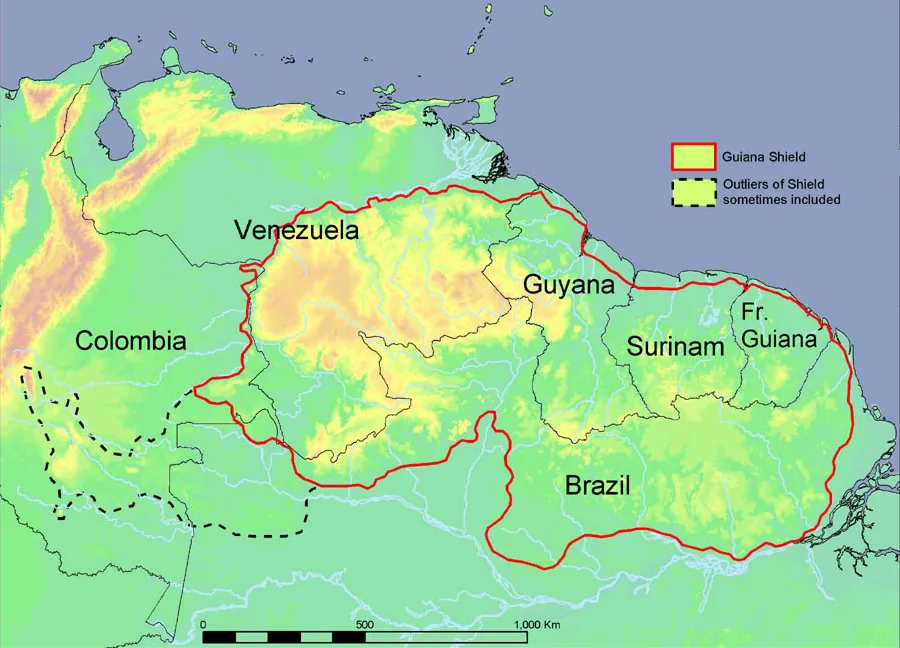
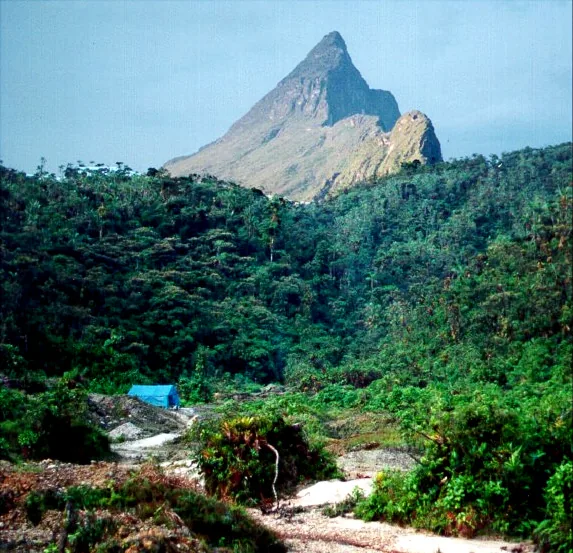
Parima-Tapirapecó National Park is Venezuela's largest national park and one of the largest in the world, spanning approximately 3.8 million hectares. Established in 1991, it is located in the Amazonas State along the border with Brazil. The park protects the headwaters of the Orinoco River and encompasses much of the Sierra Parima range and parts of the Guiana Shield. This remote region is almost entirely covered by pristine tropical rainforest and tepuis, hosting extraordinary biodiversity. Culturally, the park is of immense significance as it is home to the Yanomami people, whose traditional way of life and territory are meant to be preserved by the national park status. Due to its extreme remoteness and the absence of roads, the park remains largely unexplored and is accessible only by air or river. Its geological formations are among the oldest on Earth, creating a unique landscape of mountains, plateaus, and dense jungle that is vital for global climate regulation.

Best time to visit & climate

The most pleasant time to visit is Feb, Sep, Oct.

JanFebMarAprMayJunJulAugSepOctNovDec
Avg °C252525242323232324242424
Rain mm111101143241315266209170122115121126

📋 Practical info

🧭
Getting there
This extremely remote park in Amazonas State is mostly accessible only by light aircraft or via multi-day expeditions by river boat. Since there are no regular transport links, travel must often be organized through specialized providers or with the support of local indigenous communities.
📅
Best season
The best time to visit is during the less rainy months, although rainfall should be expected year-round in the tropical rainforest. During the heavy rainy season, river levels can rise significantly, making navigation dangerous but allowing access to deeper areas of the jungle.
⛰️
Terrain & paths
The terrain includes pristine jungle and mountain ranges in the border region with Brazil, which are often completely trackless and very difficult to traverse. The landscape is characterized by dense vegetation, numerous watercourses, and a humid-hot climate that demands peak physical exertion.
🎒
What to bring
Professional expedition gear, including mosquito nets, water purification systems, and robust tropical clothing, is mandatory for a stay. A satellite phone for emergencies and a comprehensive first-aid kit should always be carried due to the total isolation from modern infrastructure.
🅿️
Parking
There are no parking spaces in the conventional sense in this area; 'parking' here means small landing strips in the jungle or riverbanks at indigenous settlements. Logistics must be planned well in advance, as there are no guarded facilities for private vehicles for hundreds of kilometers.
⚠️
Safety
The greatest danger lies in the extreme isolation as well as tropical diseases and encounters with wildlife in the dense rainforest. An experienced local guide is absolutely vital for navigating safely through the terrain and for correctly assessing the many potential dangers of the jungle.
⏱️
Time needed
A visit to this park is not a day trip; expeditions typically last between 10 and 20 days, including the complicated journey to and from the area. The enormous size and slow pace of progress in the undeveloped jungle require plenty of time and thorough logistical preparation beforehand.

Geography

Coordinates
2.50000, -64.50000

Facts

  • Spanning 38,290 km², it is the fifth-largest national park in the world by area.
  • The park was officially established on August 1, 1991, under Decree No. 1,636.
  • It houses the headwaters of the Orinoco River, discovered in 1951 by a Franco-Venezuelan expedition.
  • The region is home to approximately 15,000 Yanomami indigenous people living in traditional communities.
  • Elevations within the park range from 150 to 2,100 meters above sea level.
  • Significant tributaries such as the Ocamo, Mavaca, and Siapa rivers originate within the park.

Explore nearby

Notable places around

Route planner — Car & Motorhome

Where do you start? We build the route here, with stops and country notes along the way.

Vehicle
Only stops with (optional):

© OpenStreetMap contributors · OpenRouteService

Sights nearby

Frequently asked questions

What is special about this park?
It is one of the most remote and largest national parks, protecting enormous ecological diversity.
Is this park developed for tourism?
No, it is very difficult to access and intended only for scientific or very specialized expeditions.
What protection measures apply here?
Access is strictly regulated to preserve indigenous culture and the fragile ecosystem.
Is there infrastructure there?
There is almost no tourist infrastructure; you must travel completely self-sufficiently.
Why is this park so important?
It protects the headwaters of important rivers and is the home of indigenous peoples.
Parima-Tapirapecó National Park: where is it located?
Parima-Tapirapecó National Park is located in Venezuela.
Parima-Tapirapecó National Park: when is the best time to visit?
The most pleasant time to visit is Feb, Sep, Oct.
Parima-Tapirapecó National Park: why is it worth visiting?

Parima-Tapirapecó National Park is Venezuela's largest national park and one of the largest in the world, spanning approximately 3.8 million hectares.
View on map → The Top 50 Attractions → OpenStreetMap →
South America
Explore with Plizio Discover more places in South America
More places in Venezuela →

History & landmarks

Nature

More places