Plizio Visual Lab
Fanla Village
ℹ️Practical info — Fanla Village
▾
🌤 Weather — 5 days
📍 Nearby
Sights nearby
💡 Tips
- As Fanla is a center for magic and tradition, strictly respect all sacred places (tabu).
- Access usually requires an entrance or customary fee, so bring small denomination notes (Vatu).
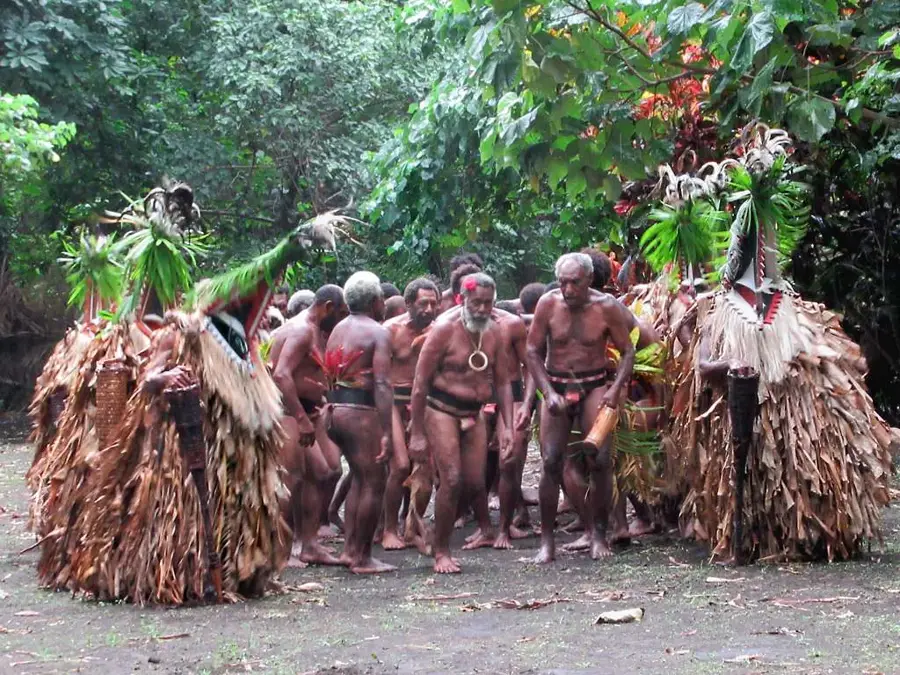
- Ask in advance if you can see or photograph elements of the Rom dance, as much of it is sacred.
- A local guide from the Ambrym region is mandatory to properly introduce you to the village.
🍽 Food
The staple food on Ambrym, often served at ceremonies and by host families.
A leafy green vegetable often cooked as a side dish to the starchy roots.
On Ambrym, Kava is brewed very strong. Consume it only if you are accustomed to its effects.
🛍 Shopping · 🧘 Quiet spots
Miniature versions or specific carvings of the famous masks are sometimes sold to visitors.
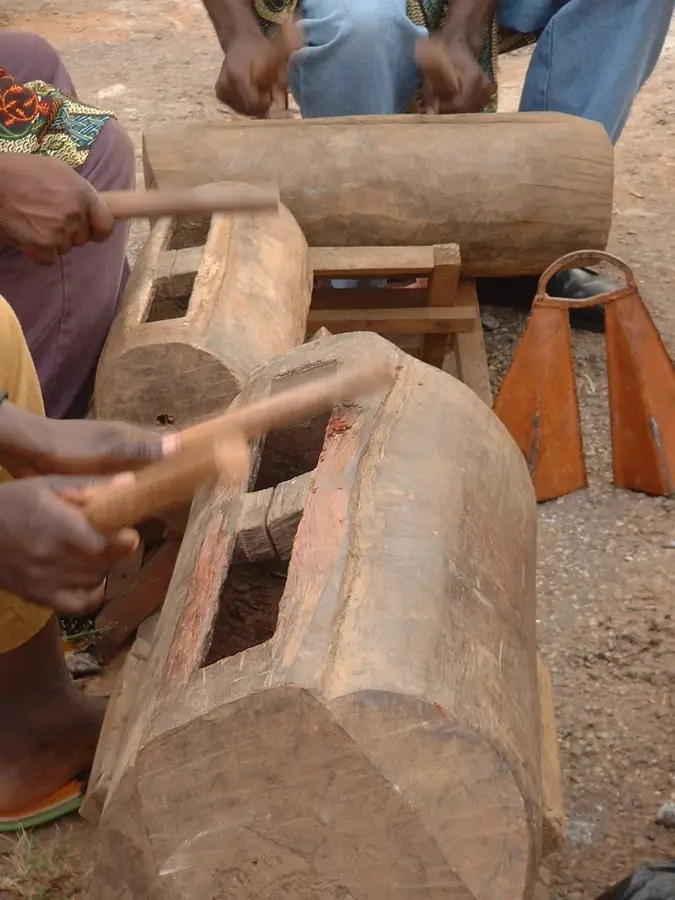
Small, intricately carved wooden drums that represent ancestral spirits.
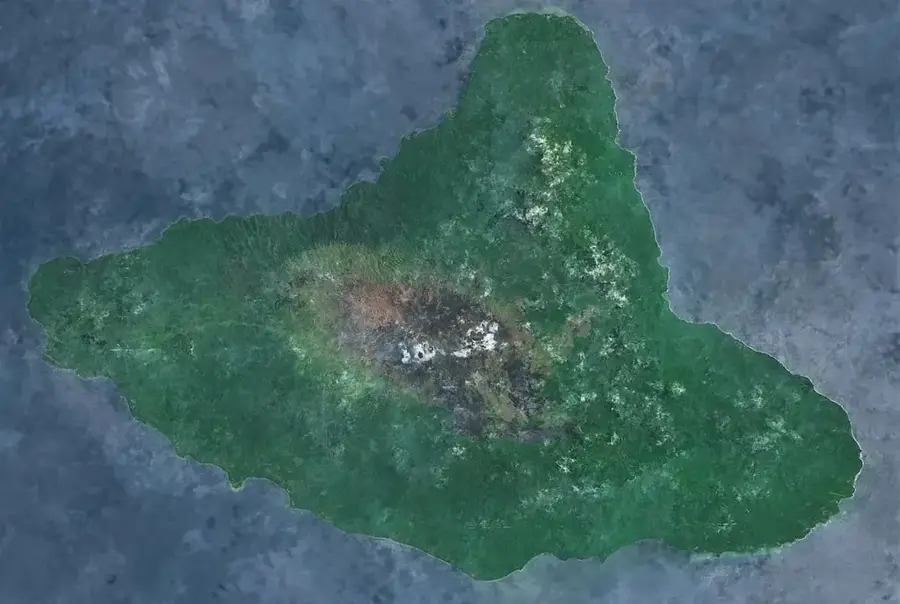
Walk on the surrounding trails to enjoy the dense vegetation of the volcanic island.
Although Fanla is inland, the nearby volcanic sand beaches are first-rate for quiet moments.
Water temperature…
Fanla Village, located on the island of Ambrym, is one of Vanuatu's oldest and most culturally significant 'Kastom' (custom) settlements. It is regarded as the spiritual heartland of the island's renowned woodcarving traditions and ritual performances, most notably the iconic Rom dance. The people of Fanla have steadfastly defended their traditional practices against external influences for centuries. Historically, the village was the seat of powerful chiefs, such as Chief Tofor, who was a pivotal figure in the preservation of Melanesian culture during the 20th century. The distinctive carvings made from tree-fern trunks, often representing ancestral spirits, are a hallmark of the village and are used during elaborate ceremonies on the sacred nasara grounds. Ambrym is often referred to as the 'Island of Magic,' and Fanla is central to the preservation of traditional knowledge regarding spiritual forces and customary law. The village layout and architecture strictly adhere to ancient rules, with houses constructed from local bamboo and thatch. A visit to Fanla provides profound insight into the complex cosmology of the islanders, which is intimately tied to the surrounding volcanic landscape. Today, it remains a premier destination for those seeking an authentic experience of Vanuatu's living history.
- Location: Vanuatu
- Nearby: Small Nambas Territory (78 km)
Best time to visit & climate
The most pleasant time to visit is Jul–Sep.
| Jan | Feb | Mar | Apr | May | Jun | Jul | Aug | Sep | Oct | Nov | Dec | |
|---|---|---|---|---|---|---|---|---|---|---|---|---|
| Avg °C | 28 | 28 | 28 | 27 | 26 | 26 | 25 | 25 | 25 | 26 | 26 | 27 |
| Rain mm | 227 | 220 | 247 | 249 | 147 | 131 | 88 | 79 | 88 | 132 | 145 | 165 |
Geography
Facts
- Fanla is widely considered the birthplace of the Rom dance.
- Chief Tofor, who passed away in 1999, was a key cultural guardian.
- Tree-fern carvings are integral to the 'Maki' grade-taking system.
- The village is located in the North Ambrym region.
- Rom masks are considered highly sacred and subject to taboos.
- The village maintains a traditional council of elders to govern.
Explore nearby
Notable places around


Route planner — Car & Motorhome
Where do you start? We build the route here, with stops and country notes along the way.
© OpenStreetMap contributors · OpenRouteService
Sights in the town Fanla Village (1)
Frequently asked questions
What characterizes Fanla?
How to get to Fanla?
Is photography allowed?
Can you stay overnight there?
Should I bring cash?
Fanla Village: where is it located?
Fanla Village: when is the best time to visit?
Fanla Village: why is it worth visiting?
Nearby cities
History & landmarks
Nature
More places