Plizio Visual Lab
South Malekula Seagrass
Weather…
Water temperature…
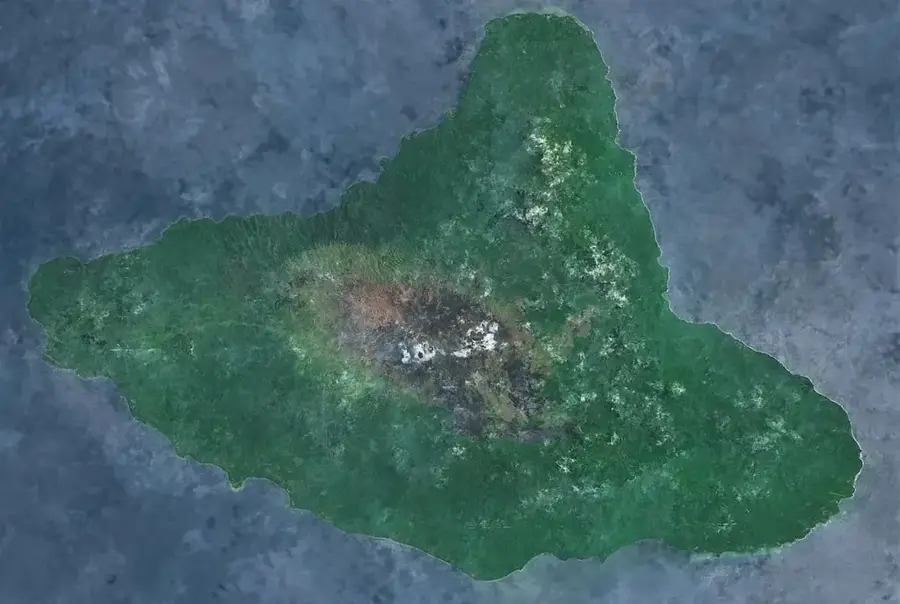
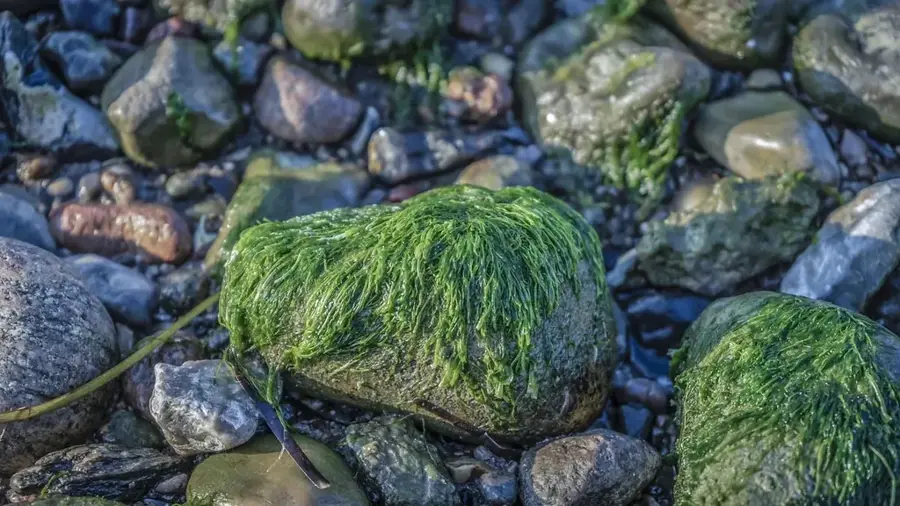
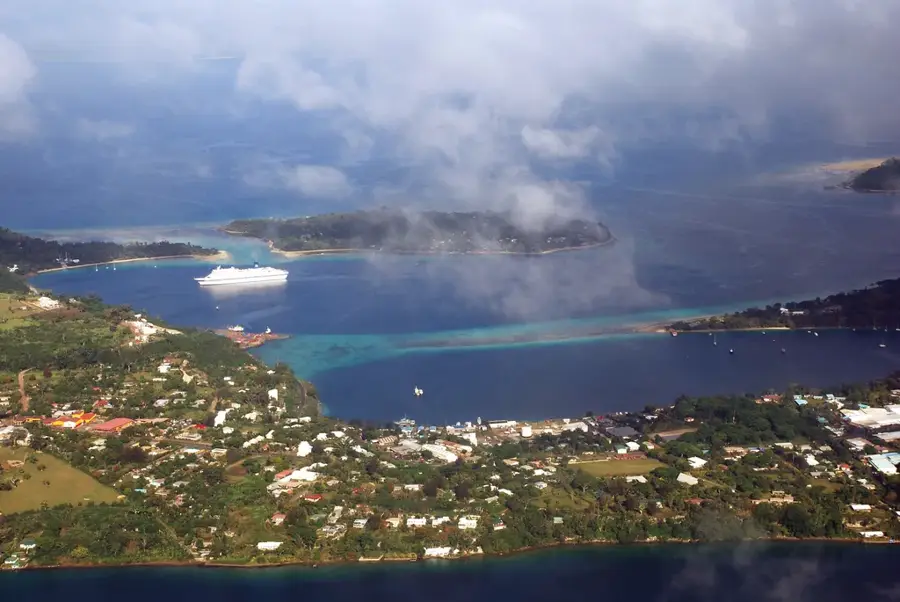
The seagrass meadows of South Malekula represent one of the most critical marine ecosystems within the Vanuatu archipelago. These extensive underwater fields provide a vital habitat and the primary food source for the region's vulnerable dugong population, often referred to as sea cows. In addition to dugongs, the meadows support numerous species of marine turtles, particularly the green sea turtle, which utilizes the area for foraging. The ecological stability of this region is intricately linked to the health of adjacent coral reefs and mangrove forests, which together form a natural defense against coastal erosion. Scientific research highlights that these seagrass areas are highly efficient at carbon sequestration, acting as significant 'blue carbon' sinks that help mitigate climate change. Local communities in Malekula are increasingly involved in community-based conservation efforts to reduce habitat destruction and protect the biodiversity that sustains local fisheries. Preserving these meadows is essential not only for marine life but also for the long-term environmental and economic resilience of the island's inhabitants.
- Location: Vanuatu
- Nearby: Small Nambas Territory (40 km)
Best time to visit & climate
The most pleasant time to visit is Jul–Sep.
| Jan | Feb | Mar | Apr | May | Jun | Jul | Aug | Sep | Oct | Nov | Dec | |
|---|---|---|---|---|---|---|---|---|---|---|---|---|
| Avg °C | 28 | 28 | 28 | 27 | 26 | 26 | 25 | 25 | 25 | 26 | 26 | 27 |
| Rain mm | 215 | 214 | 238 | 246 | 143 | 121 | 81 | 76 | 82 | 124 | 140 | 164 |
📋 Practical info
Geography
Facts
- Dugongs consume up to 40 kg of seagrass per day.
- Vanuatu hosts one of the largest dugong populations in Melanesia.
- Seagrass meadows sequester carbon at twice the rate of terrestrial forests.
- Over 60 fish species use these meadows as nursery grounds.
- The area covers several square kilometers of protected marine habitat.
- Traditional 'Tabu' zones help enforce local fishing restrictions.
Explore nearby
Notable places around


Route planner — Car & Motorhome
Where do you start? We build the route here, with stops and country notes along the way.
© OpenStreetMap contributors · OpenRouteService
Sights nearby
Frequently asked questions
Can the seagrass meadows be safely explored?
What animals can be observed here?
Do I need to book a guided tour?
Is the water very deep here?
Do we damage the plants while snorkeling?
South Malekula Seagrass: where is it located?
South Malekula Seagrass: when is the best time to visit?
South Malekula Seagrass: why is it worth visiting?
Nearby cities
History & landmarks
Nature
More places