Plizio Visual Lab
Mount Vulmat
Weather…
Water temperature…
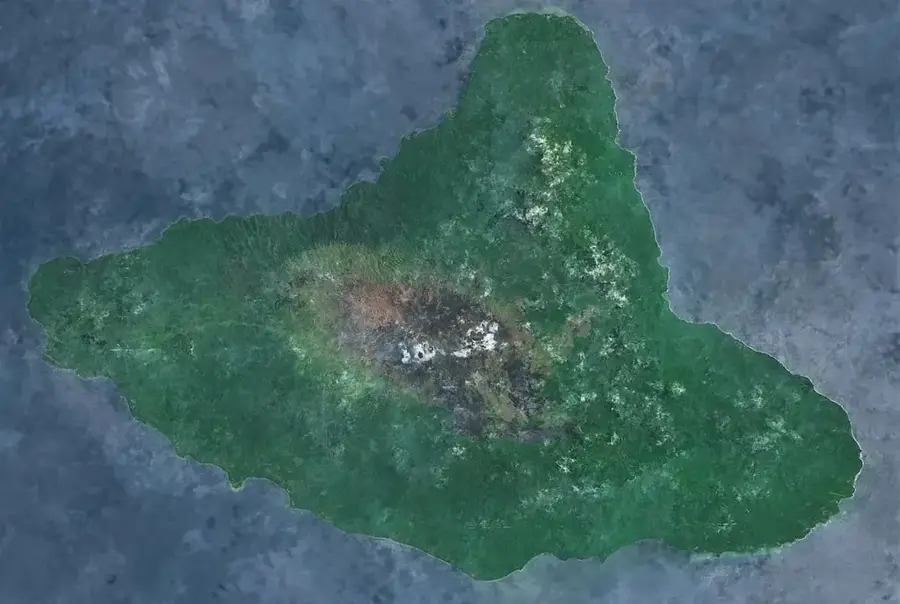
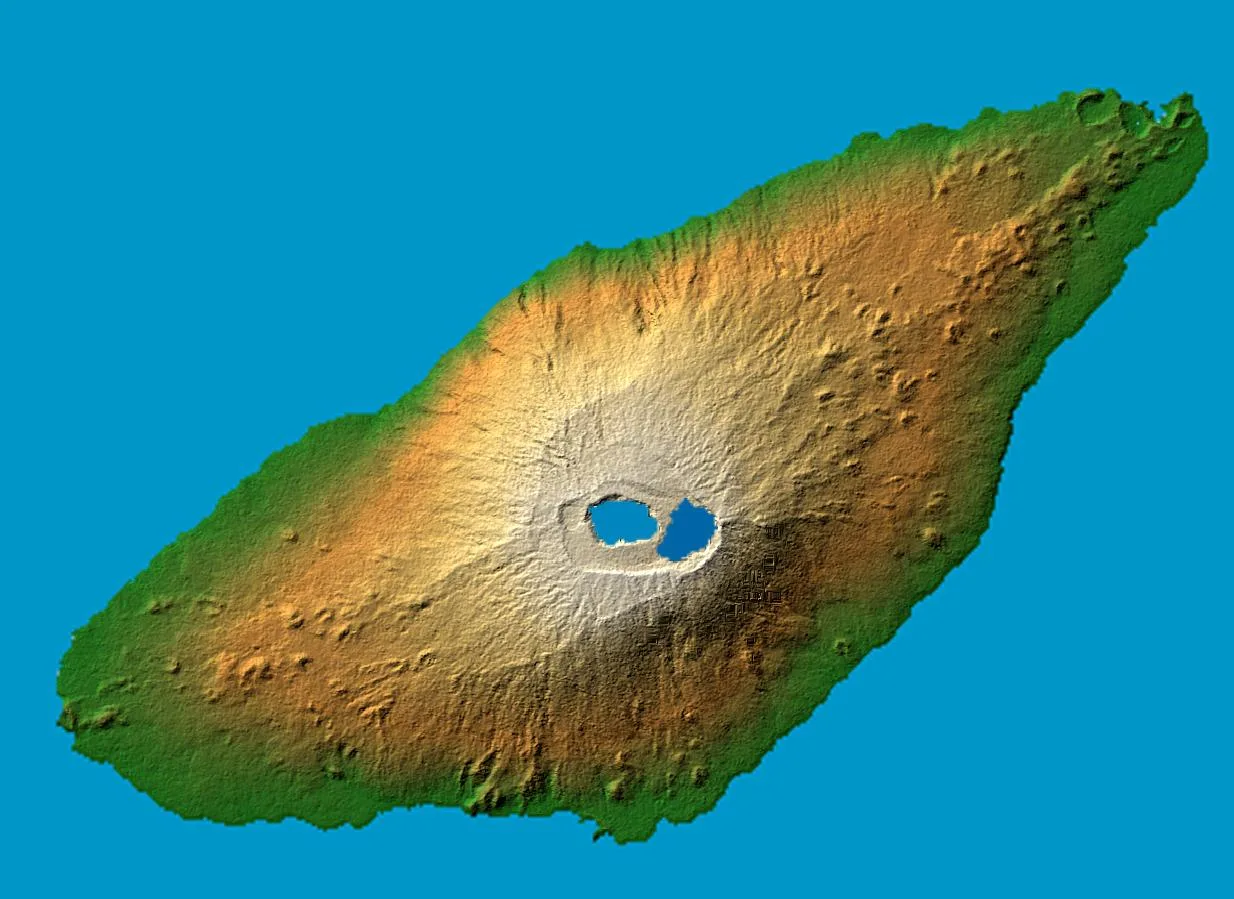
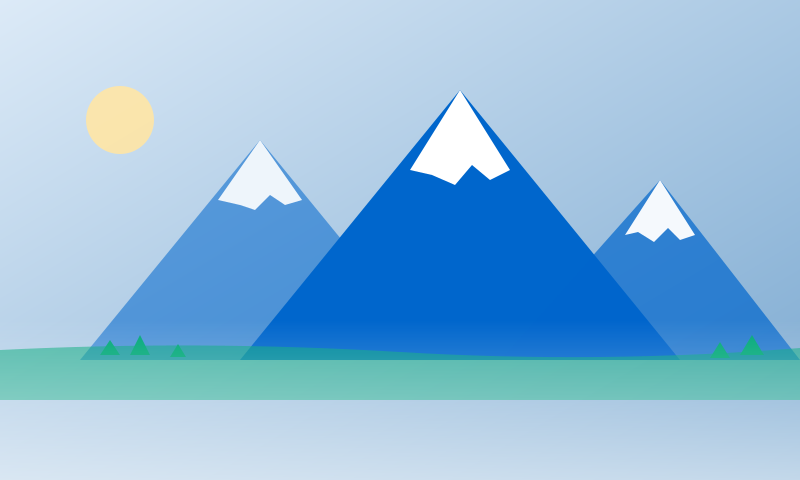
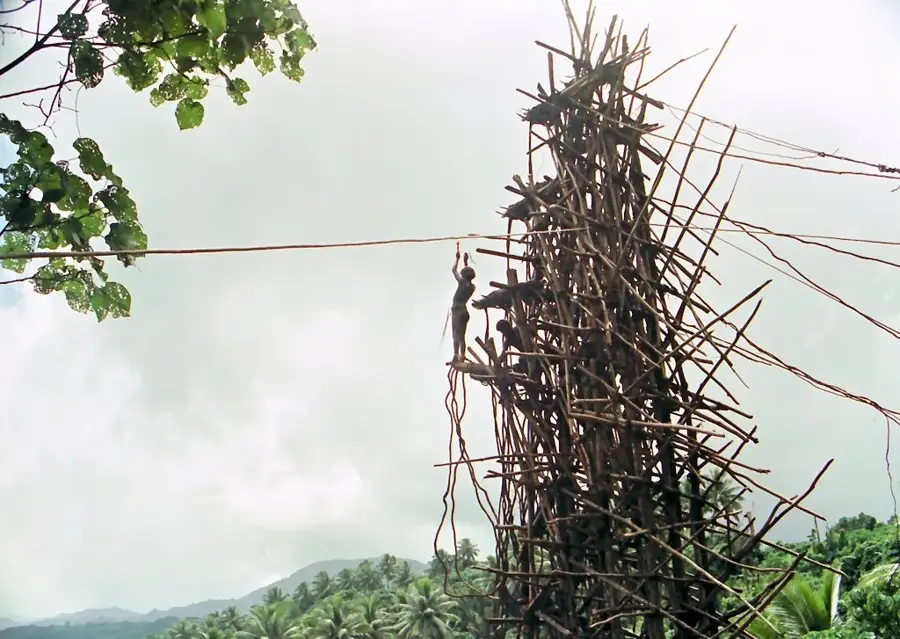
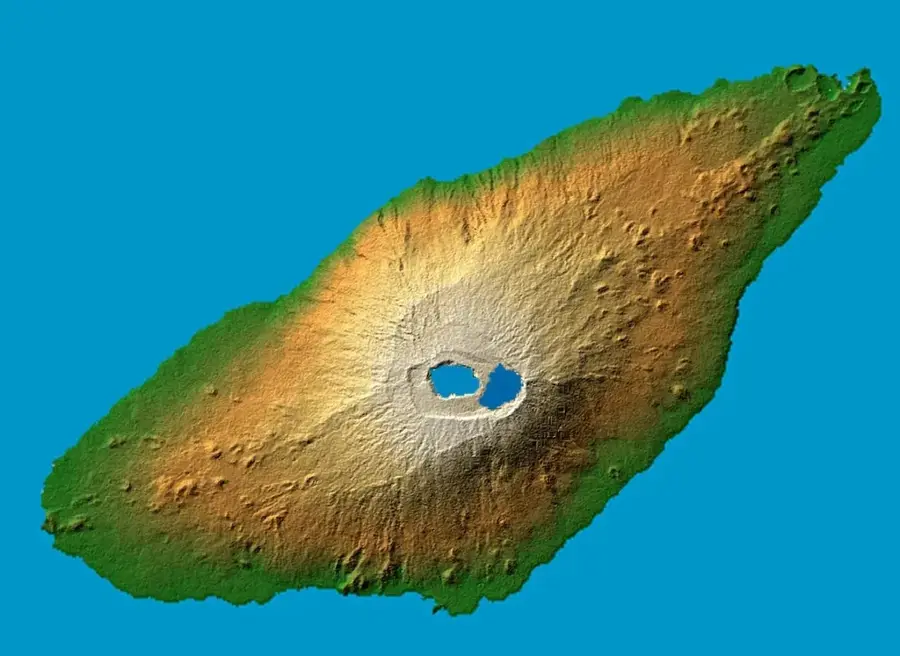
Mount Vulmat is one of the most significant elevations on Ambae island in Vanuatu, reaching a height of approximately 1,496 meters. The mountain is part of the massive Ambae shield volcano, which is considered one of the most dangerous and active volcanic systems in the country. The terrain surrounding Mount Vulmat is characterized by a harsh volcanic landscape, frequently featuring crater lakes and fumarolic fields. The region is of global geological interest, as the Ambae volcano regularly forces the evacuation of the entire island population, most recently in 2017 and 2018. The slopes of the mountain are covered with fertile volcanic ash, allowing for rapid regeneration of tropical flora once activity subsides. Due to its altitude, a moist microclimat prevails at the summit, favoring dense rainforests that are home to endemic birds like the Ambae monarch. The mountain also holds deep spiritual significance for the locals, who often associate it with ancestral spirits and traditional lore.
- Location: Vanuatu
- Nearby: Fanla Village (35 km)
Best time to visit & climate
The most pleasant time to visit is Jul–Sep.
| Jan | Feb | Mar | Apr | May | Jun | Jul | Aug | Sep | Oct | Nov | Dec | |
|---|---|---|---|---|---|---|---|---|---|---|---|---|
| Avg °C | 28 | 28 | 28 | 27 | 26 | 26 | 25 | 25 | 25 | 26 | 26 | 27 |
| Rain mm | 227 | 220 | 247 | 249 | 147 | 131 | 88 | 79 | 88 | 132 | 145 | 165 |
📋 Practical info
Geography
Facts
- Elevation of approx. 1,496 meters on Ambae island
- Part of the active Manaro volcanic complex
- Soil consists of extremely fertile volcanic ash
- Site of a total island evacuation in 2018
- Vital habitat for the endemic Ambae monarch bird
- Houses spectacular crater lakes in its vicinity
Explore nearby
Notable places around


Route planner — Car & Motorhome
Where do you start? We build the route here, with stops and country notes along the way.
© OpenStreetMap contributors · OpenRouteService
Sights in the town Mount Vulmat (1)
Sights nearby
Frequently asked questions
Is Vulmat known for tourism?
How are the accommodations?
Is the ascent difficult?
Is there water?
Is it safe?
Mount Vulmat: where is it located?
Mount Vulmat: when is the best time to visit?
Mount Vulmat: why is it worth visiting?
Nearby cities
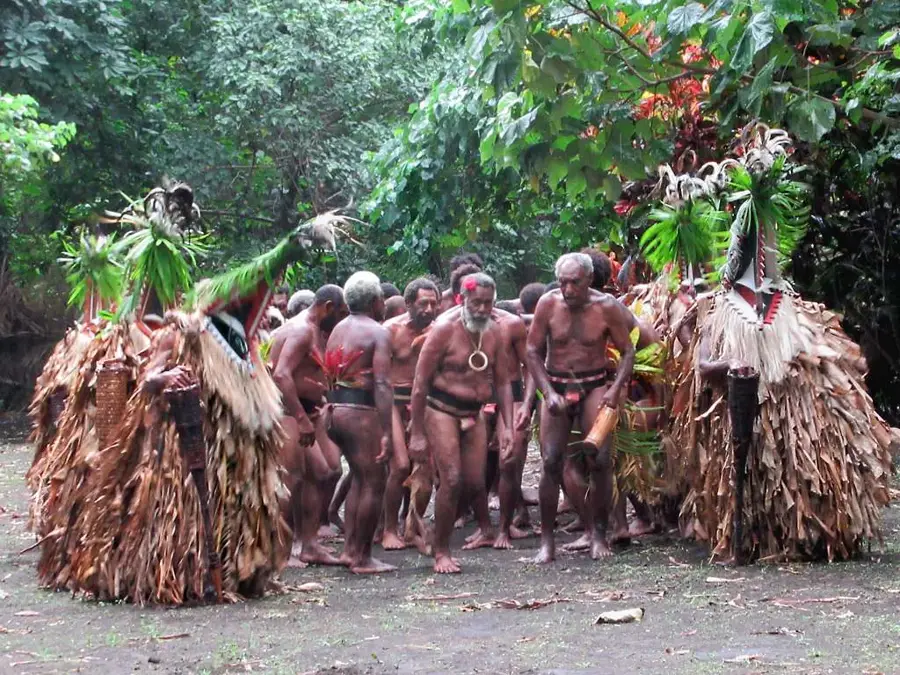
History & landmarks
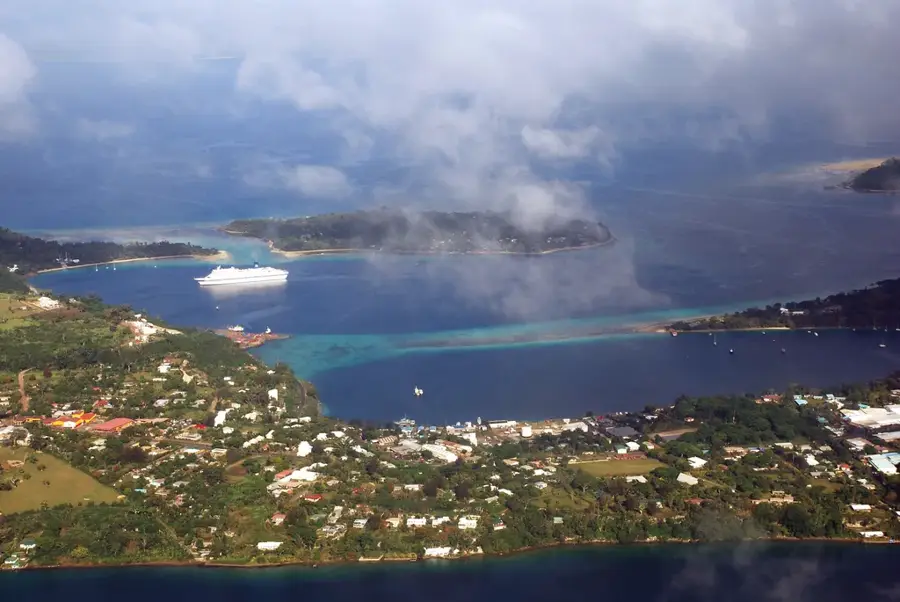
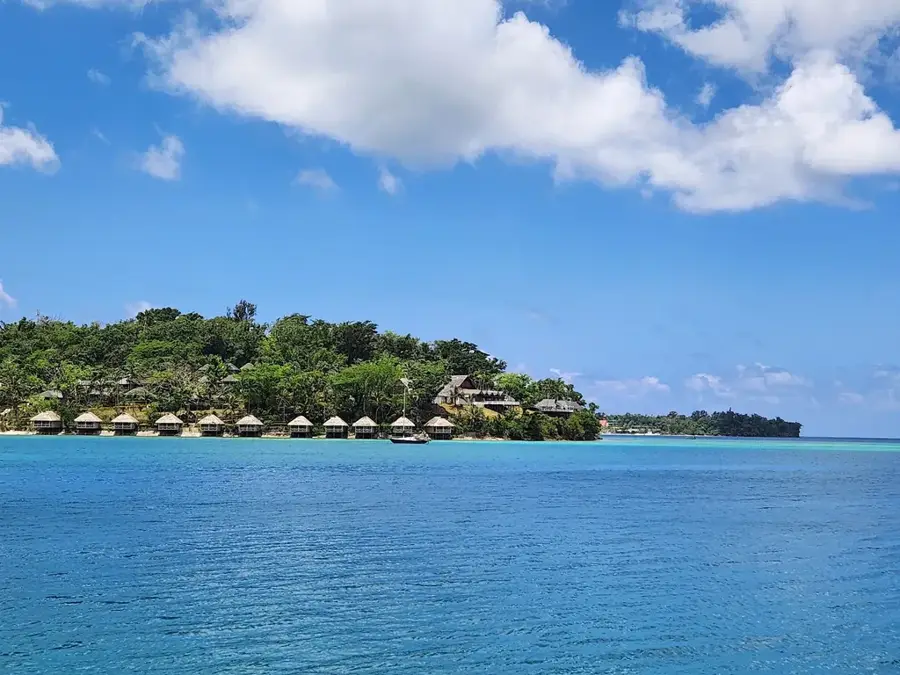
Nature
More places