Plizio Visual Lab

Poltava Battlefield
Plizio editorial teamData Sources
battlefield
—°3
Poltava Battlefield (Ukraine)

Weather…

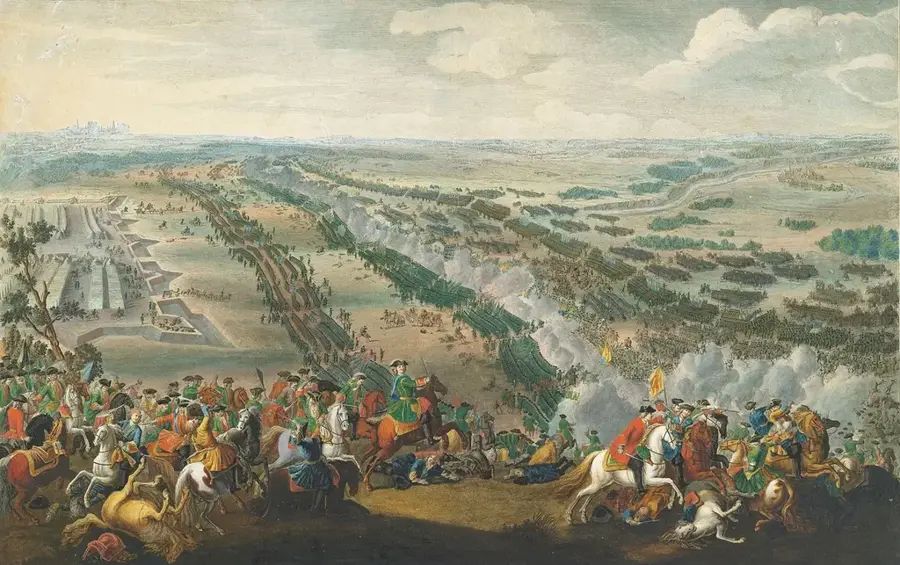
The Poltava Battlefield is the site of one of the most consequential military engagements in European history. On June 27, 1709, the forces of Tsar Peter the Great clashed with the Swedish army of King Charles XII. This battle served as the decisive turning point of the Great Northern War, ending Sweden's era as a dominant European power and heralding the rise of the Russian Empire. The conflict also involved Ukrainian Cossacks led by Hetman Ivan Mazepa, who allied with the Swedes in hopes of securing independence. Today, the State Historical and Cultural Preserve encompasses a large territory featuring monuments, reconstructed redoubts, and a museum documenting the battle's strategic maneuvers. Key landmarks include the Monument to Peter I, the Swedish Cross, and the mass graves of the fallen soldiers. The battlefield remains a profound symbol of the geopolitical shifts that reshaped Eastern Europe for centuries to come.

Best time to visit & climate

The most pleasant time to visit is Jun–Aug.

JanFebMarAprMayJunJulAugSepOctNovDec
Avg °C-6-519162023231692-3
Rain mm493845356068643850474148

📋 Practical info

🚪
Visiting
This expansive historical site consists of sprawling outdoor landscapes where the monumental 1709 battle took place, alongside dedicated memorial markers and an indoor museum. Visitors can generally explore the fields freely.
🕒
Typical hours
The open battlefield landscape itself is typically accessible year-round from dawn until dusk. However, the related museum facilities and formal visitor centers generally adhere to regular daytime business hours, often closing on Mondays.
📷
Photography
Capturing the vastness of the fields and the various historic monuments is an excellent way to document your visit. When touring the indoor exhibits, be prepared for possible restrictions on flash photography to preserve delicate items.
⏱️
Time needed
To fully appreciate the scale of the Great Northern War turning point, plan for at least a two-to-three hour visit. This allows enough time to wander the markers, read the informational plaques, and browse the museum collections.
Combine with
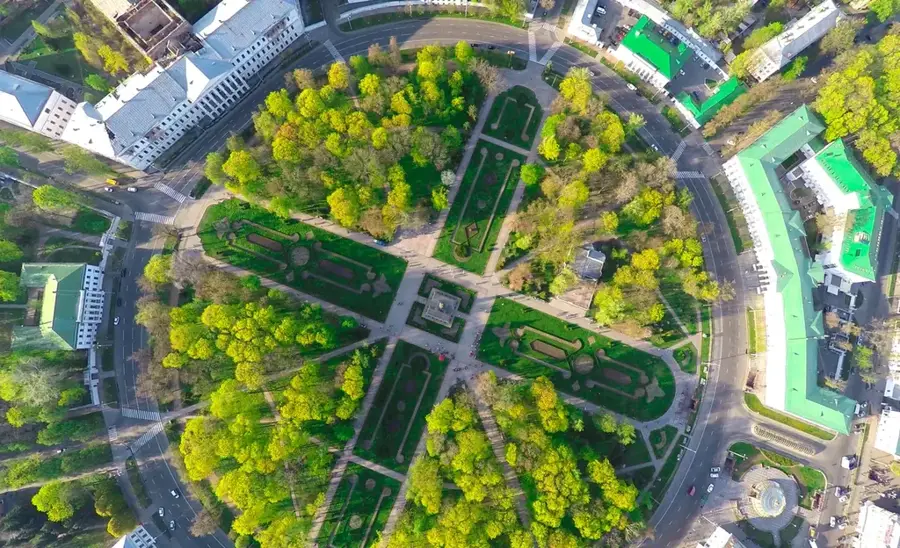
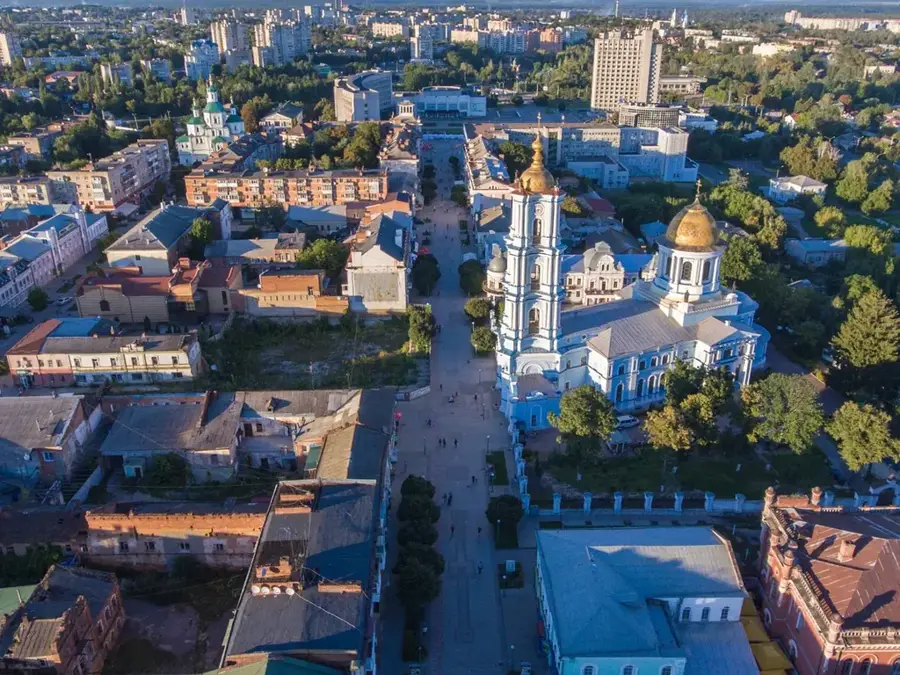
A trip to the battlefield naturally complements a broader exploration of the city of Poltava. Consider visiting the architectural ensemble of the Round Square to see how the city developed following these historical events.
🧭
Getting there
The historic area is located slightly outside the modern city center, making a short taxi ride or local public transport the most efficient way to arrive. Ample parking is generally available for those traveling with their own vehicles.
💡
Insider tip
Given the vast, exposed nature of the terrain, proper footwear and weather-appropriate clothing are highly recommended. Hiring an expert local guide can also dramatically enhance the experience by bringing the troop movements to life.

Geography

Coordinates
49.62920, 34.55110

Facts

  • The battle occurred on June 27 (July 8), 1709.
  • Forces involved: roughly 42,000 Russians vs. 24,000 Swedes.
  • Signaled the end of the Swedish Empire's great power status.
  • The historical preserve was established in 1909.
  • Features 10 reconstructed earthwork fortifications called redoubts.
  • Hetman Ivan Mazepa went into exile in the Ottoman Empire after the defeat.

Explore nearby

Notable places around
Route planner — Car & Motorhome

Where do you start? We build the route here, with stops and country notes along the way.

Vehicle
Only stops with (optional):

© OpenStreetMap contributors · OpenRouteService

Sights in the town Poltava Battlefield (3)

stump

Stump, a notable remnant of an old tree on the battlefield.

Park monument of landscape art "Poltavs'kyi mis`kyi"🌳 park

Park-monument of landscape art, a protected green area in Poltava.

Sights nearby

Frequently asked questions

What happened on the Poltava battlefield?
Here Peter the Great defeated Swedish King Charles XII in 1709, deciding the Great Northern War.
Is there a museum on site?
Yes, the State Museum 'Battle of Poltava' displays historical weapons and documents.
Are the facilities accessible?
The museum is partially accessible; the outdoor memorial sites are partly on uneven terrain.
Is photography allowed on the grounds?
Photography is allowed outdoors; a small fee is often required inside the museum.
How much time should be planned for the visit?
Plan about 2 to 3 hours to see the museum and the monuments.
Poltava Battlefield: where is it located?
Poltava Battlefield is located in Ukraine.
Poltava Battlefield: what is there to see?
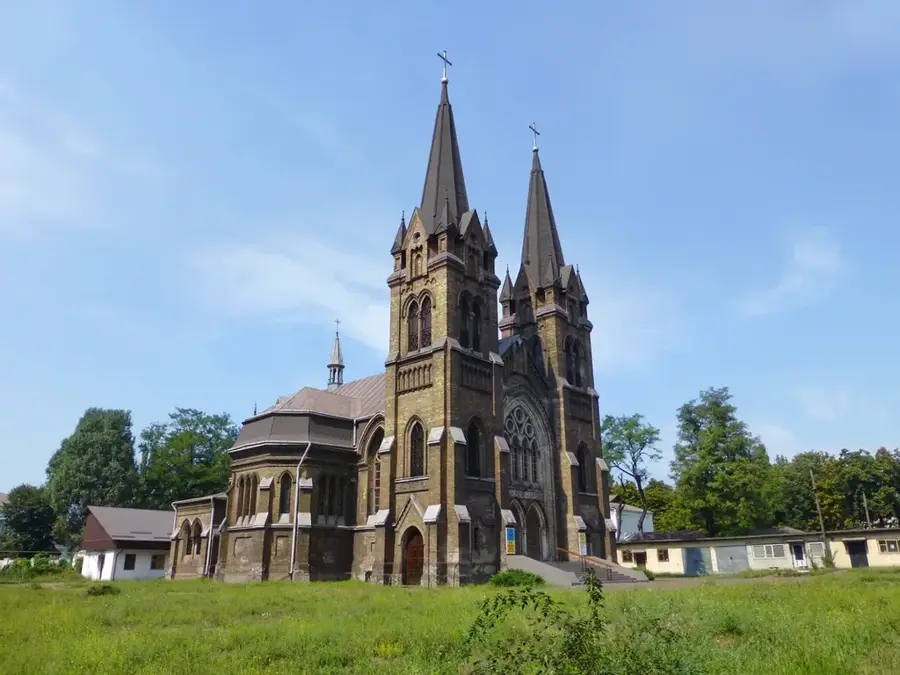
Highlights include Sampsoniivska church, stump, Park monument of landscape art "Poltavs'kyi mis`kyi".
Poltava Battlefield: when is the best time to visit?
The most pleasant time to visit is Jun, Aug.
Poltava Battlefield: why is it worth visiting?

The Poltava Battlefield is the site of one of the most consequential military engagements in European history.
View on map → The Top 50 Attractions → OpenStreetMap →
Europe
Explore with Plizio Discover more places in Europe
More places in Ukraine →

Nearby cities

History & landmarks