Plizio Visual Lab
Hadiach
ℹ️Practical info — Hadiach
▾
🌤 Weather — 5 days
📍 Nearby
Sights nearby
💡 Tips
- Hadiach is a major pilgrimage site for Hasidic Jews visiting the grave of Shneur Zalman of Liadi; the area around the Ohel is especially busy during Jewish holidays.
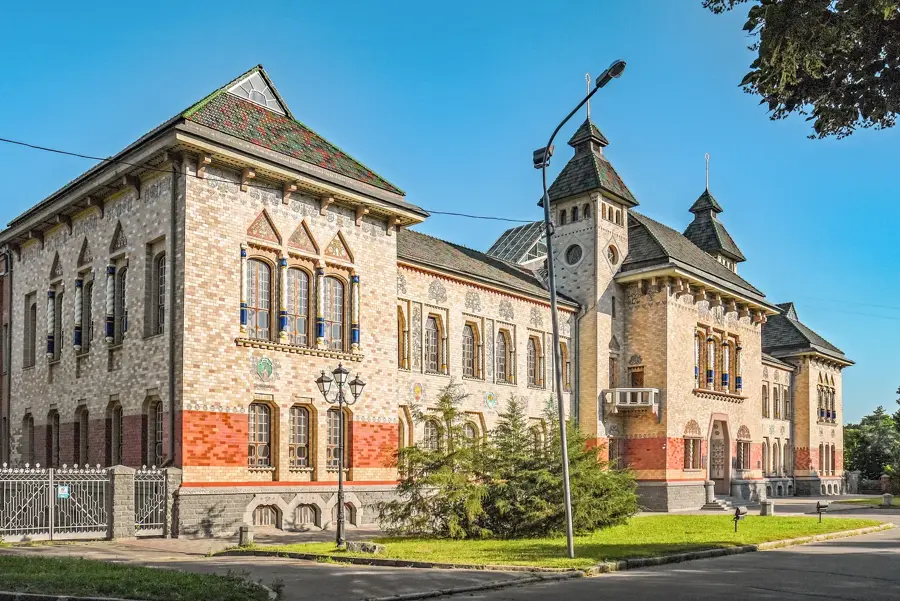
- The city has a rich Cossack history; check out the local history museum to learn about its time as a Hetman capital.
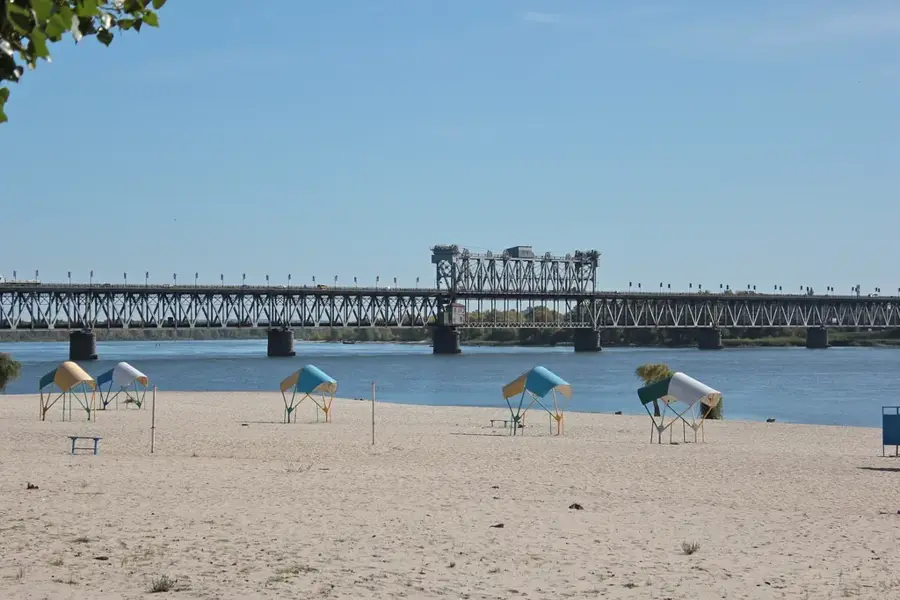
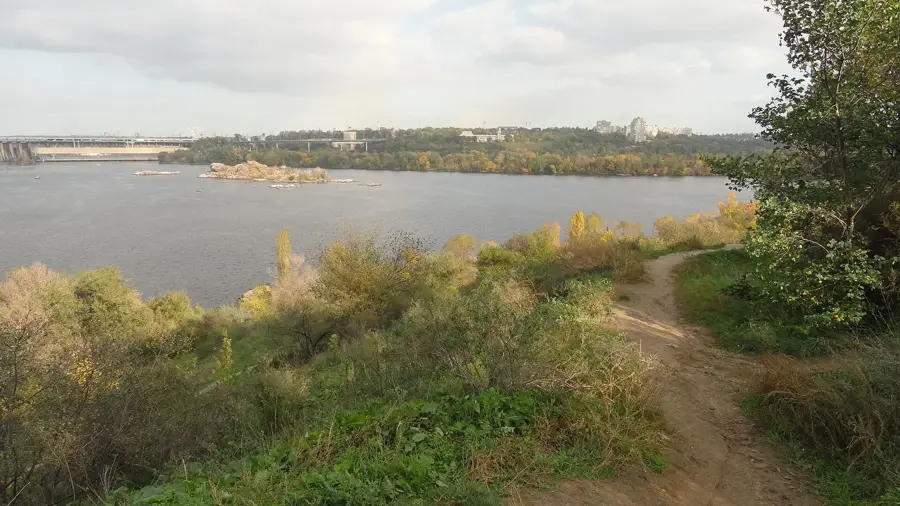
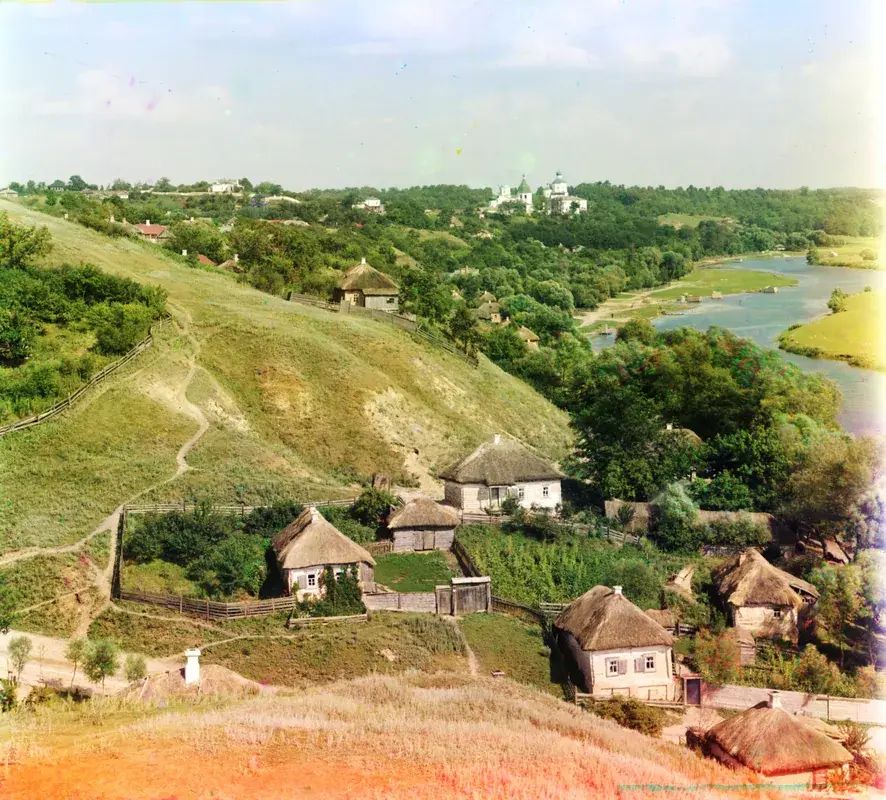
- The landscape around the Psel River is beautiful; consider renting a boat or just walking along the banks in summer.
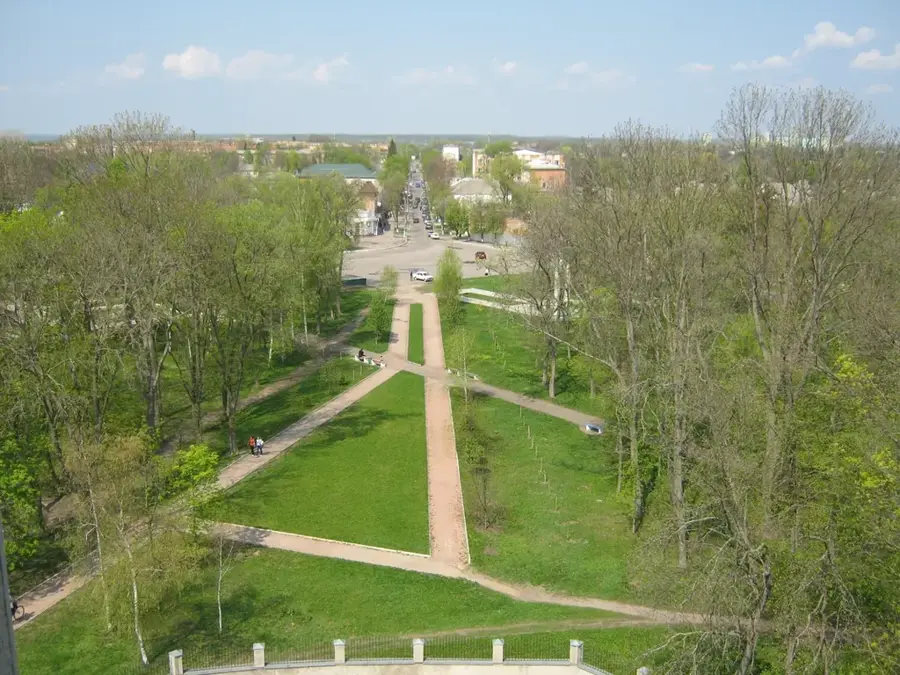
- The city center has some hilly streets, so wear comfortable walking shoes when exploring the historic sights.
🍽 Food
A regional specialty of thick, soft dumplings served with meat, mushrooms, or garlic sauce.
The Poltava region is known for this unique, slightly sweet and sour variation of the classic soup.
Near the pilgrimage areas, you might find traditional kosher pastries and breads.
🛍 Shopping · 🧘 Quiet spots
Traditional shirts (vyshyvanka) and towels from the region are famous for their unique, intricate patterns.
Judaica and related religious items can be found in shops near the Ohel.
A serene natural area excellent for a quiet afternoon stroll or a picnic by the water.
Provides calm walking trails through nature just outside the city's built-up center.
Water temperature…
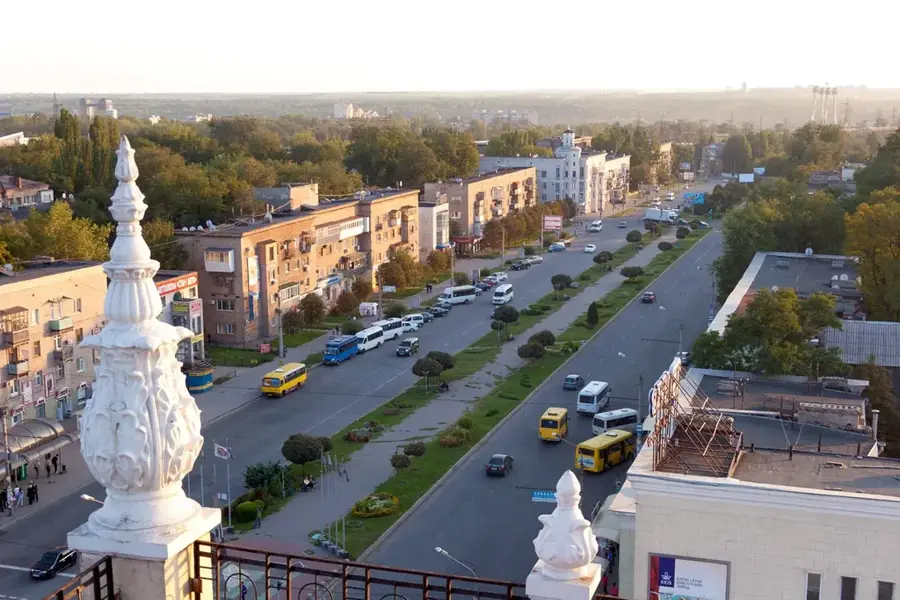
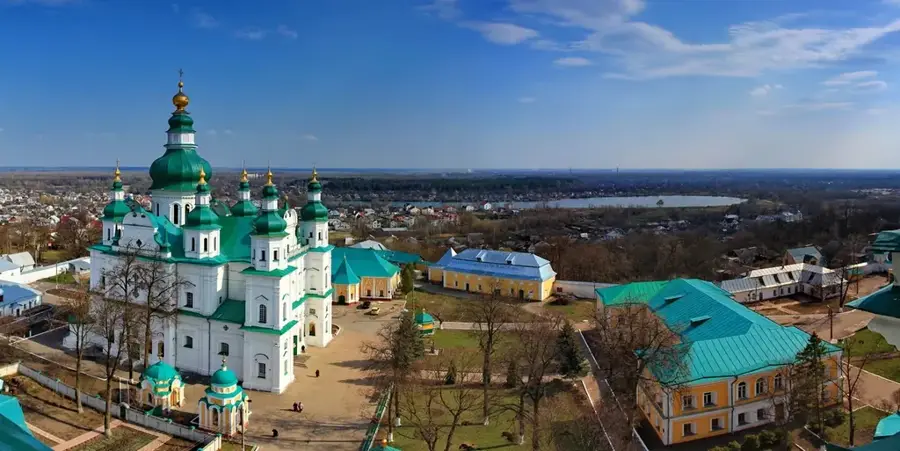
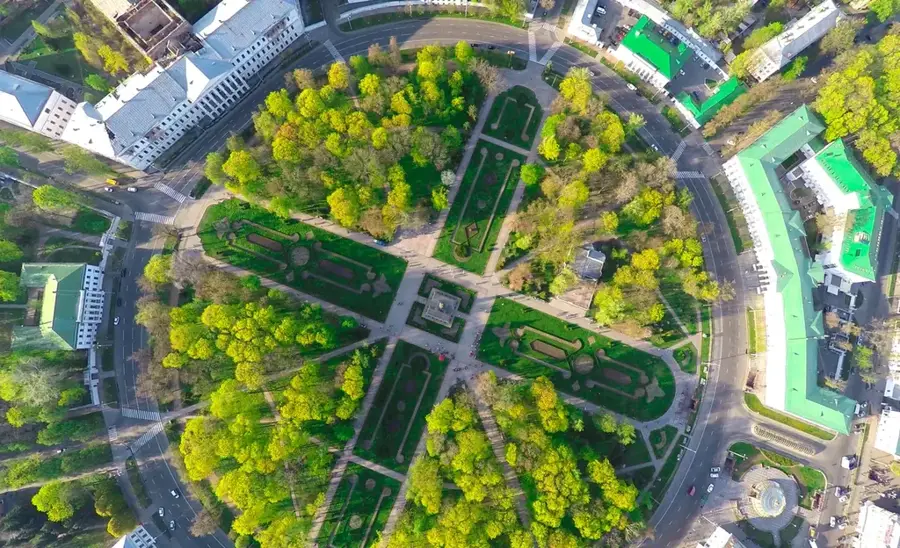
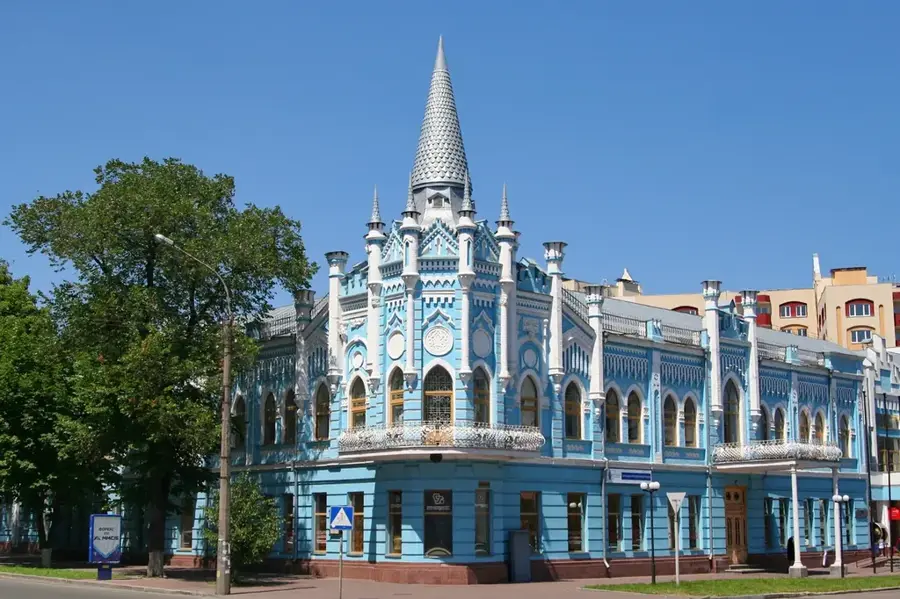
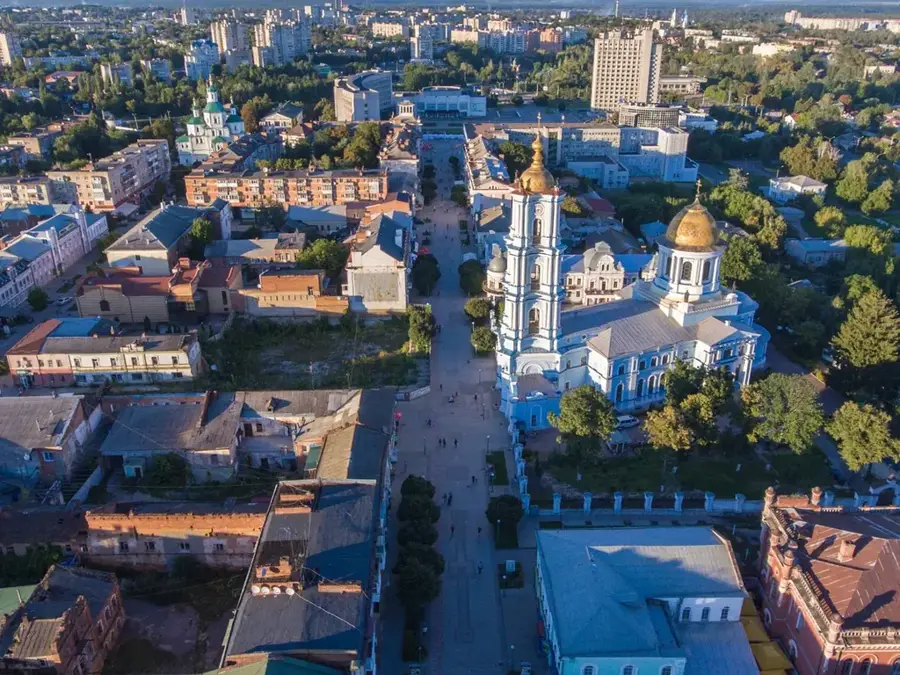
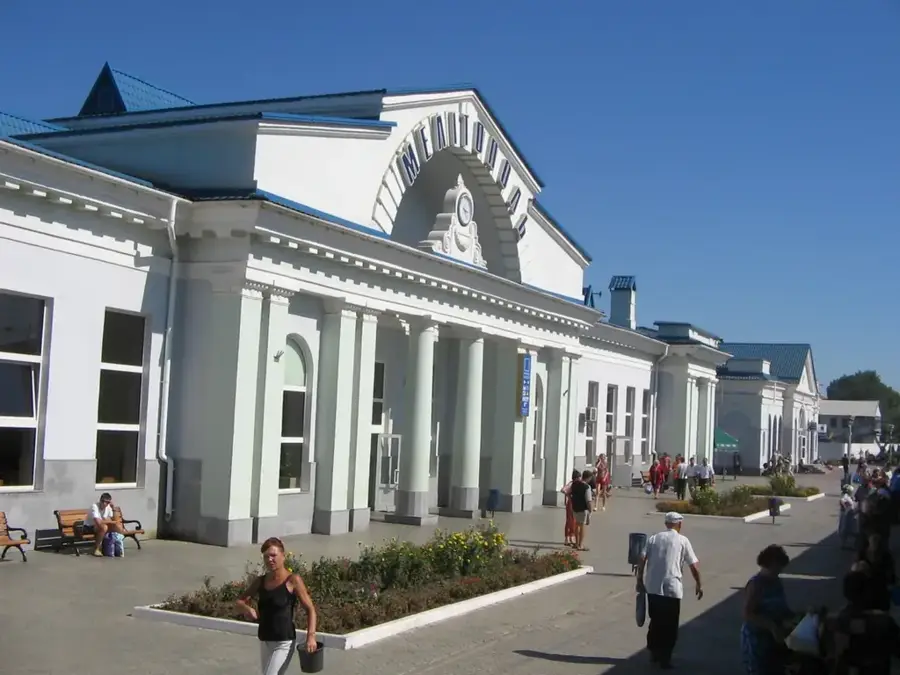
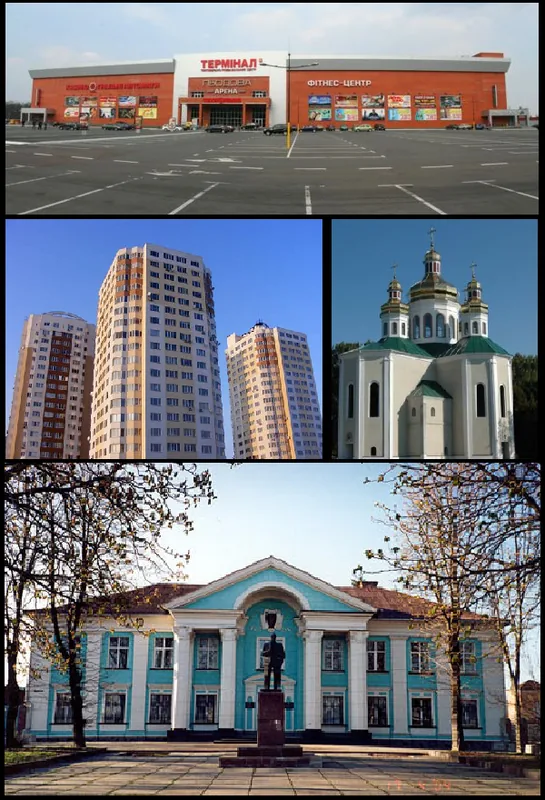
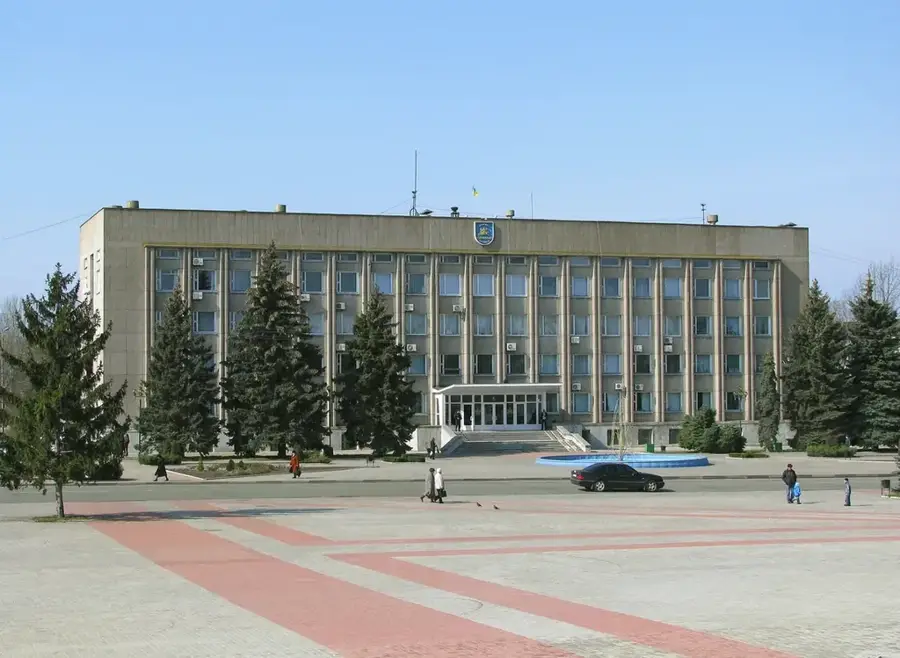
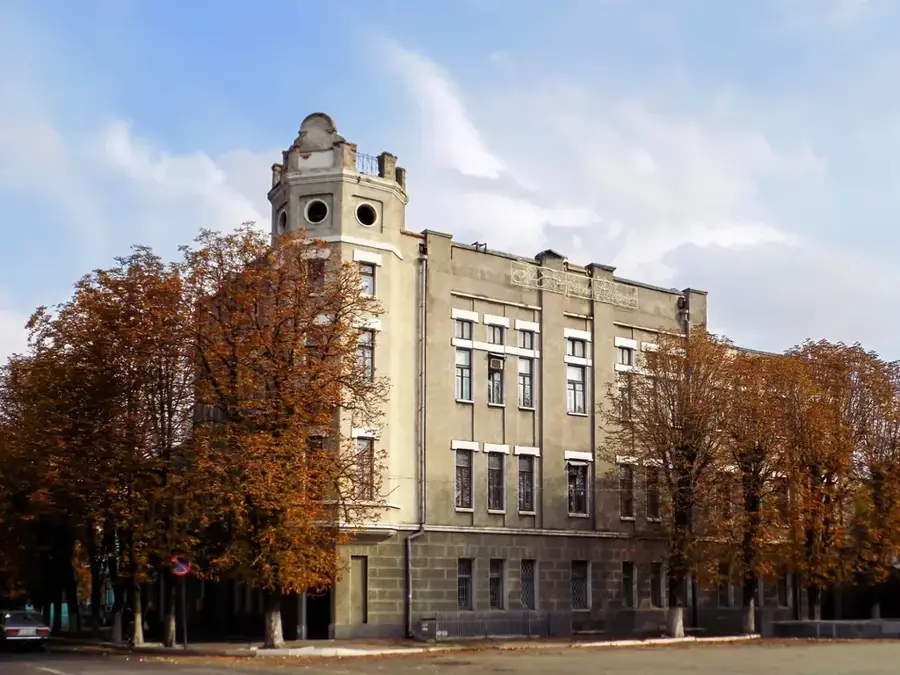
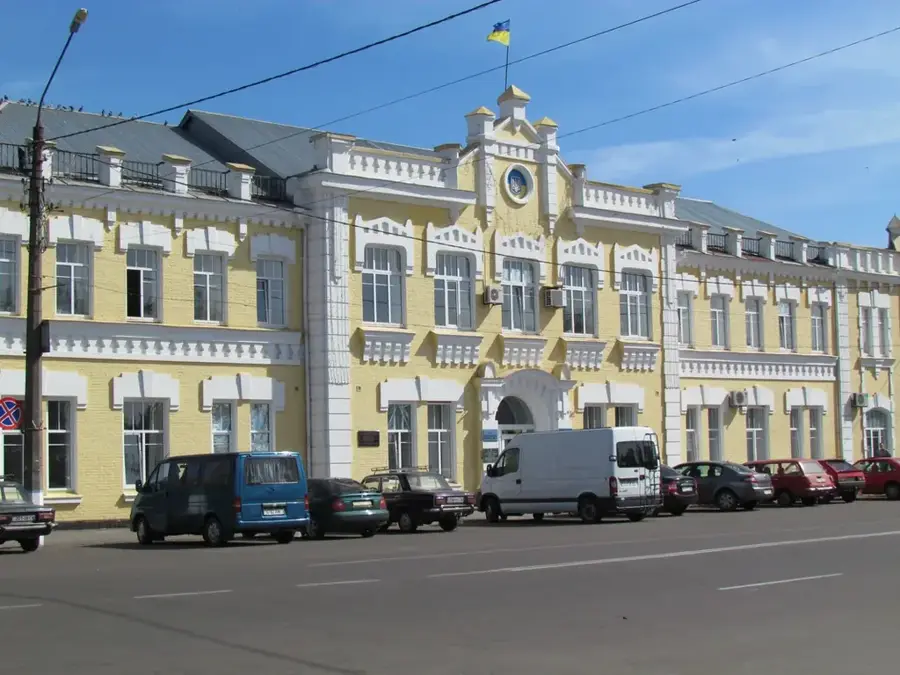
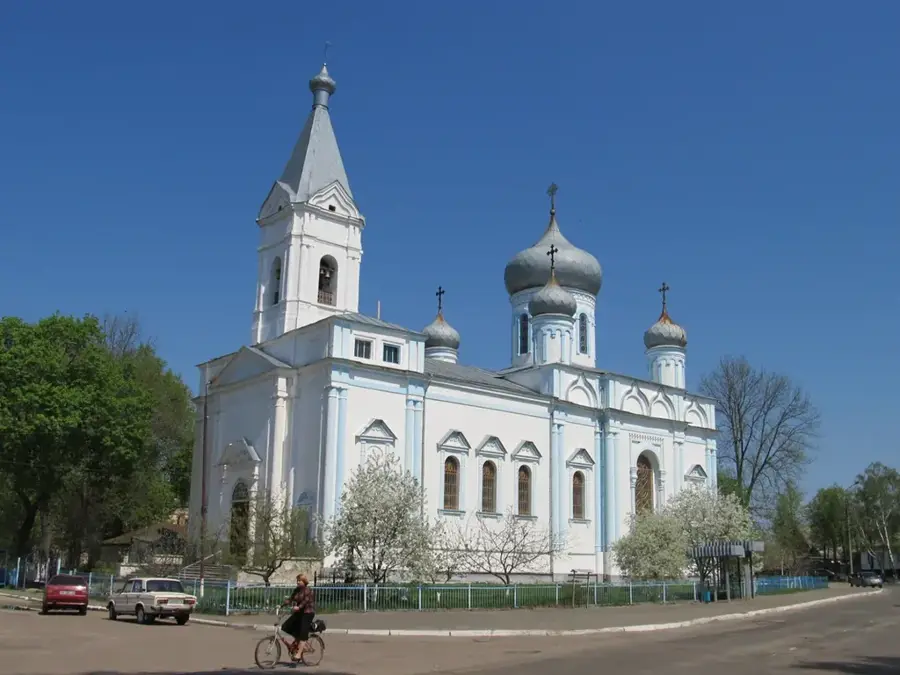
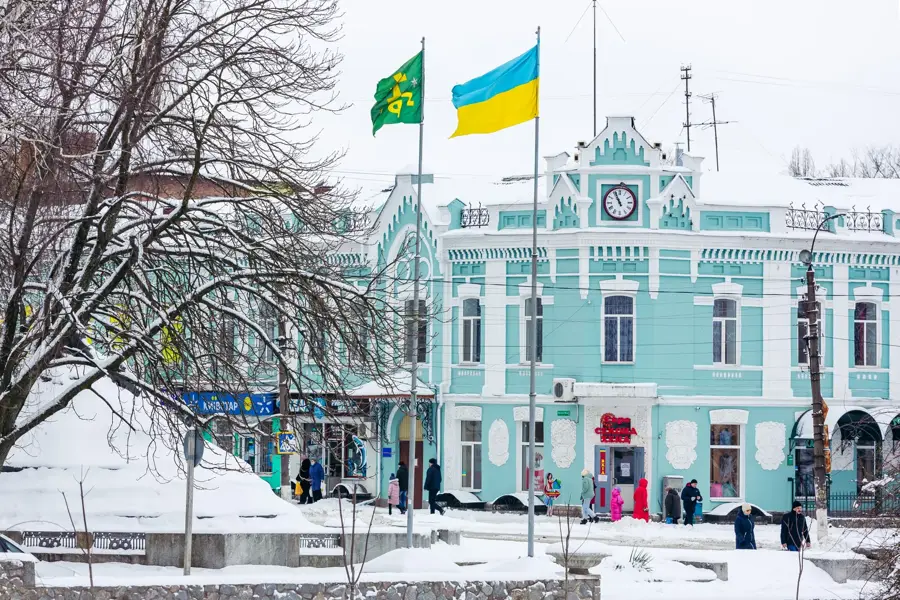
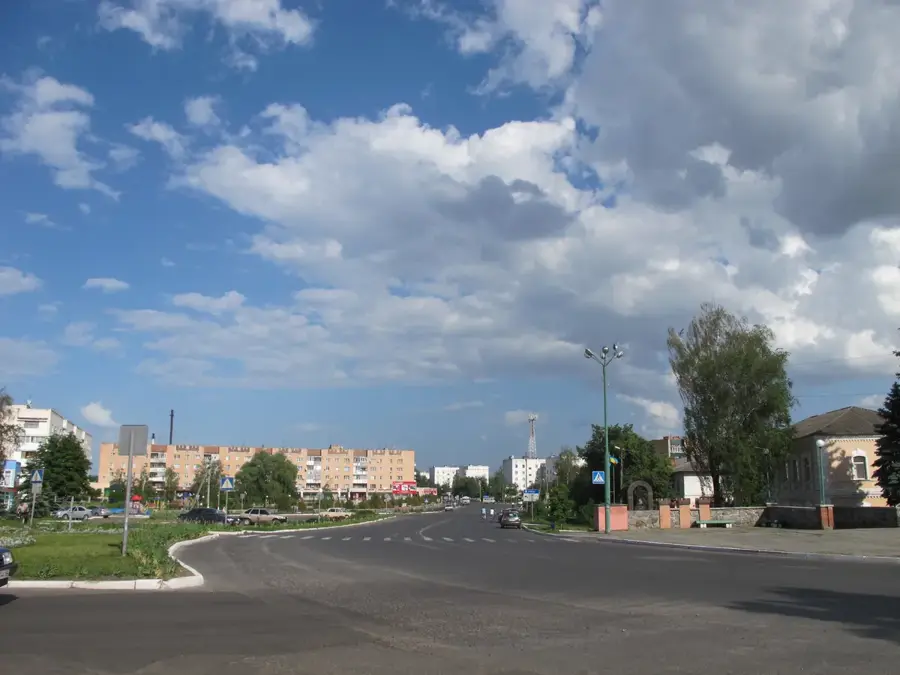
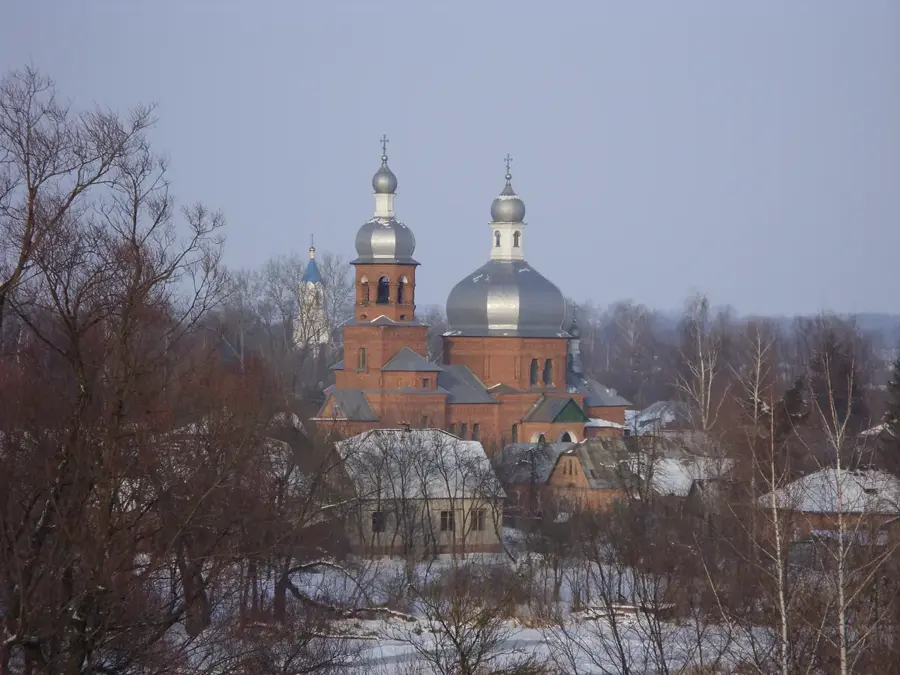
Hadiach is a historic city situated on the banks of the Psel River in the Poltava Oblast of central Ukraine. First mentioned in historical records in 1634, it rose to prominence during the Cossack Hetmanate as a strategic administrative and military center, occasionally serving as the residence of the hetmans. In 1658, the significant Treaty of Hadiach was signed here, which aimed to transform the Polish-Lithuanian Commonwealth into a tripartite state including the Duchy of Ruthenia. The city is also a major site of pilgrimage for Hasidic Jews, as it contains the burial place of Shneur Zalman of Liadi, the founder of the Chabad-Lubavitch movement. Economically, Hadiach developed as a hub for the food industry and agricultural processing, particularly known for its high-quality cheese production. Despite its relatively small population, the city preserves a rich architectural heritage and maintains its role as a regional cultural focal point. The city's historical importance is complemented by its natural setting, making it a unique destination that blends history, religion, and industry.
- Location: Ukraine
- Nearby: Myrhorod (56 km)
- Population: ~23.480
Best time to visit & climate
The most pleasant time to visit is Jun–Aug.
| Jan | Feb | Mar | Apr | May | Jun | Jul | Aug | Sep | Oct | Nov | Dec | |
|---|---|---|---|---|---|---|---|---|---|---|---|---|
| Avg °C | -7 | -6 | 0 | 8 | 15 | 19 | 22 | 22 | 15 | 8 | 1 | -4 |
| Rain mm | 50 | 41 | 46 | 35 | 62 | 68 | 66 | 37 | 47 | 48 | 44 | 52 |
Geography
Facts
- First mentioned in historical records in 1634.
- Site of the signing of the Treaty of Hadiach in 1658.
- Contains the burial place of Chabad founder Shneur Zalman of Liadi.
- Located on the scenic banks of the Psel River.
- Served as a residence for Ukrainian hetmans in the 17th century.
- Well-known for its regional cheese production and food processing plants.
Explore nearby
Notable places around
Route planner — Car & Motorhome
Where do you start? We build the route here, with stops and country notes along the way.
© OpenStreetMap contributors · OpenRouteService
Frequently asked questions
Why is Hadiach important for Hasidism?
What role did the city play in the Cossack era?
What is the Treaty of Hadiach?
Are there museums in the city?
Is it worth a visit for pilgrims?
Hadiach: where is it located?
Hadiach: when is the best time to visit?
Hadiach: why is it worth visiting?

Nearby cities