Plizio Visual Lab
Burshtyn
ℹ️Practical info — Burshtyn
▾
🌤 Weather — 5 days
📍 Nearby
Sights nearby
💡 Tips
- The Burshtyn Reservoir is warmed by the power plant and rarely freezes in winter, making it excellent for bird watching.
- The city is largely industrial; focus your recreational time on the lake area.
- Public transport is limited, but the town center is easily walkable.
- The morning market is the best place to get an authentic glimpse of everyday local life.
🍽 Food
Traditional Ukrainian filled dumplings served in local cafes.
Look for fish dishes in the eateries near the reservoir.
Classic Ukrainian beet soup, a staple on any local restaurant menu.
🛍 Shopping · 🧘 Quiet spots
Find fresh seasonal vegetables, homemade cheese, and everyday goods.
For general supplies, the town center has standard Ukrainian grocery stores.
A vast body of water, great for a peaceful walk or fishing.
A quiet green space in the center for a short rest.
Water temperature…
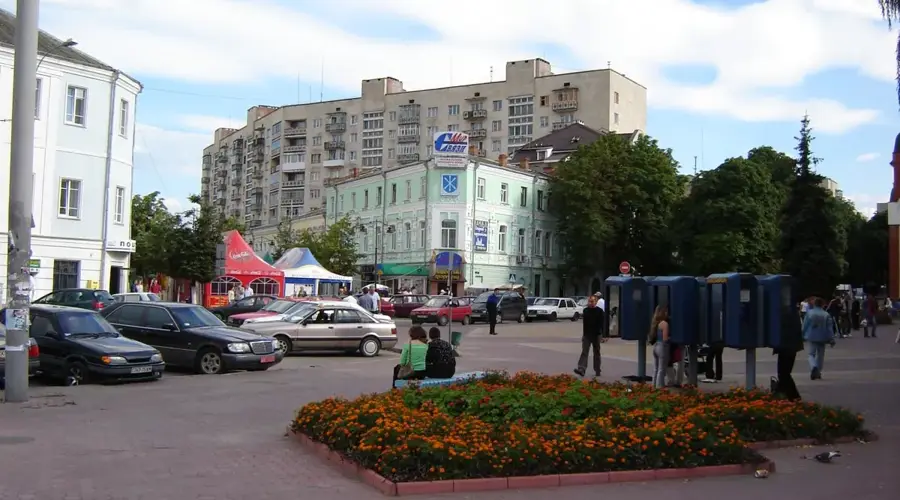
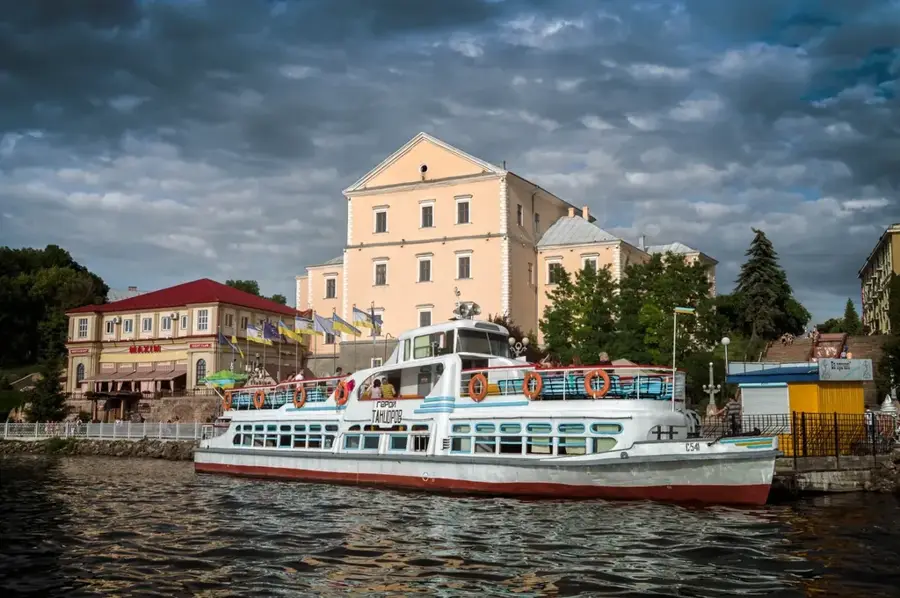
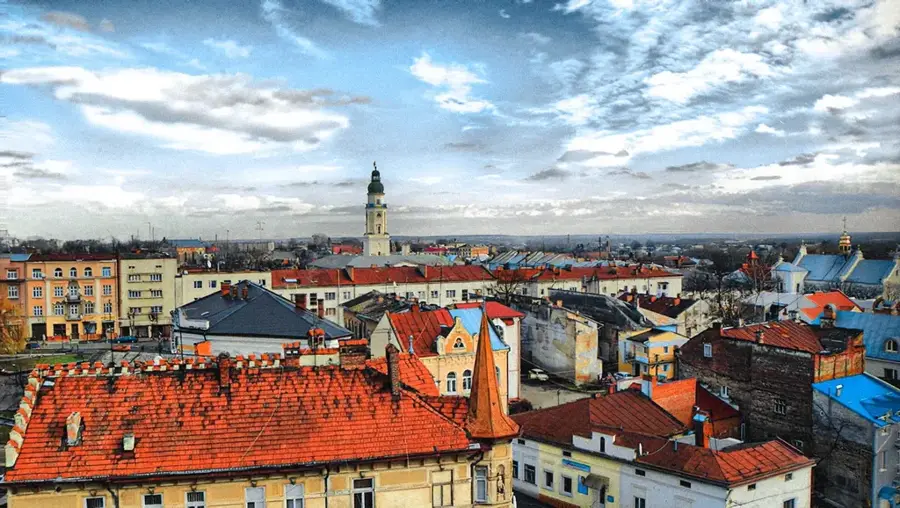
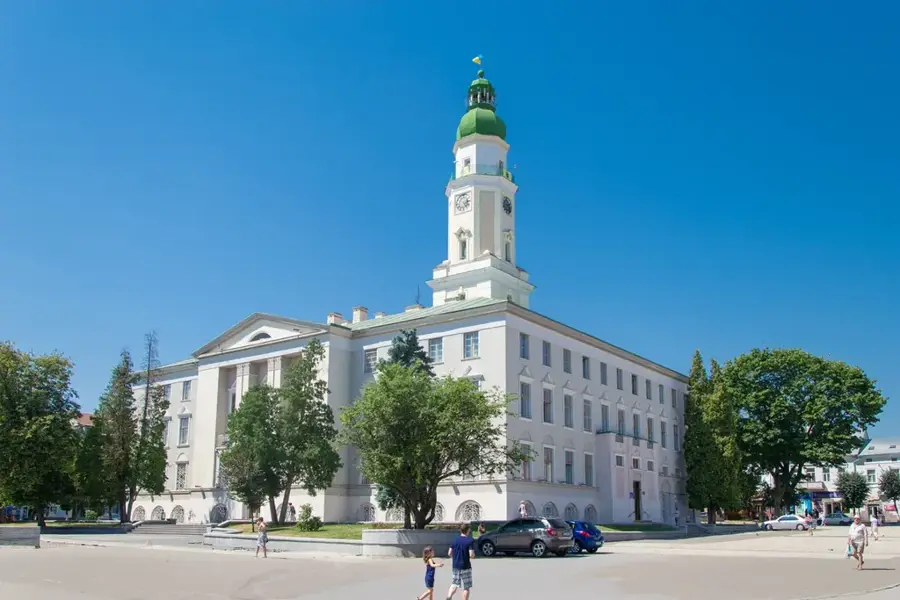
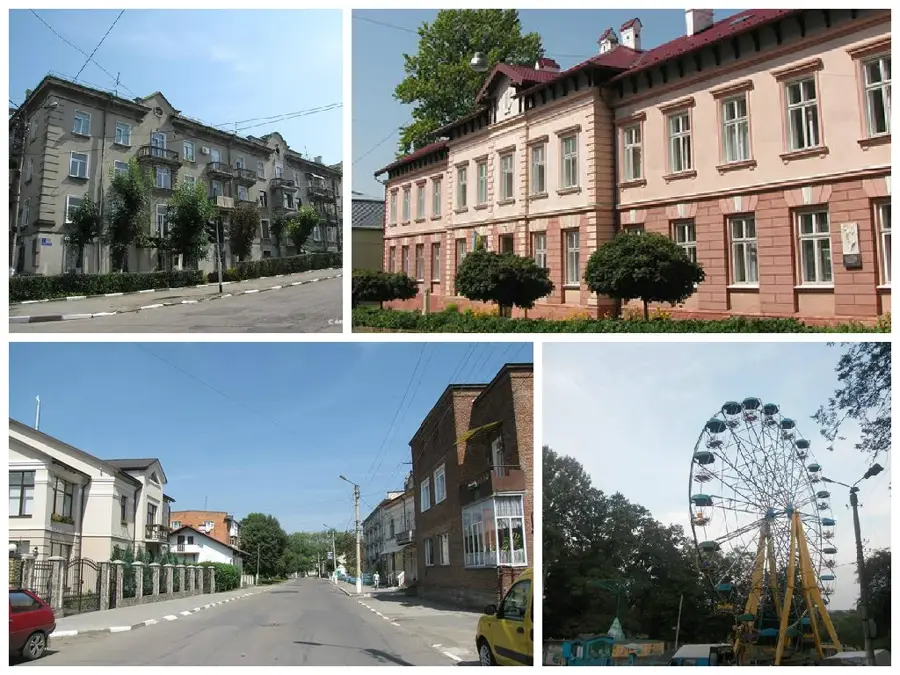
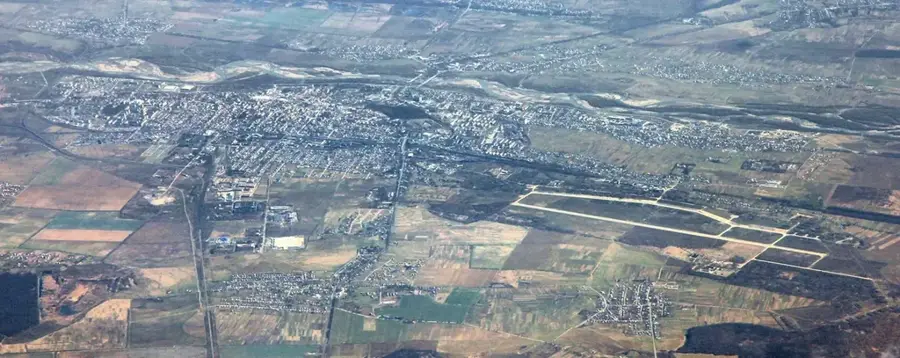
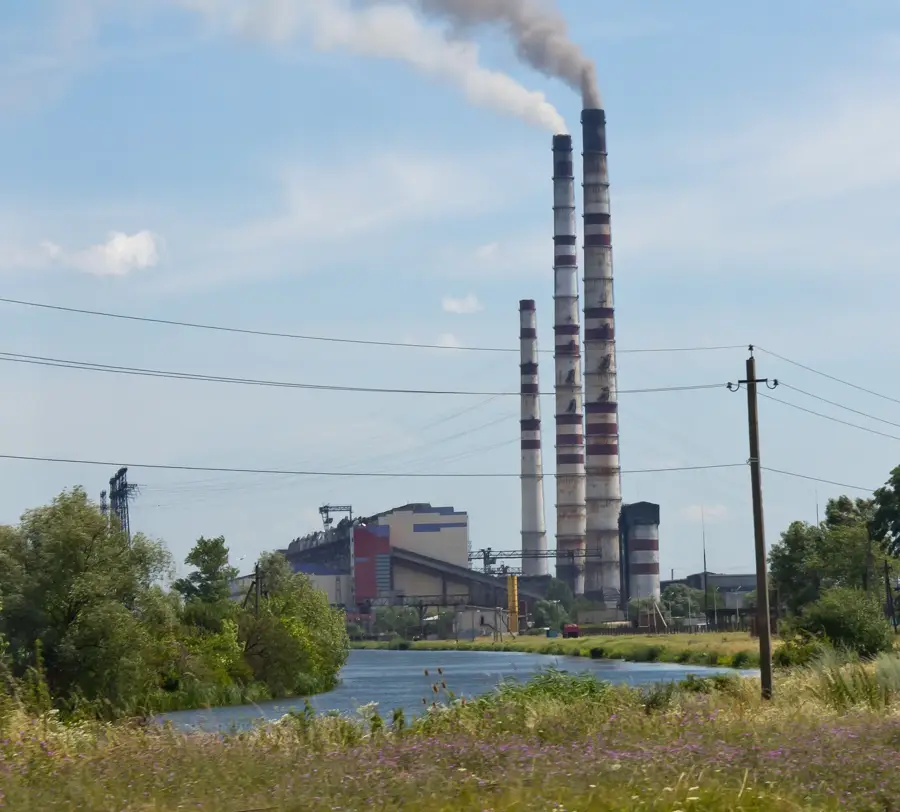
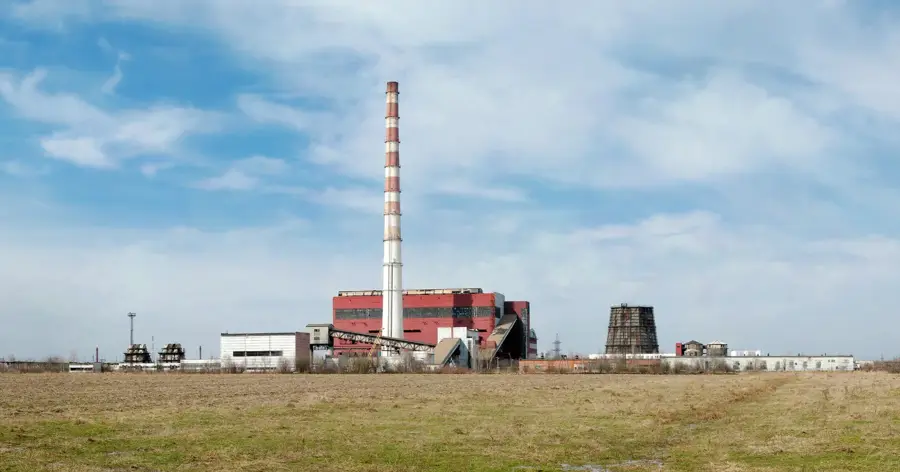
Located in the Ivano-Frankivsk Oblast of western Ukraine, Burshtyn is a city heavily shaped by industry. Its most prominent landmark is the Burshtyn Thermal Power Station, one of the largest of its kind in the region, with its tall chimneys dominating the skyline. Created to cool the power plant, the Burshtyn Reservoir is the heart of the city and has become a popular spot for fishing, boating, and summer recreation for locals. The city itself provides a glimpse into life in a Ukrainian industrial town, away from the major tourist hubs. Culturally, Burshtyn is part of the historical region of Galicia, sharing its rich and complex history. Although the city itself is rather modern and functional, it serves as a good base for exploring the surrounding rural region and the nearby city of Ivano-Frankivsk. The local cuisine is typically Ukrainian, featuring hearty dishes like borsch (beetroot soup), varenyky (filled dumplings), and holubtsi (cabbage rolls), which can be enjoyed at local eateries. The best time to visit is during the summer when the weather is pleasant and the reservoir comes to life. Access is most easily gained by road from Ivano-Frankivsk, which has rail and air connections.
- Location: Ukraine
- Nearby: Berezhany (30 km)
- Population: ~14.737
Best time to visit & climate
The most pleasant time to visit is Jun–Aug.
| Jan | Feb | Mar | Apr | May | Jun | Jul | Aug | Sep | Oct | Nov | Dec | |
|---|---|---|---|---|---|---|---|---|---|---|---|---|
| Avg °C | -5 | -3 | 2 | 9 | 14 | 18 | 20 | 19 | 14 | 8 | 3 | -2 |
| Rain mm | 47 | 45 | 53 | 51 | 95 | 101 | 96 | 70 | 66 | 57 | 47 | 48 |
Geography
Facts
- Industrial city in Western Ukraine
- Site of the Burshtyn Thermal Power Station
- Large reservoir for recreation and cooling
- Part of the historical region of Galicia
- Near the regional capital of Ivano-Frankivsk
- Shaped by Soviet-era urban planning
- Major energy provider for the region
- Hearty Ukrainian cuisine
Explore nearby
Notable places around

Route planner — Car & Motorhome
Where do you start? We build the route here, with stops and country notes along the way.
© OpenStreetMap contributors · OpenRouteService
Frequently asked questions
When is the best time for visiting?
How much time should I plan for Burschtyn?
How is the best way to get there?
Are there local specialties?
Is it family-friendly?
Burshtyn: where is it located?
Burshtyn: when is the best time to visit?
Burshtyn: why is it worth visiting?

Nearby cities