Plizio Visual Lab
Pidmykhailivtsi Castle

Weather…
Water temperature…
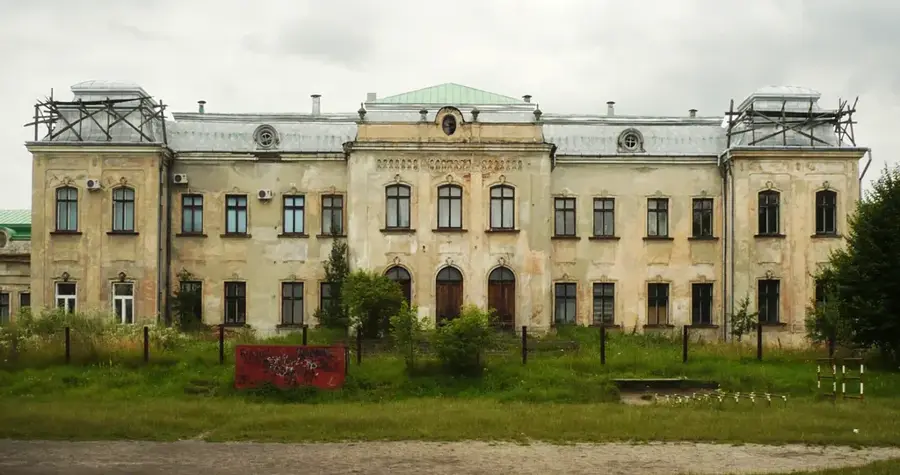
Pidmykhailivtsi Castle in the Ivano-Frankivsk Oblast is a largely forgotten monument of Galician nobility. Originally built as a fortified manor house or small castle, it served for defense against Tatar raids in the 16th and 17th centuries. Over time, the complex was transformed into a representative residence by various noble families, including the Pidmykhailivskis and later the Jabłonowskis. The architecture reflected the transition from purely defensive structures to comfortable palace complexes typical of the rural nobility in this region. During the numerous wars and political upheavals of the 20th century, the building suffered severe damage and partially fell into ruin. Today, only fragments of the walls and foundations, as well as remains of the former park, survive, testifying to the historical importance of the site as a local center of power. Nevertheless, it remains an important subject of research for uncovering regional history and architecture.
- Location: Ukraine
- Nearby: Burshtyn (13 km)
Best time to visit & climate
The most pleasant time to visit is Jun–Aug.
| Jan | Feb | Mar | Apr | May | Jun | Jul | Aug | Sep | Oct | Nov | Dec | |
|---|---|---|---|---|---|---|---|---|---|---|---|---|
| Avg °C | -5 | -3 | 2 | 9 | 14 | 18 | 20 | 19 | 14 | 8 | 3 | -2 |
| Rain mm | 47 | 45 | 53 | 51 | 95 | 101 | 96 | 70 | 66 | 57 | 47 | 48 |
📋 Practical info
Geography
Facts
- Originated as a fortified noble seat in the 16th century
- Owned by the Pidmykhailivski family until the 17th century
- Later reconstructed by the Jabłonowski family
- Served as protection against frequent Tatar raids
- The castle fell into decay during the 20th century
- Remnants of an old landscape park are still discernable
Explore nearby
Notable places around
Route planner — Car & Motorhome
Where do you start? We build the route here, with stops and country notes along the way.
© OpenStreetMap contributors · OpenRouteService
Sights nearby
Frequently asked questions
Is Pidmikhailivtsi Castle well-preserved?
Where is this place located?
Are there guided tours there?
Is the terrain safe to enter?
What was the historical purpose of this castle?
Pidmykhailivtsi Castle: where is it located?
Pidmykhailivtsi Castle: when is the best time to visit?
Pidmykhailivtsi Castle: why is it worth visiting?

Nearby cities