Plizio Visual Lab
Shirkent National Park

Weather…
Water temperature…
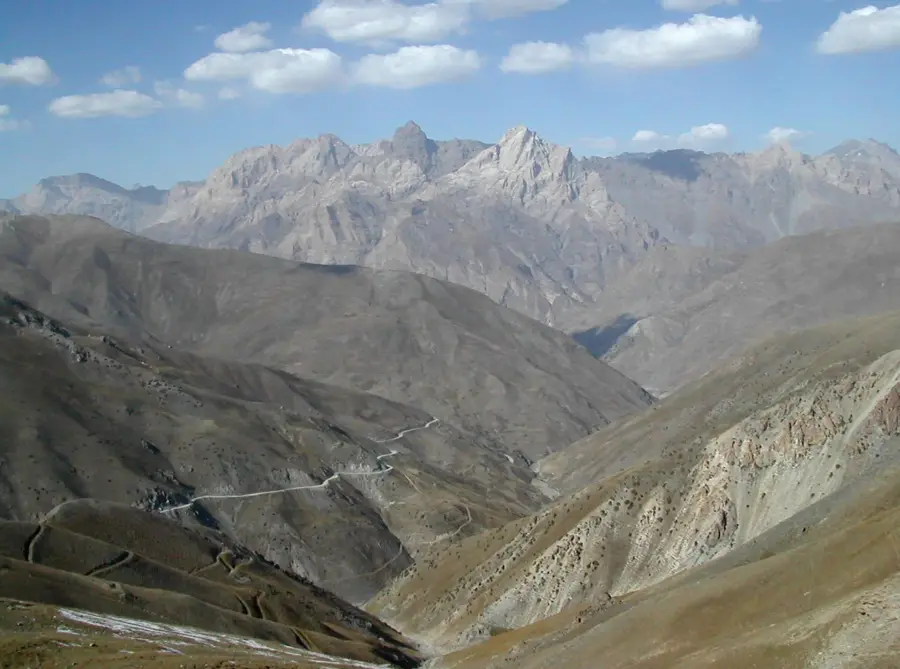
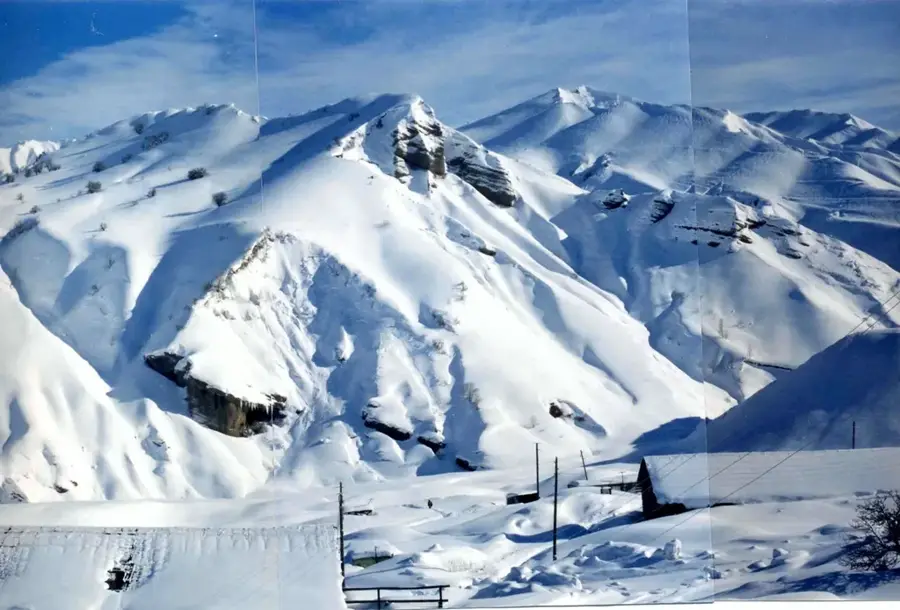
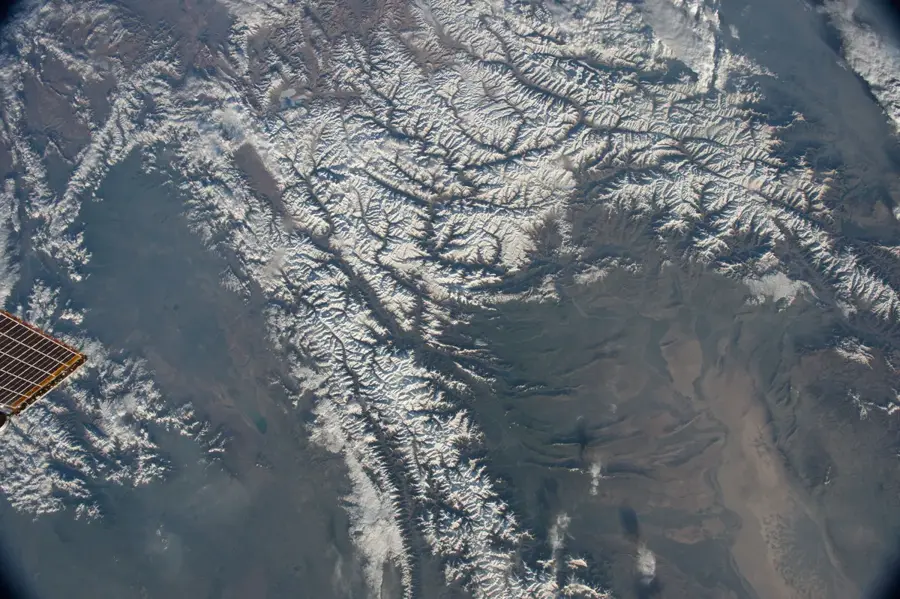
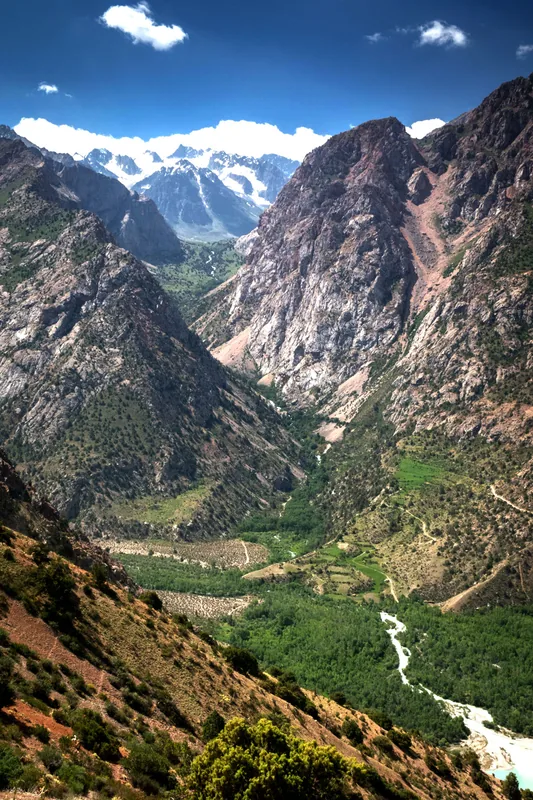
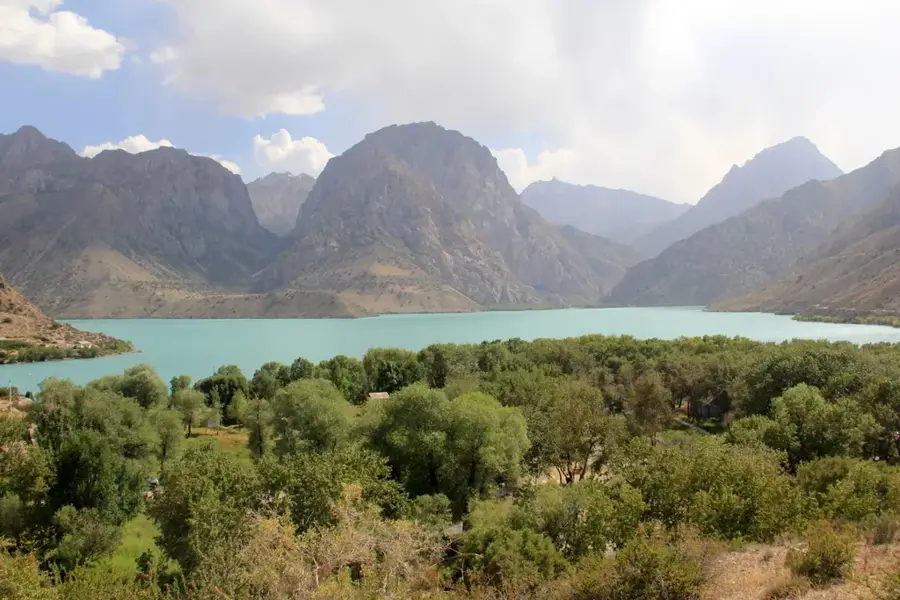
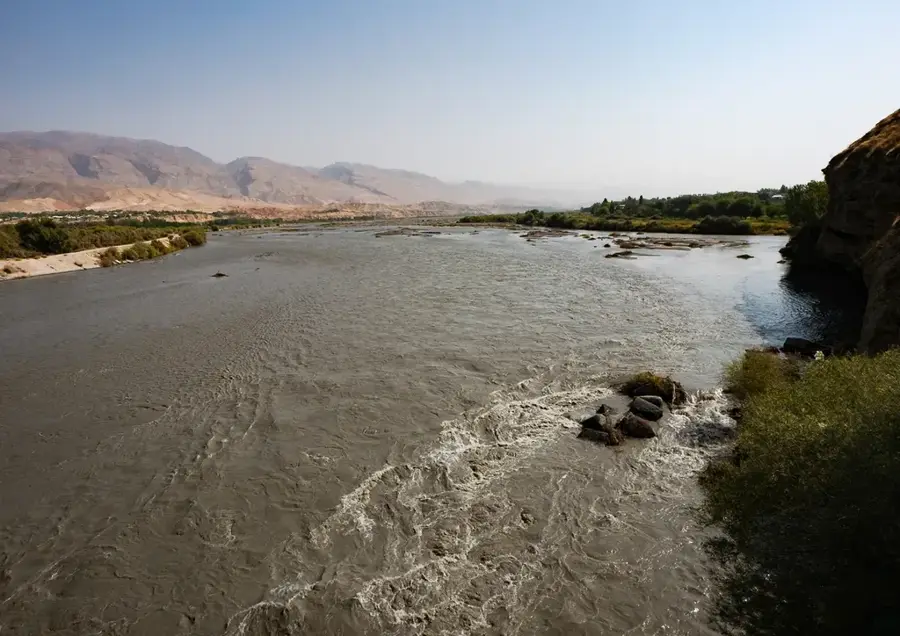
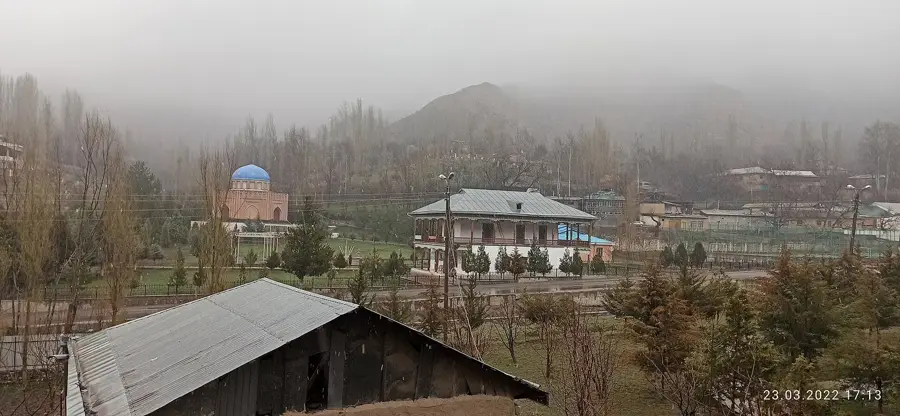
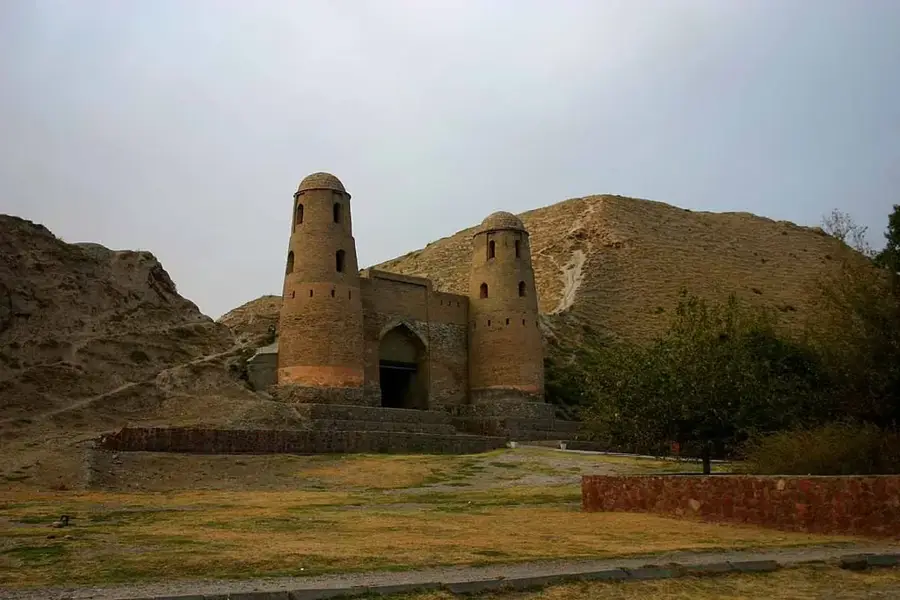
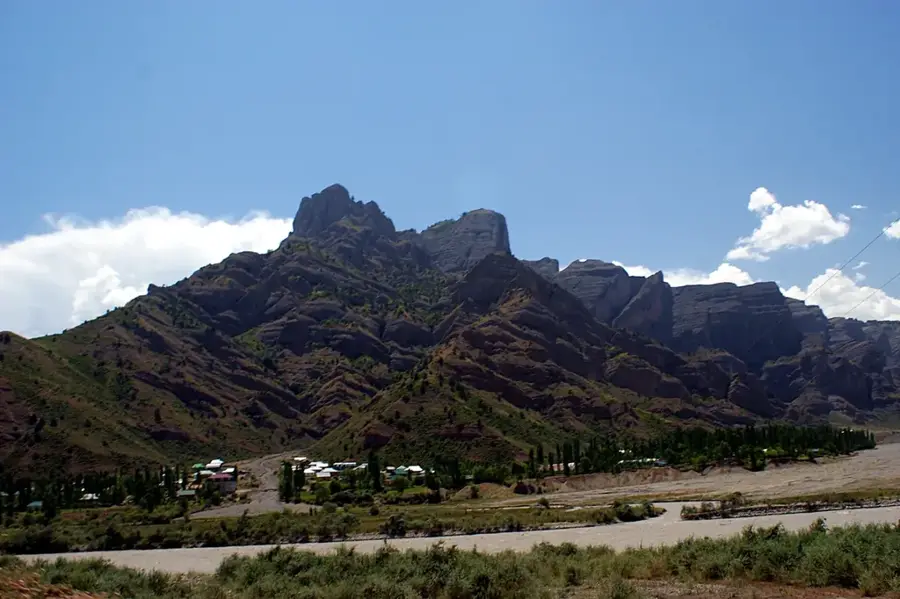
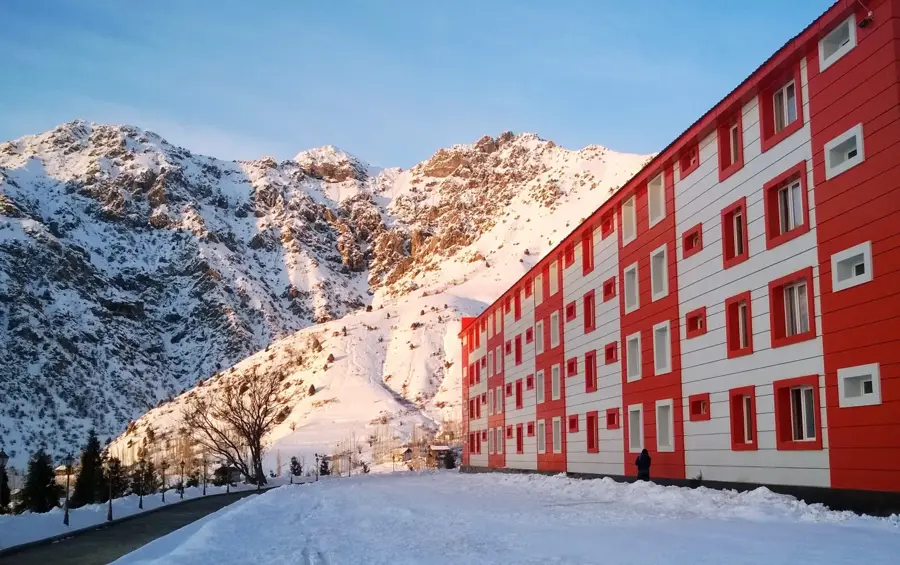
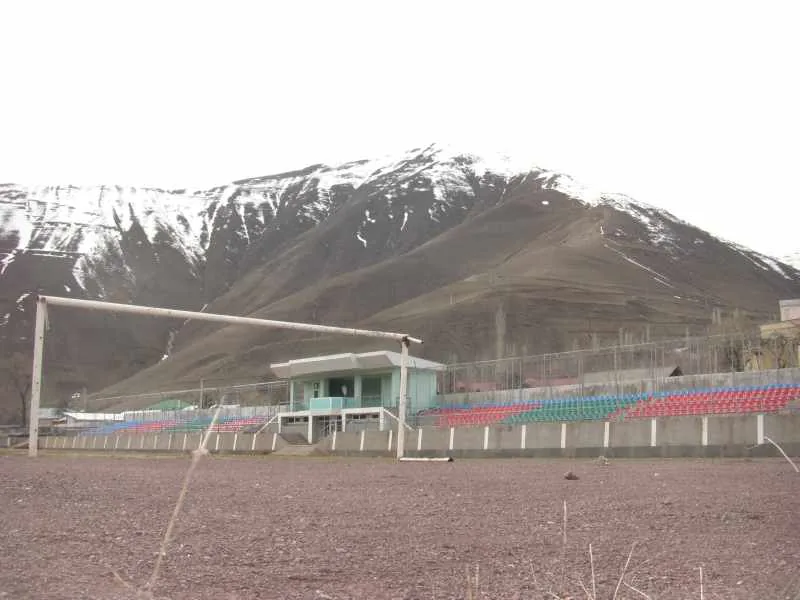
Shirkent National Park was established in 1991 in western Tajikistan to protect the unique ecosystem and geological treasures of the Shirkent River valley. The reserve covers an area of approximately 30,000 hectares and is internationally renowned primarily for its significant paleontological finds. Within the park's canyons, there are over 400 well-preserved dinosaur footprints dating back to the Late Jurassic period, concentrated in three distinct sites. In addition to these prehistoric traces, the park is home to a diverse array of flora and fauna, including the endangered snow leopard and various birds of prey. Geographically, the park is situated in the southern foothills of the Gissar Range, featuring an impressive landscape of deep gorges, alpine meadows, and snow-capped peaks. Historically, the region was part of the Silk Road, evidenced by archaeological remains in the surrounding areas. Today, the park serves both scientific research and ecotourism purposes, playing a central role in Central Asian nature conservation.
- Location: Tajikistan
- Nearby: Tursunzoda (7 km)
Best time to visit & climate
The most pleasant time to visit is May, Jun, Sep.
| Jan | Feb | Mar | Apr | May | Jun | Jul | Aug | Sep | Oct | Nov | Dec | |
|---|---|---|---|---|---|---|---|---|---|---|---|---|
| Avg °C | 0 | 1 | 8 | 13 | 19 | 24 | 27 | 26 | 20 | 13 | 6 | 2 |
| Rain mm | 33 | 49 | 50 | 48 | 29 | 11 | 2 | 1 | 2 | 11 | 32 | 32 |
📋 Practical info
Geography
Facts
- Established in 1991 to protect the Shirkent River valley
- Contains over 400 dinosaur footprints from the Jurassic period
- Total area of the national park is approximately 30,000 hectares
- Crucial habitat for the endangered snow leopard
- Home to over 30 archaeological sites from various eras
- Highest elevations within the park reach over 4,000 meters
Explore nearby
Notable places around


Route planner — Car & Motorhome
Where do you start? We build the route here, with stops and country notes along the way.
© OpenStreetMap contributors · OpenRouteService
Sights in the town Shirkent National Park (1)
Sights nearby
Frequently asked questions
What is special about Shirkent park?
Can one see the footprints?
Is the park suitable for families?
How is the arrival?
Are there guided tours?
Shirkent National Park: where is it located?
Shirkent National Park: when is the best time to visit?
Shirkent National Park: why is it worth visiting?

Nearby cities
History & landmarks
More places