Plizio Visual Lab
As-Suwayda
ℹ️Practical info — As-Suwayda
▾
🌤 Weather — 5 days
📍 Nearby
Sights nearby
💡 Tips
- Allow enough time to admire the unique black basalt architecture of the city's historical buildings.
- Be open to Druze hospitality; travelers are frequently invited for a drink or a chat by locals.
- The climate is cooler than the rest of Syria due to the high elevation, so bring a sweater for the evenings.
- Use the central squares as your main point of reference, as most local transportation departs from there.
🍽 Food
Partake in the local tradition of drinking mate, which is practiced everywhere here in cafes and private homes.
Try this raw meat specialty in the city's better restaurants, highly regarded for their fresh ingredients.
Buy homegrown fruit at the markets, as the region is famous for its excellent agricultural yields.
🛍 Shopping · 🧘 Quiet spots
Get freshly harvested fruits and vegetables directly from the surrounding farmers here.
Look out for handwoven fabrics and embroidered clothes in the side streets of the old souk.
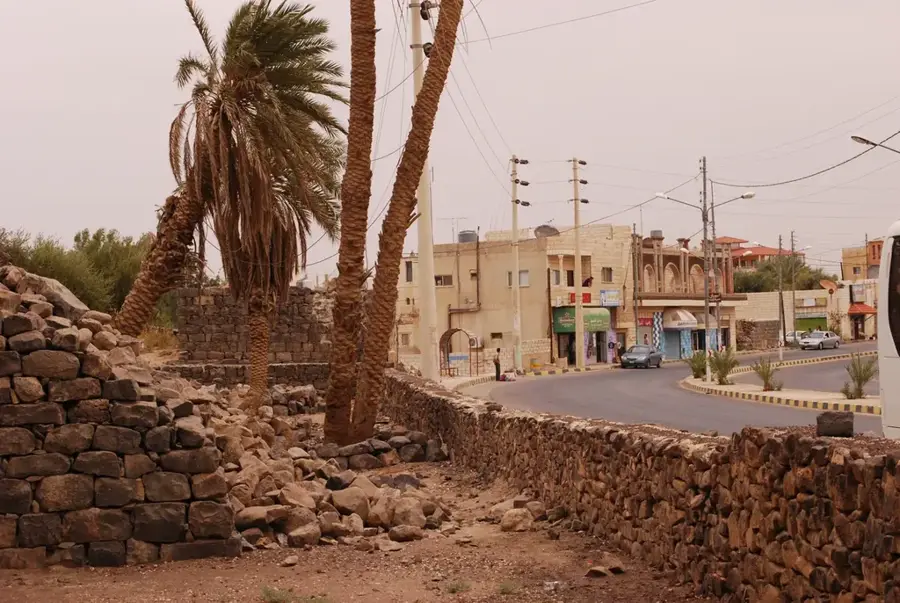
Stroll through the ancient black-stone remains, which are usually quiet and uncrowded.
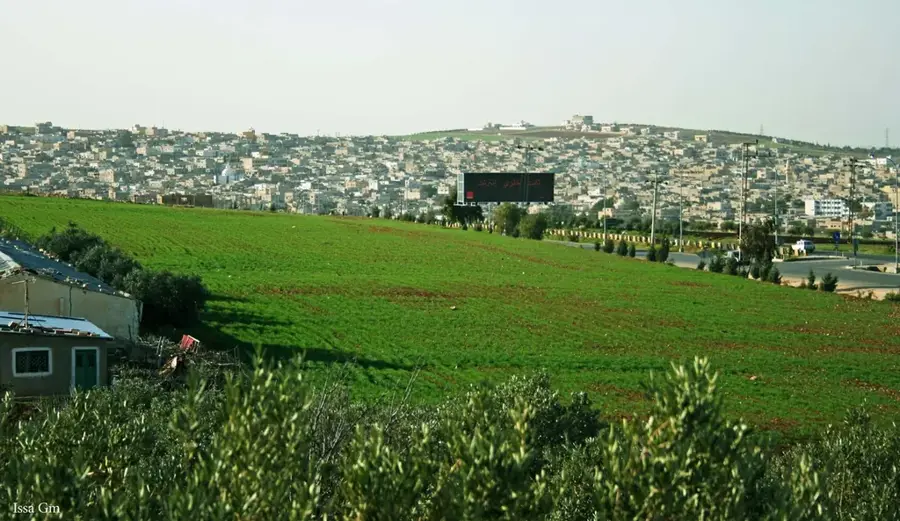
Leave the city for a short walk into the pretty apple and grape orchards just on the outskirts.
Water temperature…
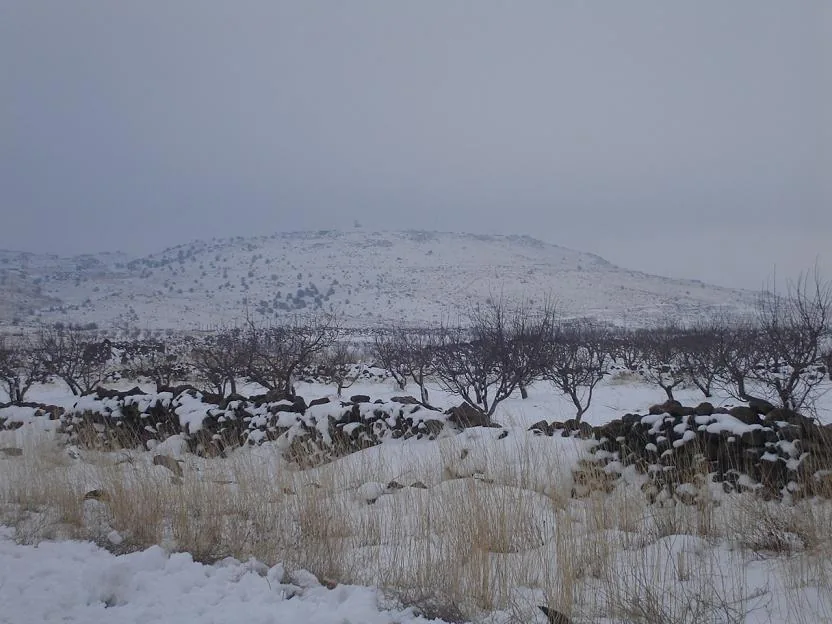
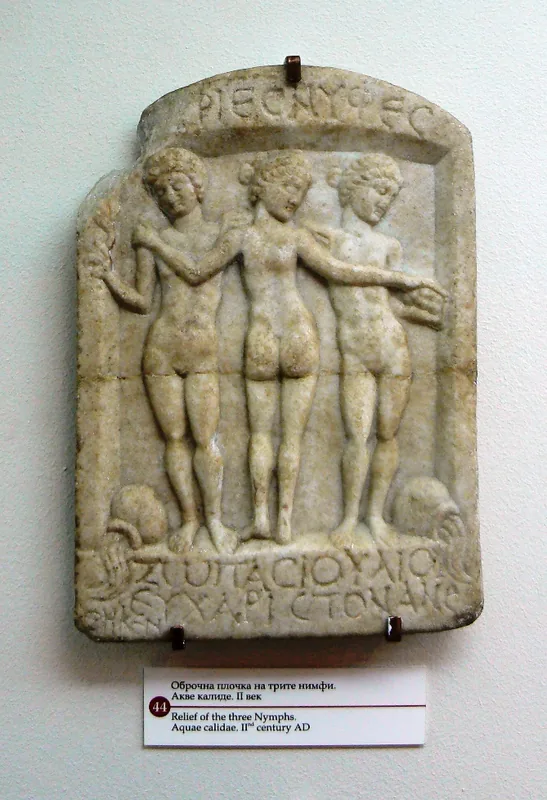
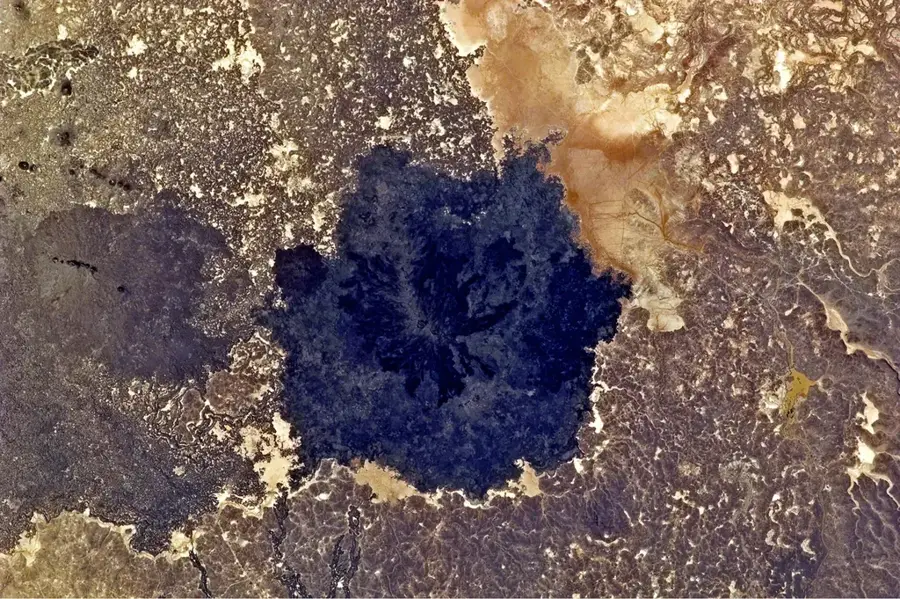
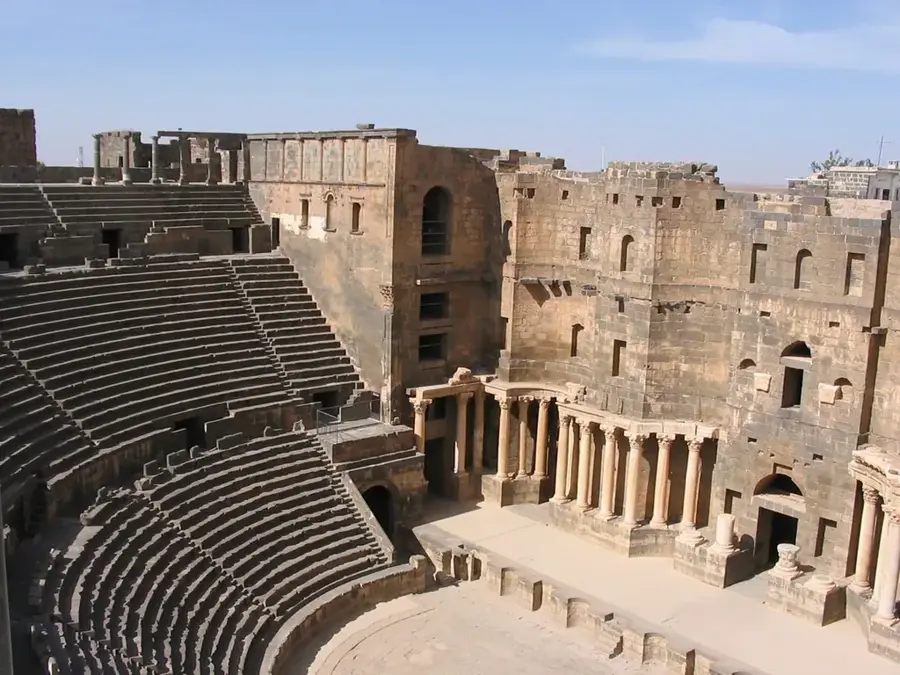
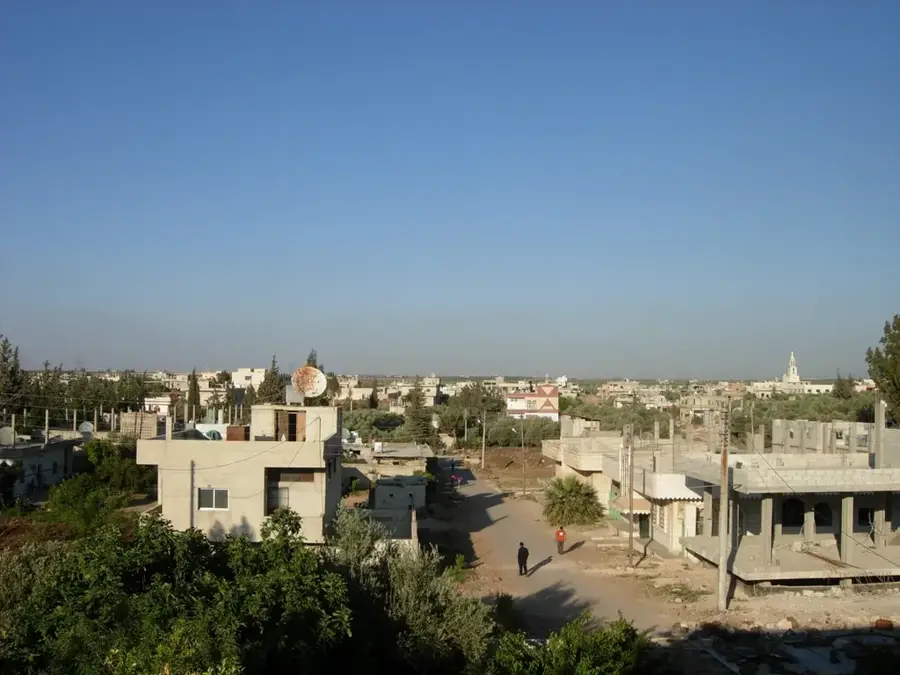
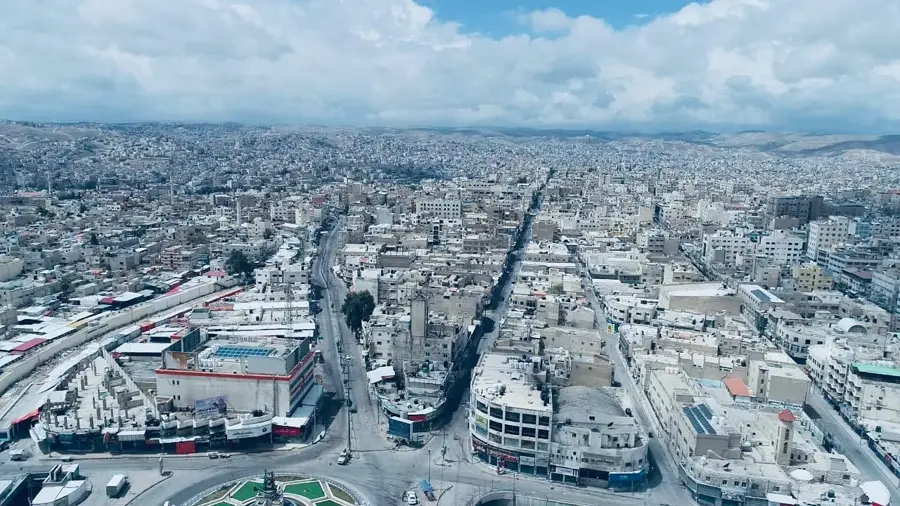
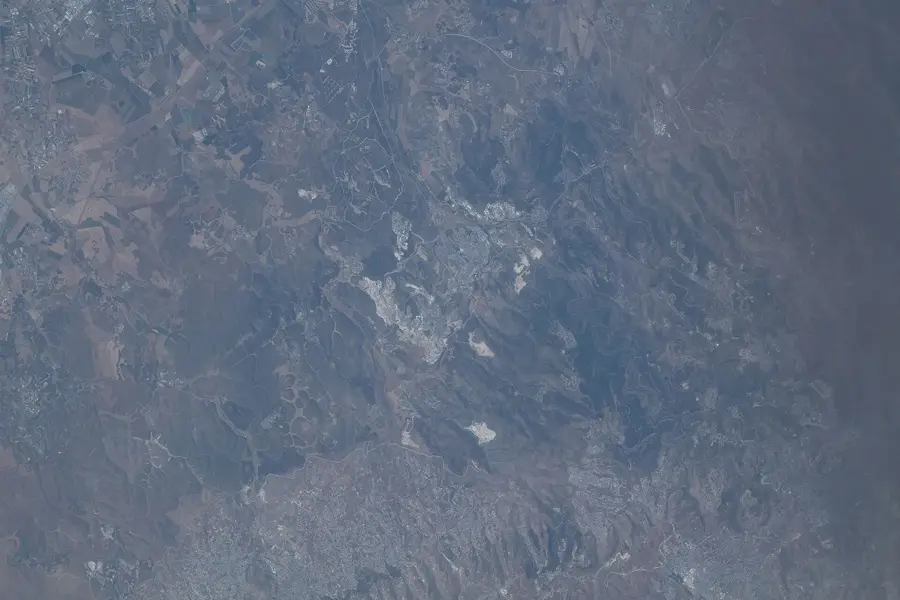
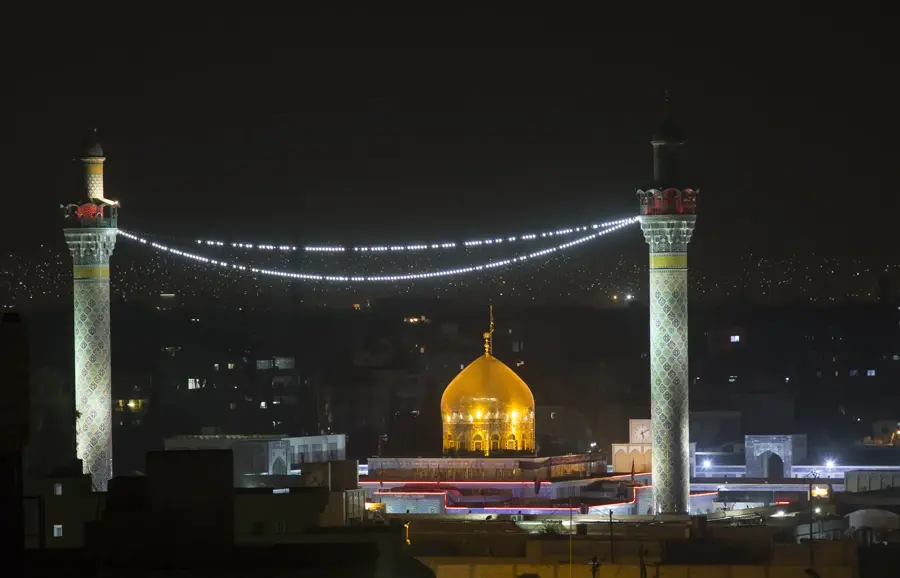
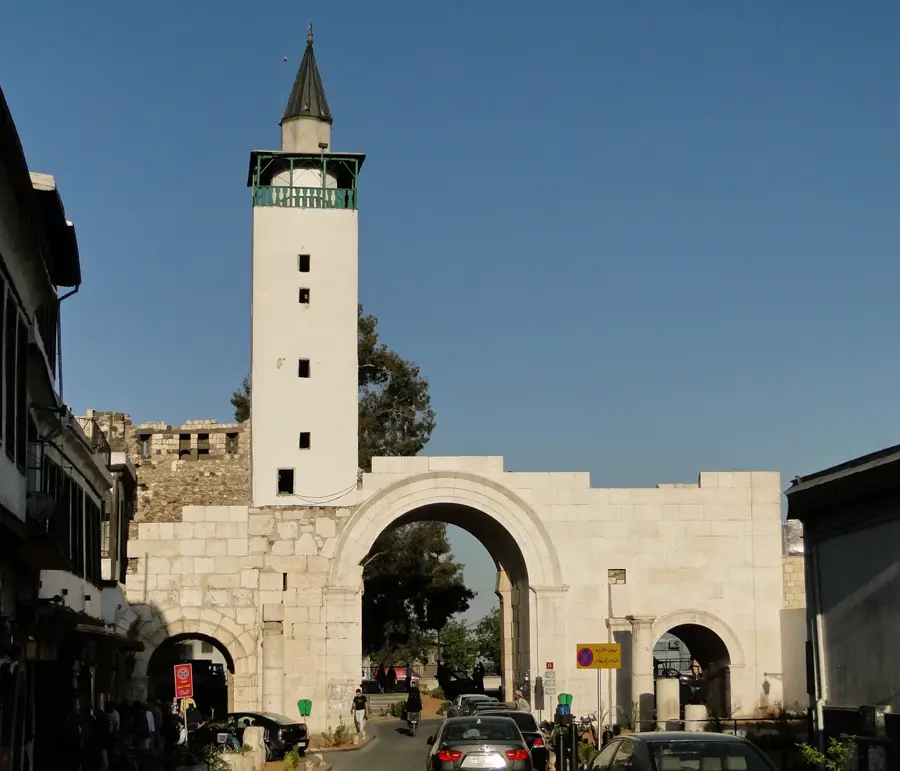
As-Suwayda is the capital of the governorate of the same name in southern Syria and the main center of the country's Druze community. The city sits on the Jebel ad-Duruz, a volcanic plateau of dark basalt that stretches north and east of the Hauran toward the desert. In antiquity, the Nabataean and Roman city of Soada, later Dionysias, was an important trade hub here, and colonnaded streets, temple remains and the ruins of early Christian basilicas still bear witness to that period. In the nineteenth century large numbers of Druze settlers from the Lebanese Shouf Mountains moved into the area, shaping its present social fabric. The Druze led particularly stubborn revolts against the Ottomans and against the French Mandate in 1925. The local economy is based on viticulture, olive groves and apple orchards, and the cool summers make As-Suwayda a popular highland resort.
- Location: Syria
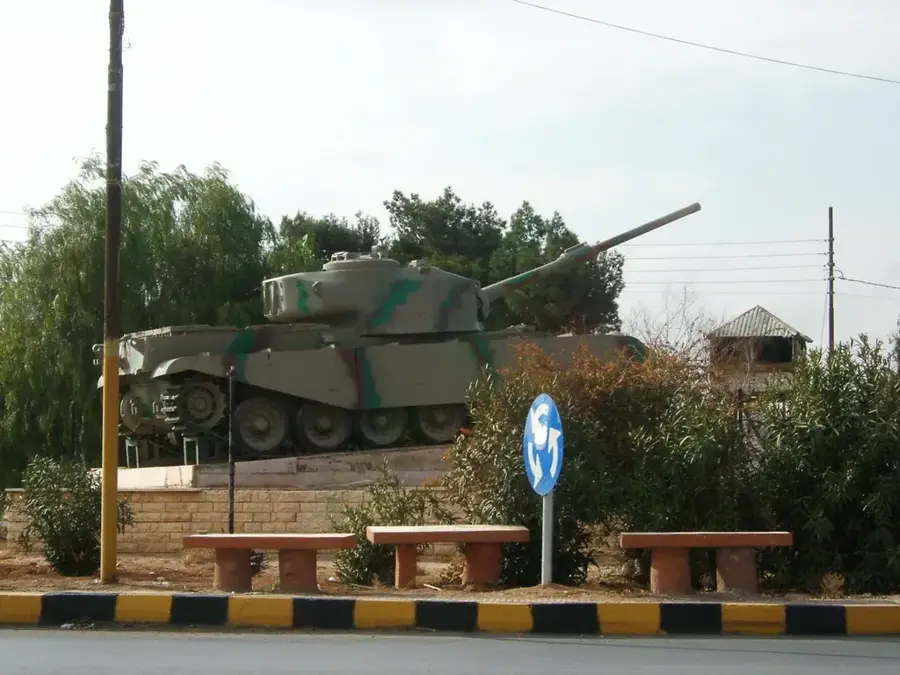
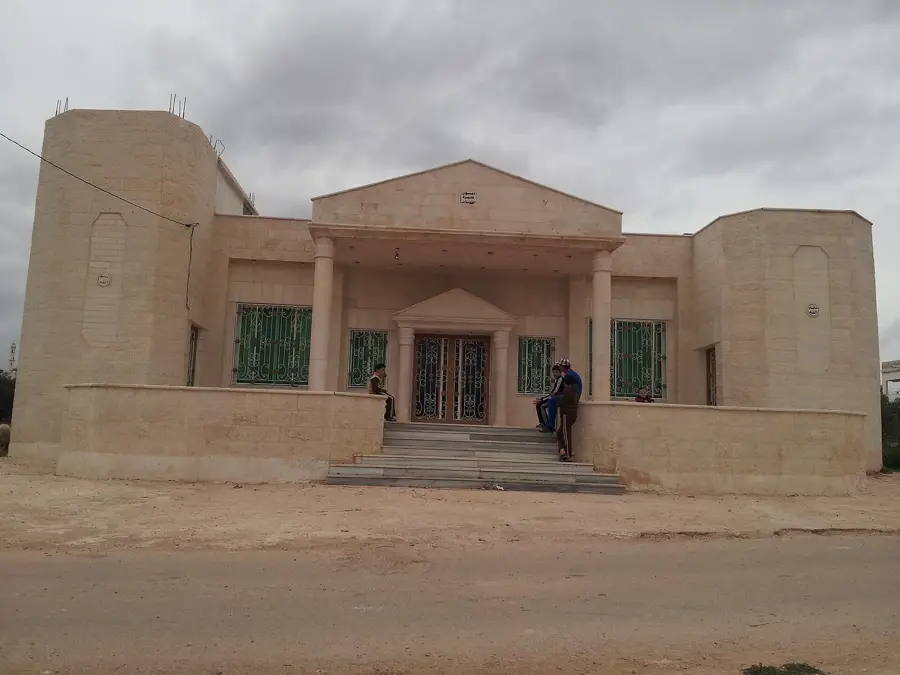
- Top sights: Madafet Abu-fadel family · As Suwayda National Museum · Syrian Great Revolution of 1925 monument
- Nearby: Daraa (52 km)
- Population: ~59.052 (2026)
Best time to visit & climate
The most pleasant time to visit is May, Sep, Oct.
| Jan | Feb | Mar | Apr | May | Jun | Jul | Aug | Sep | Oct | Nov | Dec | |
|---|---|---|---|---|---|---|---|---|---|---|---|---|
| Avg °C | 8 | 9 | 13 | 16 | 21 | 25 | 27 | 26 | 25 | 21 | 14 | 10 |
| Rain mm | 49 | 45 | 24 | 13 | 4 | 1 | 0 | 1 | 1 | 7 | 20 | 42 |
Geography
Facts
- As-Suwayda is the primary center for the Druze community in Syria.
- The modern city was built atop the ruins of ancient Dionysias.
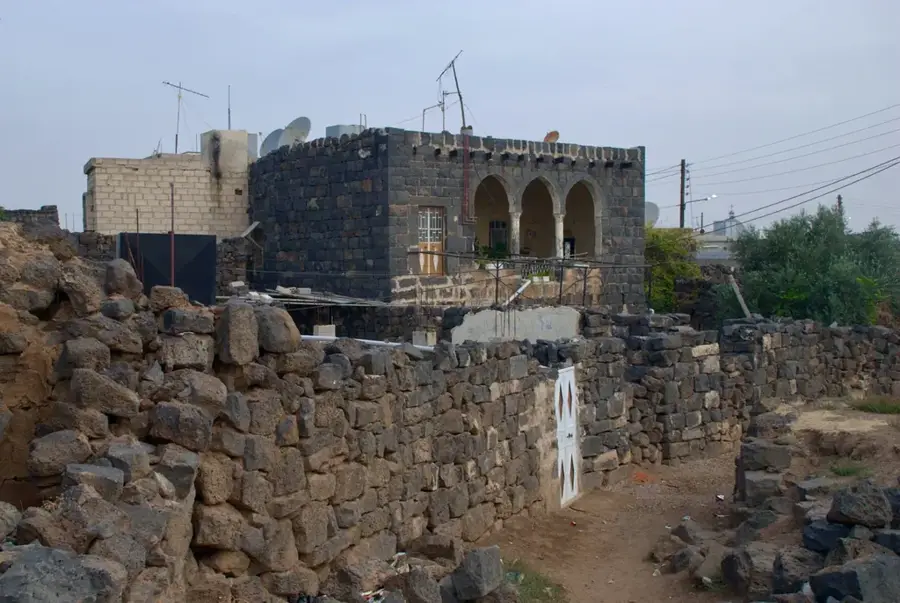
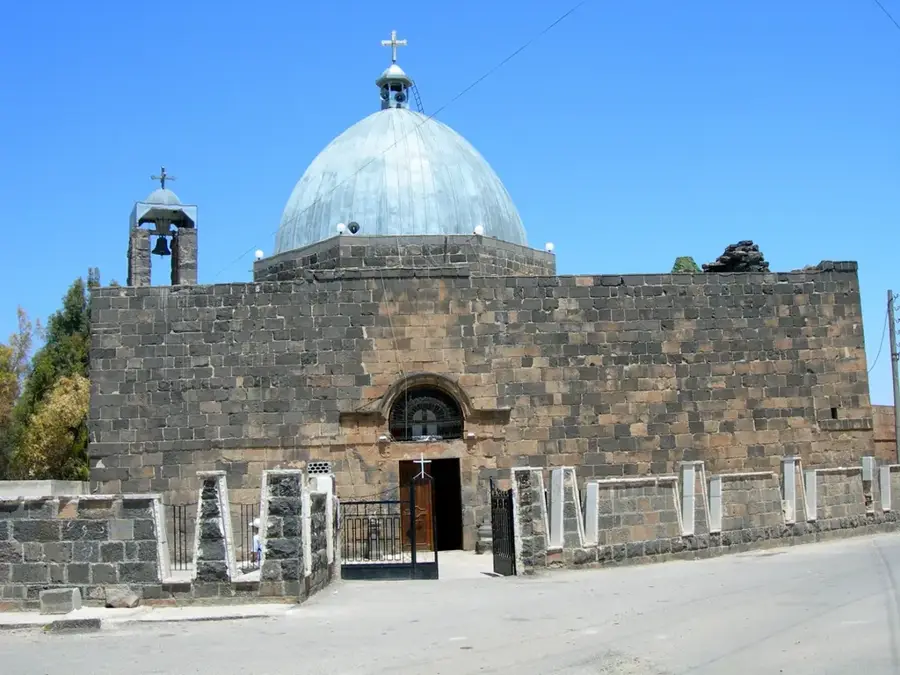
- Local black basalt stone characterizes most of the city's architecture.
- The surrounding region is a major producer of grapes and apples.
- The Great Syrian Revolt against French rule began here in 1925.
- The local museum houses one of the finest collections of Roman mosaics.
Explore nearby
Notable places around

Route planner — Car & Motorhome
Where do you start? We build the route here, with stops and country notes along the way.
© OpenStreetMap contributors · OpenRouteService
Sights in the town As-Suwayda (6)
Frequently asked questions
What characterizes As-Suwayda?
Who mainly lives in the city?
Is it safe to visit?
Are there Roman ruins?
What is the weather like?
As-Suwayda: where is it located?
As-Suwayda: what is there to see?
As-Suwayda: when is the best time to visit?
As-Suwayda: why is it worth visiting?

Nearby cities
History & landmarks
Nature
More places