Plizio Visual Lab
Douma
ℹ️Practical info — Douma
▾
🌤 Weather — 5 days
📍 Nearby
Sights nearby
💡 Tips
- The city has a rich history but has faced significant recent damage; it's essential to stay informed about current security conditions before visiting.
- Local markets, known as souks, are slowly rebuilding; morning is the best time to see the bustling local trade.
- Connectivity can be unreliable, so download offline maps and keep a physical copy of important contacts.
- Dress modestly and respect local Islamic customs, particularly around religious sites.
- Taxis or private drivers arranged from Damascus are the safest way to travel here.
🍽 Food
A Damascene specialty of stuffed eggplants with yogurt and pita; ask for it at local family-run restaurants in the center.
Grab hot, crispy falafel wraps from street vendors rebuilding their stalls in the main market area.
Look for bakeries selling baklava and barazek (sesame cookies), often enjoyed with strong cardamom coffee.
🛍 Shopping · 🧘 Quiet spots
The central souk area, despite damage, still features aromatic Syrian spices like za'atar and Aleppo pepper.
Buy fresh seasonal fruits directly from farmers who bring their harvest from the fertile Ghouta region surrounding the city.
The remaining orchards in the Ghouta region provide a stark, quiet contrast to the bustling and recovering urban center.
The courtyards of the historic local mosques offer a peaceful place for quiet reflection outside of prayer times.
Water temperature…
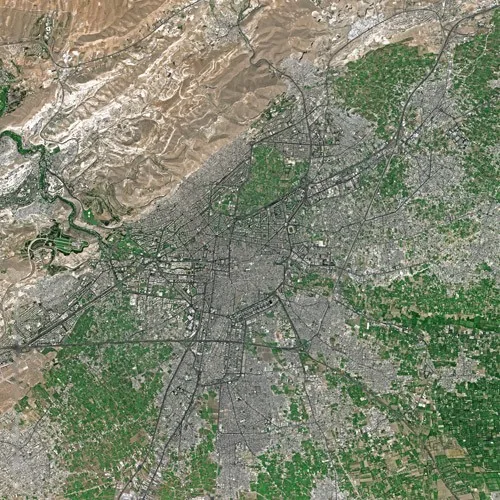
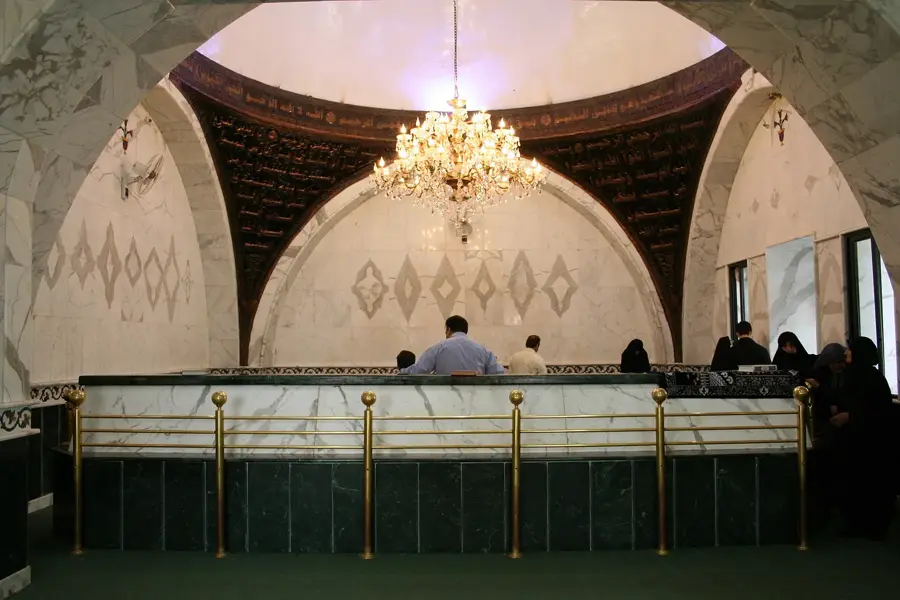
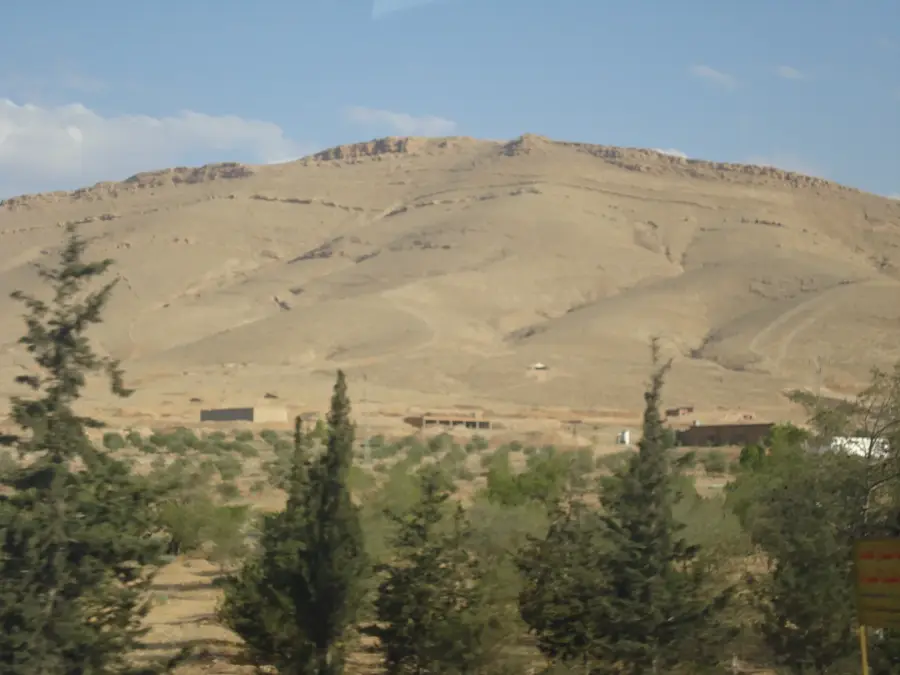
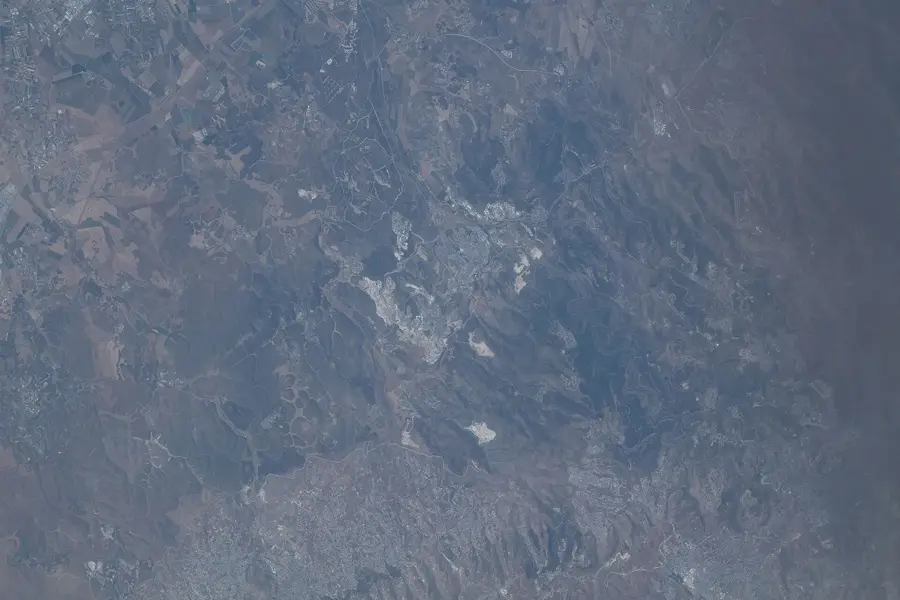
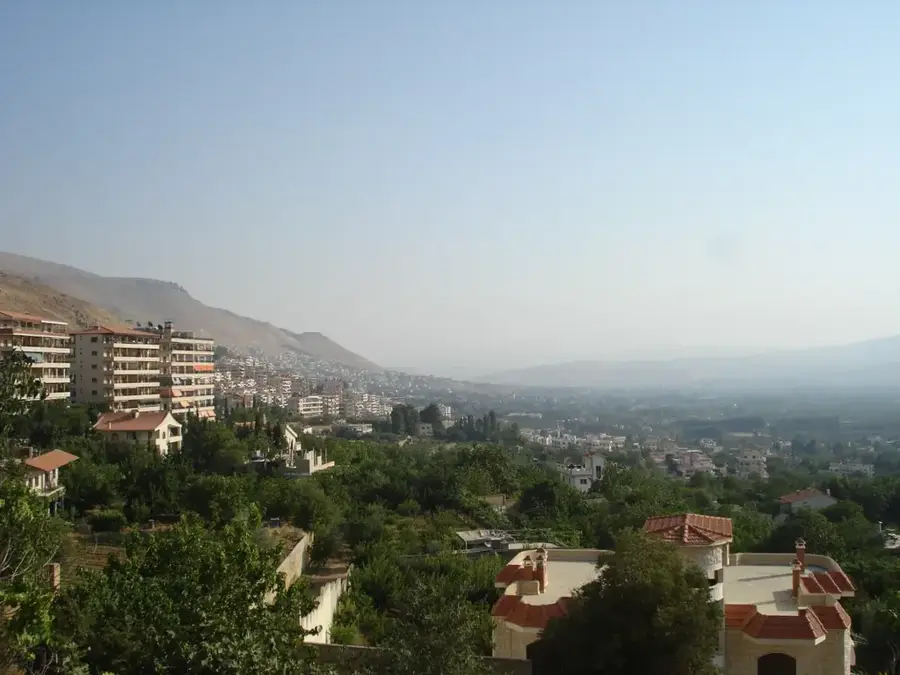
Douma is the largest city of the Rif Dimashq governorate, the rural province surrounding Damascus, and lies in the famous Eastern Ghouta oasis only about ten kilometers northeast of the capital. Since antiquity the area has been irrigated by a dense network of canals fed by the Barada River and has long been considered one of the most fertile garden landscapes of the Middle East. Douma traditionally served as an important market for fruit, grapes, walnuts and dairy products supplying Damascus, and as a center of Islamic learning, hosting the tomb of the early ascetic Abu Sulayman al-Darani. During the civil war from 2012 onward, the city became a symbol of the Ghouta siege, with massive destruction, starvation and chemical weapons attacks. Reconstruction and the gradual return of horticulture have since dominated daily life.
- Location: Syria
- Nearby: Ain al-Fijah (25 km)
- Population: ~111.864 (2025)
Best time to visit & climate
The most pleasant time to visit is May, Jun, Sep.
| Jan | Feb | Mar | Apr | May | Jun | Jul | Aug | Sep | Oct | Nov | Dec | |
|---|---|---|---|---|---|---|---|---|---|---|---|---|
| Avg °C | 5 | 6 | 10 | 14 | 19 | 24 | 26 | 26 | 23 | 19 | 11 | 7 |
| Rain mm | 69 | 57 | 29 | 18 | 7 | 1 | 0 | 0 | 2 | 13 | 35 | 57 |
Geography
Facts
- Douma is located in the fertile Ghouta region northeast of Damascus.
- The city serves as the administrative capital of the Douma District.
- Historically, Douma was famous for its extensive grape vineyards.
- In the 20th century, Douma became a hub for the local textile industry.
- The city sits at an average elevation of approximately 660 meters.
- Douma is linked directly to the Syrian capital by a major highway.
Explore nearby
Notable places around
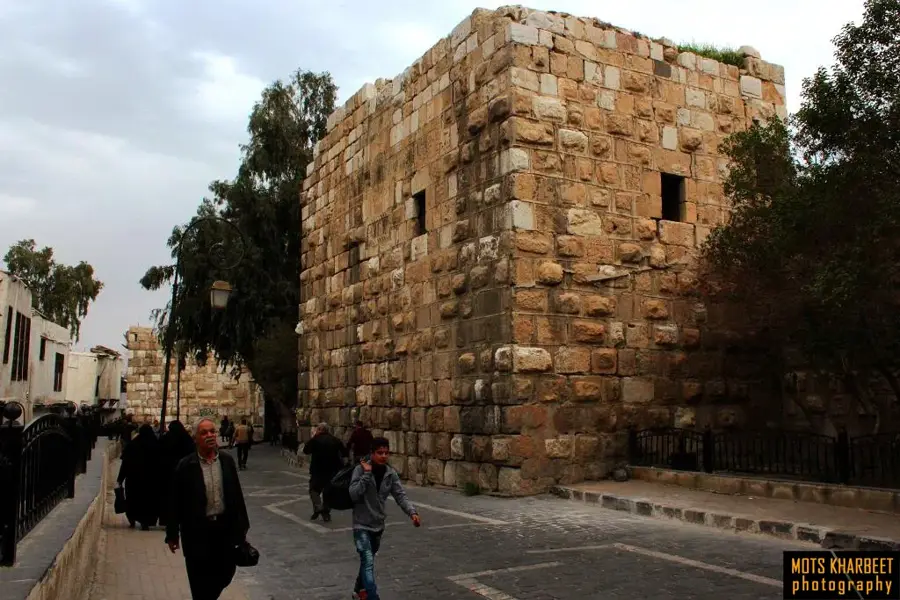
Route planner — Car & Motorhome
Where do you start? We build the route here, with stops and country notes along the way.
© OpenStreetMap contributors · OpenRouteService
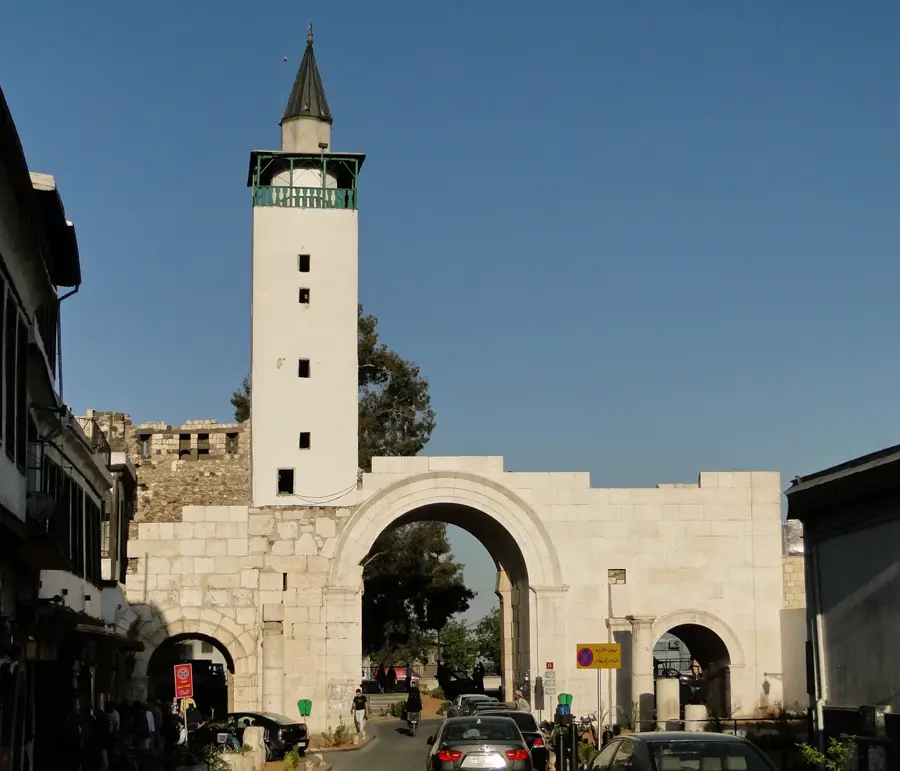
Sights in the town Douma (1)
Frequently asked questions
Where is Douma located?
Is visiting the city possible?
What was Douma in the past?
Are there attractions there?
What is the future of reconstruction?
Douma: where is it located?
Douma: when is the best time to visit?
Douma: why is it worth visiting?
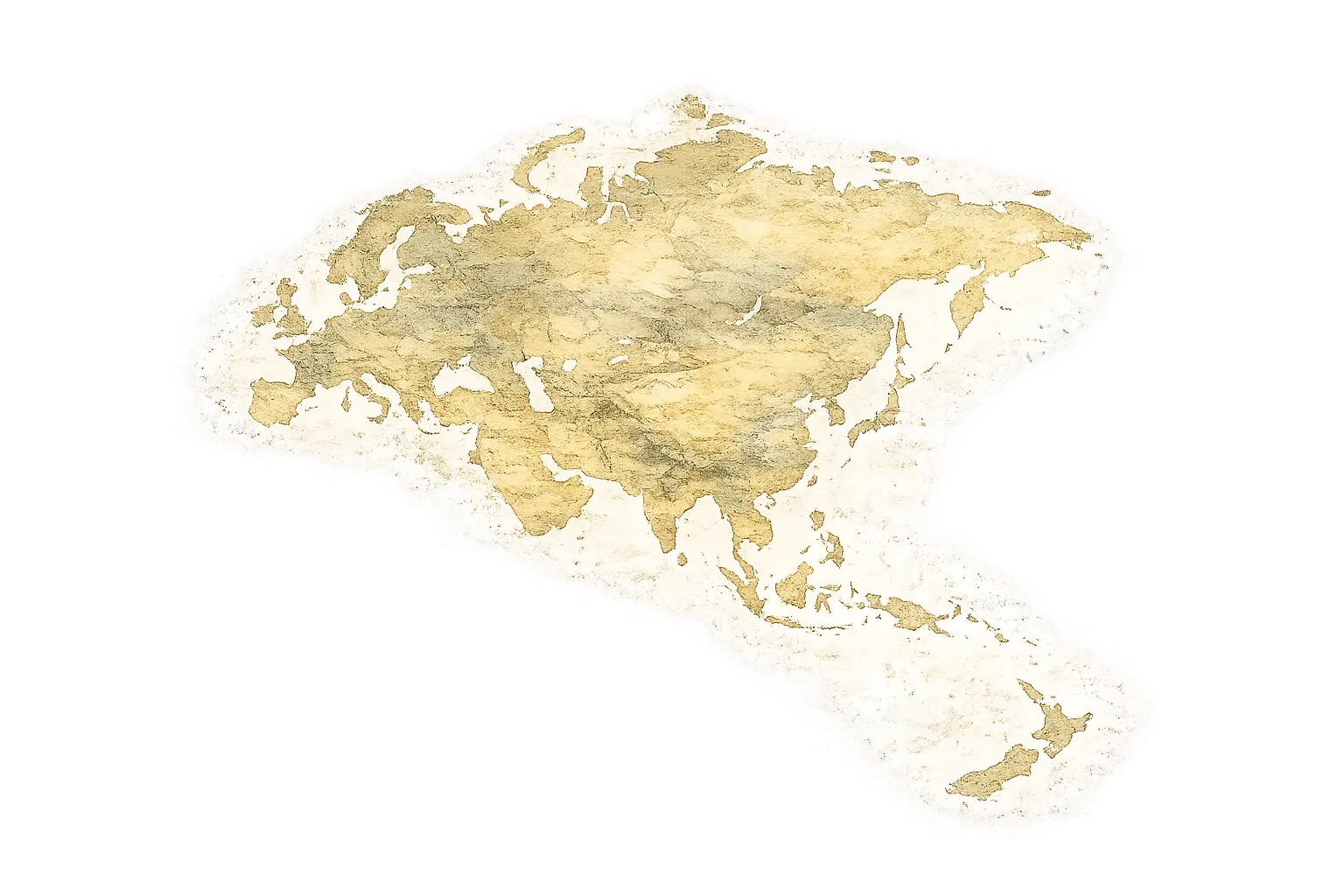
Nearby cities
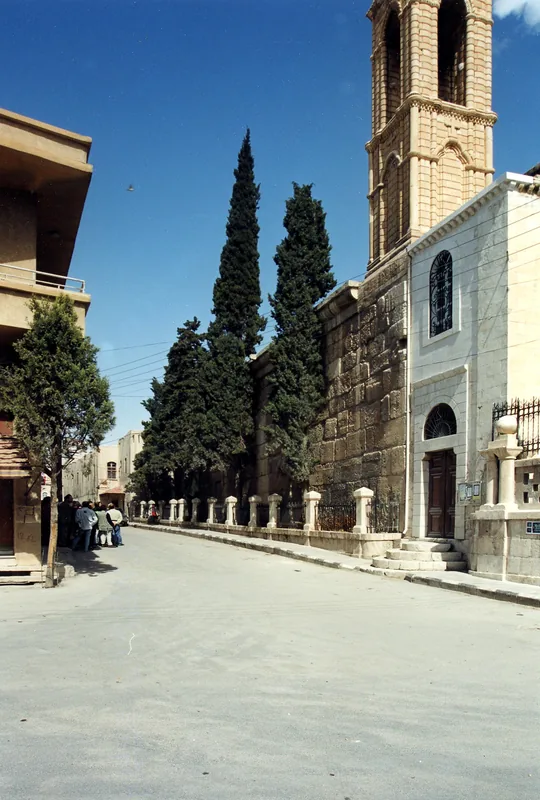
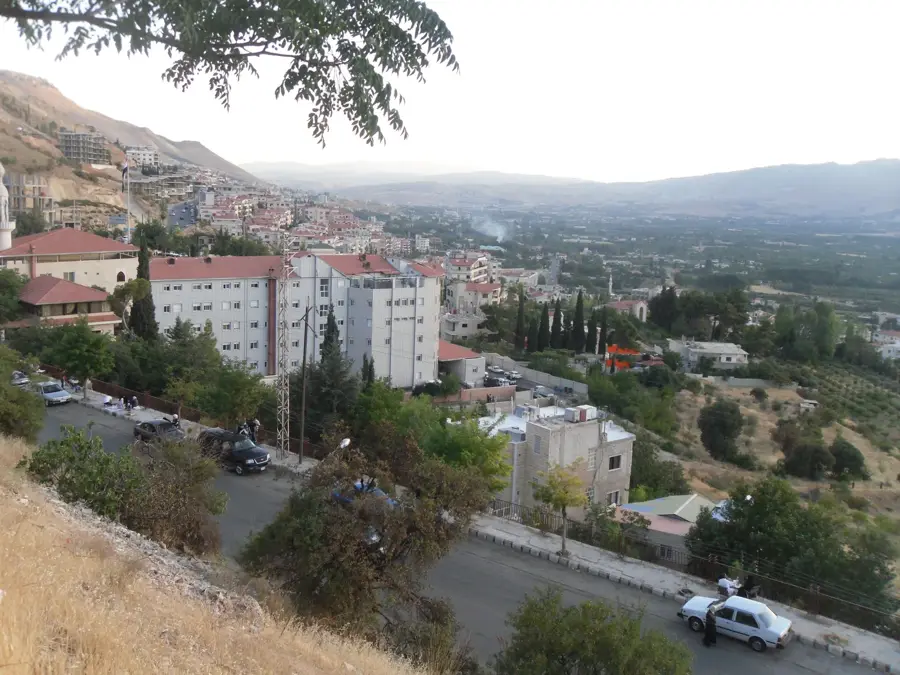
History & landmarks
Nature
More places