Plizio Visual Lab

Al-Lajat
Plizio editorial teamData Sources
plateau
—°5
Al-Lajat (Syria)

Weather…

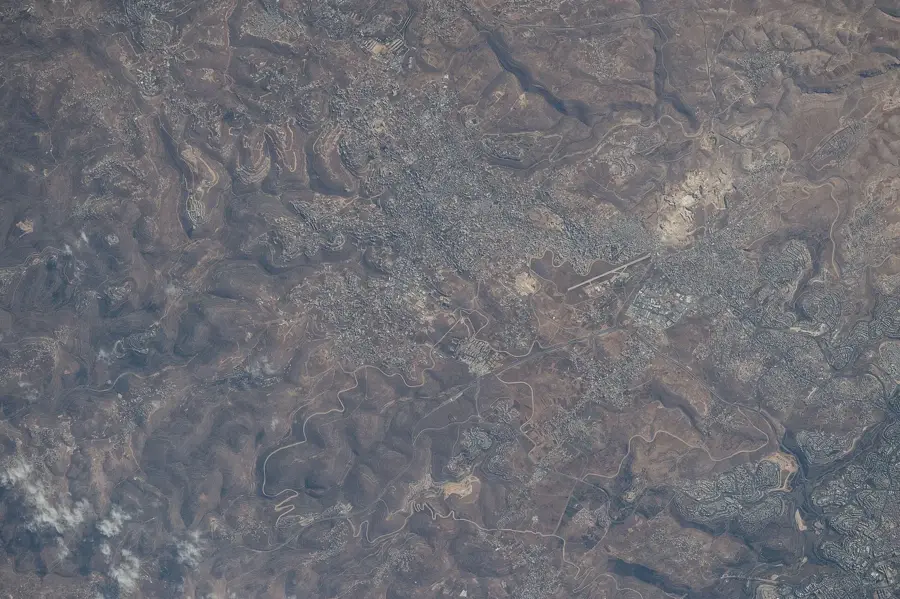
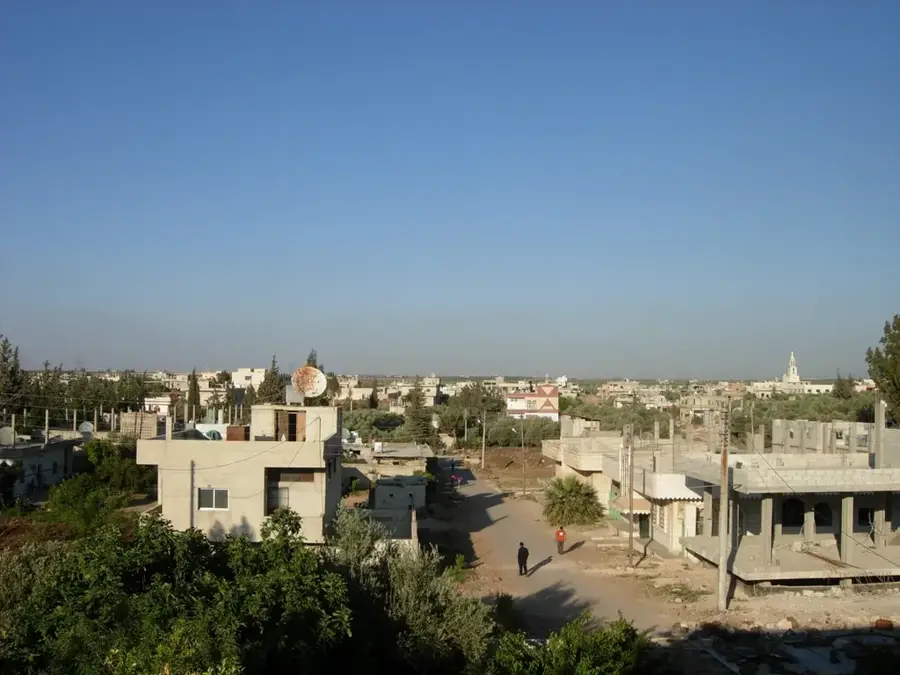
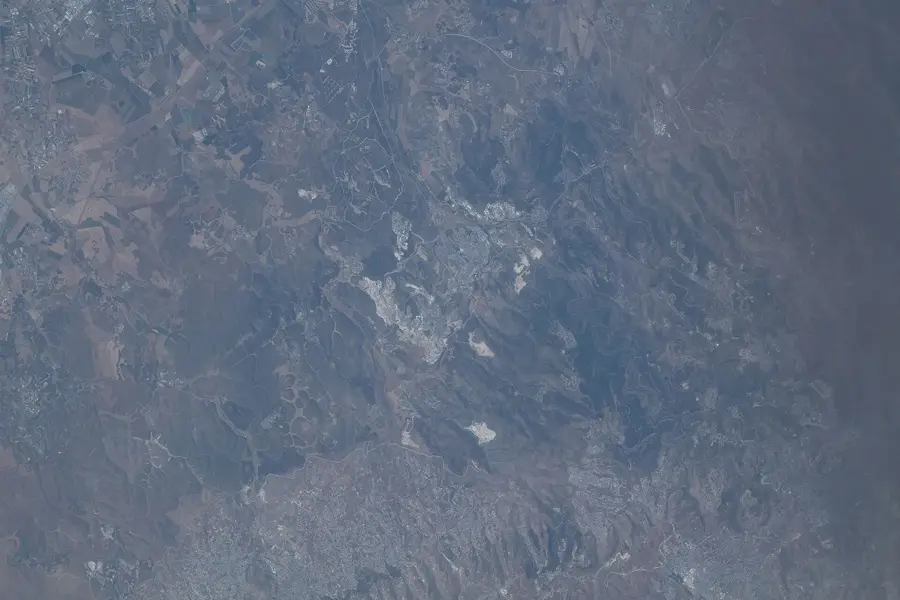
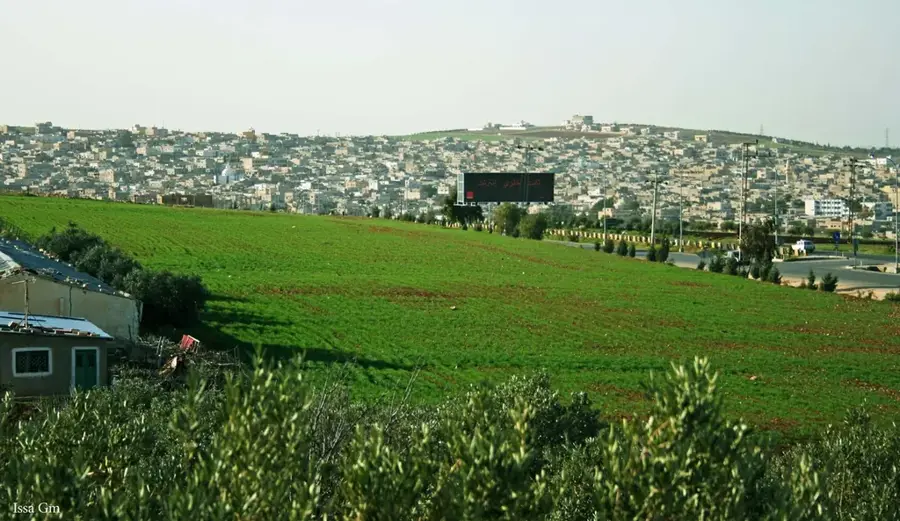
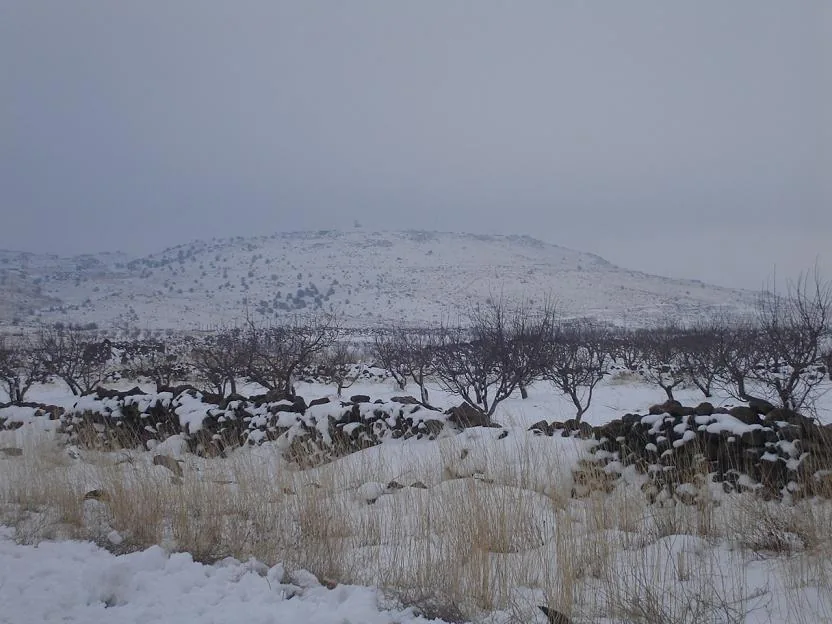
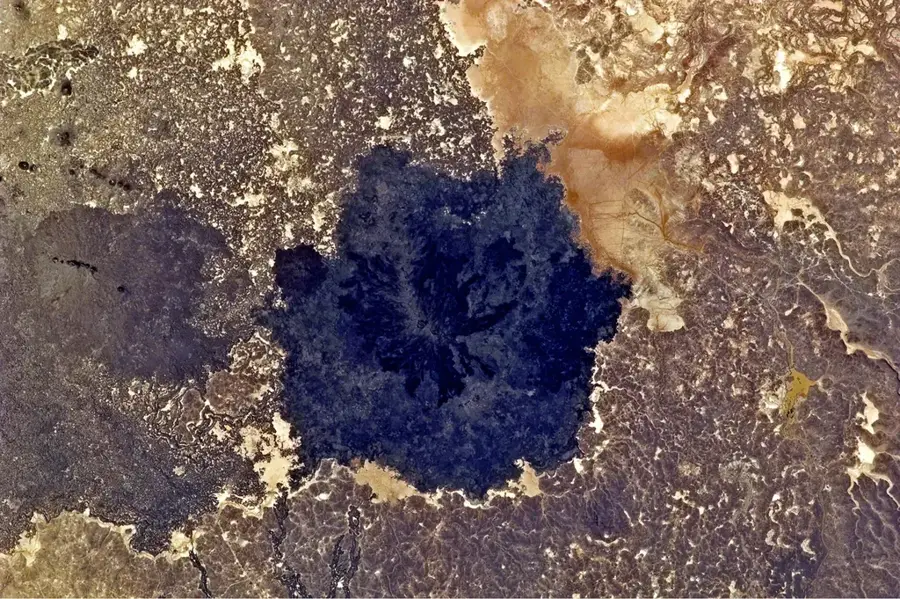
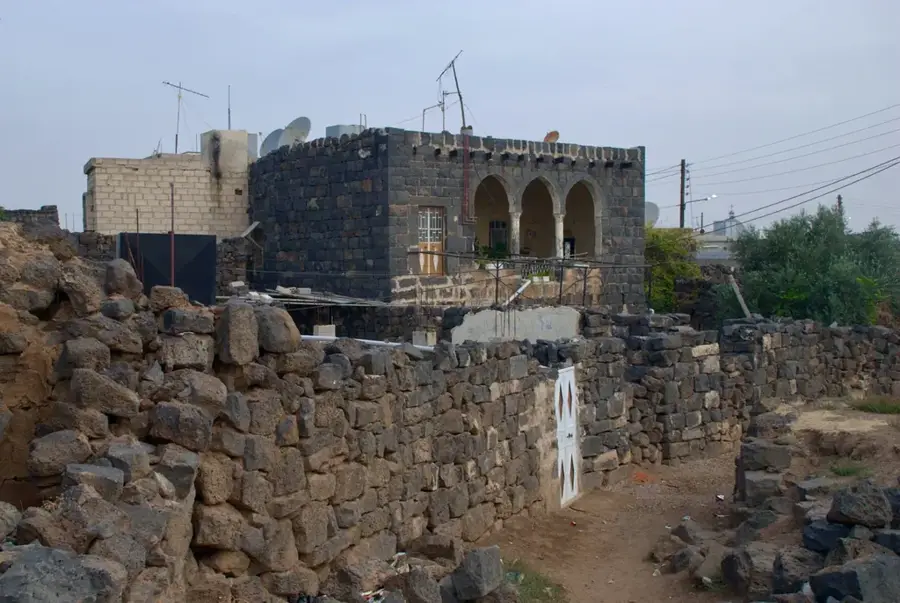
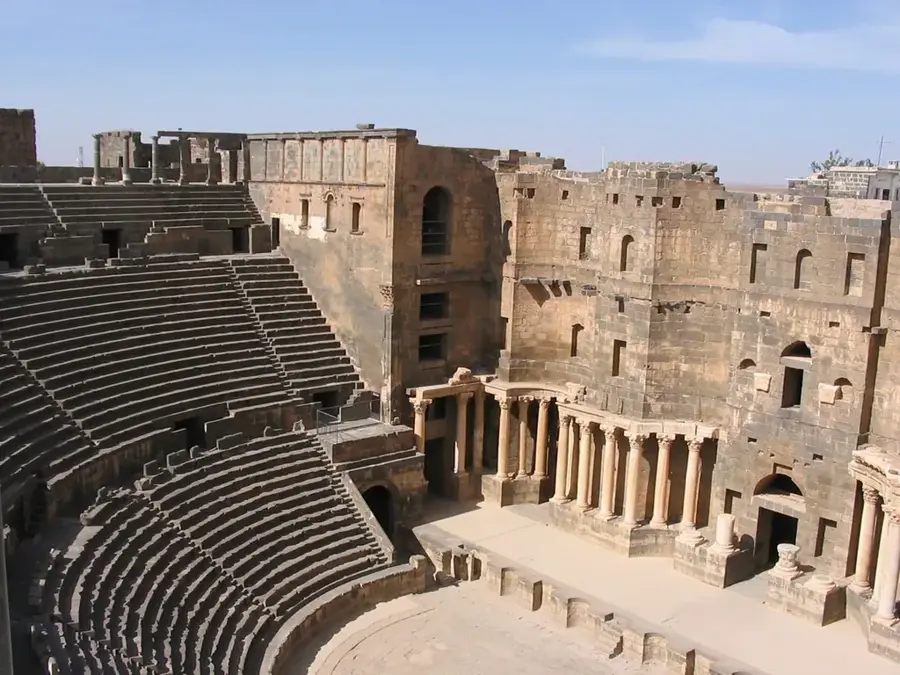
Al-Lajat is a unique volcanic plateau in southwestern Syria, stretching north of the Jabal al-Druze mountain range. Geologically, it consists of a solidified mass of lava that erupted between 2 and 5 million years ago, creating an extremely rugged and sharp-edged surface of black basalt. Because of this impassable topography, Al-Lajat is often referred to as a 'natural fortress' and has served as an impregnable hideout for rebels and refugees since ancient times. Despite its barren appearance, the plateau supports surprising biodiversity and was designated as Syria's first Biosphere Reserve in 2009. Historically, the region is closely tied to the ancient kingdoms of the Itureans and Nabataeans, with sites like Shahba showcasing Roman-era basalt architecture. Local residents utilize small fertile pockets between the rocks for subsistence farming and grazing, while relying on ancient cisterns to collect and store precious rainwater.

Best time to visit & climate

The most pleasant time to visit is May, Sep, Oct.

JanFebMarAprMayJunJulAugSepOctNovDec
Avg °C8913172226282826221510
Rain mm6154281661011102952

📋 Practical info

🧭
Getting there
Approaching this rugged volcanic area generally involves traveling south from Damascus, navigating a network of secondary roads that skirt the edges of the rocky landscape. Public transport is typically minimal, making private vehicles or specialized local drivers the most practical option.
📅
Best season
Spring is often considered the well-suited time to visit, as the harsh basalt terrain is briefly softened by patches of greenery and tolerable daytime temperatures. Summer brings searing, unyielding heat that bakes the dark rocks, rendering extensive exploration quite uncomfortable.
⛰️
Terrain & paths
The terrain is notoriously challenging, defined by fractured basalt, jagged lava fields, and hidden crevices that once provided great shelter for historical outlaws. Sturdy footing is essential, as the uneven and abrasive volcanic rock makes hiking physically demanding and slow.
🎒
What to bring
Extraordinarily tough hiking boots with excellent ankle support are strictly required to safely traverse the sharp, shifting basalt blocks. Visitors must also pack plenty of hydration and comprehensive first-aid supplies, as slips on the abrasive rocks can easily cause deep cuts.
🅿️
Parking
Vehicles are usually left in the designated outskirts of nearby agricultural villages, as the core plateau is entirely impenetrable by normal cars. It is highly advisable to make parking arrangements with local residents or guides to ensure the vehicle remains safe while you explore.
⚠️
Safety
Navigating this intricate labyrinth of rocks without an experienced local guide is highly risky due to the severe likelihood of getting lost. Additionally, travelers must meticulously verify the current regional security conditions and always exercise utmost caution in this border region.
⏱️
Time needed
Most practical visits are limited to a half-day excursion around the more accessible perimeters of the plateau, exploring historical ruins. Deep venturing into the rugged center requires significant expedition planning and could easily consume an entire day of grueling hiking.

Geography

Coordinates
32.91667, 36.33333

Facts

  • Al-Lajat covers an area of approximately 900 square kilometers.
  • The plateau was designated as a UNESCO Biosphere Reserve in 2009.
  • The average elevation of the plateau is between 600 and 700 meters.
  • In Arabic, 'Al-Lajat' translates roughly to 'place of refuge'.
  • During the Roman era, the region was officially known as 'Trachonitis'.
  • The basalt formations are sometimes so sharp that they can cut through footwear.

Explore nearby

Notable places around

Route planner — Car & Motorhome

Where do you start? We build the route here, with stops and country notes along the way.

Vehicle
Only stops with (optional):

© OpenStreetMap contributors · OpenRouteService

Sights in the town Al-Lajat (5)

Kawm ar Rumman🏺 historical

Ancient ruins situated on the rugged lava plateau of the Al-Lajat region.

Zebire🏺 historical

Abandoned stone structures amidst the black basalt rocks of the Leja area.

Burj Janin🏺 historical

A historic ruin site bearing witness to early settlement in this barren stone desert.

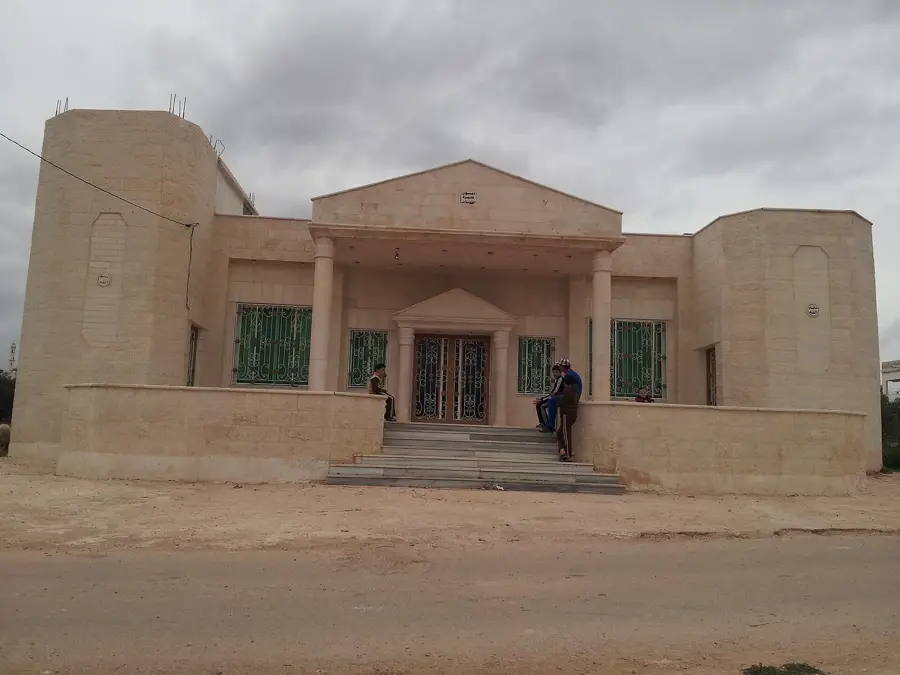
Al Khider Masjed📍 landmark

A traditional Muslim mosque serving the local community in the Al-Lajat plain.

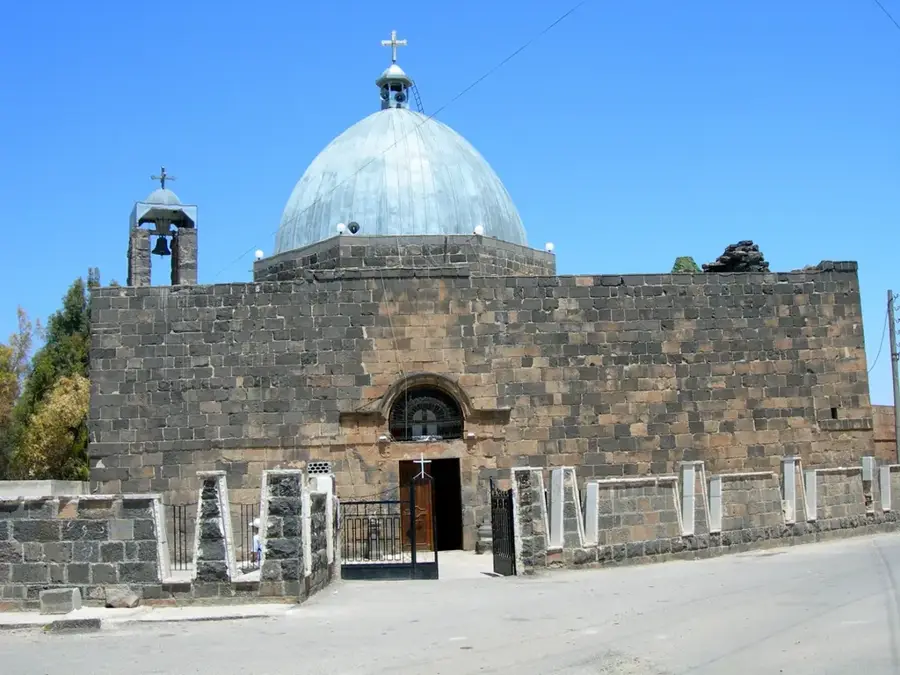
Church of St. George📍 landmark

A historic Christian church preserving the religious heritage of this rural region.

Sights nearby

Frequently asked questions

What is the terrain like in Al-Ladscha?
A very rocky, volcanic area.
Is it easily accessible for tourists?
No, it requires good planning.
Are there ruins there?
Yes, archaeologically very interesting.
What is the safest way to visit?
With a local guide.
Are there accommodations?
Only outside the area.
Al-Lajat: where is it located?
Al-Lajat is located in Syria.
Al-Lajat: what is there to see?
Highlights include Kawm ar Rumman, Zebire, Burj Janin.
Al-Lajat: when is the best time to visit?
The most pleasant time to visit is May, Sep, Oct.
Al-Lajat: why is it worth visiting?
Al-Lajat is a unique volcanic plateau in southwestern Syria, stretching north of the Jabal al-Druze mountain range.
View on map → The Top 50 Attractions → OpenStreetMap →
Asia
Explore with Plizio Discover more places in Asia
More places in Syria →

Nearby cities

History & landmarks
Nature
More places