Plizio Visual Lab
Mafraq
ℹ️Practical info — Mafraq
▾
🌤 Weather — 5 days
📍 Nearby
Sights nearby
💡 Tips
- Mafraq is a major desert transport hub; the atmosphere is more rugged than in the capital, so dress modestly.
- Summers are extremely hot and dry here; carry plenty of water and plan outdoor activities for early morning or late afternoon.
- The city is close to the Syrian border and has a diverse population influenced by historical and recent migrations.
- If driving towards the eastern desert or Iraq, this is your last major stop for supplies and fuel.
🍽 Food
Look for traditional restaurants catering to travelers and locals, offering generous portions of Jordan's national dish.
Enjoy sweet black tea flavored with sage or thyme, commonly offered at local cafes and rest stops.
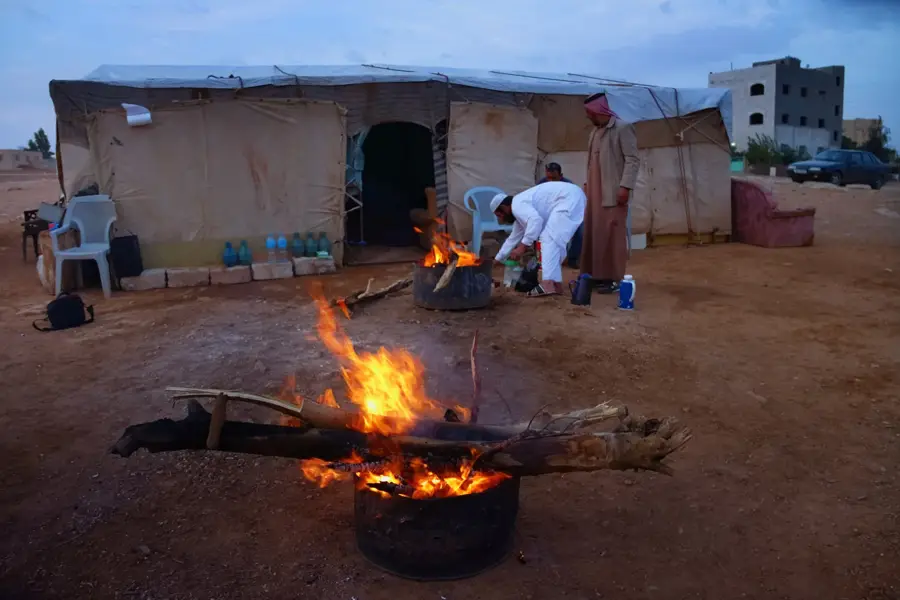
A staple at local diners, especially comforting during the surprisingly cold desert nights.
🛍 Shopping · 🧘 Quiet spots
The central market is a great place to find practical items, camping gear, and heavy woven blankets used by desert dwellers.
Purchase different varieties of dates from local vendors near the main bus and taxi stations.
Drive just a few kilometers outside the city center to experience the stark, quiet beauty of the eastern desert landscape.
The university grounds on the edge of the city offer a more structured and peaceful environment compared to the bustling downtown.
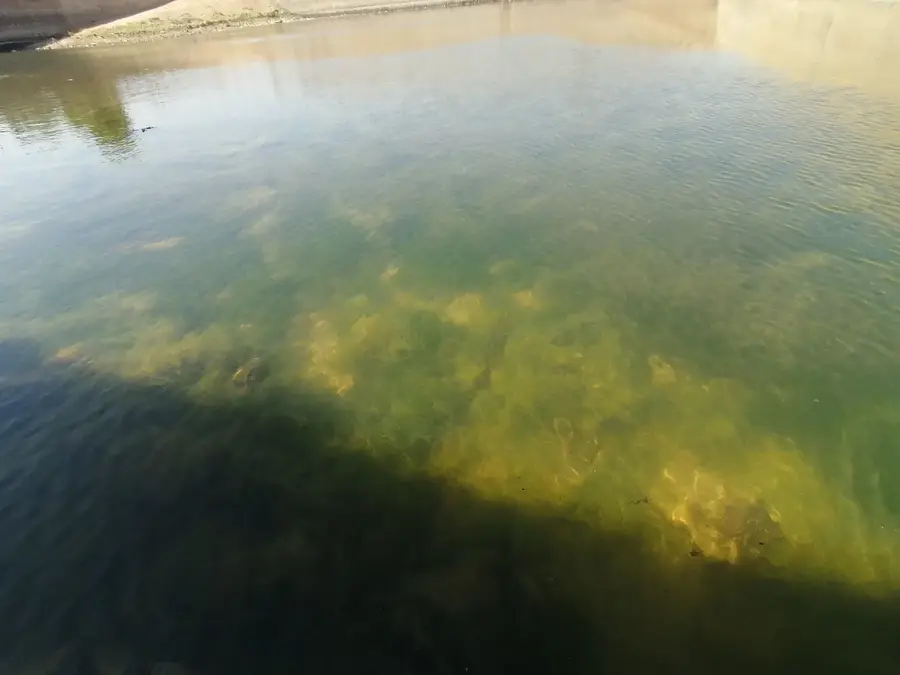
Water temperature…
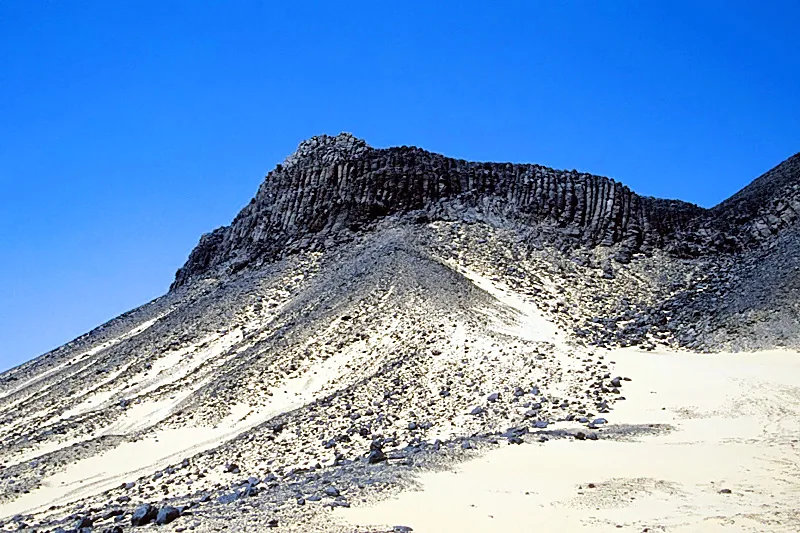
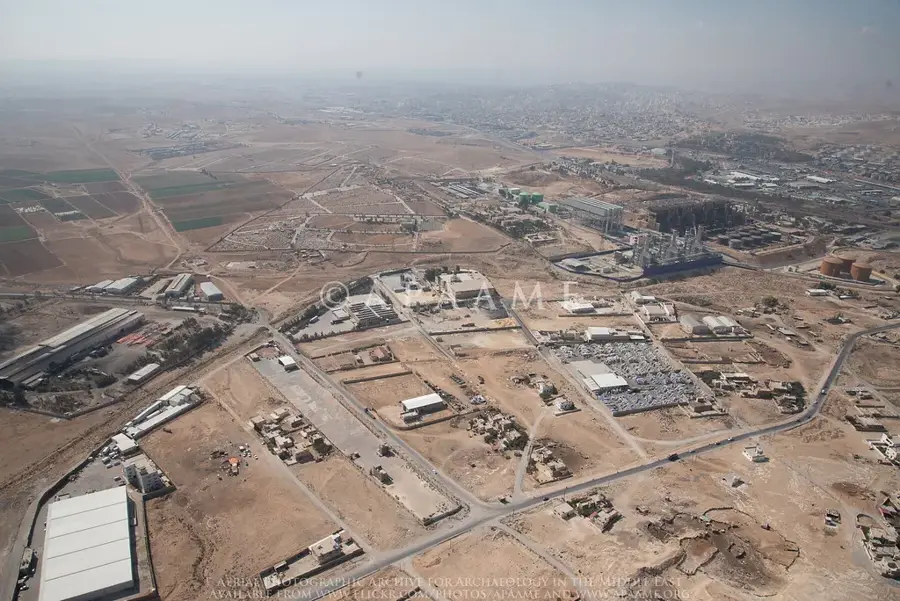
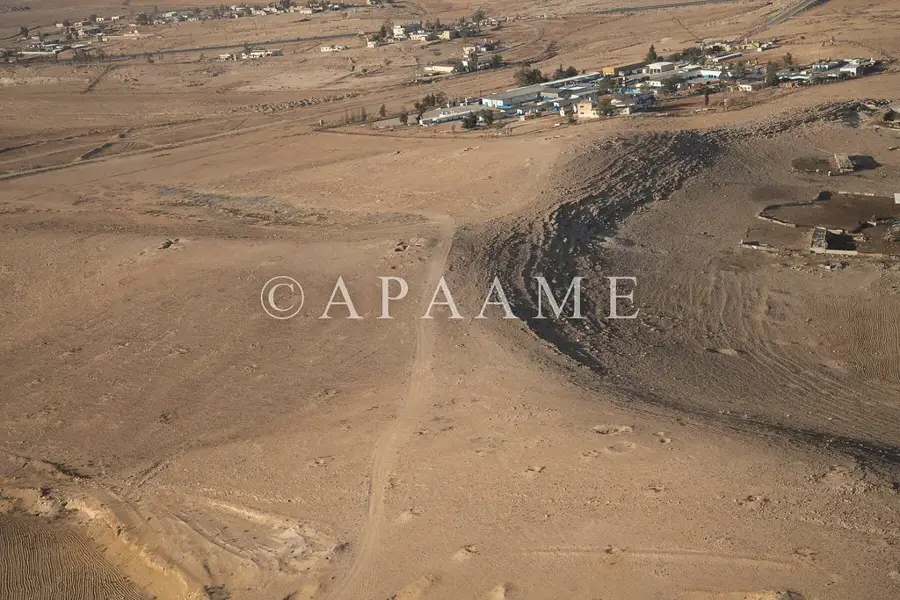
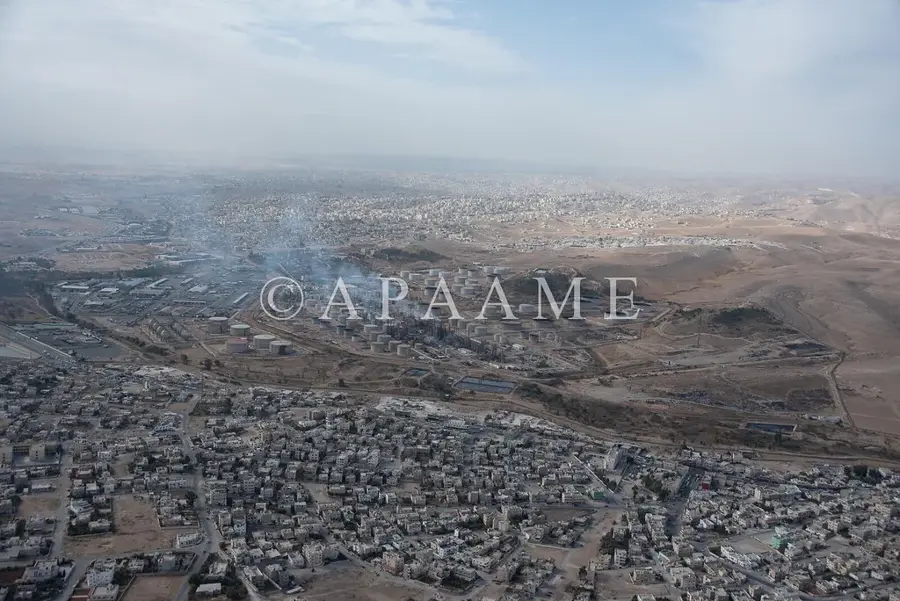
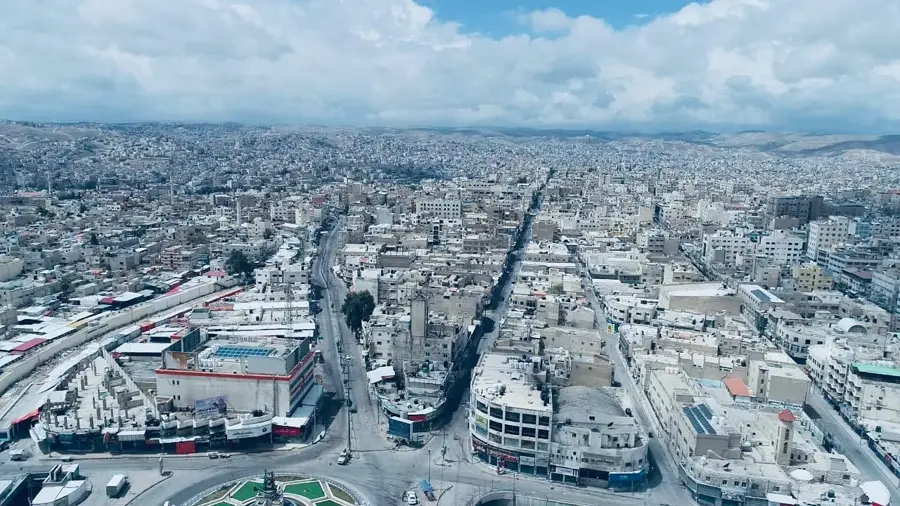
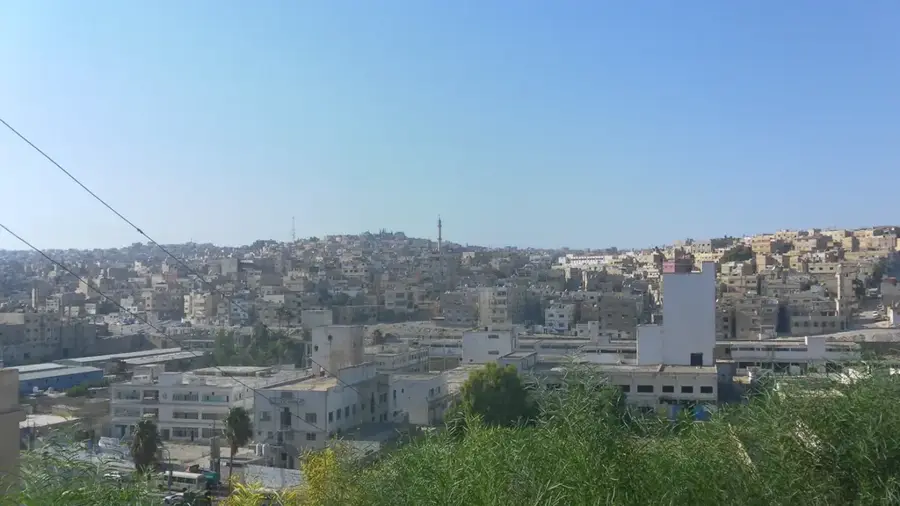
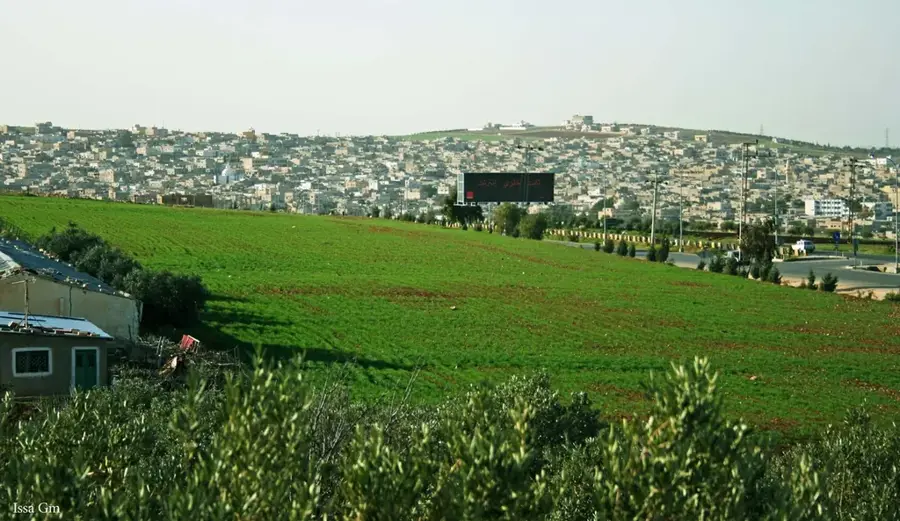
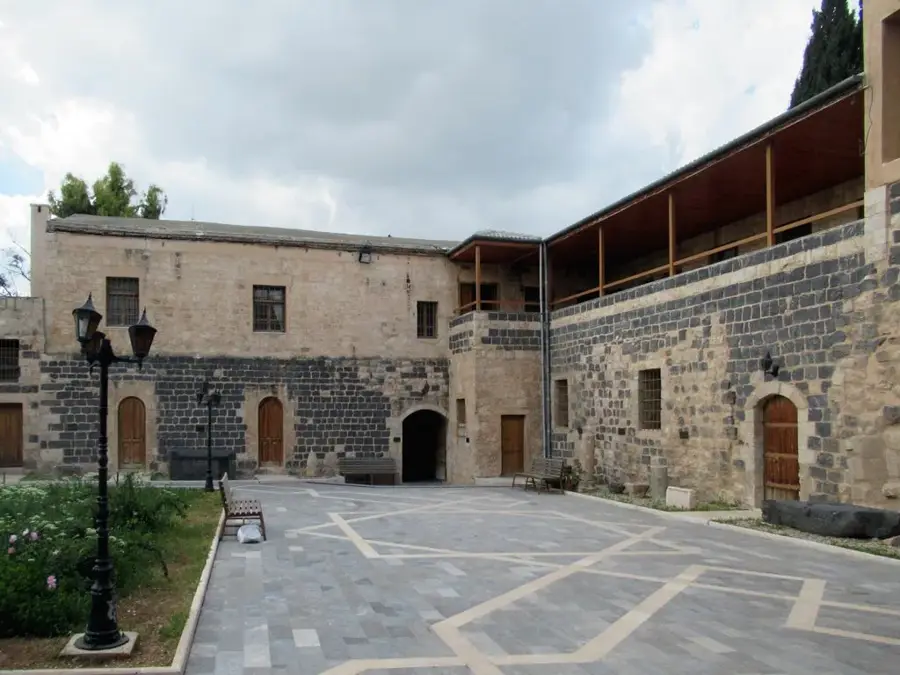
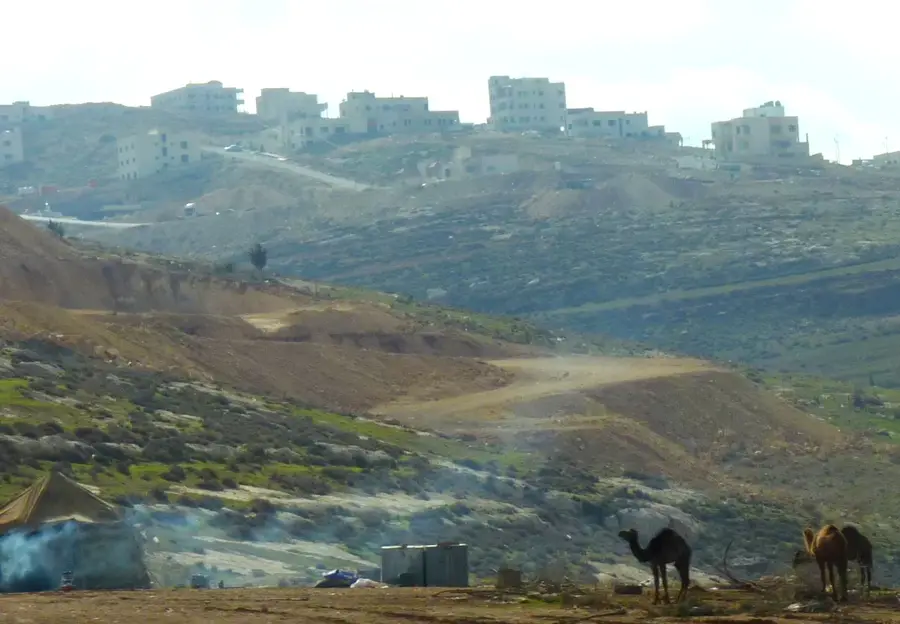
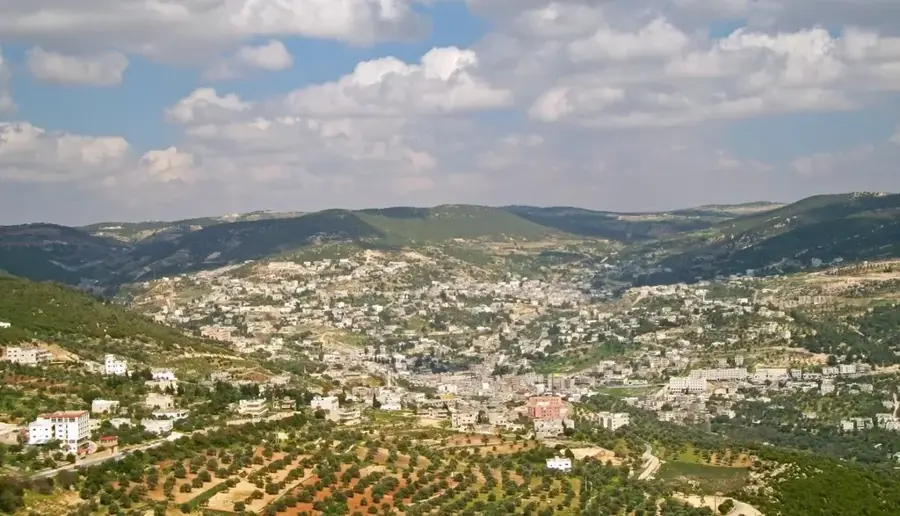
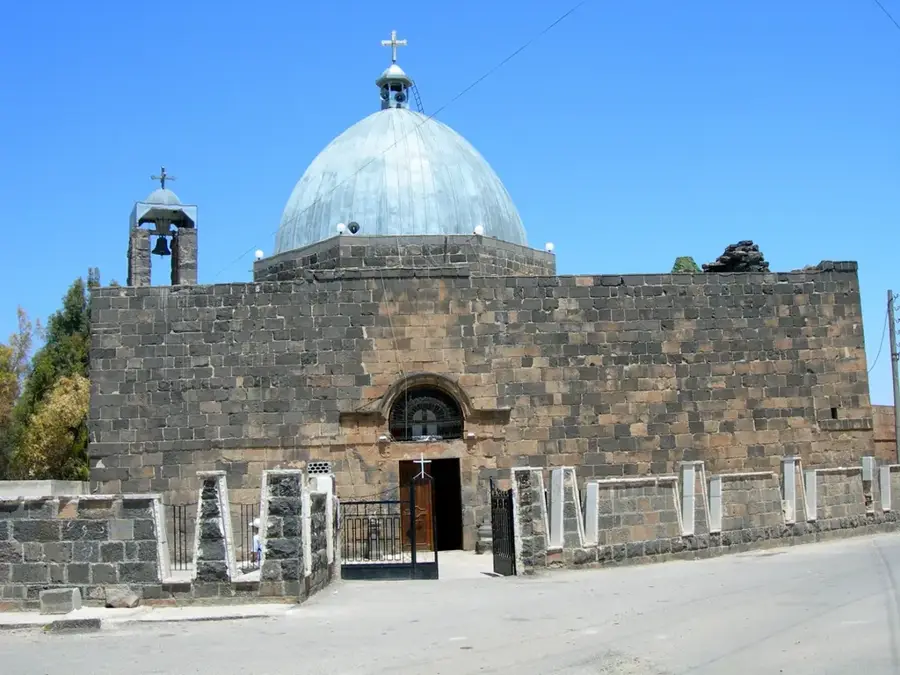
Mafraq is the capital city of the Mafraq Governorate in northern Jordan, situated at a strategic crossroads connecting Jordan with Syria, Iraq, and Saudi Arabia. Its name, which translates to "crossroads" in Arabic, reflects its historical and contemporary role as a major transit hub. The city is located on the edge of the Syrian Desert and is characterized by its arid climate and basalt-covered landscape. Mafraq gained significant importance in the early 20th century with the establishment of a British Royal Air Force base in 1918 and its proximity to the Hejaz Railway. Since 1994, it has hosted the Al al-Bayt University, which has brought a diverse student population and stimulated local development. In recent years, Mafraq has become internationally known for its proximity to the Zaatari refugee camp, which was opened in 2012 to house people displaced by the Syrian conflict. Despite the challenges of rapid population growth and water scarcity, the city continues to serve as an essential link for regional trade.
- Location: Jordan
- Nearby: Al-Hashimiyah (21 km)
- Population: ~57.118 (2014)
Best time to visit & climate
The most pleasant time to visit is May, Sep, Oct.
| Jan | Feb | Mar | Apr | May | Jun | Jul | Aug | Sep | Oct | Nov | Dec | |
|---|---|---|---|---|---|---|---|---|---|---|---|---|
| Avg °C | 8 | 9 | 13 | 16 | 21 | 25 | 27 | 26 | 25 | 21 | 14 | 10 |
| Rain mm | 49 | 45 | 24 | 13 | 4 | 1 | 0 | 1 | 1 | 7 | 20 | 42 |
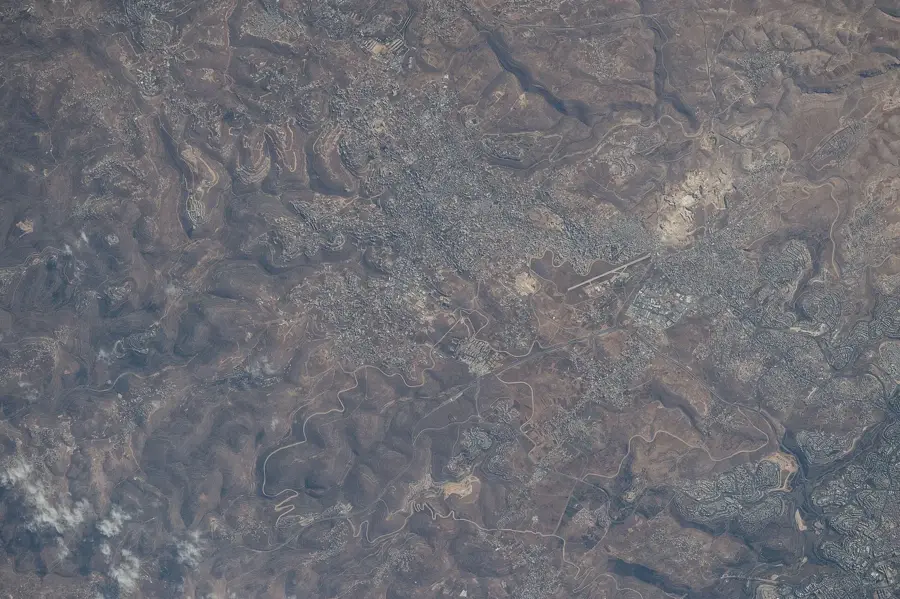
Geography
Facts
- Mafraq was a key station on the historic Hejaz Railway, which connected Damascus to Medina in the early 1900s.
- Al al-Bayt University was established in Mafraq in 1994 by royal decree from King Hussein.
- The city is located about 80 kilometers northeast of Amman and 50 kilometers from the Iraqi border.
- The Zaatari refugee camp, located 10 kilometers east of Mafraq, opened in July 2012.
- Mafraq sits at an elevation of approximately 700 meters above sea level in a predominantly basalt desert region.
- The city was home to an important RAF airbase from 1918 until the mid-20th century.
Explore nearby
Notable places around
Route planner — Car & Motorhome
Where do you start? We build the route here, with stops and country notes along the way.
© OpenStreetMap contributors · OpenRouteService
Sights in the town Mafraq (1)
Frequently asked questions
What does the name Mafraq mean?
Are there historical sites in Mafraq?
What is the weather like in Mafraq?
Can you visit the city as a tourist?
Are there good restaurants?
Mafraq: where is it located?
Mafraq: when is the best time to visit?
Mafraq: why is it worth visiting?

Nearby cities
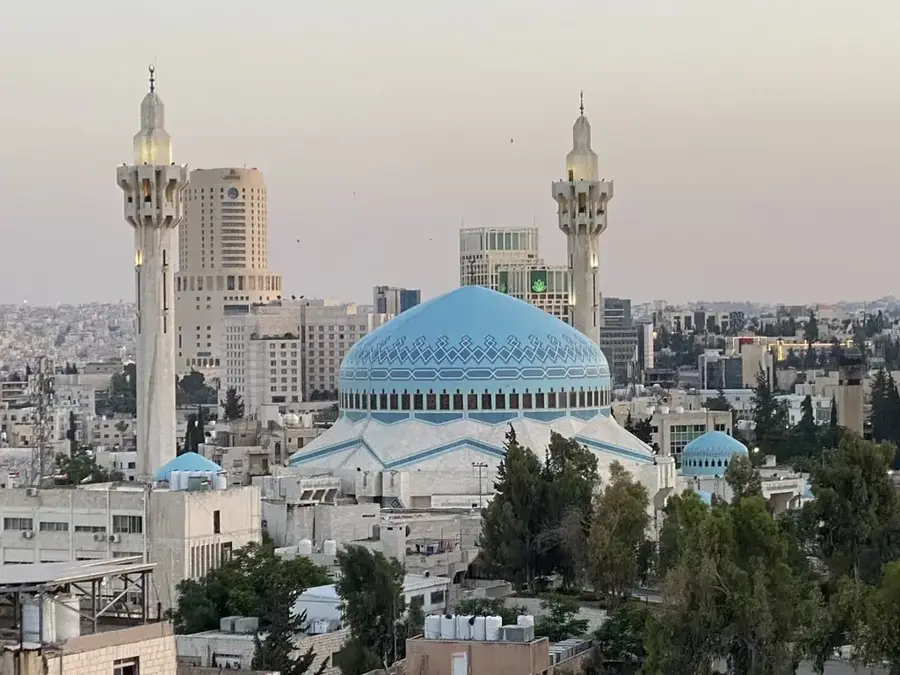
History & landmarks
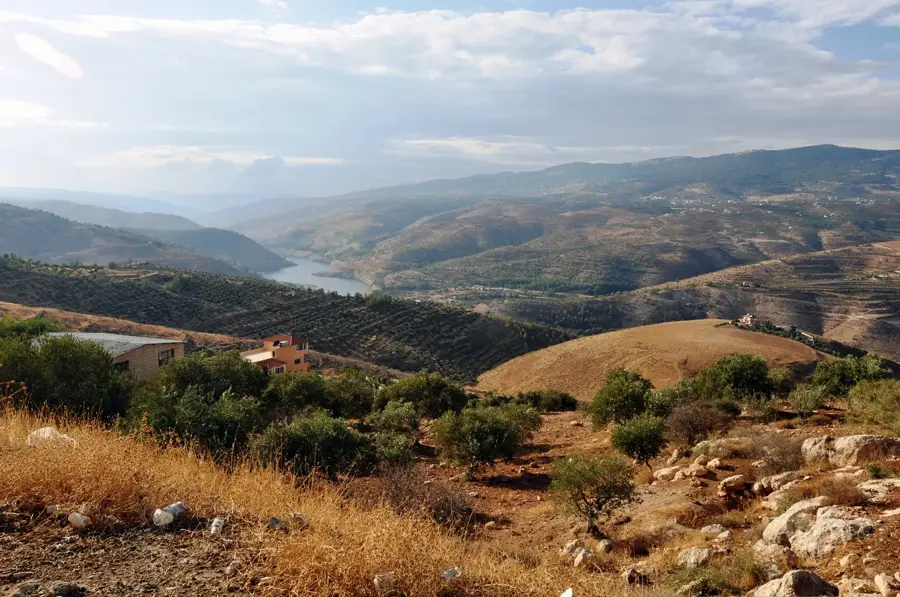
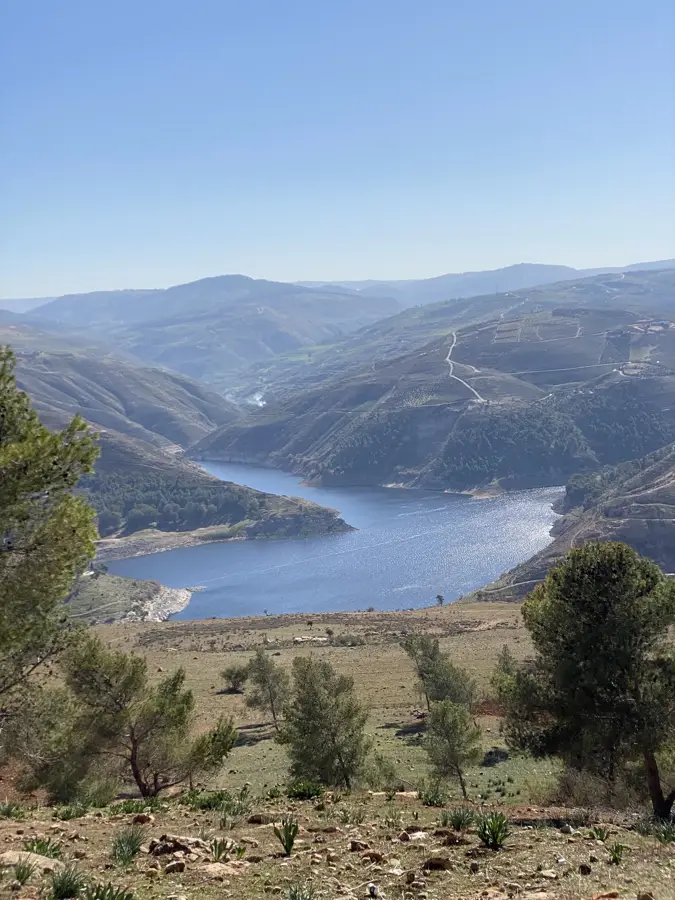
Nature
More places