Plizio Visual Lab

Barada
Plizio editorial teamData Sources
River
—°7
Barada (Syria)

Weather…

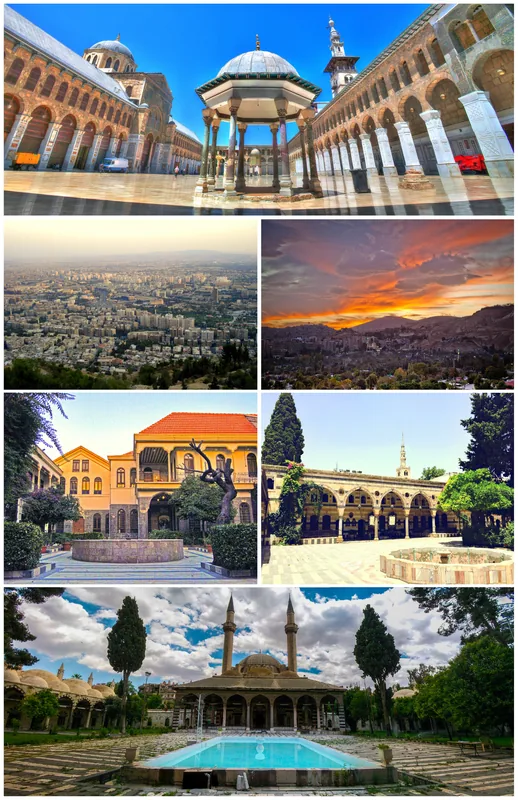
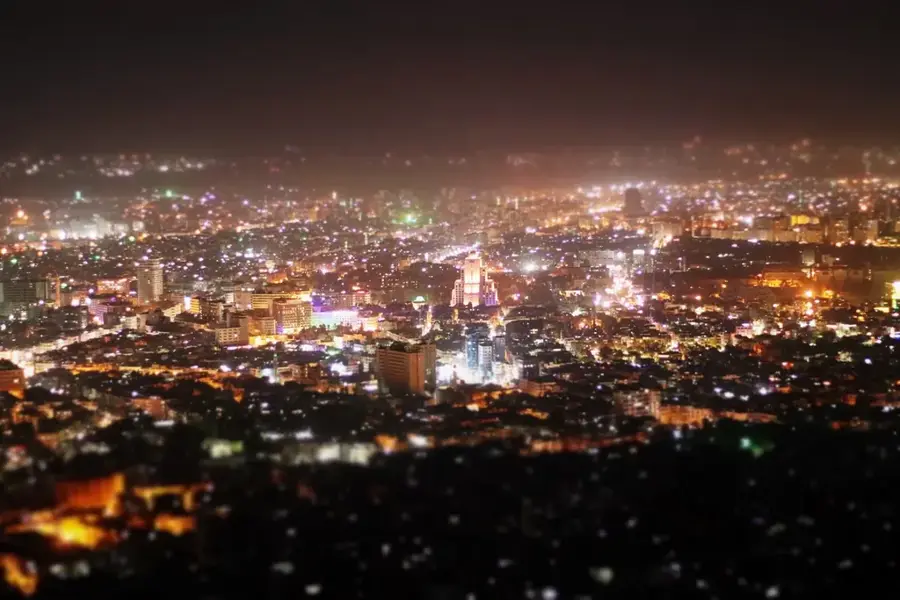
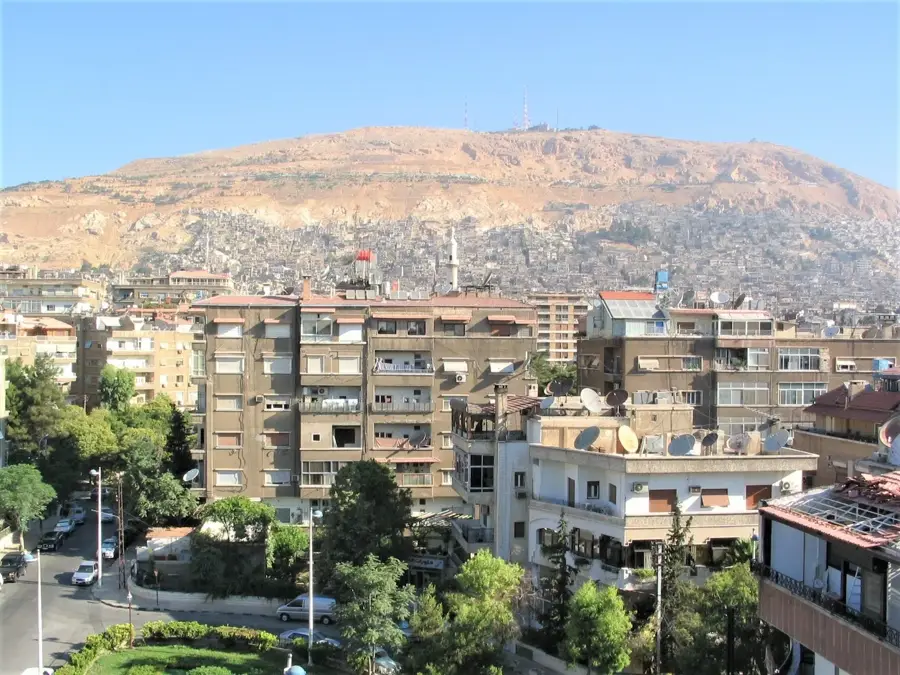
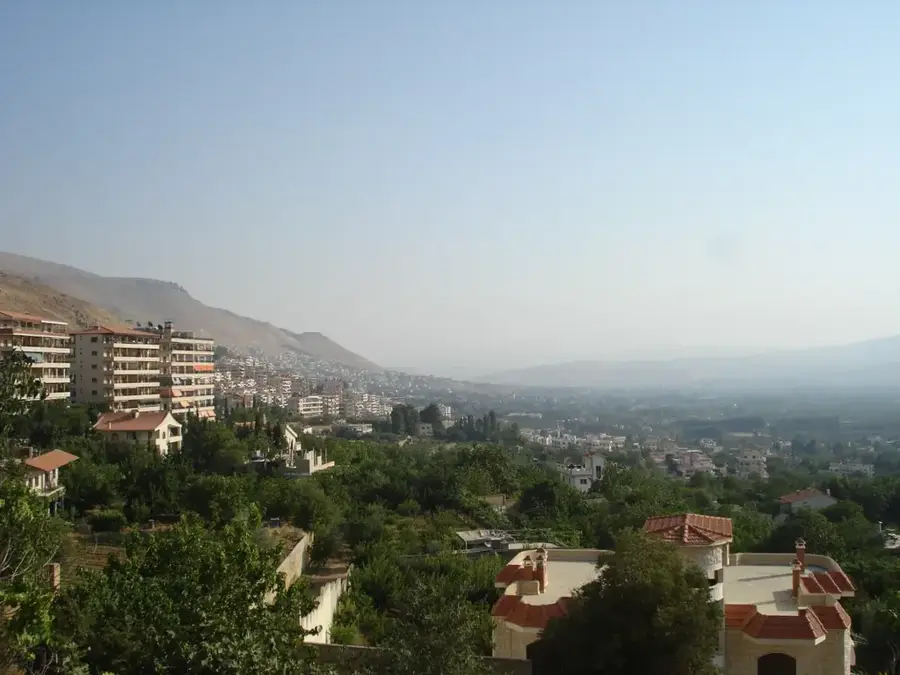
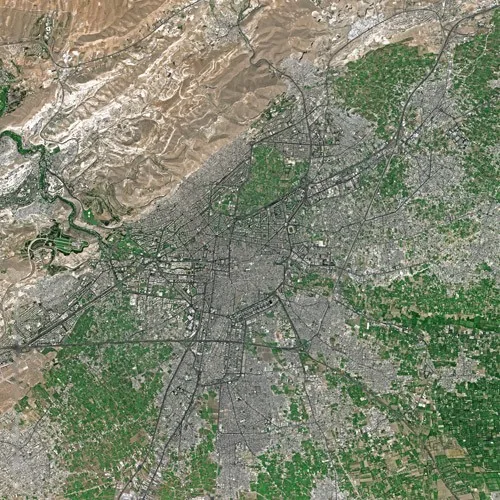
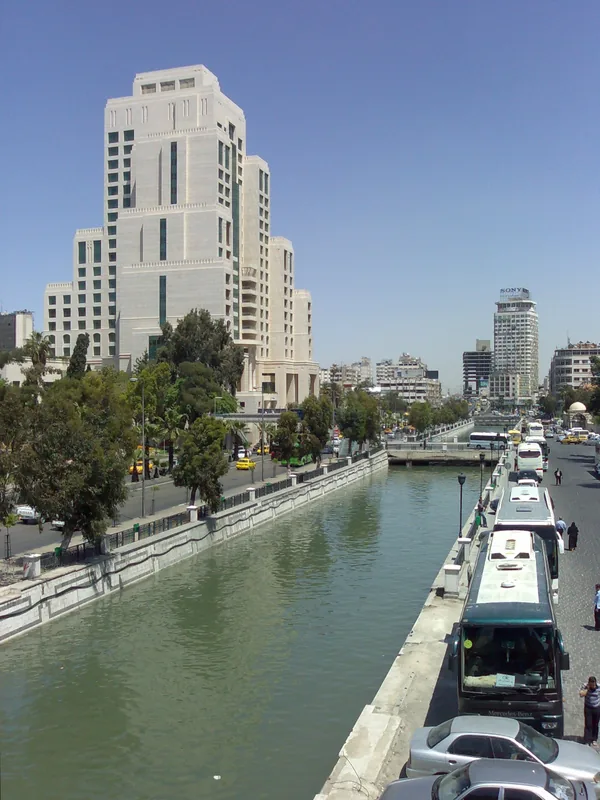
The Barada River is the lifeblood of Damascus and the primary reason the Syrian capital has existed as one of the world's oldest continuously inhabited cities. Originating in the Anti-Lebanon Mountains at the Figeh spring, it flows approximately 71 kilometers eastward before terminating in the endorheic Ghouta basin. Without the Barada, the oasis of Damascus (Ghouta) would simply be an extension of the Syrian Desert; instead, it has enabled intensive agriculture and sustained millions of people for millennia. As early as antiquity, inhabitants developed a sophisticated system of seven major channels to distribute water across the plain, leading the Greeks to name it 'Chrysorrhoas' or the 'Golden River.' The river is also mentioned in the Bible as the 'Abana,' highlighting its historical prominence across civilizations. Today, the river faces severe challenges from water scarcity and pollution as groundwater levels drop and urban sprawl encroaches on its banks. Nevertheless, the Barada remains the cultural and ecological heart of Damascus, and its preservation is vital for the region's future survival.

Best time to visit & climate

The most pleasant time to visit is May, Jun, Sep.

JanFebMarAprMayJunJulAugSepOctNovDec
Avg °C561014192426262319117
Rain mm6957291871002133557

📋 Practical info

🧭
Getting there
The Barada river is most easily accessed from within the city of Damascus, where its channels run through various urban districts and parks. Outside the city, the river can be followed along historical routes leading towards the Ghouta oasis.
📅
Best season
Spring is traditionally the most beautiful time to visit the riverbanks, when the water flow is typically stronger and the surrounding oasis is blooming. Autumn also provides pleasant, mild temperatures well-suited for walking along the urban river segments.
⛰️
Terrain & paths
Within the city limits, the terrain is fully paved and accessible, featuring pedestrian walkways and bridges crossing the river's branches. In the surrounding oasis areas, the ground becomes more agricultural with dirt paths and shaded groves.
🎒
What to bring
For urban exploration, standard comfortable walking shoes and casual clothing appropriate for the local culture are perfectly sufficient. A camera is highly recommended to capture the historical architecture that lines the riverbanks in the city.
🅿️
Parking
Parking in central Damascus can be quite challenging; visitors usually rely on designated city parking lots, hotel facilities, or public transportation. When visiting the rural oasis sections, roadside parking is typically available but informal.
⚠️
Safety
Visitors should always adhere to current local travel advisories and respect security checkpoints when moving around the city and its outskirts. The riverbanks are generally safe for daytime strolls, but it is wise to stay in populated, well-lit areas.
⏱️
Time needed
A leisurely walk along the main branches of the Barada within Damascus can take anywhere from one to three hours. Exploring the broader historical impact of the river on the Ghouta oasis could easily occupy an entire afternoon or more.

Geography

Coordinates
33.51660, 36.28330

Facts

  • The Barada River has a total length of approximately 71 kilometers.
  • The Figeh spring provides nearly all the drinking water for the city of Damascus.
  • In ancient Greek times, the river was famously called the 'Chrysorrhoas'.
  • The river's flow is historically divided into seven main branches within the city.
  • The Barada terminates in the marshy lake of Bahrat al-Utaybah east of the oasis.
  • It is identified as the biblical 'Abana' river in the Second Book of Kings.

Explore nearby

Notable places around
Route planner — Car & Motorhome

Where do you start? We build the route here, with stops and country notes along the way.

Vehicle
Only stops with (optional):

© OpenStreetMap contributors · OpenRouteService

Sights in the town Barada (7)

Damascus Opera House🎭 culture

This modern cultural center on Umayyad Square houses three different performance halls.

Salimiyya Takiyya⛪ religious

This historical Ottoman-era complex includes a mosque and a former pilgrims' hospice.

Sebki Park🌳 park

This popular city-center park is a green gathering spot featuring central fountains.

Al Jahez Park🌳 park

This shaded urban park is named after a famous scholar and is a favorite leisure spot for families.

Zain Al Abdeen Mosque📍 landmark

This historical mosque is located in the Salihiyah district at the foot of Mount Qasioun.

Al Jisr Al Abyad Mosque📍 landmark

This mosque is situated in the Al-Jisr Al-Abyad area and is named after the historic 'White Bridge'.

Duk Al-Bab Mosque⛪ religious

This small, traditional mosque is hidden near the historic gates of the Old City.

Sights nearby

Frequently asked questions

Is the Barada river area family-friendly?
Yes, the riverside areas often offer shaded spots suitable for picnics.
When is the best time to visit Barada?
Spring and autumn are well-suited, when the weather is pleasantly mild.
Are there hiking options along the river?
There are some unpaved paths that invite you for a walk.
Is there a fee to access the river?
Access to public river sections is generally free of charge.
Are there restrooms nearby?
Public restrooms are rare; usually, they are only found in nearby cafes.
Barada: where is it located?
Barada is located in Syria.
Barada: what is there to see?
Highlights include Damascus Opera House, Salimiyya Takiyya, Sebki Park.
Barada: when is the best time to visit?
The most pleasant time to visit is May, Jun, Sep.
Barada: why is it worth visiting?
The Barada River is the lifeblood of Damascus and the primary reason the Syrian capital has existed as one of the world's oldest continuously inhabited cities.
View on map → The Top 50 Attractions → OpenStreetMap →
Asia
Explore with Plizio Discover more places in Asia
More places in Syria →

Nearby cities

History & landmarks
More places