Plizio Visual Lab
Ghouta Oasis
Weather…
Water temperature…
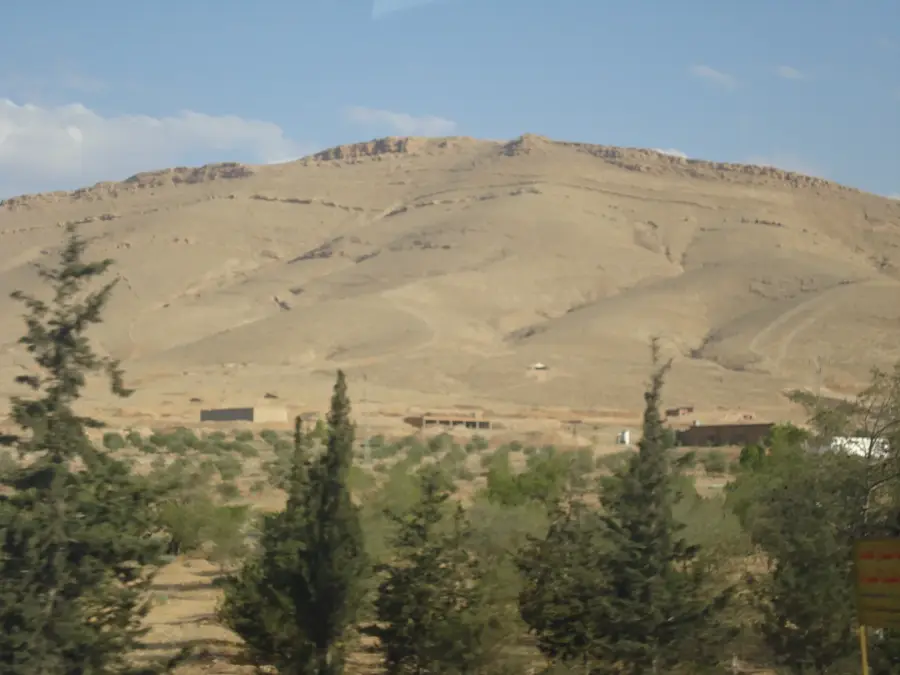
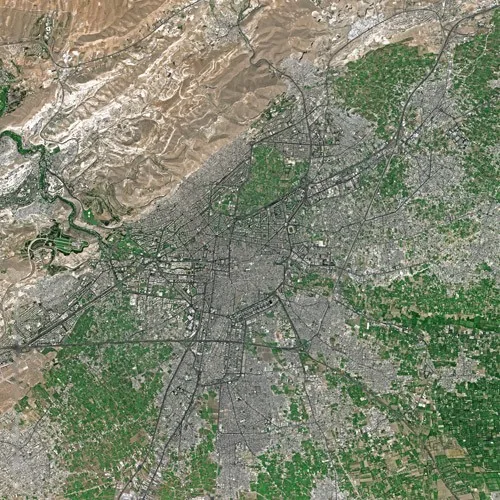
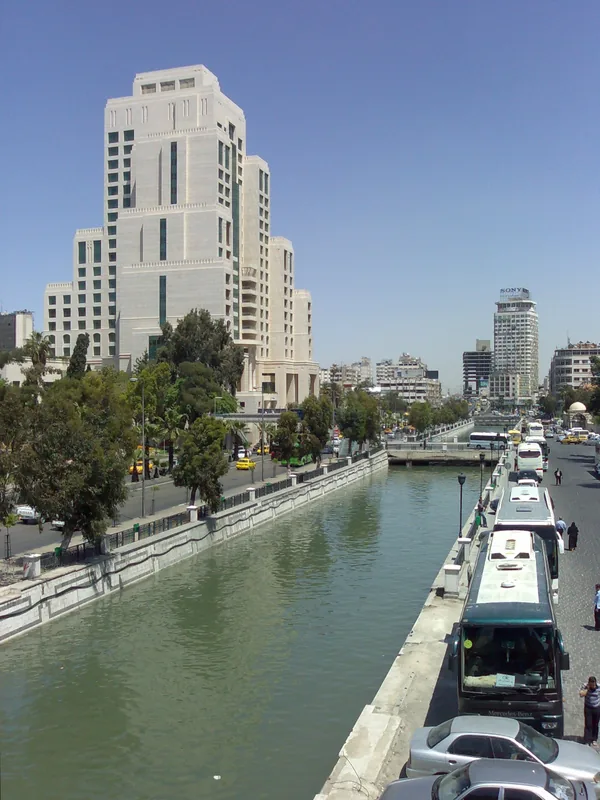
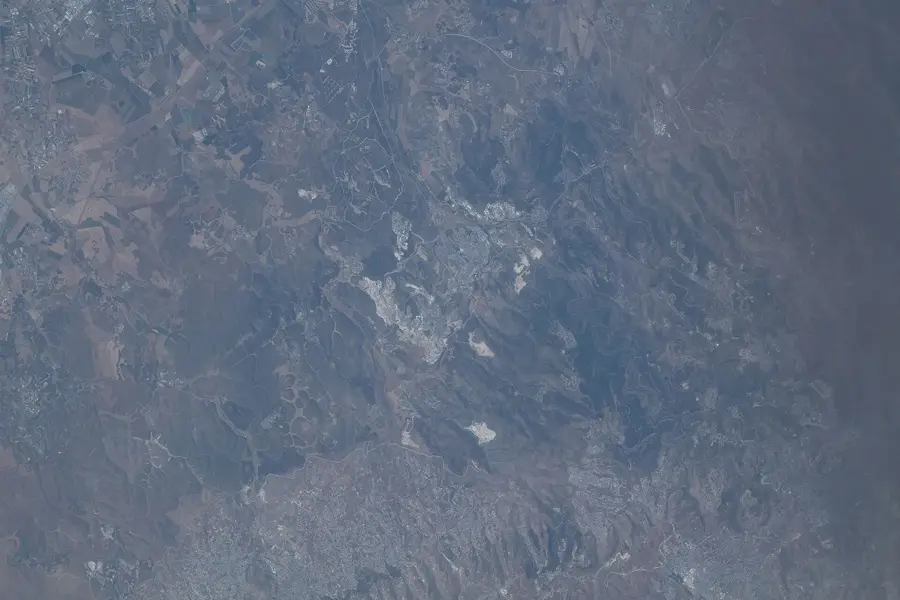
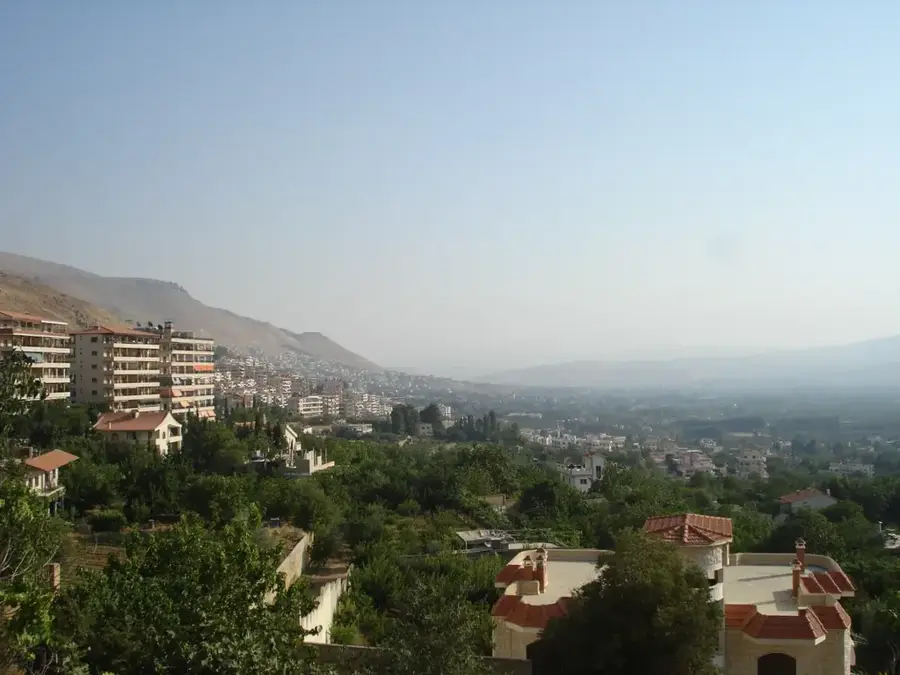
The Ghouta Oasis is a historic green belt that surrounds the Syrian capital of Damascus, sustained for millennia by the waters of the Barada River. This exceptionally fertile region is renowned for its lush orchards, where apricots, walnuts, figs, and pomegranates have traditionally flourished in abundance. Beyond its role as the primary agricultural supplier for Damascus, the Ghouta served as a natural buffer zone and recreational retreat that helped regulate the city's microclimate. The traditional irrigation systems, featuring intricate networks of small canals and qanats, reflect ancient engineering expertise passed down through generations. In Syrian literature and poetry, the Ghouta is frequently depicted as an earthly paradise, symbolizing national fertility and prosperity. Over the last few decades, however, rapid urban sprawl has led to a significant decrease in agricultural land. Despite the severe damage sustained during recent conflicts, the Ghouta remains an indispensable part of the region's ecological and cultural heritage. Restoring these historic gardens is a high priority for local residents to preserve their traditional way of life and biodiversity.
- Location: Syria
- Top sights: Tahun Ghulah · Tahun Oudmoul · Tahun al Jrabate
- Nearby: Douma (7 km)
Best time to visit & climate
The most pleasant time to visit is May, Jun, Sep.
| Jan | Feb | Mar | Apr | May | Jun | Jul | Aug | Sep | Oct | Nov | Dec | |
|---|---|---|---|---|---|---|---|---|---|---|---|---|
| Avg °C | 5 | 6 | 10 | 14 | 19 | 24 | 26 | 26 | 23 | 19 | 11 | 7 |
| Rain mm | 69 | 57 | 29 | 18 | 7 | 1 | 0 | 0 | 2 | 13 | 35 | 57 |
📋 Practical info
Geography
Facts
- The oasis is primarily irrigated by the Barada River and its seven branches.
- Damascus is one of the oldest inhabited cities thanks to the Ghouta's resources.
- The region is particularly famous for its sweet Hamwi apricot variety.
- The Ghouta is historically divided into Eastern and Western sectors.
- Parts of the complex irrigation network date back to the Aramaic period.
- Walnut trees in the Ghouta are known to live for several hundred years.
Explore nearby
Notable places around
Route planner — Car & Motorhome
Where do you start? We build the route here, with stops and country notes along the way.
© OpenStreetMap contributors · OpenRouteService
Sights in the town Ghouta Oasis (3)
Sights nearby
Frequently asked questions
What is the Ghouta Oasis?
What grows there mainly?
Is the oasis accessible?
Why is it known?
Are there water sources there?
Ghouta Oasis: where is it located?
Ghouta Oasis: what is there to see?
Ghouta Oasis: when is the best time to visit?
Ghouta Oasis: why is it worth visiting?

Nearby cities

History & landmarks
Nature
More places