Plizio Visual Lab
St. Moritz
ℹ️Practical info — St. Moritz
▾
🌤 Weather — 5 days
📍 Nearby
Sights nearby
💡 Tips
- The Upper Engadine has around 322 days of sunshine a year; pack sunglasses even in deep winter.
- If you plan to ski, look for the 'Snow & Deal' early booking system to save money on ski passes.
- To avoid the high prices of central St. Moritz, look for accommodation in nearby Pontresina or Celerina.
- The funicular up to Muottas Muragl has the most spectacular sunset views over the Engadine lakes.
- Take a walk on the frozen Lake St. Moritz in winter; it is safe and often hosts events like polo or horse racing.
🍽 Food
A traditional caramelized walnut pastry. Pick one up from a local bakery in the town center for a sweet treat.
A traditional Graubünden dish made of Spätzle dough wrapped in Swiss chard. Look for it in traditional mountain restaurants.
Grated potatoes mixed with flour and slowly roasted in butter, typically served with alpine cheese and applesauce. Try it in rustic taverns.
🛍 Shopping · 🧘 Quiet spots
The highest luxury shopping street in the world. Even if you are not buying, window shopping here is an experience.
Visit a local dairy (Sennerei) in the Engadine valley to buy fresh alpine cheese directly from the producers.
A short walk from the town center, this idyllic forest lake is completely peaceful and provides a scenic spot to relax.
The area around this museum dedicated to the alpine painter has quiet spots with beautiful valley panoramas.
Water temperature…
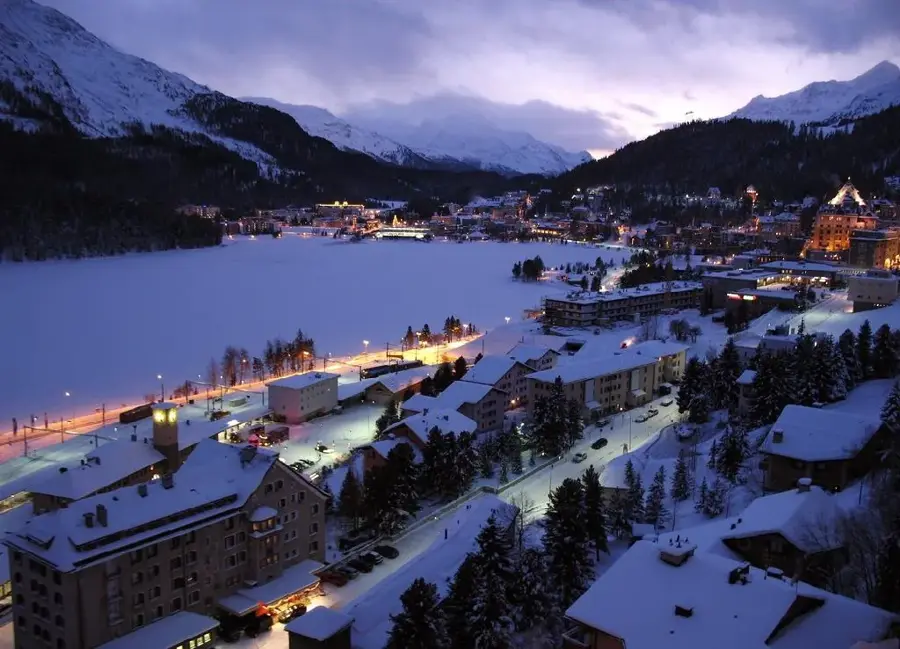
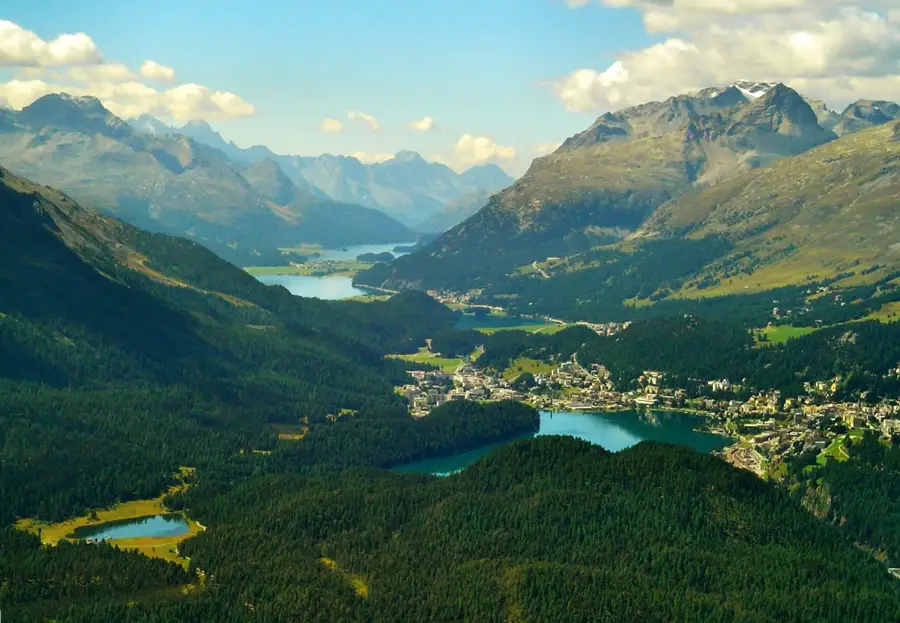
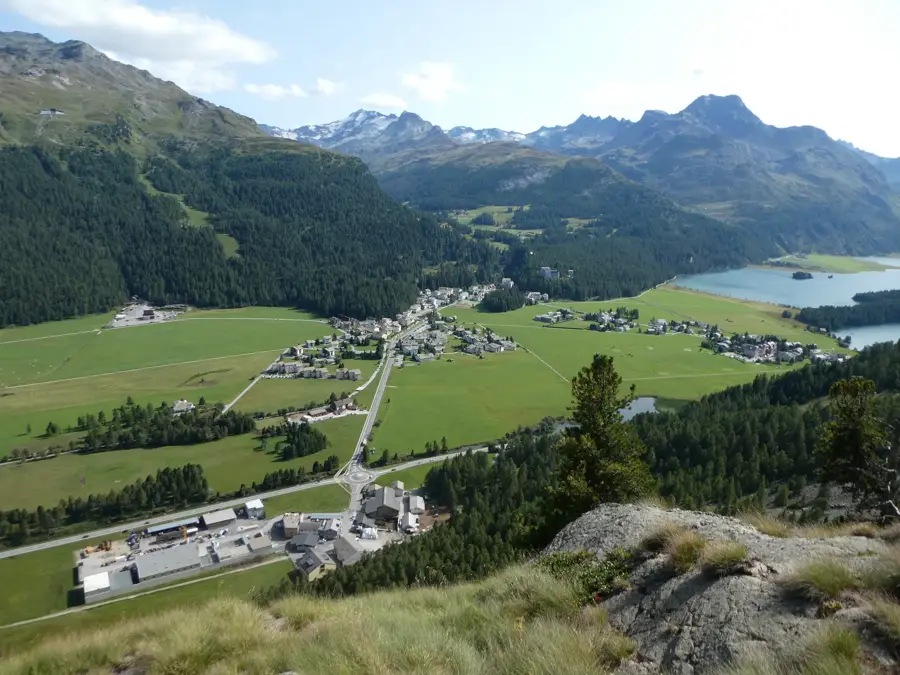
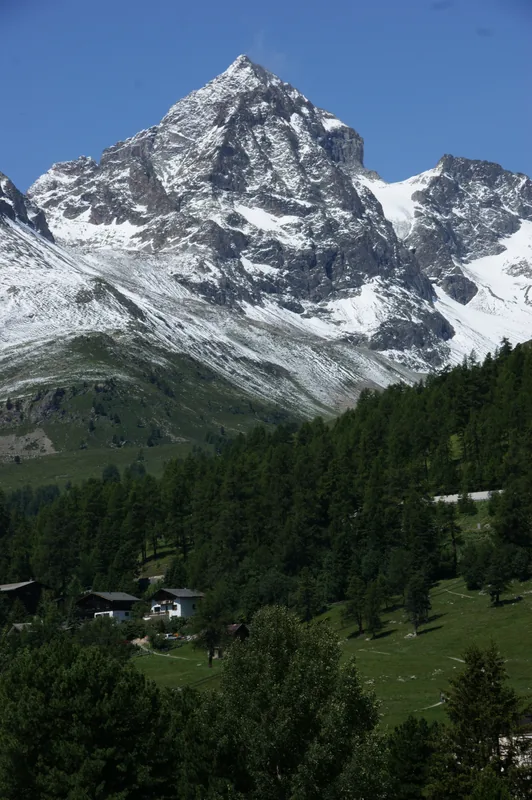
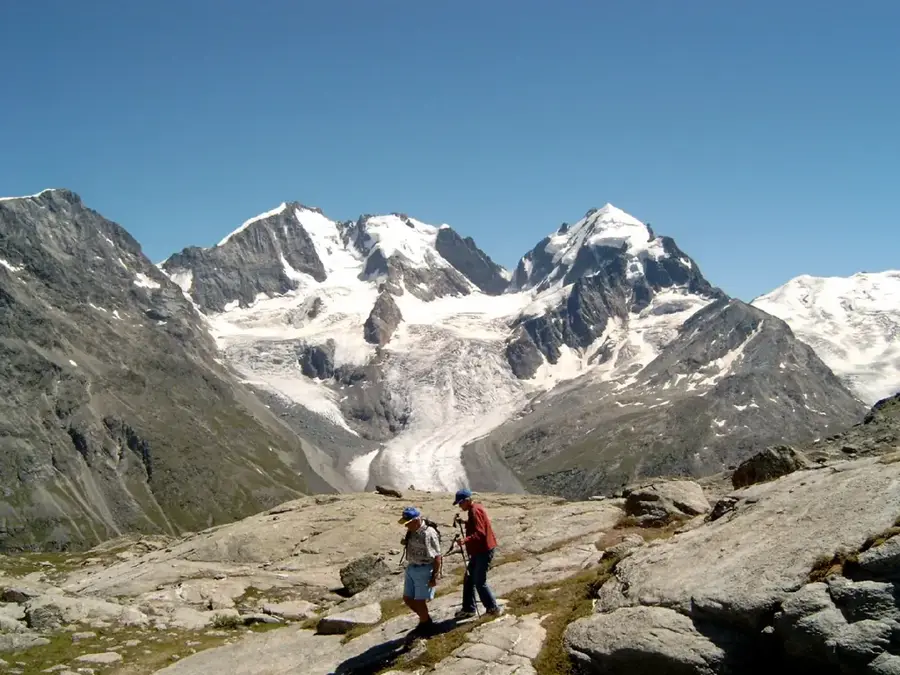
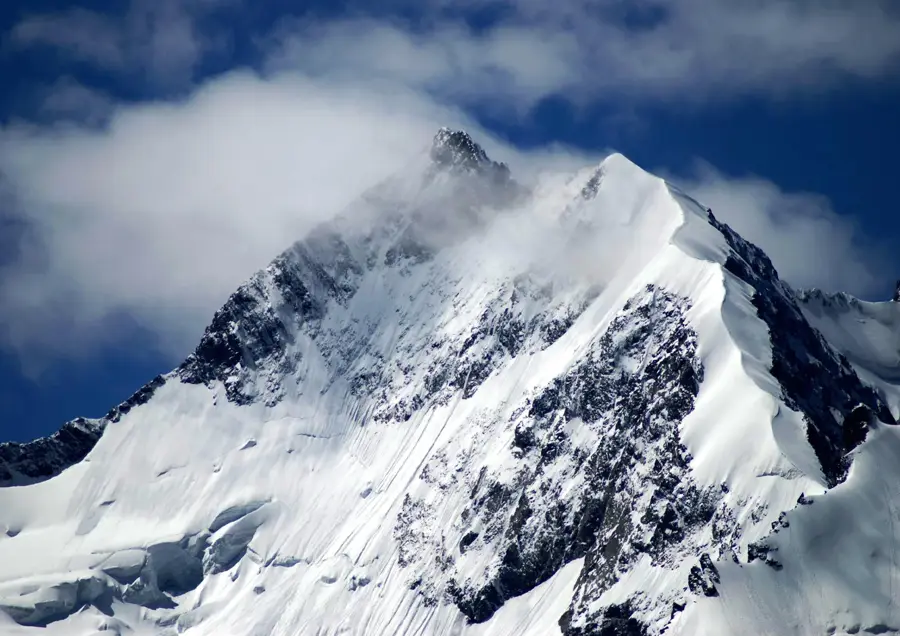
St. Moritz is one of the world's most famous and exclusive resort destinations, located in the Upper Engadine at an elevation of 1,856 meters. The town has a heritage spanning over 3,000 years as a mineral spa, thanks to its iron-rich springs. In 1864, Johannes Badrutt pioneered alpine winter tourism here through a legendary bet with his summer guests. St. Moritz has hosted the Winter Olympics twice (1928 and 1948) and is the birthplace of the Cresta Run and modern bobsleighing. Its geographic setting by Lake St. Moritz, combined with the legendary 'champagne climate' and over 300 days of sunshine per year, makes it a unique destination. Today, St. Moritz stands for luxury, world-class hospitality, and spectacular events like the White Turf horse races held on the frozen lake. Beyond its glitz, the surrounding peaks of the Bernina Massif offer panoramic natural experiences for mountaineers and skiers alike.
- Location: Switzerland
- Top sights: Mili Weber · Segantini Museum · Berry Museum
- Nearby: Pontresina (5 km)
- Population: ~4.952
Best time to visit & climate
The most pleasant time to visit is Jun–Aug.
| Jan | Feb | Mar | Apr | May | Jun | Jul | Aug | Sep | Oct | Nov | Dec | |
|---|---|---|---|---|---|---|---|---|---|---|---|---|
| Avg °C | -10 | -10 | -6 | 0 | 5 | 9 | 11 | 11 | 7 | 2 | -3 | -9 |
| Rain mm | 55 | 47 | 61 | 81 | 120 | 129 | 129 | 145 | 99 | 99 | 102 | 65 |
Geography
Facts
- St. Moritz is situated at 1,856 meters and enjoys over 300 days of sun annually.
- The town hosted the Winter Olympic Games in both 1928 and 1948.
- The iron-rich mineral waters of St. Moritz were used as far back as the Bronze Age.
- In 1878, the first electric light in Switzerland was installed here.
- The Cresta Run is the world's most famous natural ice skeleton track.
- The 'champagne climate' refers to the dry, sparkling air of the Engadine valley.
Explore nearby
Notable places around
Route planner — Car & Motorhome
Where do you start? We build the route here, with stops and country notes along the way.
© OpenStreetMap contributors · OpenRouteService
Sights in the town St. Moritz (13)
Frequently asked questions
Why is St. Moritz famous as a resort?
What is the 'champagne climate'?
What is the Cresta Run?
Can you walk on Lake St. Moritz?
What is the White Turf?
St. Moritz: where is it located?
St. Moritz: what is there to see?
St. Moritz: when is the best time to visit?

Nearby cities