Chalä-Chilbi Dietikon
The traditional Chalä-Chilbi is a weekend of folk joy and customs with accordion groups, a beer tent and children's attractions.
PlizioGo
With Zurich so close, you can find this classic veal dish in almost all traditional guesthouses in the city.
Visit a modern bistro in the industrial district to try beers from small breweries in the Limmat Valley.
Try fresh Silserli or Butterzopf (braided bread) at one of the bakeries around the train station.
This modern shopping center provides everything for daily needs as well as well-known fashion brands.
Visit the market (usually on Saturdays) for fresh fruit, vegetables, and cheese directly from the farmers.
An extensive forested area above the city, well-suited for long, quiet walks in nature.
Follow the river towards Spreitenbach for quieter sections away from the residential areas.
Water temperature…
The traditional Chalä-Chilbi is a weekend of folk joy and customs with accordion groups, a beer tent and children's attractions.
The Dietikon City Festival turns the town into a festival mile each September with several festival areas, stages and a funfair, supported by around 45 local clubs.
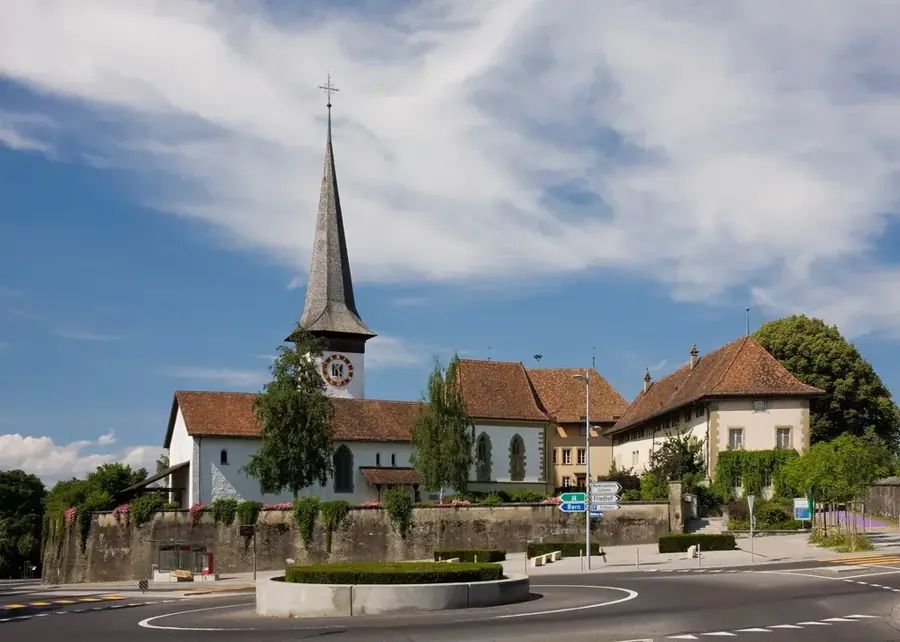
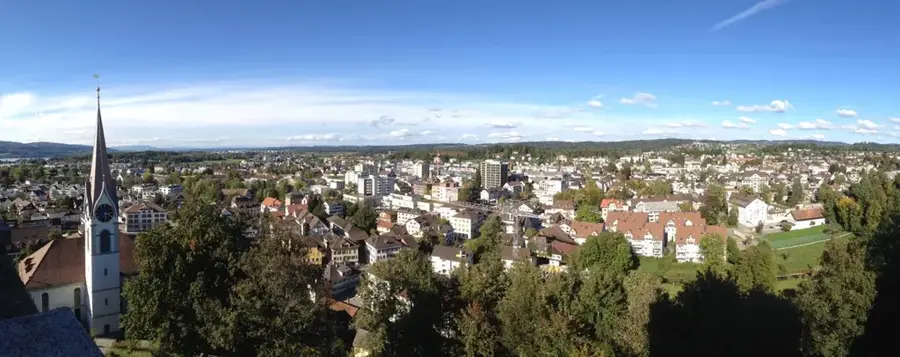
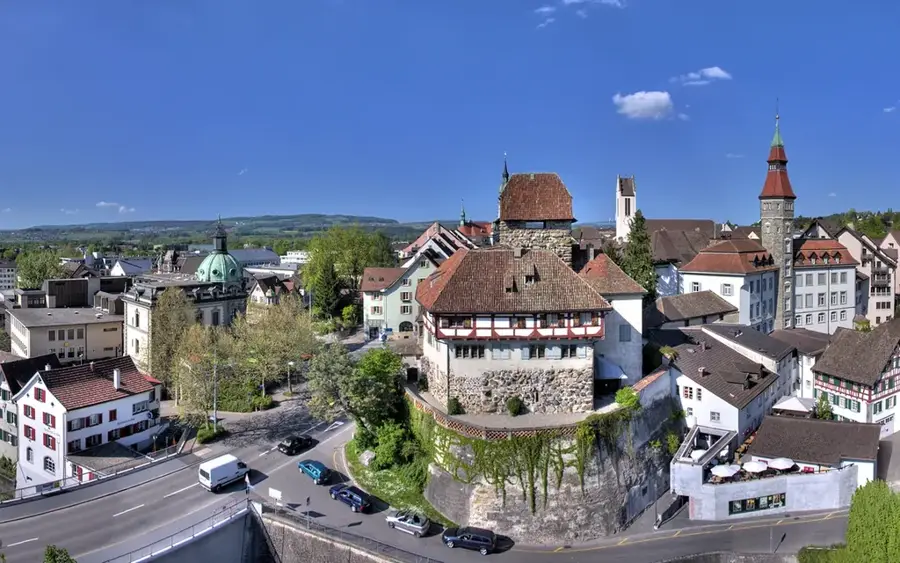
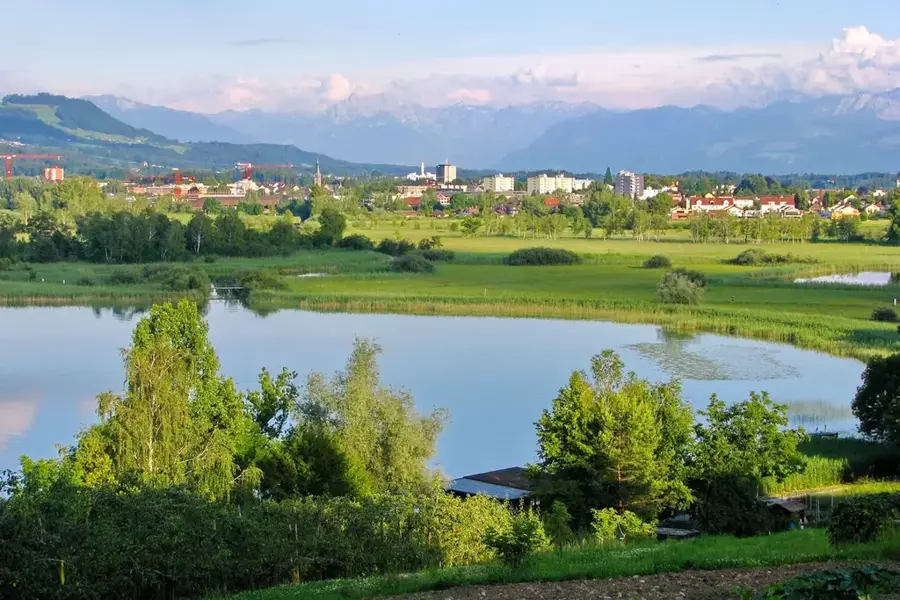
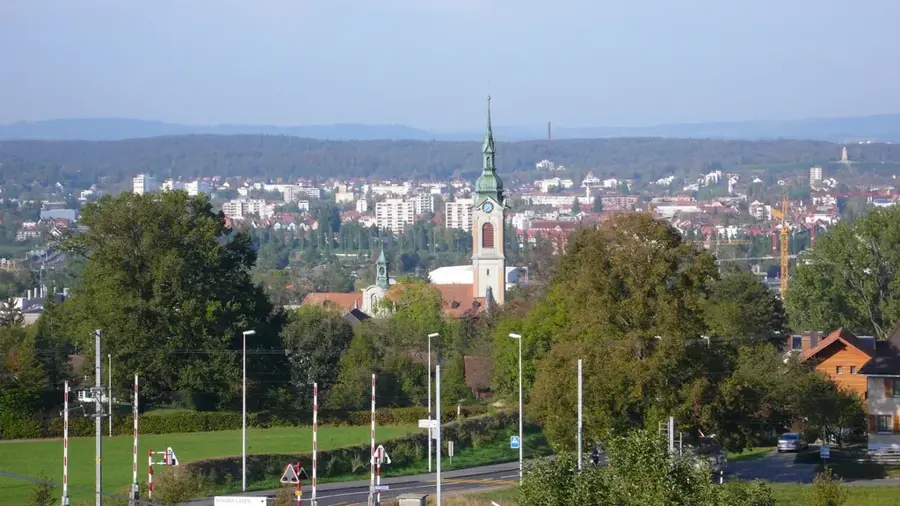
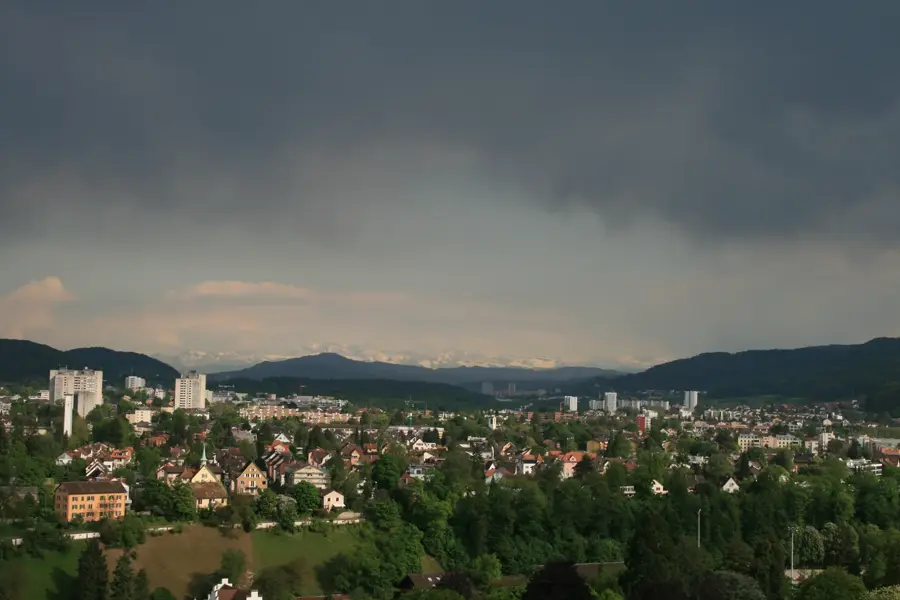
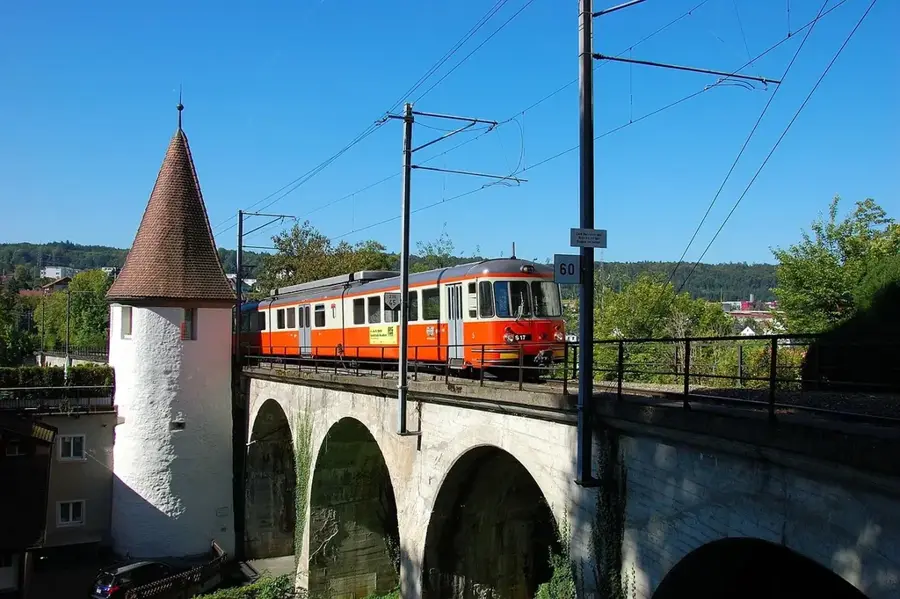
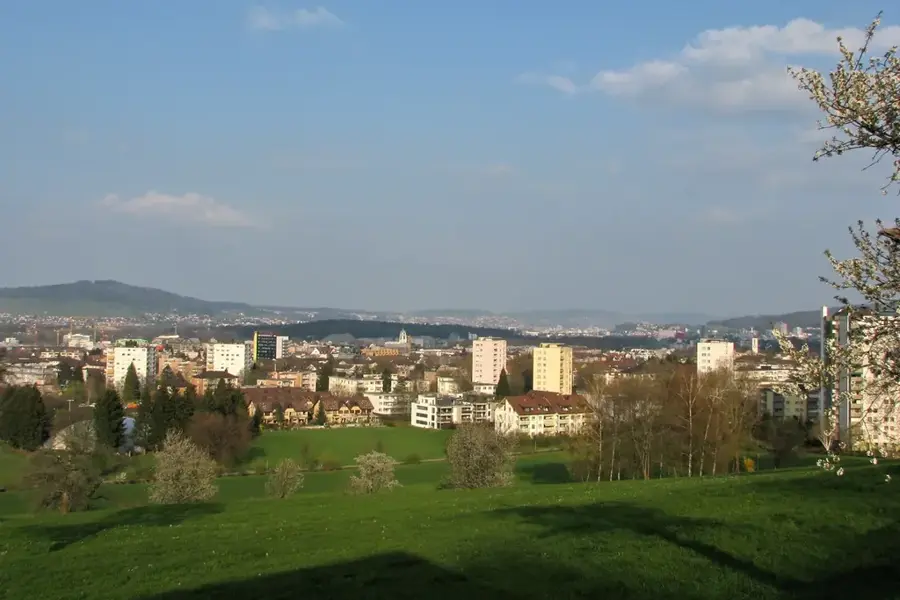
Dietikon is the capital of the district of the same name in the Canton of Zurich, located in the Limmat Valley at the confluence of the Reppisch and Limmat rivers. The city has a long history of settlement reaching back to Roman times, evidenced by the remains of a Roman villa found in the area. In the Middle Ages, Dietikon was of strategic importance and was first mentioned in records in 1100. During the Industrial Revolution, the town underwent a fundamental transformation, accelerated by the construction of the 'Spanisch-Brötli-Bahn' in 1847, Switzerland's first railway line. Today, Dietikon is a dynamic economic center with a robust service sector and numerous logistics companies. A cultural highlight is the Bruno Weber Park, an immersive art space created by the artist Bruno Weber, featuring fantastical sculptures and architecture. The city also gives vital recreational spaces within the nature reserve along the Limmat River. Excellent transport links via the S-Bahn and the Limmattalbahn tramway closely connect Dietikon with both Zurich and Baden.
The most pleasant time to visit is Jun–Aug.
| Jan | Feb | Mar | Apr | May | Jun | Jul | Aug | Sep | Oct | Nov | Dec | |
|---|---|---|---|---|---|---|---|---|---|---|---|---|
| Avg °C | -1 | 0 | 4 | 9 | 13 | 17 | 19 | 18 | 14 | 10 | 4 | 0 |
| Rain mm | 94 | 74 | 92 | 91 | 141 | 139 | 144 | 146 | 103 | 100 | 87 | 102 |
See what it looks like near Dietikon right now.
Danikon › South: Aussichtsturm Altberg - Geroldswil · 3.5 km · Open webcam on Windy · Webcams provided by Windy.com
Notable places around
Where do you start? We build the route here, with stops and country notes along the way.
© OpenStreetMap contributors · OpenRouteService
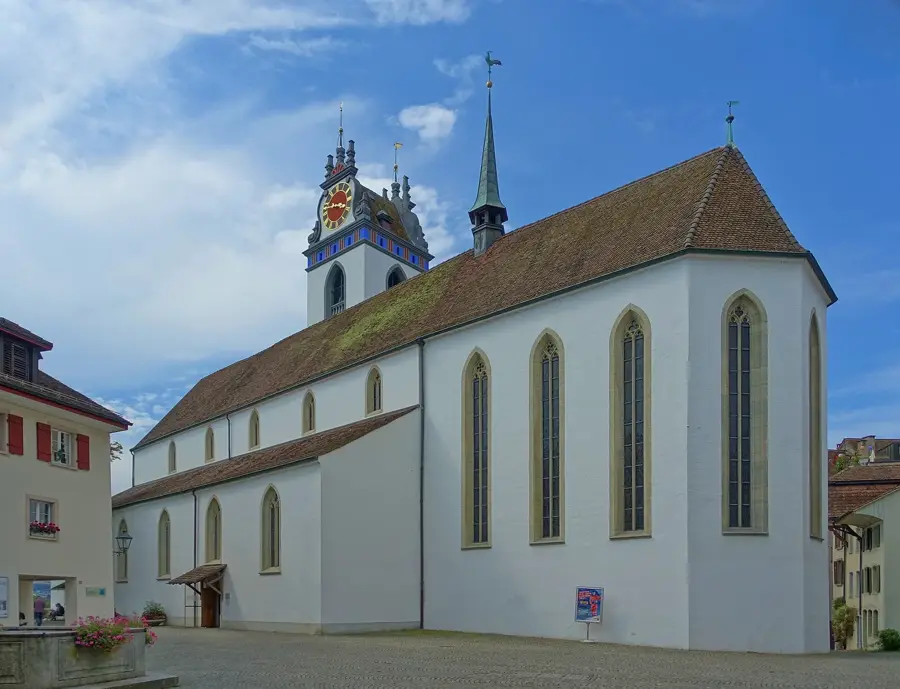
Your day in Dietikon begins at the bustling Rapid Square and leads you to the quiet St. Agatha's Church. In the morning, you'll stroll along the Limmat before enjoying a traditional lunch in the Old Town. The afternoon is dedicated to nature, with a visit to the peaceful Marmori Pond and a final trip to the imaginative Bruno Weber Park, where you'll end the day surrounded by art and nature.
Morning at Rapid Square requires an umbrella today. St. Agatha's Church provides a dry sanctuary afterward. At noon, we warm up with a cozy meal in the old town. In the afternoon, the Limmat Promenade has a mystical aura in the rain before we visit Bruno Weber Park. The evening concludes gently with city light reflections on the wet streets.
A crisp winter morning at Rapid Square awakens the senses. The church is festively decorated. At noon, a warming Swiss dish awaits in Dietikon's old town. The afternoon at Marmori Pond is peaceful and frosty before we visit the sculptures. The evening sets in early, bathing the city in a cozy sea of lights.
Your bike tour starts in the center of Dietikon. In the morning, you'll cycle to the peaceful Fahr Monastery and then along the Limmat river. After lunch by the river, you'll explore the green valleys south of the city in the afternoon. The tour takes you through the idyllic Reppischtal valley and ends at Guggenbühl, where you'll be rewarded with a fantastic view before returning to the center.
A rainy start at Rapid Square demands good gear. Fahr Monastery is a peaceful stopping point. At lunch, we recharge by the river as the rain patters on the Limmat. In the afternoon, we explore the Reppischtal valley, whose forest offers some protection. The evening ends after a refreshing, wet tour through the Limmat valley.
A frosty morning at Rapid Square calls for warm gloves. The path to Fahr Monastery is wonderfully clear. At noon, we enjoy a hot chocolate on the banks of the Limmat. In the afternoon, we ride through the Reppischtal, where frost turns trees into crystals. The evening ends with a brisk ride back through the illuminated city.
Your car day begins at the artistic Bruno Weber Park. After a short walk to the Guggenbühl viewpoint, you drive to the historic Fahr Monastery for a contemplative lunch. In the afternoon, you'll head to the center of Dietikon for a city stroll. The day ends with a short drive to the quiet Reppischtal valley, where you can enjoy nature before heading home.
A rainy day begins at Bruno Weber Park, where sculptures glisten in the rain. At noon, the drive leads to Fahr Monastery for a cozy indoor meal. In the afternoon, we enjoy the view from Guggenbühl from the comfort of the car. The evening ends with a relaxed drive through illuminated, rainy Dietikon.
A winter day begins magically in the snowy Bruno Weber Park. At noon, the drive leads to Fahr Monastery, where the abbey church glows festively. In the afternoon, we admire the Alpine panorama from Guggenbühl. The evening ends with a drive through Christmas-lit Dietikon.
Switzerland's largest sculpture park featuring fantastic works by Bruno Weber.