Plizio Visual Lab
Maduru Oya National Park
Weather…
Water temperature…
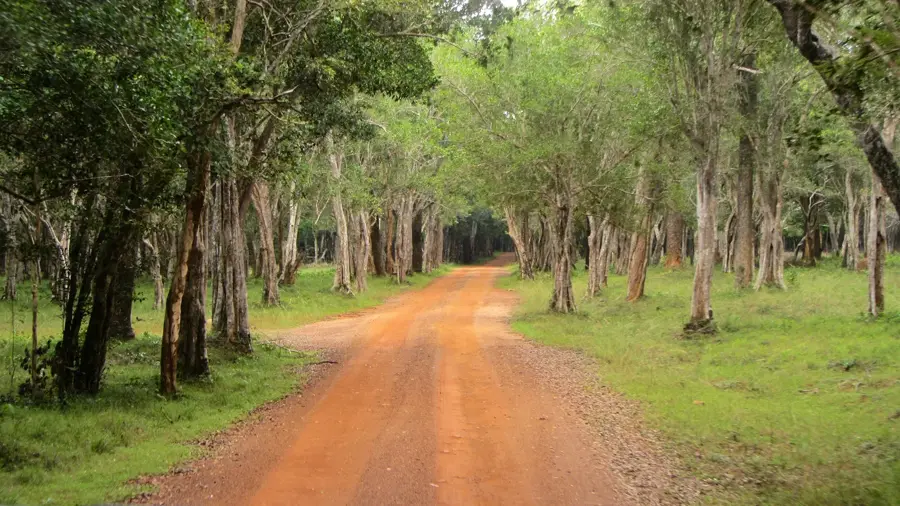
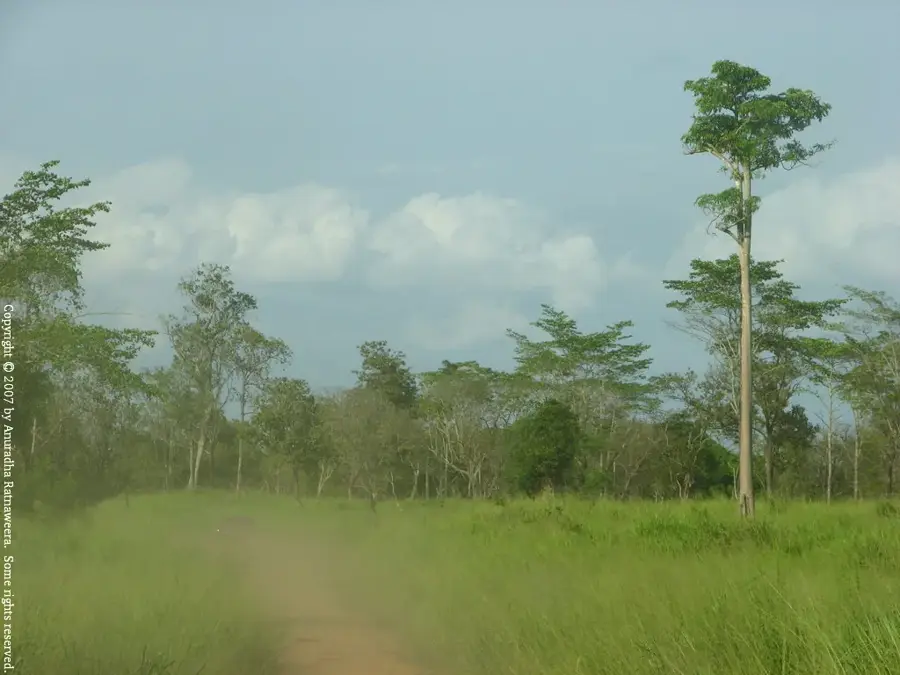
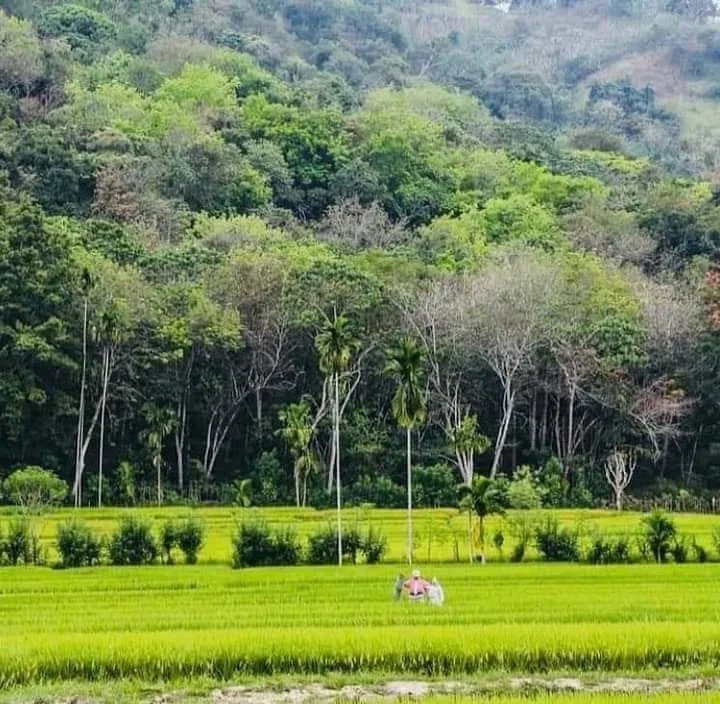
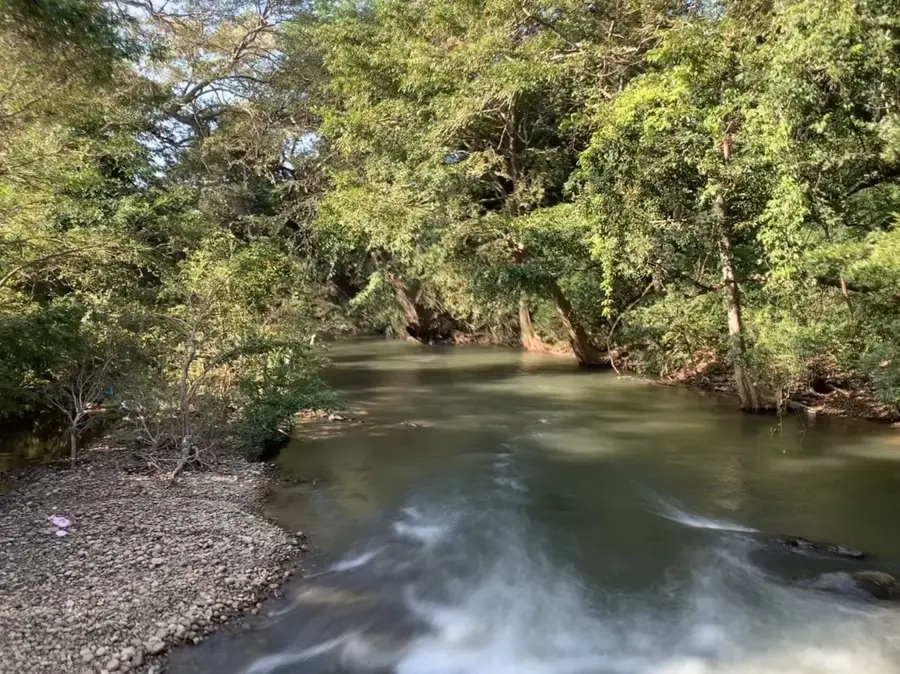
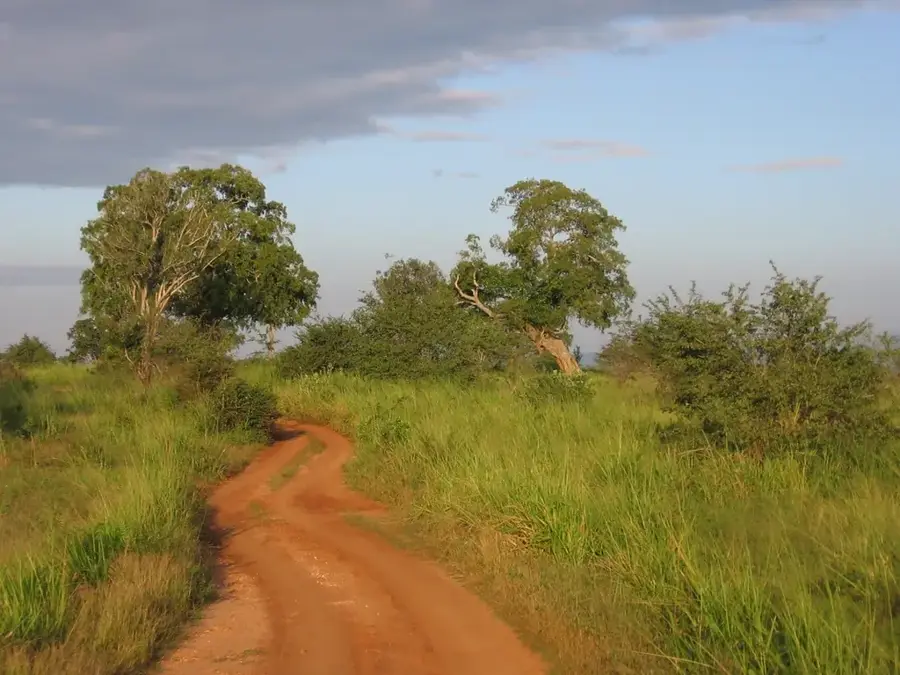
Maduru Oya National Park covers an area of 58,849 hectares and is located on the border between the Eastern and North Central provinces of Sri Lanka. It was established in 1983 as part of the Accelerated Mahaweli Development Program to protect the catchment areas of five major reservoirs. The park is renowned for its significant archaeological finds, including ancient 6th-century BC sluices that demonstrate the sophisticated irrigation skills of early civilizations. The vegetation consists mainly of secondary forests and vast grasslands, providing well-suited living conditions for large elephant herds. Endangered species such as the endemic purple-faced langur and the sloth bear also find refuge here. A unique cultural feature is the proximity of the Vedda community, Sri Lanka's indigenous people, who live in the Dambana area nearby. The park is also an important site for the conservation of birds of prey and waterfowl. The Department of Wildlife Conservation oversees the protection of the flora and fauna against human encroachment.
- Location: Sri Lanka
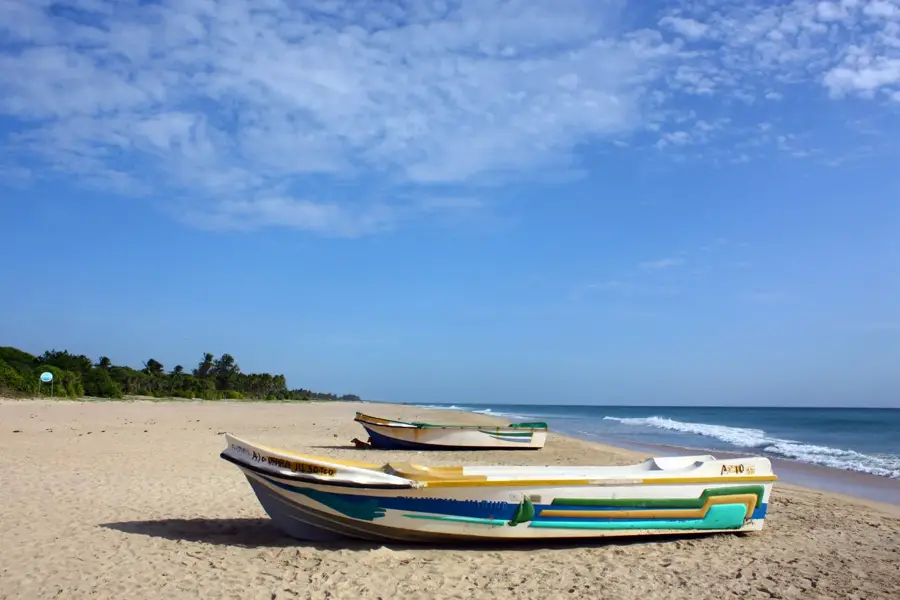
- Nearby: Marble Beach (18 km)
Best time to visit & climate
The most pleasant time to visit is Feb, Jun, Jul.
| Jan | Feb | Mar | Apr | May | Jun | Jul | Aug | Sep | Oct | Nov | Dec | |
|---|---|---|---|---|---|---|---|---|---|---|---|---|
| Avg °C | 24 | 24 | 26 | 28 | 28 | 28 | 28 | 28 | 28 | 27 | 25 | 24 |
| Rain mm | 156 | 110 | 97 | 140 | 113 | 42 | 37 | 48 | 88 | 218 | 312 | 312 |
📋 Practical info
Geography
Facts
- The park covers a total of 58,849 hectares
- It was officially established in 1983
- Ancient sluices from the 6th century BC were found here
- It protects the catchment areas of five reservoirs
- The indigenous Vedda community lives in the vicinity
- Home to the endemic Sri Lankan purple-faced langur
Explore nearby
Notable places around

Route planner — Car & Motorhome
Where do you start? We build the route here, with stops and country notes along the way.
© OpenStreetMap contributors · OpenRouteService
Sights in the town Maduru Oya National Park (1)
Sights nearby
Frequently asked questions
What is the main attraction of the park?
Are there archaeological sites in the park?
What community lives nearby?
When should you come for safaris?
Are there accommodations in the park?
Maduru Oya National Park: where is it located?
Maduru Oya National Park: when is the best time to visit?
Maduru Oya National Park: why is it worth visiting?
Nearby cities
History & landmarks
Nature
More places