Plizio Visual Lab

Abhayagiri Vihara
Plizio editorial teamData Sources
ruin
—°8
Abhayagiri Vihara (Sri Lanka)

Weather…

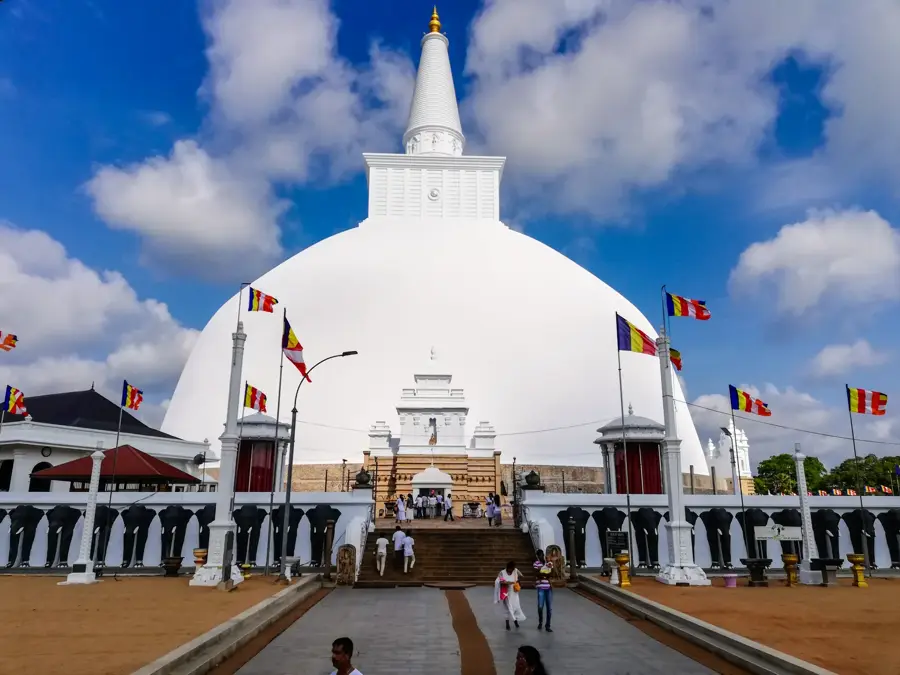
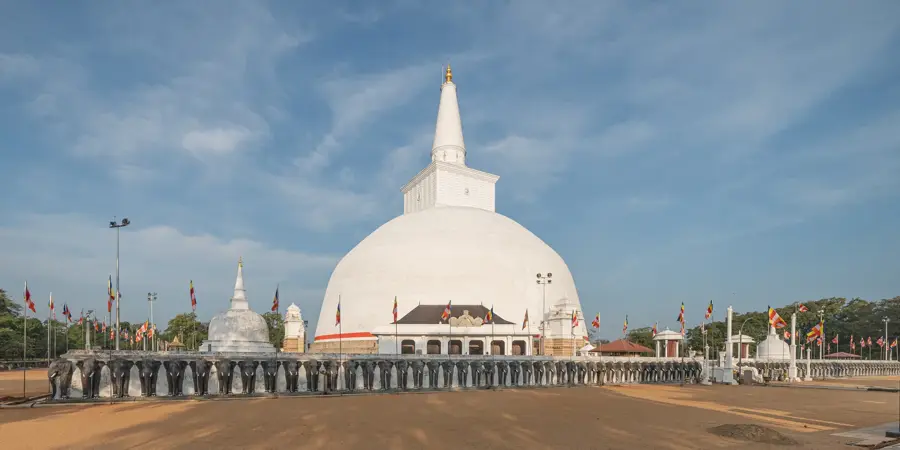
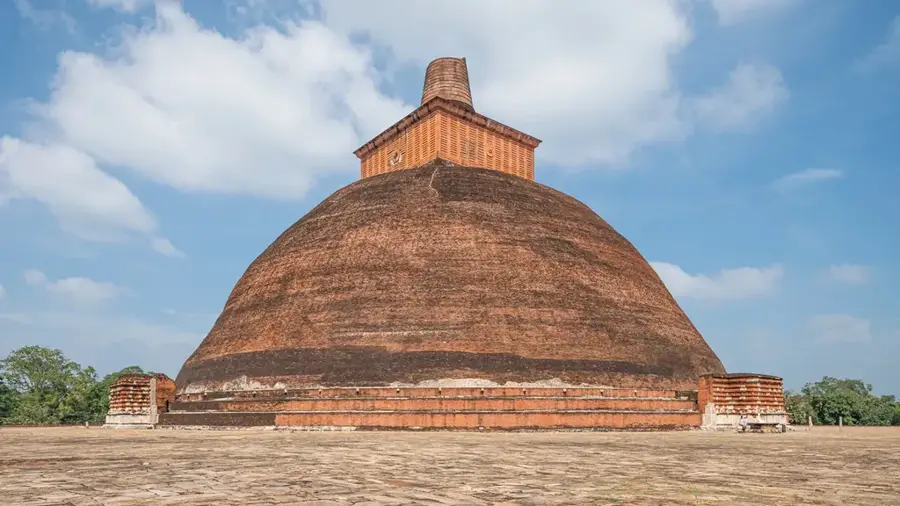
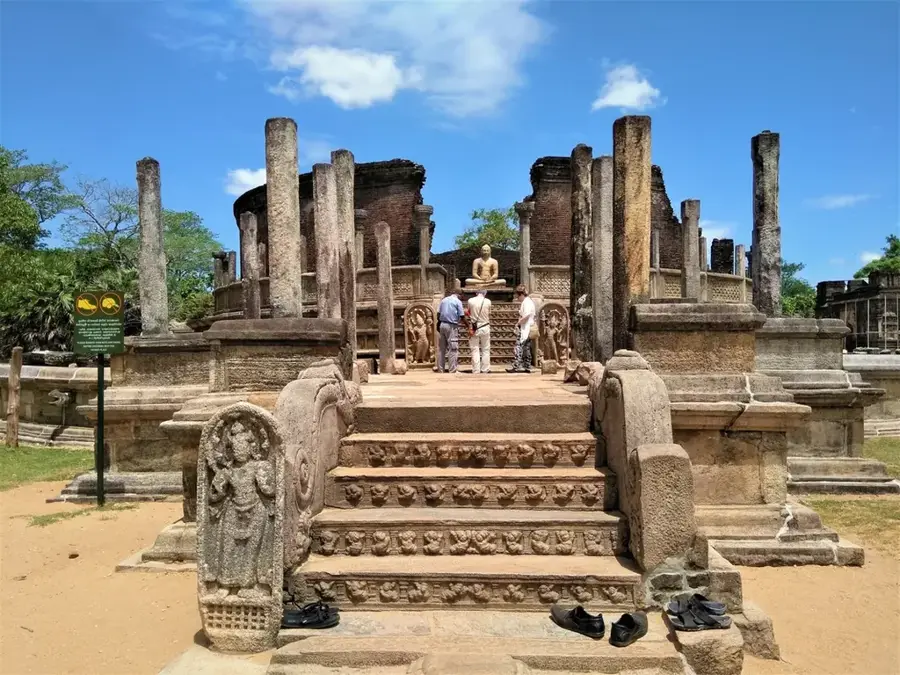
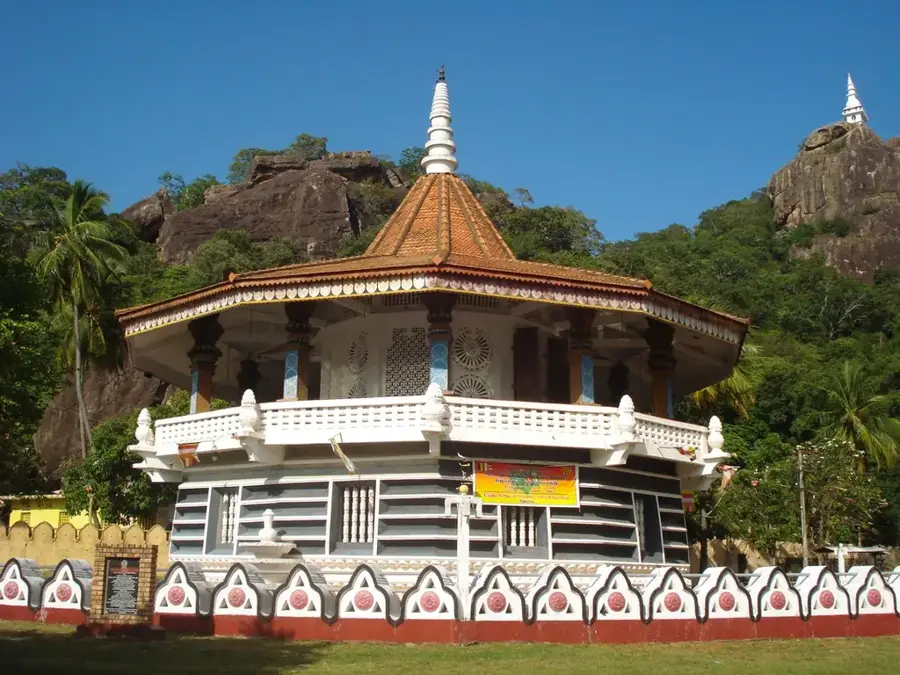
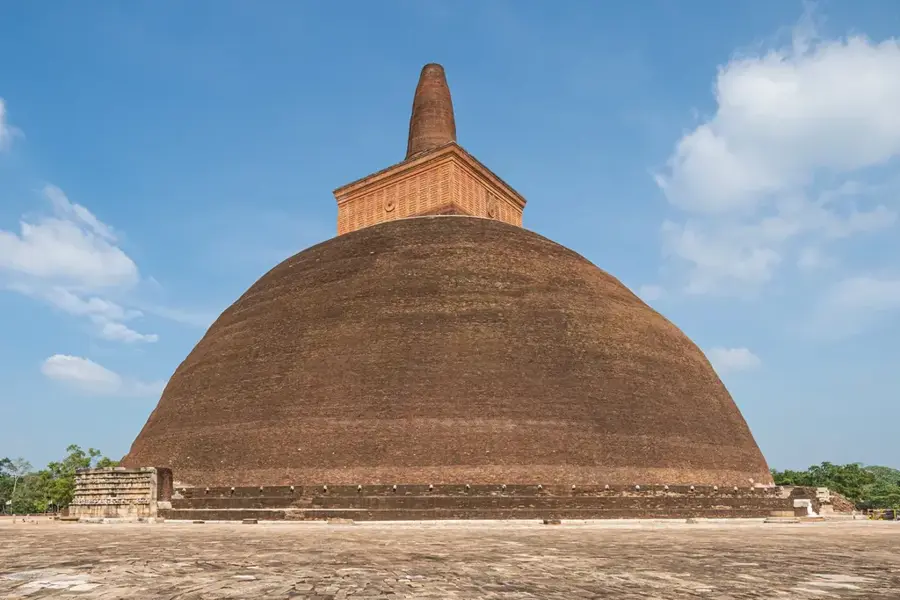
Abhayagiri Vihara in Anuradhapura was one of the most influential Buddhist monastic centers in the ancient world, serving as a hub for global religious scholarship. Established in the 1st century BC by King Vattagamani Abhaya (Valagamba), it rapidly grew into a massive institution that housed over 5,000 monks at its peak. The monastery was noted for its inclusive approach to different Buddhist doctrines, particularly Mahayana Buddhism, which often led to a scholarly rivalry with the more orthodox Mahavihara monastery. The central Abhayagiri Stupa is an engineering marvel, originally standing over 100 meters high, making it one of the largest structures of its era. Renowned travelers like the Chinese monk Fa-Hsien visited the complex in the 5th century AD, documenting its immense scale and spiritual wealth. Today, the expansive ruins, including the exquisitely carved 'Moonstones,' the Kuttam Pokuna (Twin Ponds), and the monumental stupa, are part of the UNESCO World Heritage city, reflecting the intellectual and spiritual height of ancient Sri Lankan civilization.

Best time to visit & climate

The most pleasant time to visit is Jan, Feb, Jun.

JanFebMarAprMayJunJulAugSepOctNovDec
Avg °C242527292828282828272625
Rain mm8969681189824295274220279244

📋 Practical info

🚪
Visiting
The vast, ancient monastic complex invites deep exploration of its crumbling stupas, intricately carved moonstones, and peaceful, forested ruins, providing a sprawling open-air environment deeply steeped in early Buddhist heritage.
🕒
Typical hours
As a major archaeological zone, the site typically operates under standard daytime visiting hours, usually welcoming visitors from the early morning until the late afternoon when the tropical daylight begins to fade.
📷
Photography
The colossal brick stupa and the remarkably detailed ancient stonework present magnificent photographic subjects, with the soft, diffused light of early morning offering the most favorable conditions for architectural photography.
⏱️
Time needed
Dedicating at least two to three hours is highly recommended to properly navigate the expansive grounds, absorb the tranquil atmosphere of the scattered ruins, and fully appreciate the immense scale of the ancient settlement.
Combine with
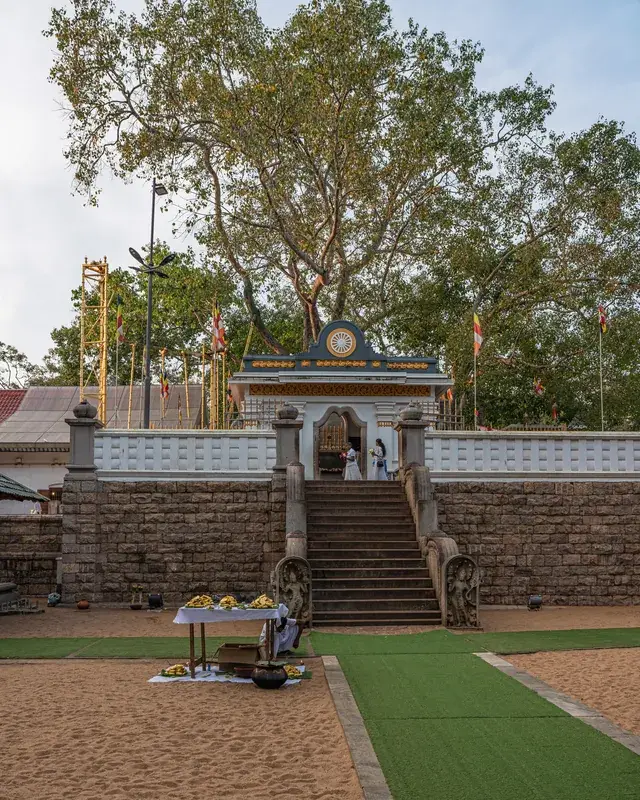
The monastery ruins integrate beautifully with a comprehensive tour of the wider sacred ancient city, allowing visitors to seamlessly explore neighboring historical monuments, sacred bodhi trees, and ancient bathing pools.
🧭
Getting there
Hiring a bicycle or a local tuk-tuk is by far the most practical and enjoyable method for traversing the significant distances within the sprawling archaeological park and traveling between the various scattered monuments.
💡
Insider tip
Because this remains an active site of deep religious significance, wearing modest clothing that securely covers both your shoulders and knees is absolutely strictly required to respectfully enter the sacred precinct areas.

Geography

Coordinates
8.36640, 80.39560

Facts

  • Founded by King Vattagamani Abhaya (Valagamba) in 89 BC.
  • Supported a community of 5,000 monks at its height.
  • The stupa originally stood at approximately 115 meters tall.
  • It was the primary center for Mahayana Buddhism on the island.
  • Chinese pilgrim Fa-Hsien stayed here for two years in the 5th century.
  • Home to the most intricate 'Moonstones' in Sri Lankan architecture.

Explore nearby

Notable places around
Route planner — Car & Motorhome

Where do you start? We build the route here, with stops and country notes along the way.

Vehicle
Only stops with (optional):

© OpenStreetMap contributors · OpenRouteService

Sights in the town Abhayagiri Vihara (8)

Abhayagiriya Museum🌿 nature

This museum displays ancient artifacts found during excavations of the vast Abhayagiri monastery complex.

Relic Shrine🏺 historical

The stone remains of an ancient shrine that once housed sacred Buddhist relics.

Cave shelter🏺 historical

These rock-cut shelters served as meditation caves for the early monks of Abhayagiri.

Prasada Stupa🏺 historical

An ancient brick structure within the monastic complex, part of the Abhayagiri religious center.

Gal Palama📍 landmark

An ancient stone bridge featuring massive granite slabs crossing a waterway within the monastery grounds.

Kapara Mulaya🌿 nature

An elevated viewpoint near the ruins of a residential complex that once housed foreign monks.

Lankaramaya Dagoba📍 landmark

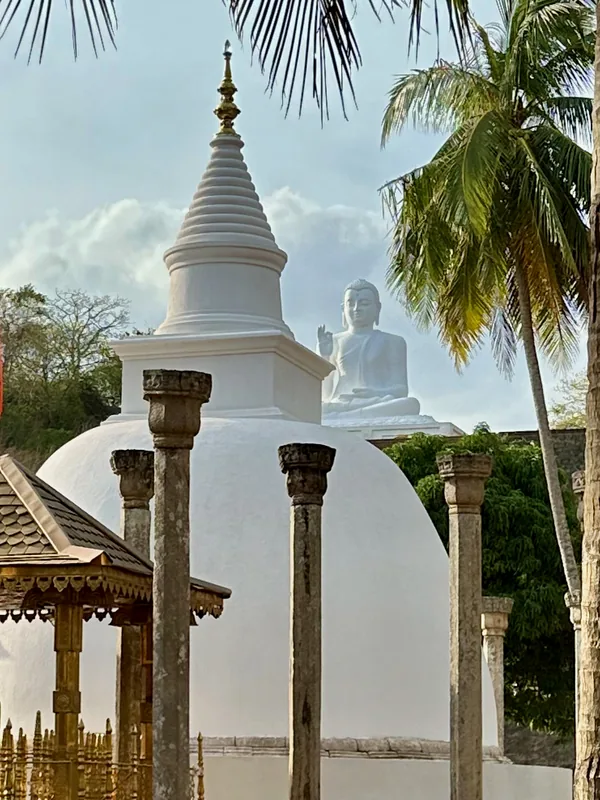
This distinctive stupa is surrounded by concentric rows of elegant stone pillars that once supported a wooden roof.

Abhayagiriya Dagoba📍 landmark

This gigantic 1st-century BC brick stupa is one of the largest religious structures of the ancient world.

Sights nearby

Frequently asked questions

What is Abhayagiri Vihara?
It is an ancient monastery and stupa in Anuradhapura, which once housed thousands of monks.
How high is the stupa?
The current height is approximately 75 meters, making it one of the tallest brick structures in the world.
Is there a dress code?
Yes, shoulders and knees must be covered, and shoes must be removed before entering.
When is the best time to visit?
Early morning or late afternoon to avoid the heat of the ground and the sun.
Is photography allowed?
Yes, but never pose with your back to a Buddha statue, as it is considered disrespectful.
Abhayagiri Vihara: where is it located?
Abhayagiri Vihara is located in Sri Lanka.
Abhayagiri Vihara: what is there to see?
Highlights include Abhayagiriya Museum, Relic Shrine, Cave shelter.
Abhayagiri Vihara: when is the best time to visit?
The most pleasant time to visit is Jan, Feb, Jun.
Abhayagiri Vihara: why is it worth visiting?

Abhayagiri Vihara in Anuradhapura was one of the most influential Buddhist monastic centers in the ancient world, serving as a hub for global religious scholarship.
View on map → The Top 50 Attractions → OpenStreetMap →
Asia
Explore with Plizio Discover more places in Asia
More places in Sri Lanka →

Nearby cities

History & landmarks
More places