Plizio Visual Lab

Wilpattu National Park
Plizio editorial teamData Sources
national-park
—°3
Wilpattu National Park (Sri Lanka)

Weather…

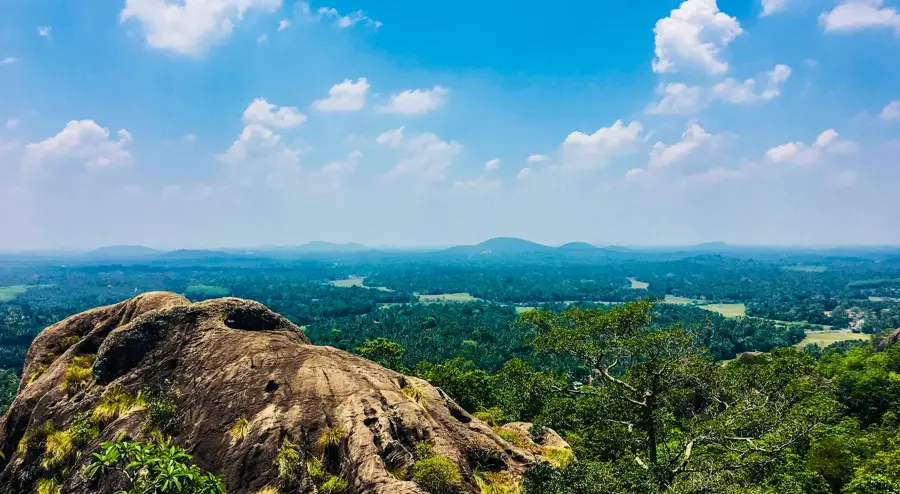
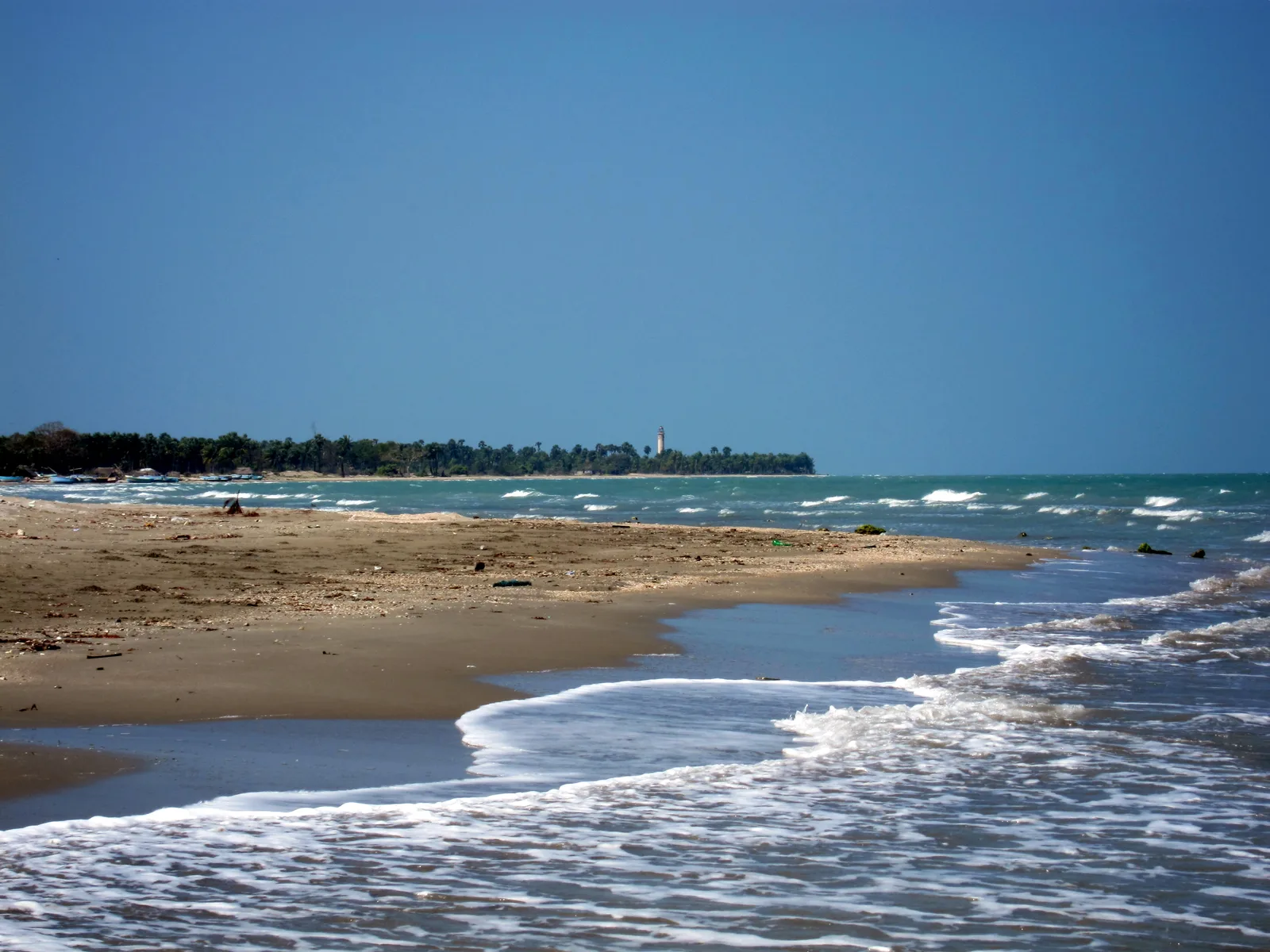
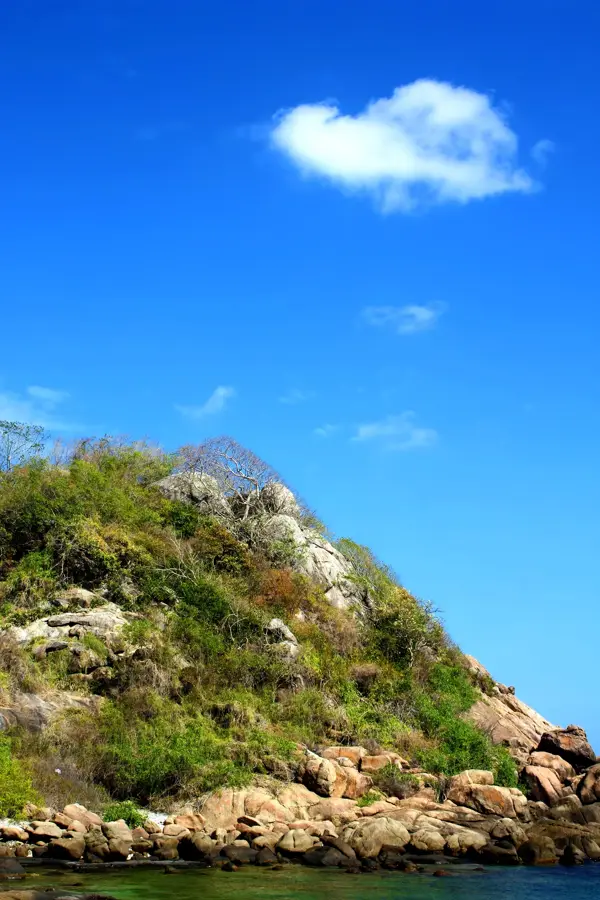
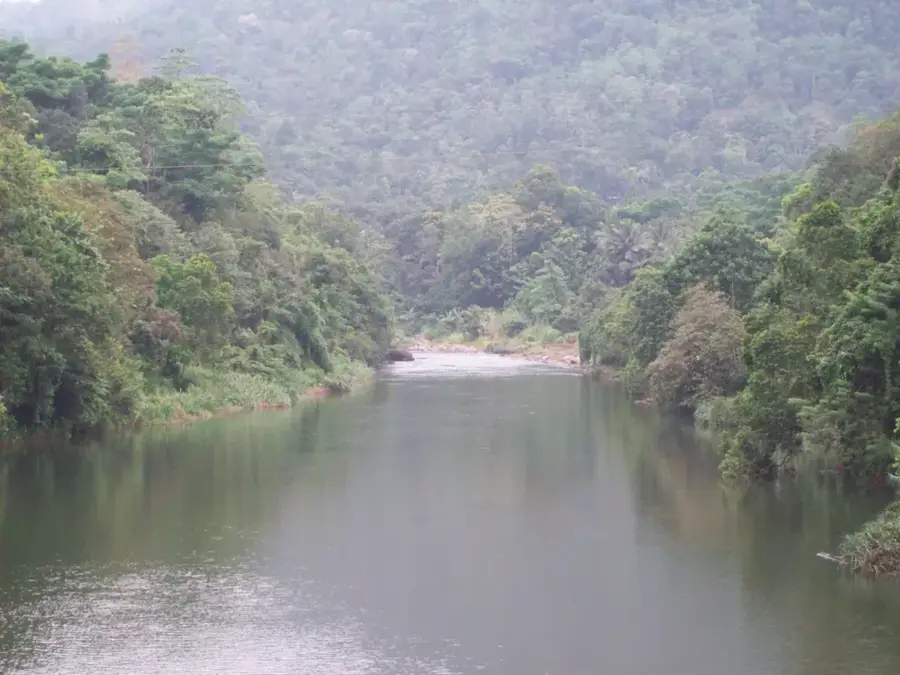
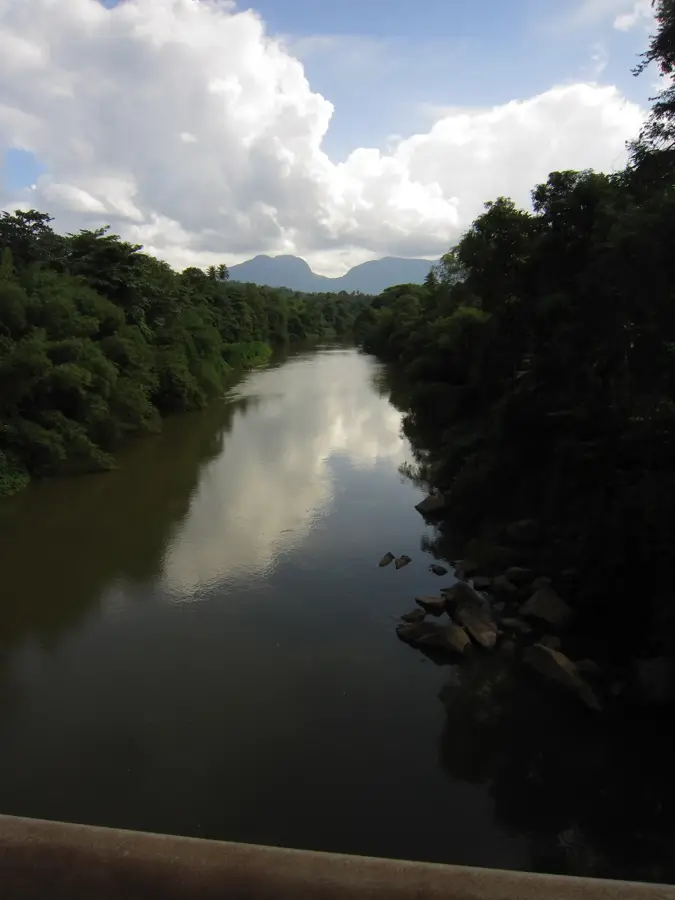
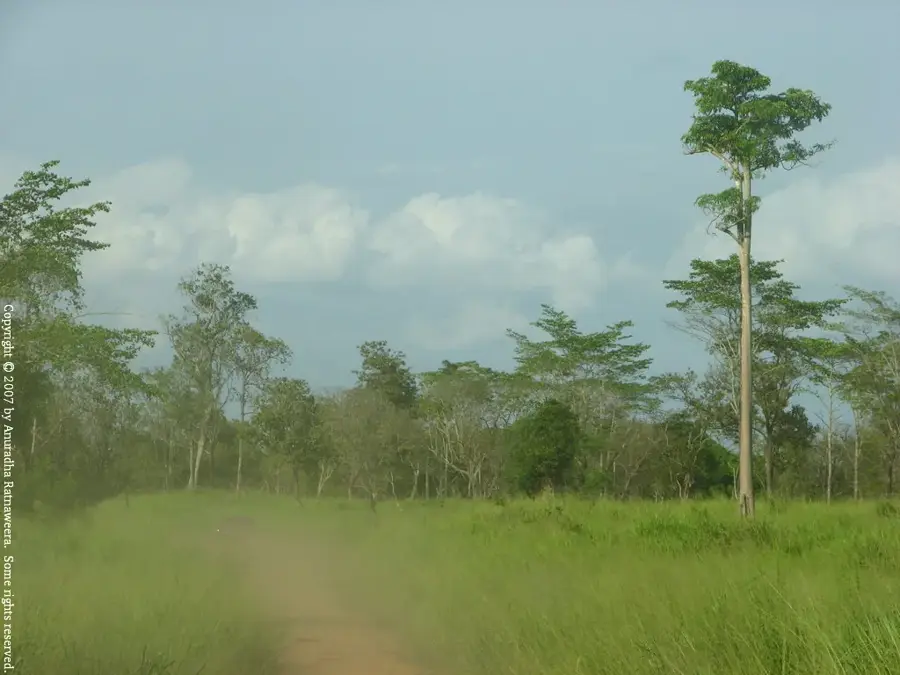
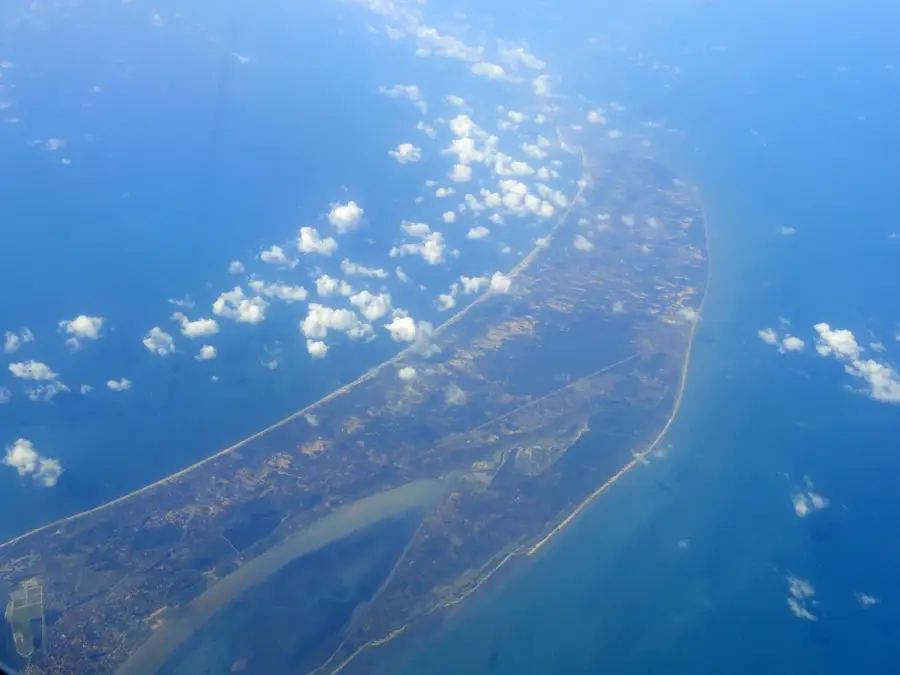
Wilpattu National Park is the largest and one of the oldest national parks in Sri Lanka, situated on the northwest coast of the island. The park is characterized by a unique geographical feature known as 'Willus', natural sand-rimmed basins that fill with rainwater and serve as vital water sources for wildlife. Following a long period of closure during the civil conflict, the park was fully reopened in 2010 and has since regained its status as a premier safari destination. Wilpattu is particularly famous for its sightings of the Sri Lankan leopard and the sloth bear, both of which thrive in its dense dry zone forests. The landscape is a mix of coastal scrub, open grasslands, and thick jungle, supporting a vast array of endemic and migratory species. Historically, the park is significant as the legendary landing site of Prince Vijaya, who is credited with founding the Sinhalese nation. Today, management priorities include sustainable tourism and the preservation of the delicate wetland ecosystems that define this vast protected area.

Best time to visit & climate

The most pleasant time to visit is Jan, Feb, Jul.

JanFebMarAprMayJunJulAugSepOctNovDec
Avg °C252628292928282828272726
Rain mm5744581128723224168208248183

📋 Practical info

🧭
Getting there
The primary entrance at Hunuwilgama is usually accessed by road from Anuradhapura or the western coastal towns. Visitors generally hire specialized safari jeeps directly from the entrance area to explore the park.
📅
Best season
The best period for observing wildlife, particularly leopards and bears, is typically during the dry season from February to October. As the natural lakes recede, animals are forced to gather around the remaining water.
⛰️
Terrain & paths
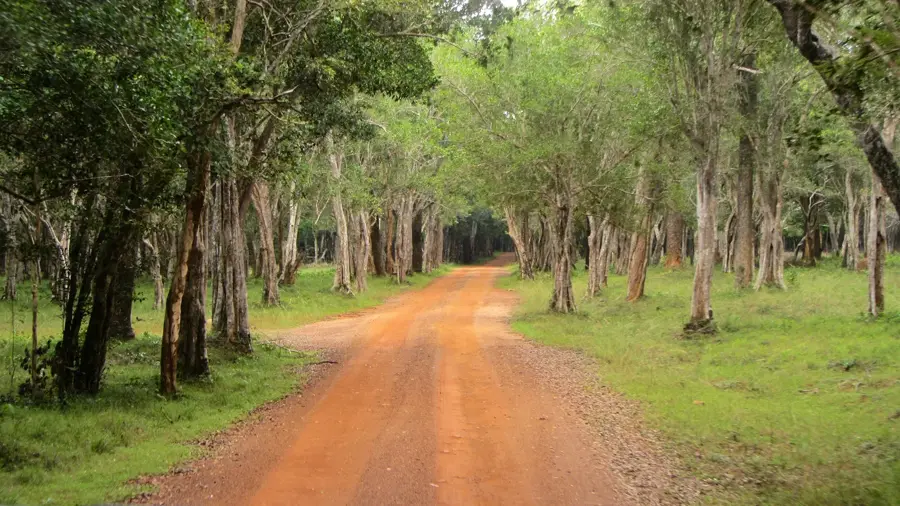
The park's topography is dominated by dense forest covers interspersed with distinctive shallow sand-rimmed natural lakes. The unpaved dirt tracks can become quite challenging and muddy after heavy monsoon rains.
🎒
What to bring
Neutral-colored, lightweight clothing is usually recommended to blend into the surroundings and stay cool. A camera with a good zoom lens and a pair of binoculars are essential for capturing distant wildlife sightings.
🅿️
Parking
Secure parking for personal vehicles is routinely available near the main gate and ticketing office. Most visitors leave their cars here before transferring onto the specially equipped safari vehicles for the tour.
⚠️
Safety
It is strictly forbidden to disembark from the safari jeep except at designated rest areas to ensure visitor safety. Keeping noise levels to an absolute minimum is necessary to avoid alarming the wild animals.
⏱️
Time needed
A typical jeep safari usually lasts either a half-day in the morning or afternoon, which takes around four hours. Many dedicated wildlife enthusiasts opt for a full-day safari to explore deeper into the expansive park.

Geography

Coordinates
8.43500, 79.99500

Facts

  • Wilpattu was officially designated as a national park on February 25, 1938.
  • The park spans a massive total land area of 131,693 hectares.
  • There are nearly 60 natural 'Willu' lakes scattered throughout the park.
  • The elevation within the park ranges from sea level to 152 meters.
  • Wilpattu is renowned for its high probability of sloth bear sightings.
  • Prince Vijaya is said to have landed at Kudiramalai within the park in 543 BC.

Explore nearby

Notable places around
Route planner — Car & Motorhome

Where do you start? We build the route here, with stops and country notes along the way.

Vehicle
Only stops with (optional):

© OpenStreetMap contributors · OpenRouteService

Sights in the town Wilpattu National Park (3)

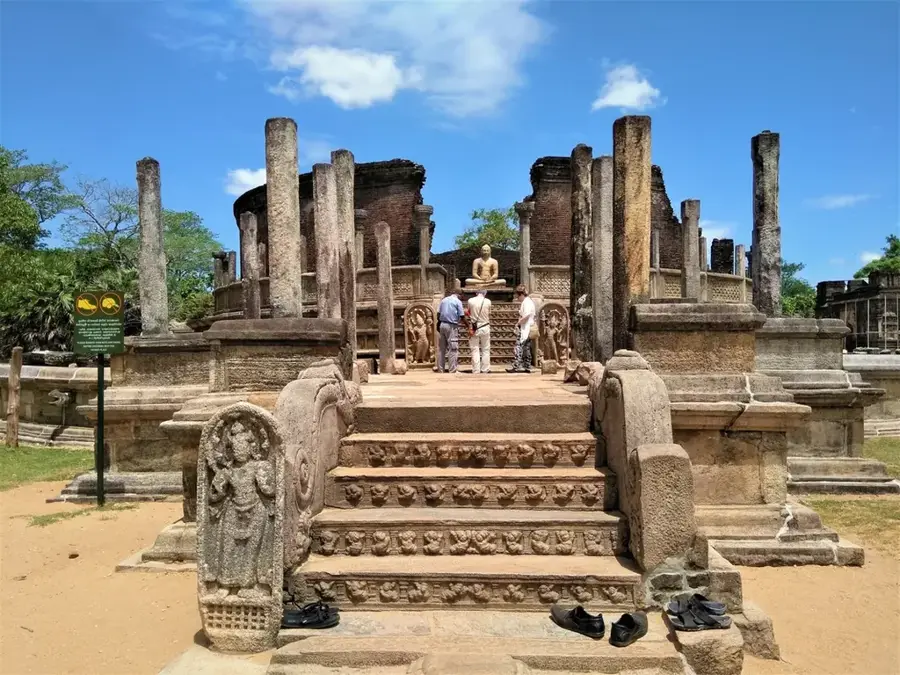
Kuba Vehera (Ochchappu Kallu)🏺 historical

Ancient Buddhist ruins featuring stone structures located within the wilderness of Wilpattu National Park.

Palace of Queen Kuweni🏺 historical

Traditional ruins believed to be the residence of the legendary Queen Kuweni, found deep in the park's forests.

Wilpattu National Park🌿 nature

Established in 1938, Sri Lanka's largest national park is famous for its 'Willus,' unique natural water basins rimmed with sand.

🕒 Mo-Su 06:00-18:00

Sights nearby

Frequently asked questions

Why is the park named Wilpattu?
'Wilpattu' means 'Land of Lakes', referring to the many natural rainwater basins (Willus) in the park.
How large is the park?
Wilpattu is the largest and one of the oldest national parks in Sri Lanka.
Can you see sloth bears there?
Yes, Wilpattu is a very good place to spot the shy sloth bear, alongside leopards.
Are full-day safaris worth it?
Yes, as the park is very large, a full-day tour lets you reach more remote and quieter areas.
What is the best way to reach Wilpattu?
Usually from Anuradhapura or Puttalam by private driver or taxi.
Wilpattu National Park: where is it located?
Wilpattu National Park is located in Sri Lanka.
Wilpattu National Park: what is there to see?
Highlights include Kuba Vehera (Ochchappu Kallu), Palace of Queen Kuweni, Wilpattu National Park.
Wilpattu National Park: when is the best time to visit?
The most pleasant time to visit is Jan, Feb, Jul.
Wilpattu National Park: why is it worth visiting?

Wilpattu National Park is the largest and one of the oldest national parks in Sri Lanka, situated on the northwest coast of the island.
View on map → The Top 50 Attractions → OpenStreetMap →
Asia
Explore with Plizio Discover more places in Asia
More places in Sri Lanka →

Nearby cities

Nature

More places