Plizio Visual Lab

Ancient City of Polonnaruwa
Plizio editorial teamData Sources
ruin
—°5
Ancient City of Polonnaruwa (Sri Lanka)

Weather…

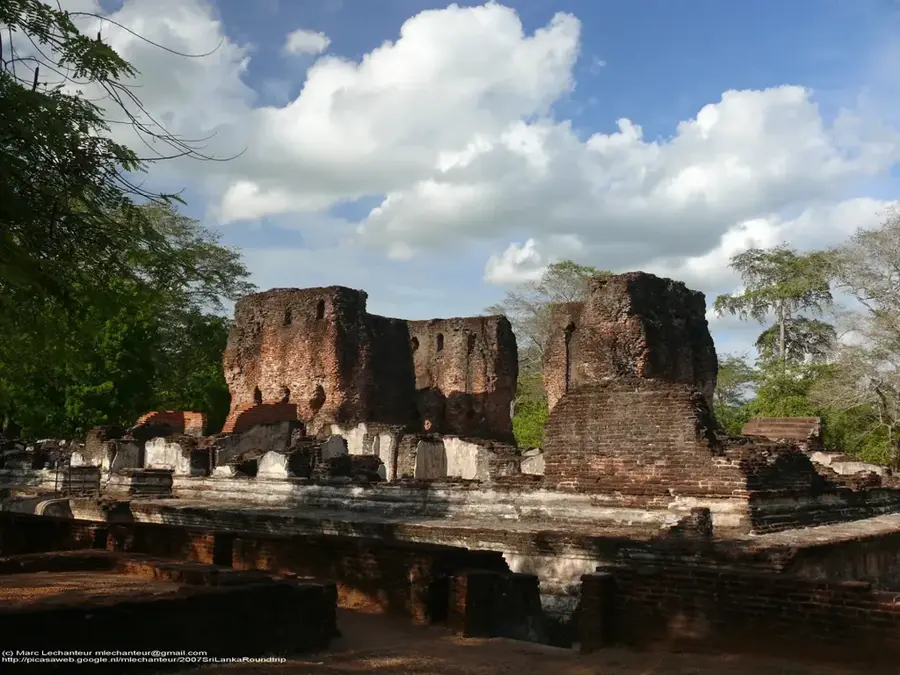
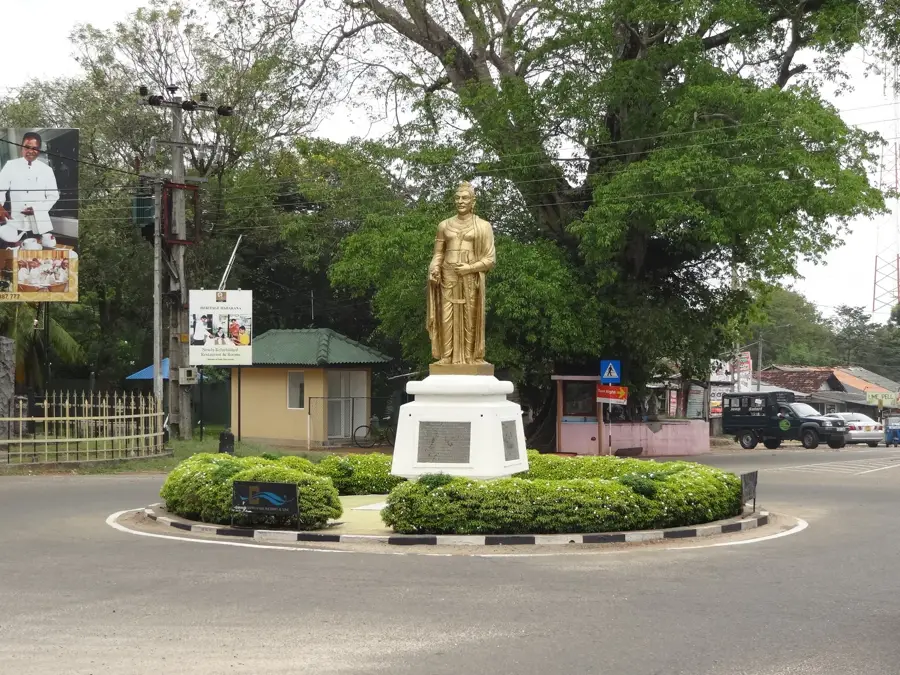
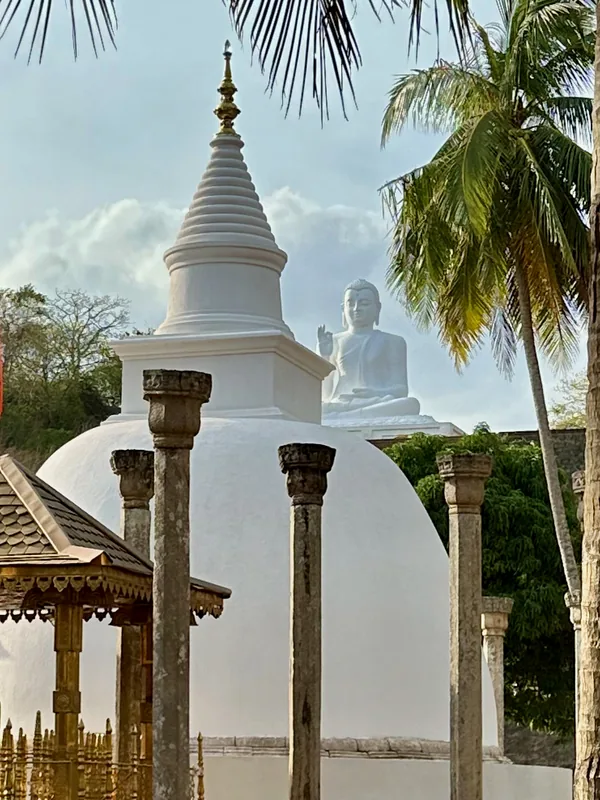
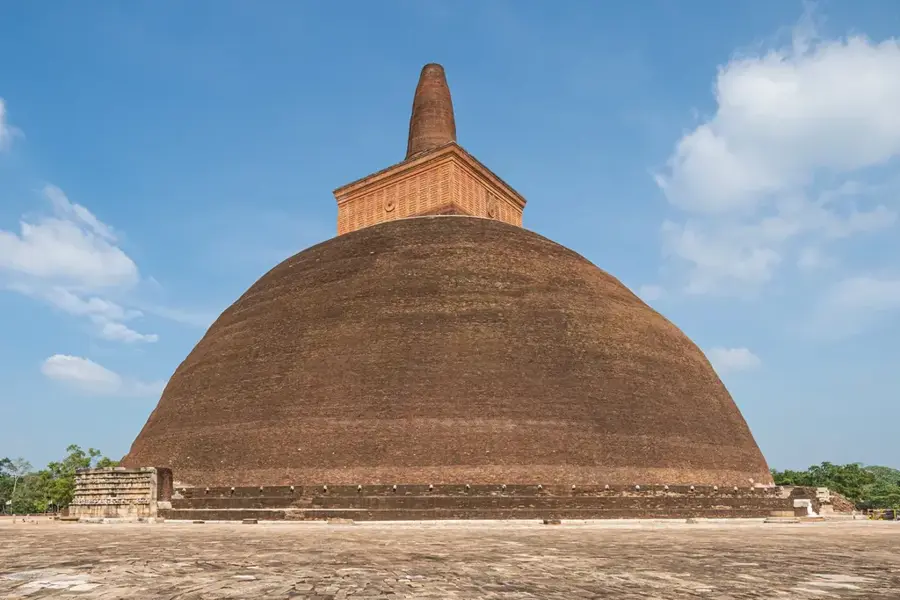
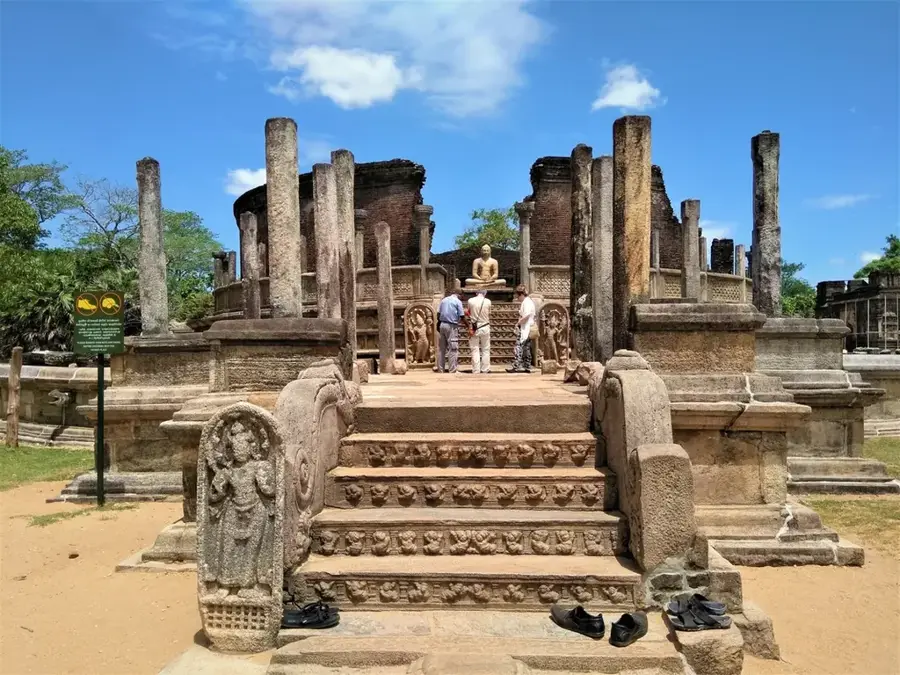
Polonnaruwa served as the second capital of Sri Lanka following the destruction of Anuradhapura by Chola invaders in the 10th century. Under King Vijayabahu I, who liberated the country, and later Parakramabahu I, the city entered its golden age. Parakramabahu commissioned the massive 'Parakrama Samudra' (Sea of Parakrama), an irrigation reservoir so vast it mimics an ocean. Today, the archaeological sites of Polonnaruwa are prized for their exceptional preservation, featuring the Royal Palace, the circular Vatadage, and the Gal Vihara with its four monumental Buddha statues carved directly into a single granite face. The city was a focal point of Theravada Buddhism and briefly housed the Sacred Tooth Relic. Although the capital was abandoned in the 13th century due to further invasions, the ruins illustrate a highly advanced civilization that merged hydraulic engineering with religious artistry. UNESCO designated the ancient city a World Heritage site in 1982.

Best time to visit & climate

The most pleasant time to visit is Jun–Aug.

JanFebMarAprMayJunJulAugSepOctNovDec
Avg °C252627292928282929282625
Rain mm1521138612010635375080222331331

📋 Practical info

🚪
Visiting
Visitors can thoroughly explore a vast archaeological park filled with remarkably preserved ancient stupas, royal palaces, and intricate statues. The complex is mostly outdoors, so expect to walk extensively among the ruins.
🕒
Typical hours
The archaeological site typically opens early in the morning and closes around sunset every day of the week. Arriving as soon as the gates open is strongly recommended to avoid the intense midday tropical heat.
📷
Photography
Photography is generally permitted throughout the ancient ruins, but you must strictly avoid posing with your back to Buddha statues. Always remain respectful when photographing religious monuments and active shrines.
⏱️
Time needed
Exploring the entire main archaeological complex comprehensively requires at least three to four hours. Renting a bicycle can speed up your journey between the clusters of monuments, saving considerable time.
Combine with
This impressive ancient city is a core part of the Cultural Triangle and pairs perfectly with trips to Sigiriya or Dambulla. Nearby national parks offer excellent opportunities for afternoon elephant safaris.
🧭
Getting there
The site is located centrally within Polonnaruwa town and can be reached easily by bus or private driver from major tourist hubs. Inside the complex, bicycles or hired tuk-tuks are the most popular methods for getting around.
💡
Insider tip
You must remove your shoes and hats before entering the immediate sacred grounds around stupas and Buddha figures. Wearing thick socks will protect your bare feet from the scorching hot sand and stone pavements.

Geography

Coordinates
7.94030, 81.00280

Facts

  • Polonnaruwa functioned as the national capital from 1070 to 1232 AD.
  • The Parakrama Samudra reservoir covers an area of 25 square kilometers.
  • The Gal Vihara features a 14-meter-long reclining Buddha statue.
  • The seven-story Royal Palace originally contained 1,000 rooms.
  • The Vatadage is a unique circular structure built to house a stupa.
  • The ancient city was inscribed as a UNESCO World Heritage site in 1982.

Explore nearby

Notable places around
Route planner — Car & Motorhome

Where do you start? We build the route here, with stops and country notes along the way.

Vehicle
Only stops with (optional):

© OpenStreetMap contributors · OpenRouteService

Sights in the town Ancient City of Polonnaruwa (5)

Vatadage🏺 historical

A circular relic house in ancient Polonnaruwa featuring four seated Buddha statues and elaborate stonework.

Gal Viharaya⛪ religious

A famous rock temple featuring four giant Buddha statues masterfully carved out of a single granite face.

Rankoth Viharaya🏺 historical

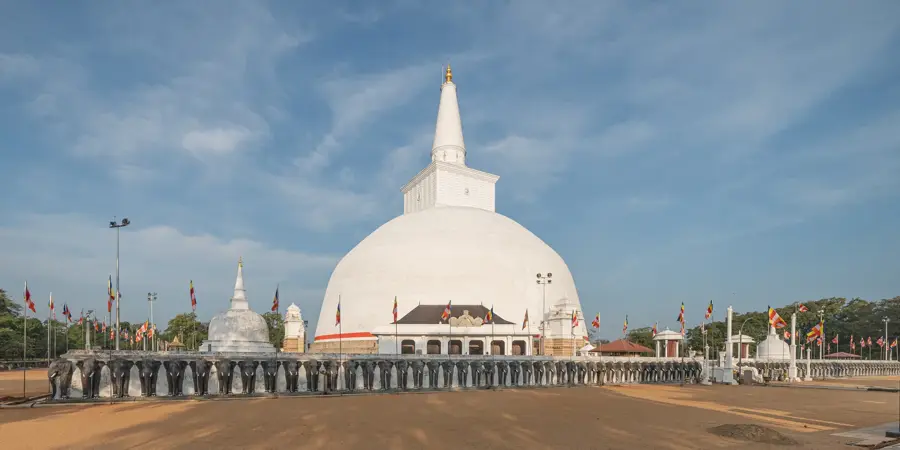
The largest stupa in Polonnaruwa, built by King Nissanka Malla, standing at an impressive height of about 33 meters.

Archaeological Museum🏛 museum

The museum displays significant bronze statues and scale models of the ancient city's architecture.

🕒 Mo-Su 07:00-18:00💶

Ancient Northern Entrance🏺 historical

This massive stone gateway once marked the northern entrance to the city's fortified citadel.

Sights nearby

Frequently asked questions

What is the best way to explore Polonnaruwa?
Renting a bicycle is the most popular and efficient method.
What are the main sights to see?
The Gal Vihara, the Royal Palace, and the Vatadage are highlights.
Are the temples still in use?
Some are ruins, others are still visited for prayer; wearing socks is advisable.
Are there monkeys there?
Yes, many macaques live in the ruins; please do not feed them.
Is there a museum on site?
Yes, the Archaeological Museum provides a good introduction before the tour.
Ancient City of Polonnaruwa: where is it located?
Ancient City of Polonnaruwa is located in Sri Lanka.
Ancient City of Polonnaruwa: what is there to see?
Highlights include Vatadage, Gal Viharaya, Rankoth Viharaya.
Ancient City of Polonnaruwa: when is the best time to visit?
The most pleasant time to visit is Jun, Aug.
Ancient City of Polonnaruwa: why is it worth visiting?

Polonnaruwa served as the second capital of Sri Lanka following the destruction of Anuradhapura by Chola invaders in the 10th century.
View on map → The Top 50 Attractions → OpenStreetMap →
Asia
Explore with Plizio Discover more places in Asia
More places in Sri Lanka →

Nearby cities

History & landmarks
Nature
More places