Plizio Visual Lab
Reko
ℹ️Practical info — Reko
▾
🌤 Weather — 5 days
📍 Nearby
Sights nearby
💡 Tips
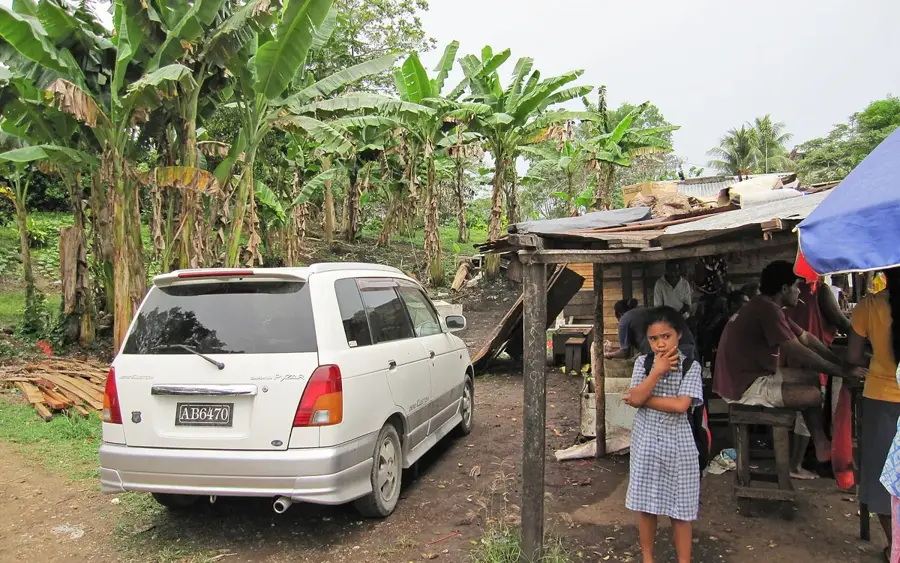
- Access to eastern Guadalcanal is often by rugged 4WD or small boat; plan transport carefully.
- Always hire a local guide when exploring WWII trails or coastal relics.
- Bring enough Solomon Islands dollars in cash, as there are no ATMs in the area.
- Malaria is present; ensure you have prophylaxis and strong mosquito repellent.
- Ask for permission before walking through village lands or photographing locals.
🍽 Food
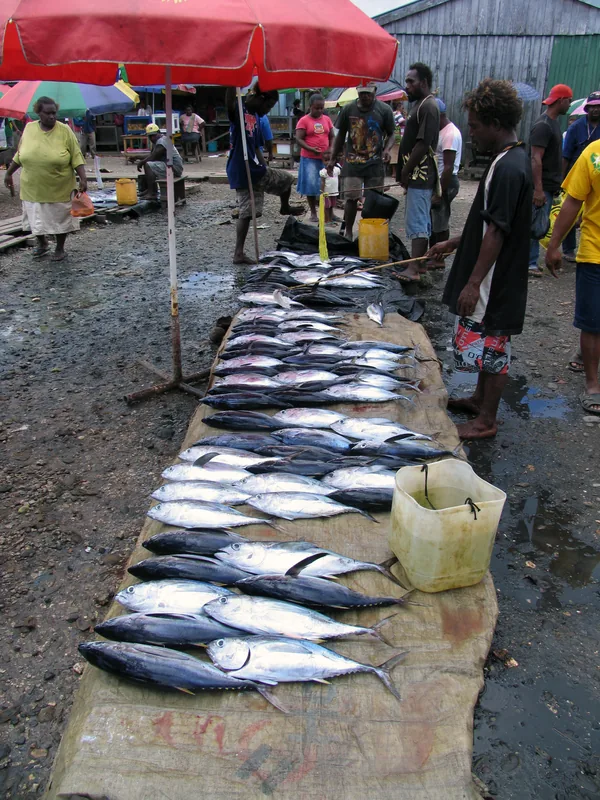
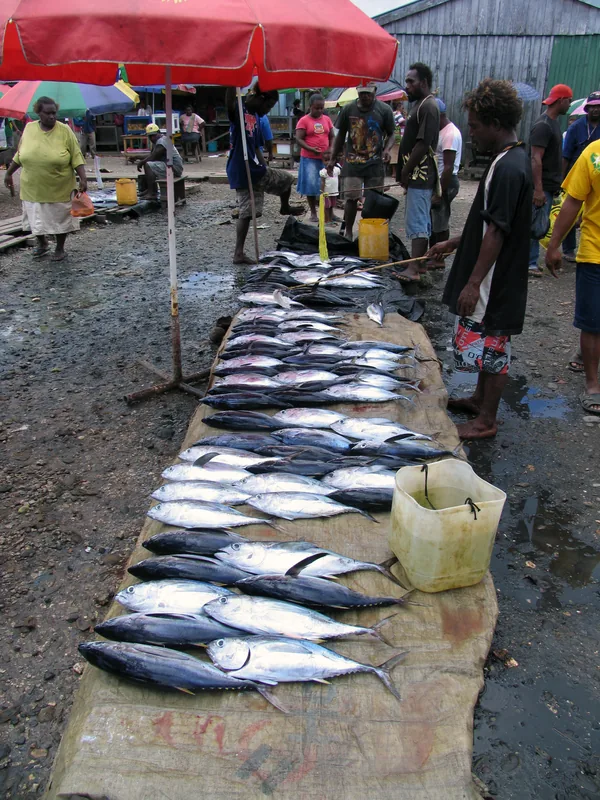
Locals often grill freshly caught reef fish over an open fire; ask at village guesthouses.
Traditional root vegetables served as a staple alongside seafood.
Buy directly from local villagers for a refreshing and safe drink.
🛍 Shopping · 🧘 Quiet spots
Intricate hand-carved wooden items can sometimes be purchased directly from artisans in the coastal villages.
Look for traditional pandanus woven bags sold by local women.
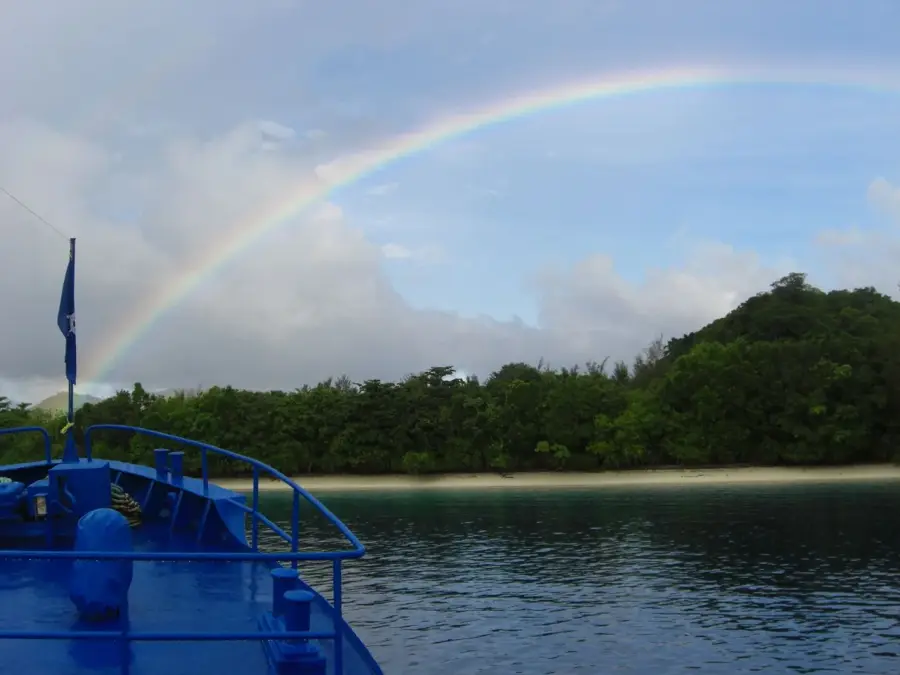
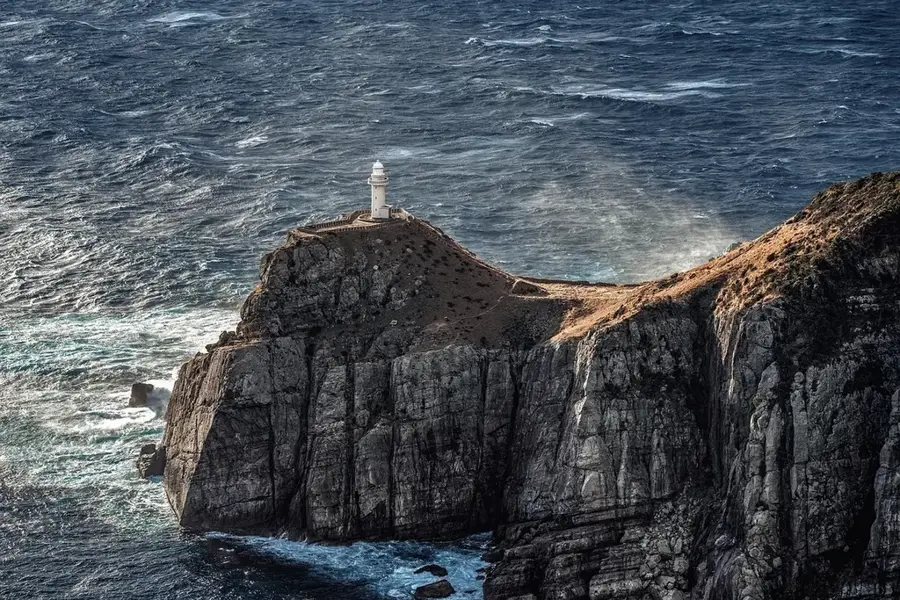
The secluded beaches offer a peaceful retreat with views of the rugged coastline.
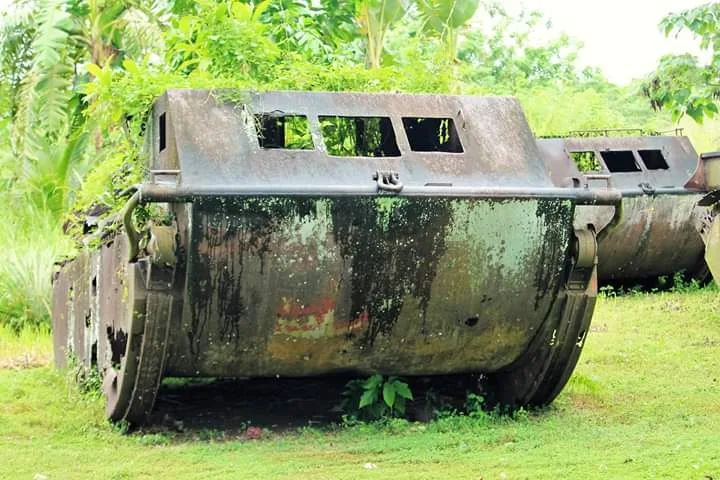
A quiet spot to reflect on the area's intense wartime history amidst lush tropical nature.
Water temperature…
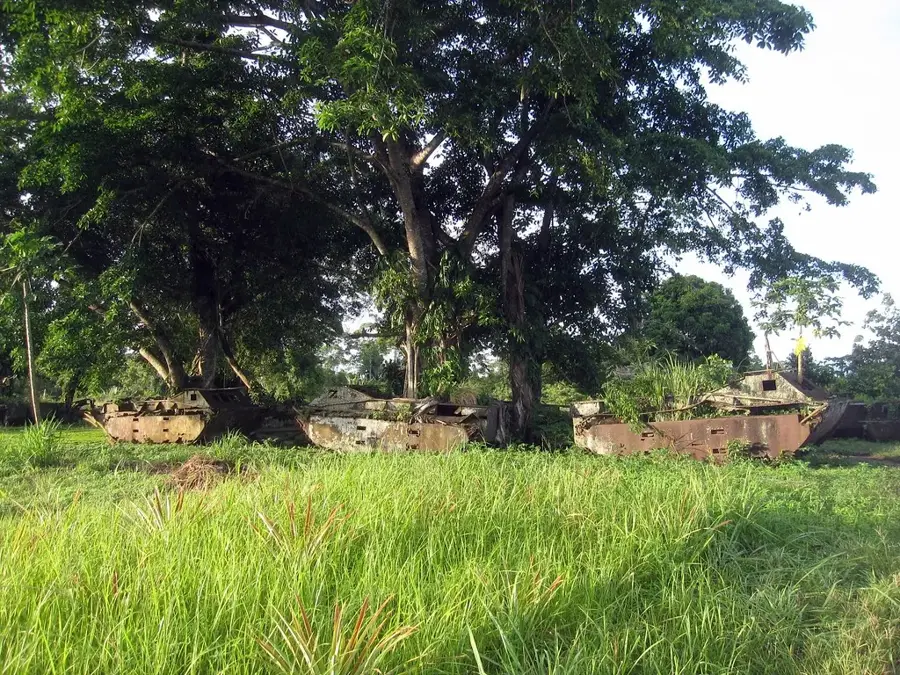
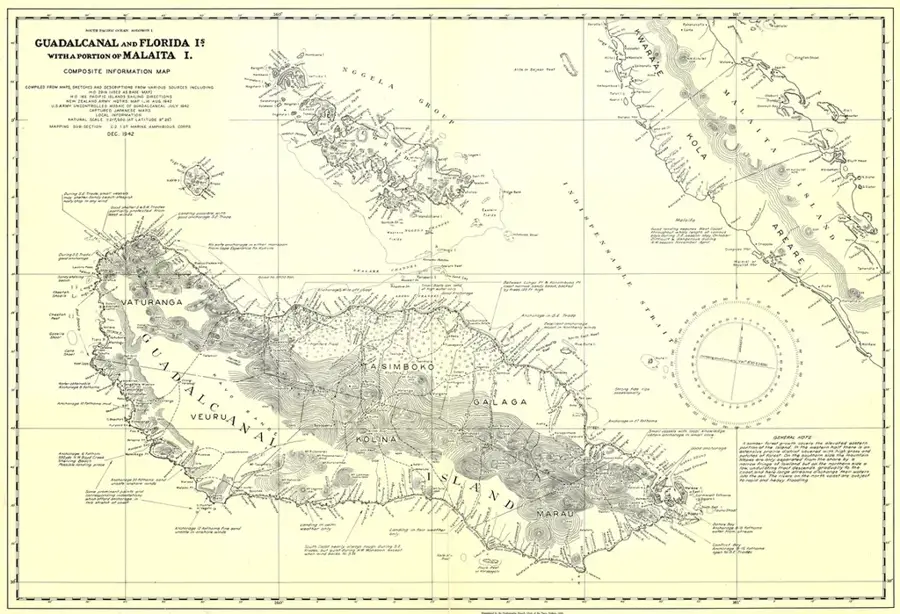
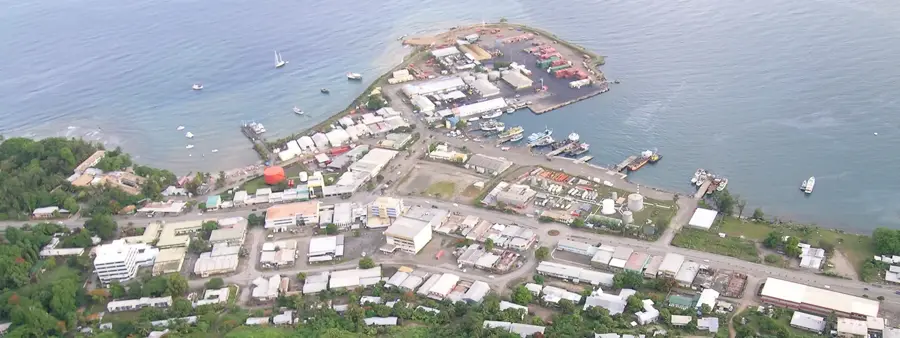
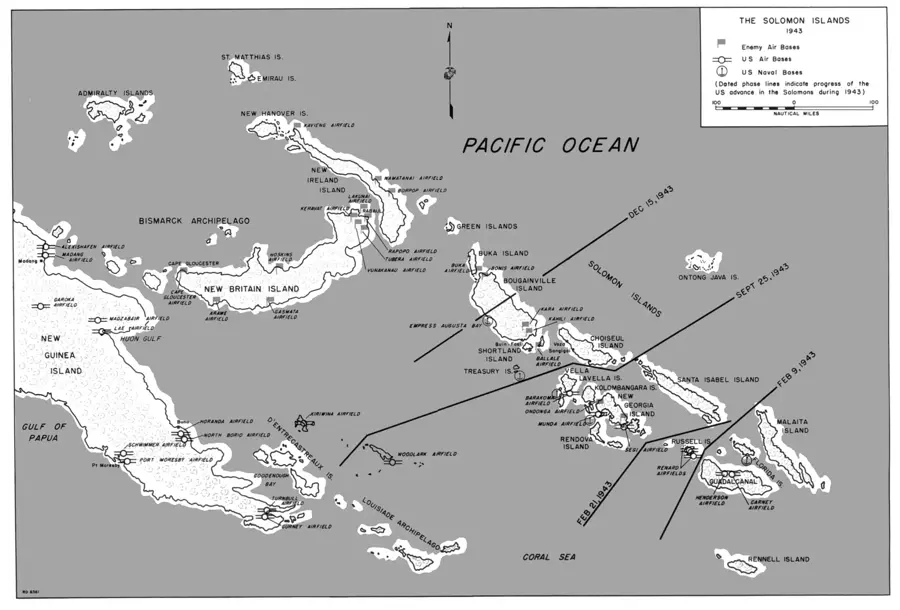
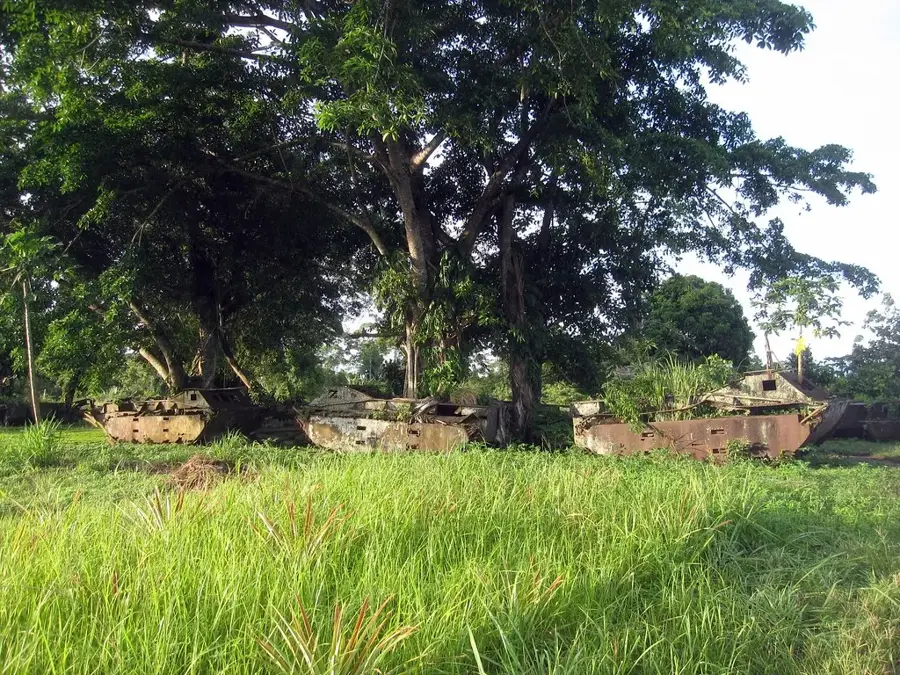
The Reko River on Guadalcanal became a site of critical military importance during the final stages of the Guadalcanal Campaign in early 1943. The rugged and marshy terrain surrounding the river was the scene of fierce rearguard actions as retreating Japanese forces attempted to delay the advancing United States troops. During Operation Ke, the covert and successful Japanese evacuation in February 1943, the Reko River area served as a vital assembly point for malnourished and disease-ridden soldiers awaiting extraction by Imperial Japanese Navy destroyers. The combat in this sector was characterized by extreme hardship, where the natural environment and lack of supplies were as deadly as the enemy's fire. Historically, the actions at Reko River signify the effective end of Japanese resistance on Guadalcanal and the consolidation of Allied control. Today, the area is a quiet tropical landscape, yet it remains a poignant reminder of the human cost and the strategic turning point that occurred on these shores.
- Location: Solomon Islands
- Nearby: Aola (9 km)
Best time to visit & climate
The most pleasant time to visit is Jul–Sep.
| Jan | Feb | Mar | Apr | May | Jun | Jul | Aug | Sep | Oct | Nov | Dec | |
|---|---|---|---|---|---|---|---|---|---|---|---|---|
| Avg °C | 28 | 28 | 28 | 28 | 28 | 27 | 27 | 27 | 27 | 27 | 28 | 28 |
| Rain mm | 271 | 312 | 284 | 222 | 244 | 155 | 155 | 131 | 130 | 182 | 182 | 239 |
Geography
Facts
- The most intense fighting at Reko River occurred in January and February 1943.
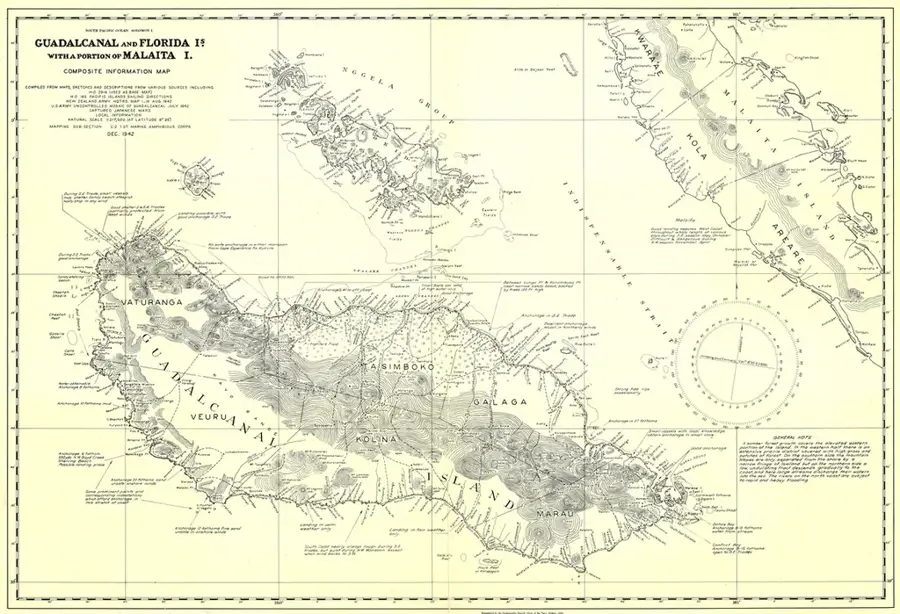
- The river is situated on the northeastern coast of Guadalcanal, east of Henderson Field.
- Japanese units established a buffer zone here to cover the evacuation of 10,000 troops.
- The US Army utilized heavy artillery barrages to disrupt Japanese movements near the river.
- Historical reports suggest over 70% of the troops in this sector suffered from malaria or beriberi.
- The Reko River was one of the final defensive perimeters before the total Japanese withdrawal.
Explore nearby
Notable places around


Route planner — Car & Motorhome
Where do you start? We build the route here, with stops and country notes along the way.
© OpenStreetMap contributors · OpenRouteService
Frequently asked questions
Is Reko worth a trip?
How to get there?
Is there food there?
Best time to visit?
Do you need a guide?
Reko: where is it located?
Reko: when is the best time to visit?
Reko: why is it worth visiting?
Nearby cities
History & landmarks
Nature
More places