Plizio Visual Lab

Ironbottom Sound
Plizio editorial teamData Sources
battlefield
—°3
Ironbottom Sound (Solomon Islands)

Weather…

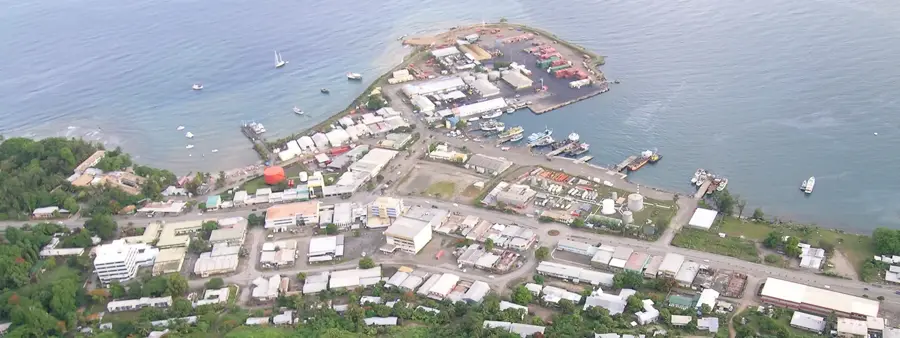
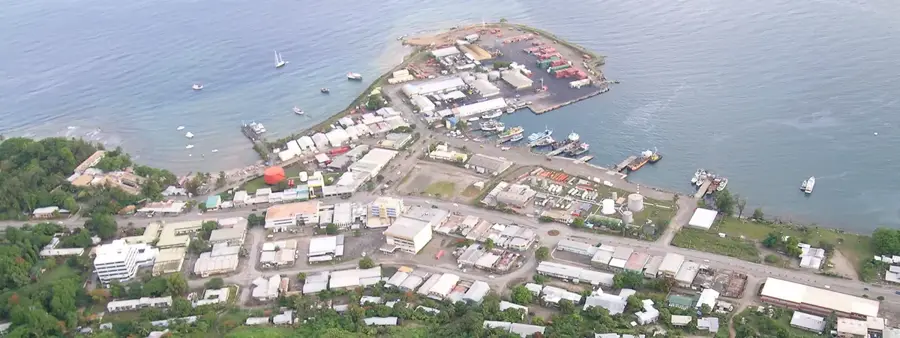
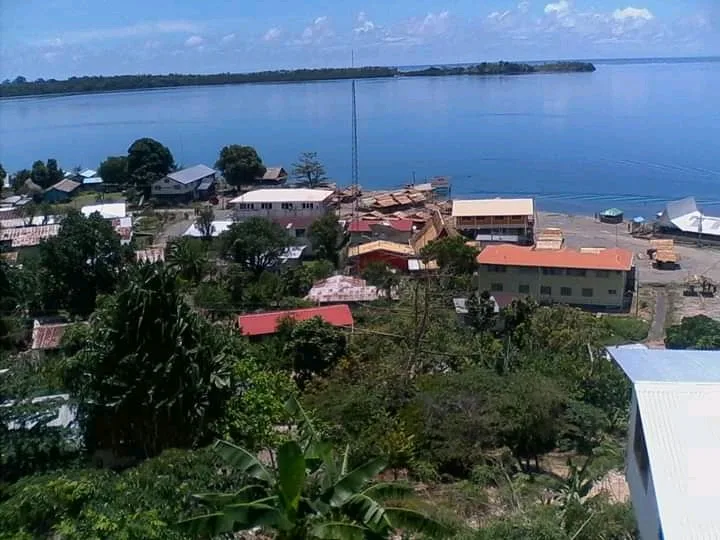
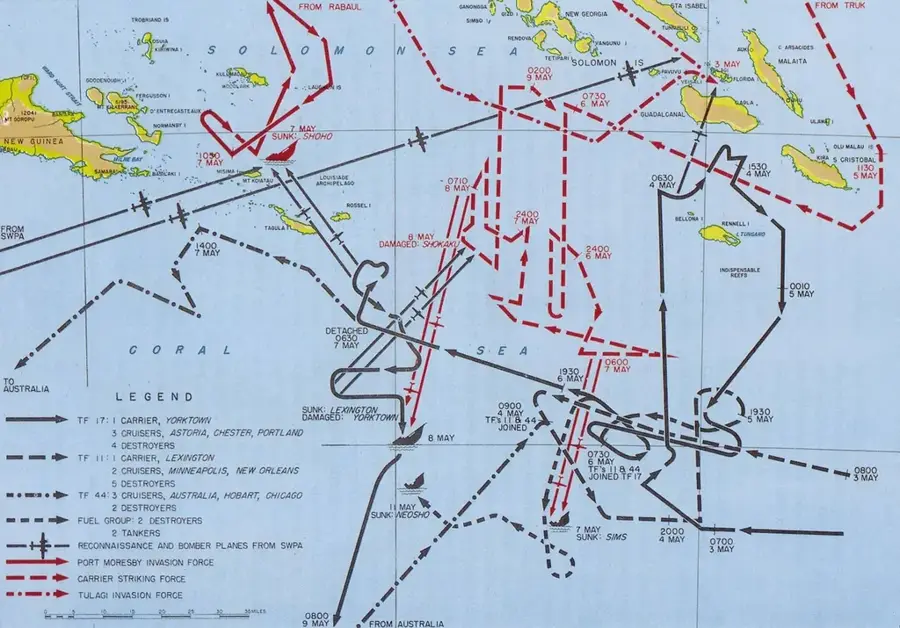
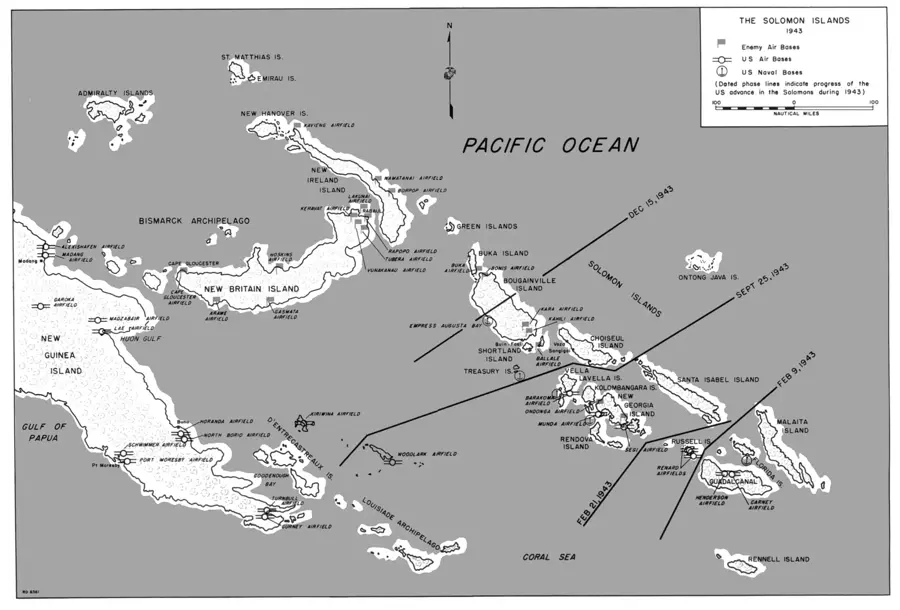
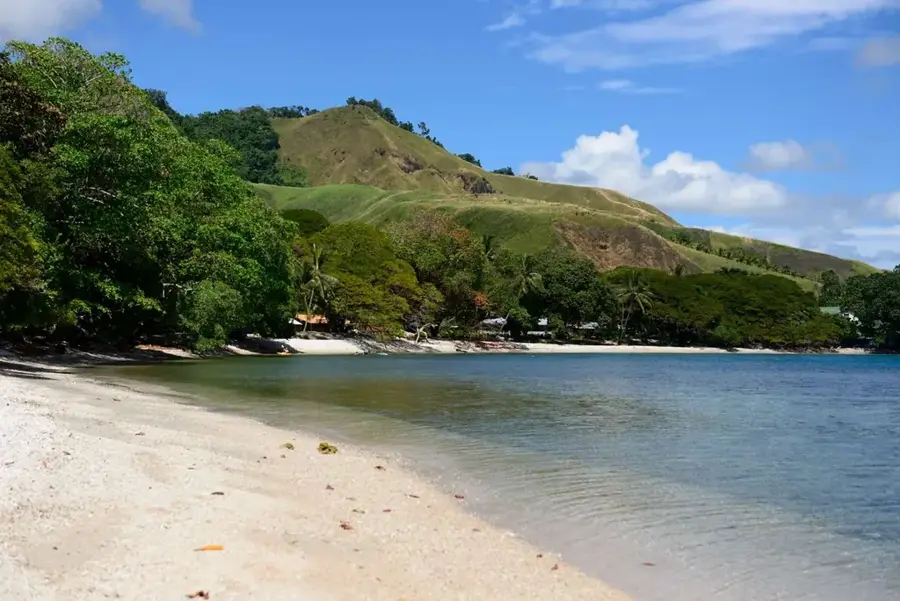
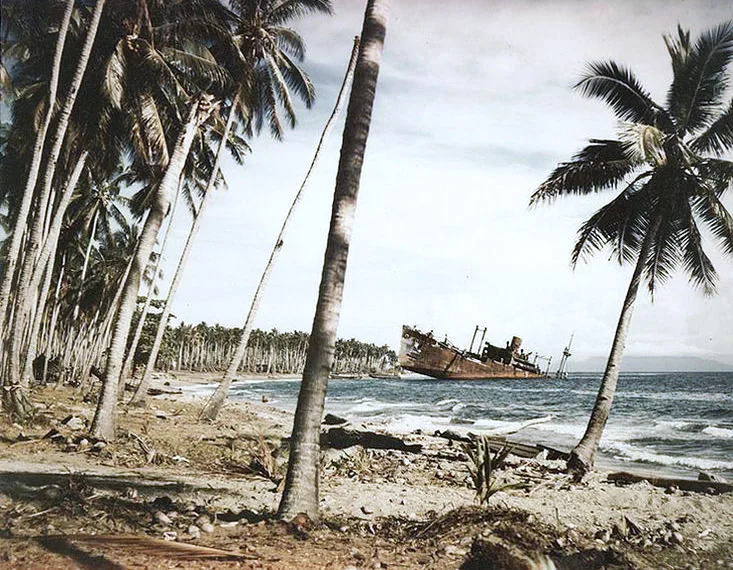
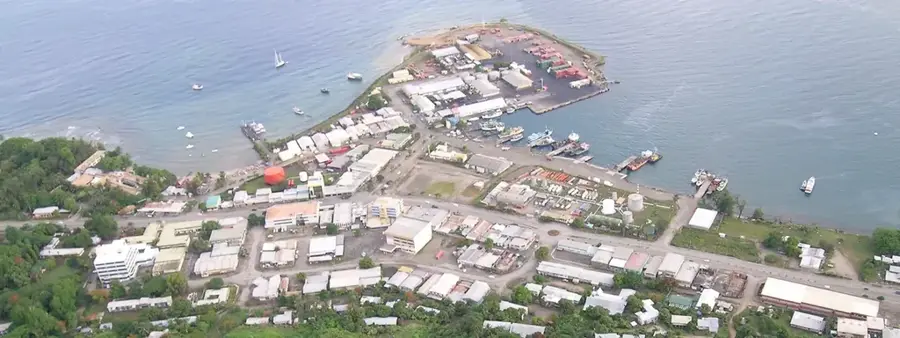
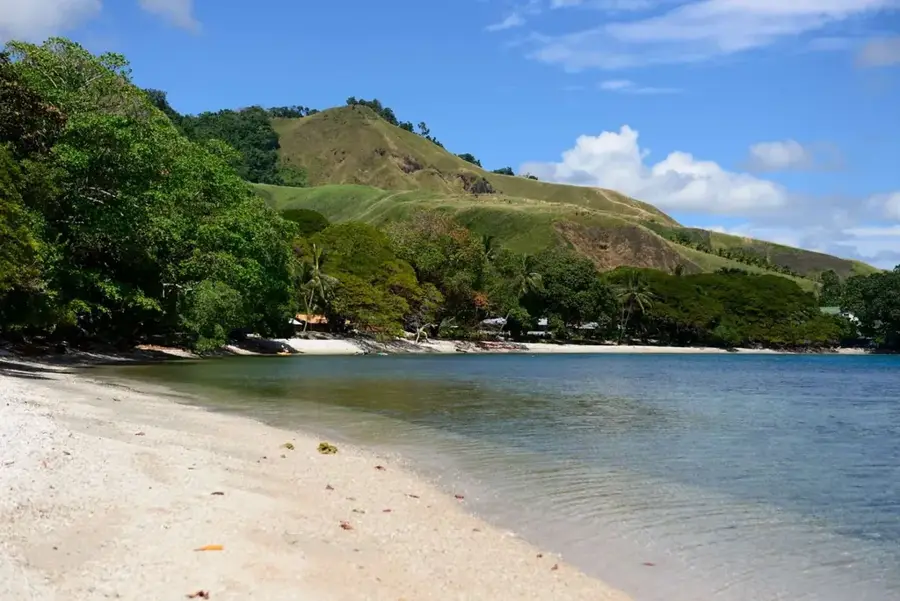
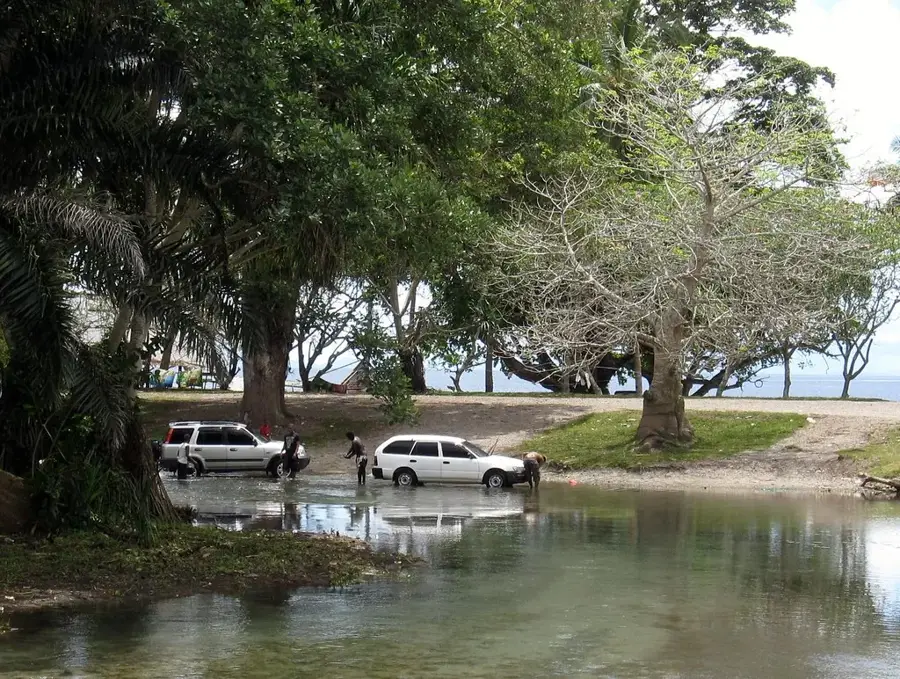
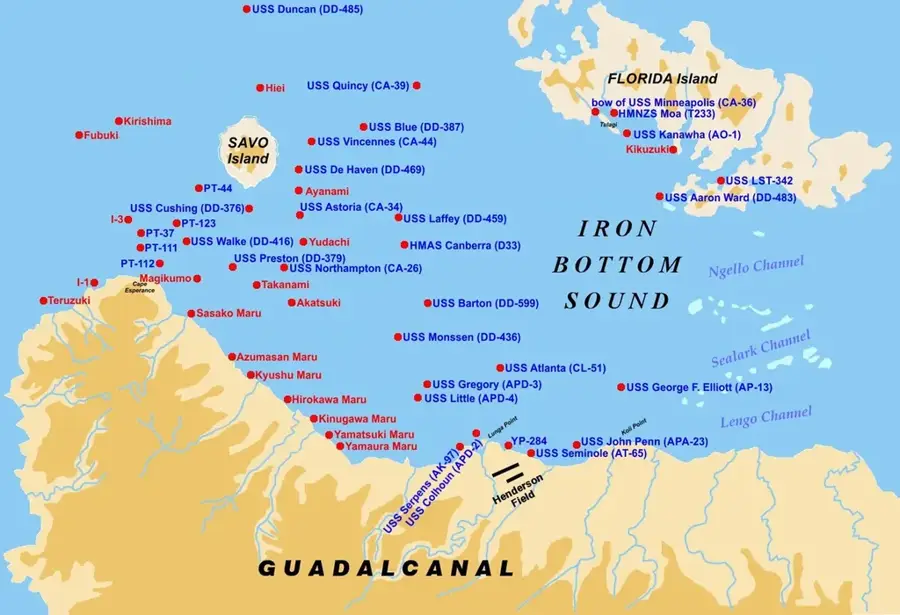
Ironbottom Sound is the grim nickname given by Allied sailors to the stretch of water between Guadalcanal, Savo Island, and the Florida Islands. Formally known as Savo Sound, the area earned its name due to the dozens of ships and aircraft that sank to the ocean floor during the intense naval engagements of 1942 and 1943. The sound witnessed some of the most violent maritime battles in history, including the Battle of Savo Island, the Battle of Cape Esperance, and the massive Naval Battle of Guadalcanal. The high concentration of steel on the seabed is so significant that it is said to affect the magnetic compass readings of passing vessels. Today, the area is a protected underwater archaeological site and a final resting place for thousands of sailors. While many wrecks lie in extremely deep water, some are accessible to specialized technical divers, making it one of the world's most significant wreck-diving locations.

Best time to visit & climate

The most pleasant time to visit is Jun, Aug, Sep.

JanFebMarAprMayJunJulAugSepOctNovDec
Avg °C292828282928282828282829
Rain mm284282271215201187195167169193194218

📋 Practical info

🚪
Visiting
Visiting this somber marine battlefield is primarily done by boat tours or through specialized scuba diving expeditions, as the wrecks lie submerged beneath the ocean surface. While surface views from the coastline offer a quiet perspective, only qualified technical divers can truly access the deep wrecks.
🕒
Typical hours
Surface observation from the coastal beaches is naturally possible from dawn until dusk, offering peaceful moments of reflection. Organized diving charters and memorial boat cruises operate strictly according to scheduled daytime departures and favorable oceanic weather conditions.
📷
Photography
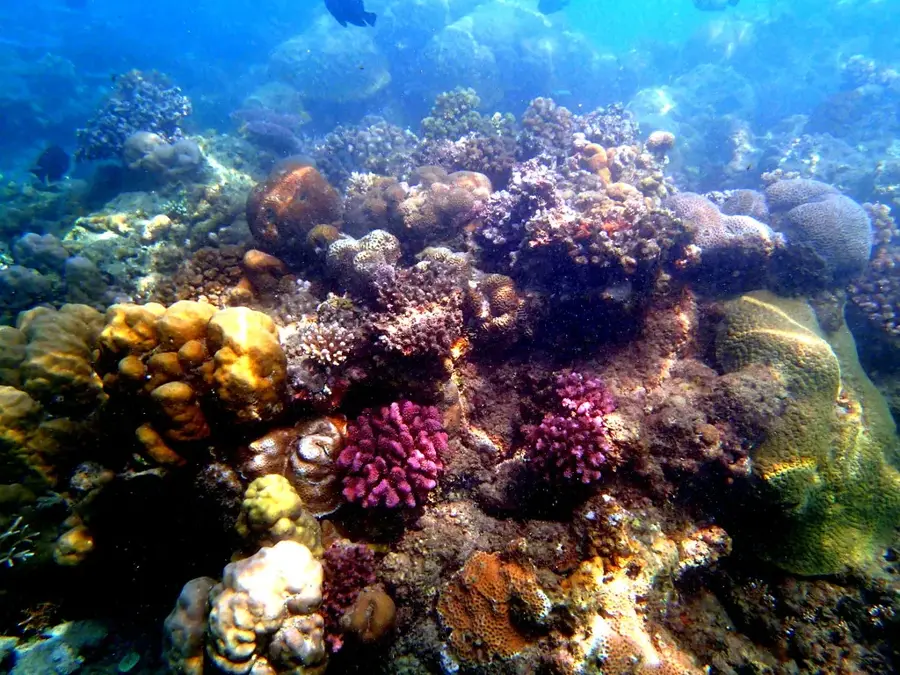
Capturing the vast, tranquil surface of the sound from Guadalcanal or Savo Island provides beautiful, contemplative landscape photography. For underwater photographers with appropriate lighting equipment and deep-diving certification, the sunken ships and aircraft offer hauntingly powerful maritime imagery.
⏱️
Time needed
A basic coastal visit to view the historic waters and read nearby shoreline plaques might take less than an hour. Conversely, a dedicated maritime tour or a series of guided technical dives will easily consume a full day or form the core of a multi-day itinerary.
Combine with
This somber expanse of water pairs naturally with the terrestrial battlefields of Guadalcanal, including the strategic Lunga Point and Henderson Field. You can also explore the coastal memorials in Honiara which provide essential context for the massive naval clashes that occurred just offshore.
🧭
Getting there
The sound is geographically positioned directly north of Honiara, making the adjacent coastline incredibly accessible from the capital's main road network. Arranging direct maritime access requires booking passage with established local dive operators or specialized historical charter boats based in the main port.
💡
Insider tip
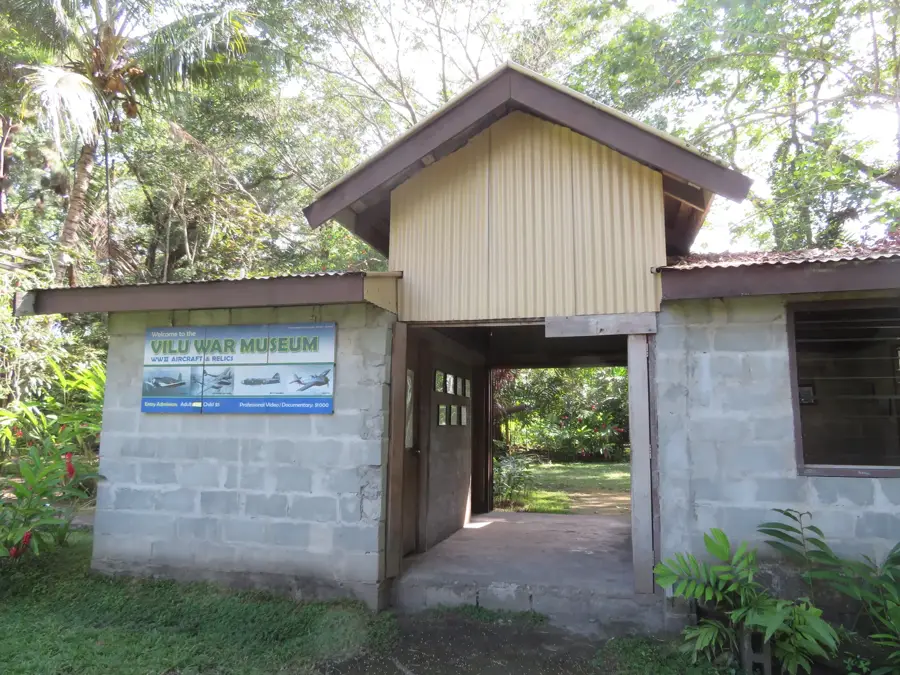
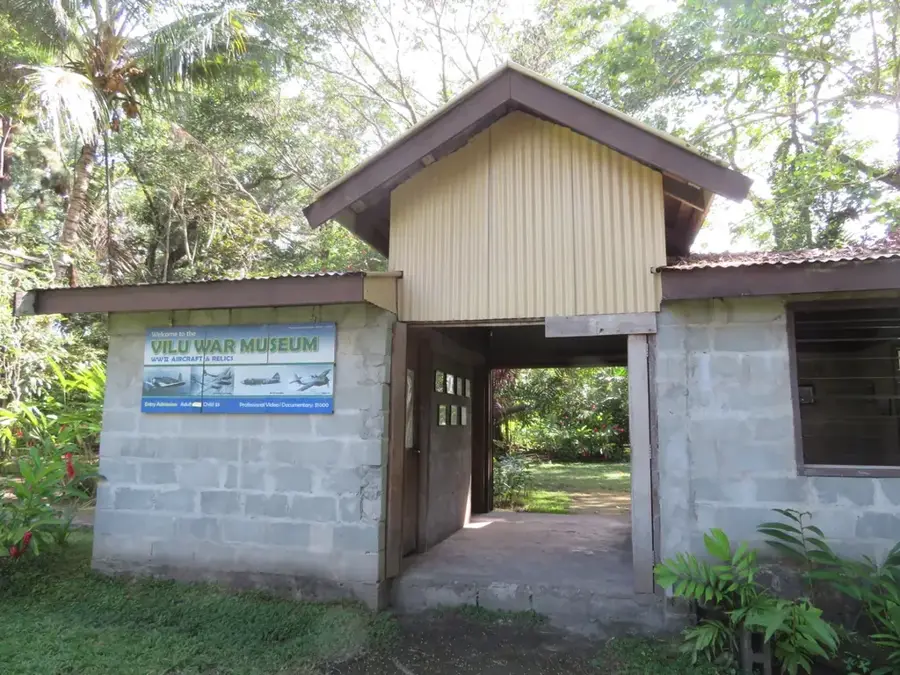
Because the vast majority of the famous wrecks lie at extreme depths beyond recreational diving limits, strongly consider visiting the local war museums first. They display recovered artifacts and detailed charts that make visualizing the profound history beneath the waves far more impactful.

Geography

Coordinates
-9.15000, 159.85000

Facts

  • Over 50 major Allied and Japanese warships lie on the ocean floor.
  • Notable sunken vessels include the USS Atlanta and the IJN Kirishima.
  • Much of the sound exceeds depths of 600 meters (2,000 feet).
  • The density of iron is high enough to cause magnetic anomalies.
  • Dr. Robert Ballard explored and documented the sound in 1992.
  • International law prohibits the removal of artifacts from these war graves.

Explore nearby

Notable places around

Route planner — Car & Motorhome

Where do you start? We build the route here, with stops and country notes along the way.

Vehicle
Only stops with (optional):

© OpenStreetMap contributors · OpenRouteService

Sights in the town Ironbottom Sound (3)

Kaogele Church

Church in Kaogele village on Guadalcanal island, used by the local community.

Sesepi Church

Christian church in the settlement of Sesepi on Guadalcanal, venue for worship services.

Monagho Church

Church in Monagho village on Guadalcanal, meeting place for the Christian community.

Sights nearby

Frequently asked questions

What is Ironbottom Sound?
A sea area off Guadalcanal, named after the many warships that sank there.
Can the area be visited for tourism?
Yes, it is a popular destination for divers who want to explore wrecks.
Is diving safe there?
Only for experienced divers, as wrecks are deep and there can be strong currents.
Do you need a guide for wreck dives?
Absolutely, dives in Ironbottom Sound require local knowledge.
What is the best season for diving?
During the dry season, as underwater visibility is best then.
Ironbottom Sound: where is it located?
Ironbottom Sound is located in Solomon Islands.
Ironbottom Sound: what is there to see?
Highlights include Kaogele Church, Sesepi Church, Monagho Church.
Ironbottom Sound: when is the best time to visit?
The most pleasant time to visit is Jun, Aug, Sep.
Ironbottom Sound: why is it worth visiting?
Ironbottom Sound is the grim nickname given by Allied sailors to the stretch of water between Guadalcanal, Savo Island, and the Florida Islands.
View on map → The Top 50 Attractions → OpenStreetMap →
Oceania
Explore with Plizio Discover more places in Oceania
More places in Solomon Islands →

Nearby cities

History & landmarks
More places