Plizio Visual Lab

Bonegi Beach
Plizio editorial teamData Sources
battlefield
—°3
Bonegi Beach (Solomon Islands)

Weather…

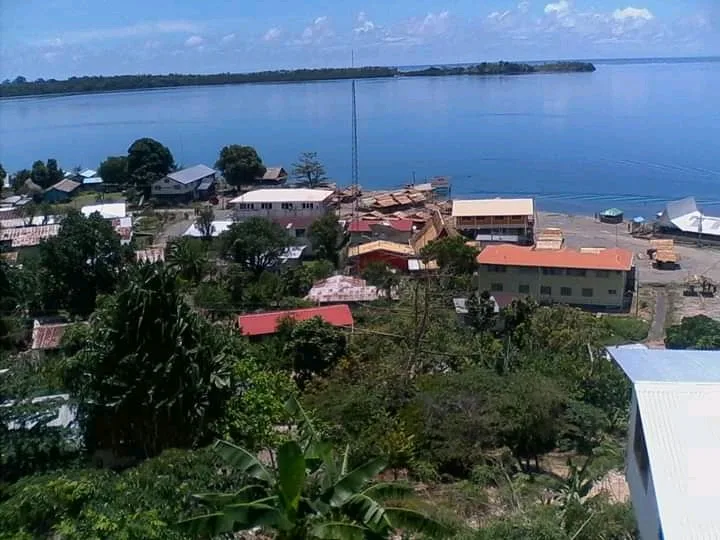
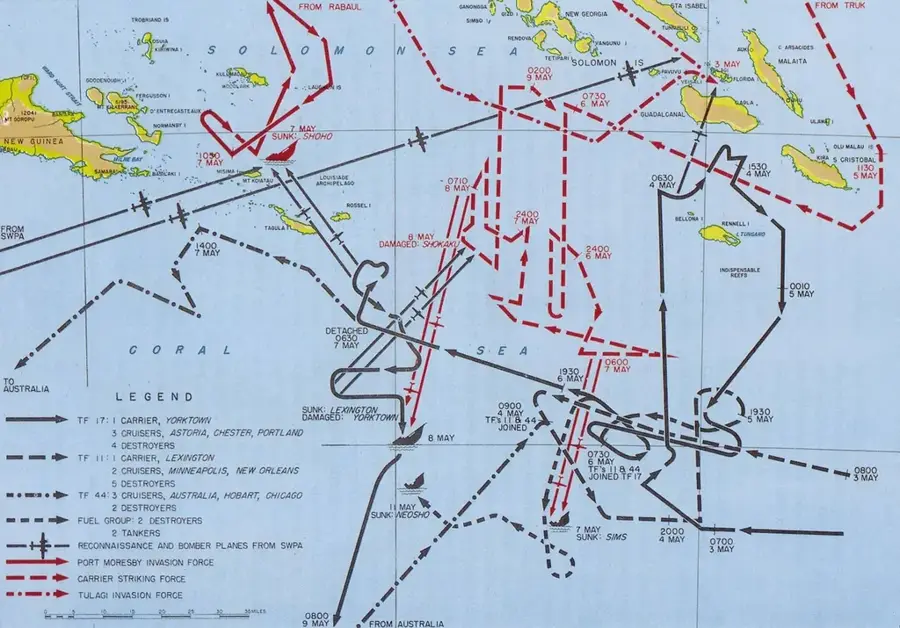
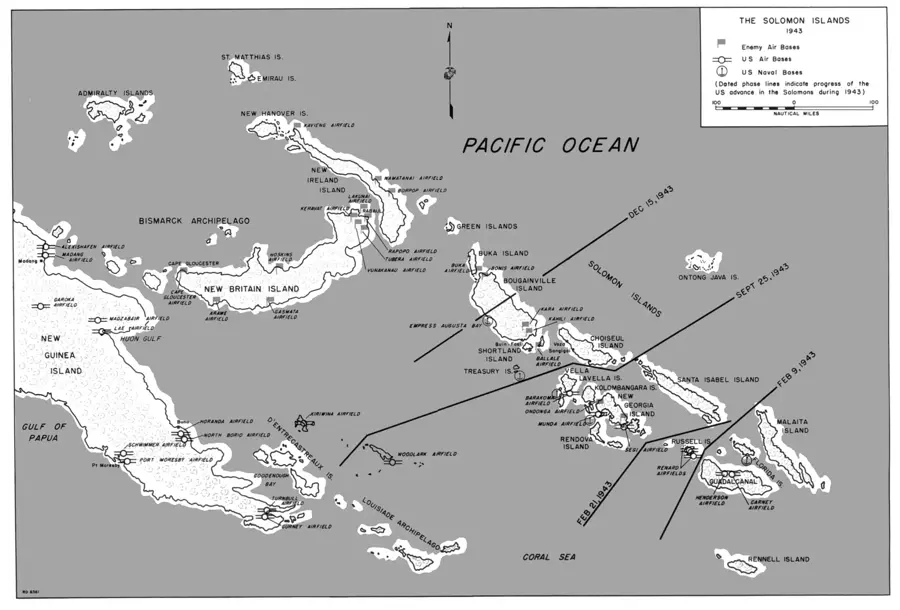
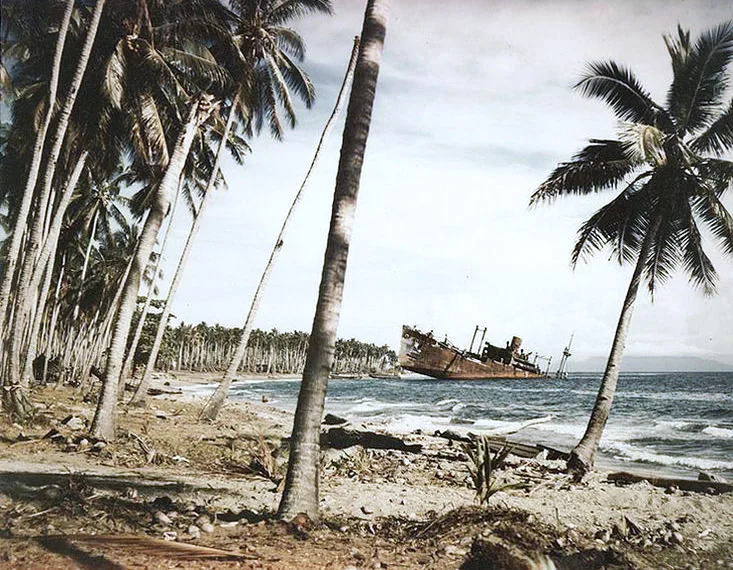
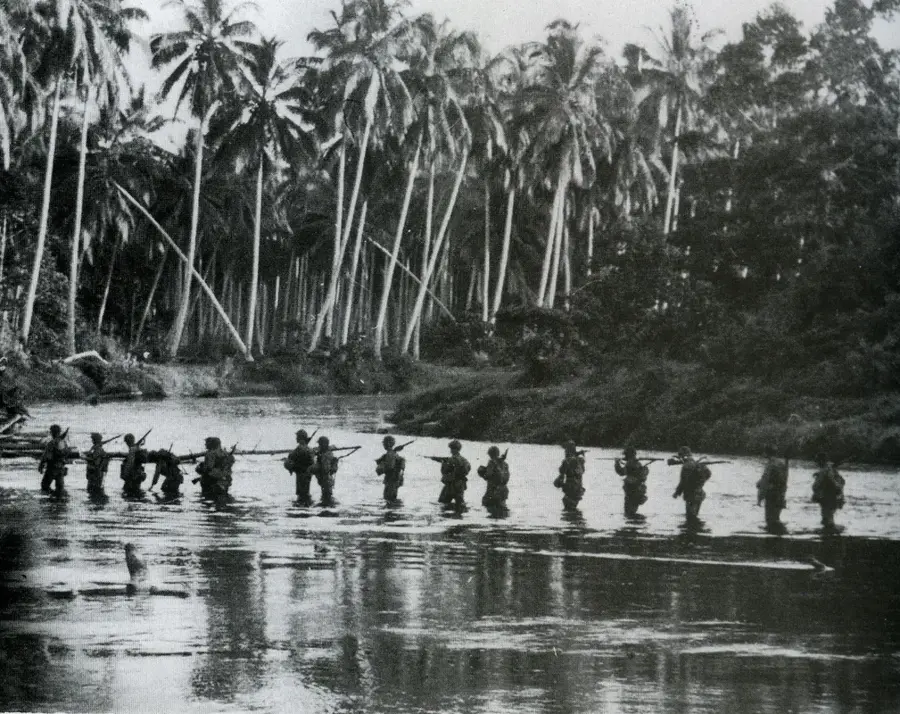
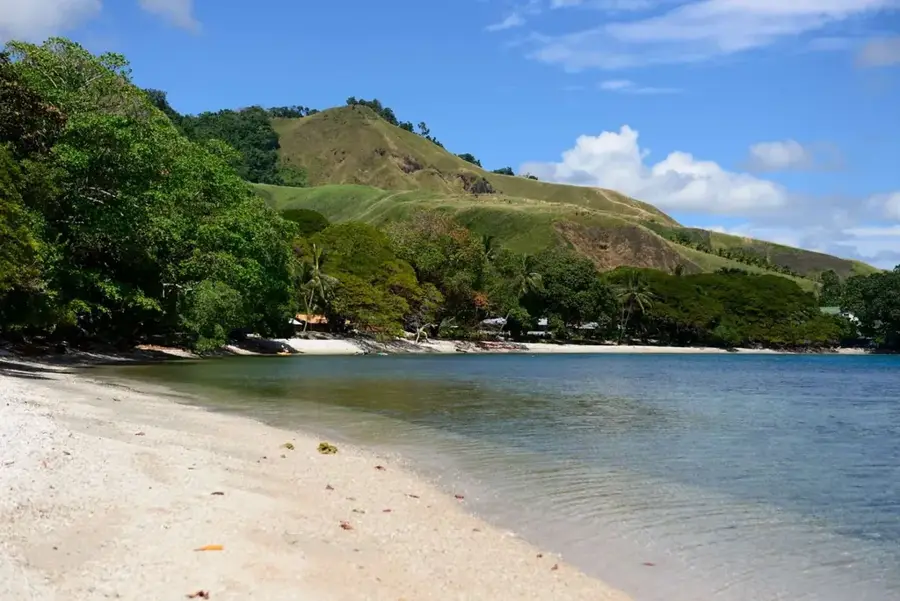
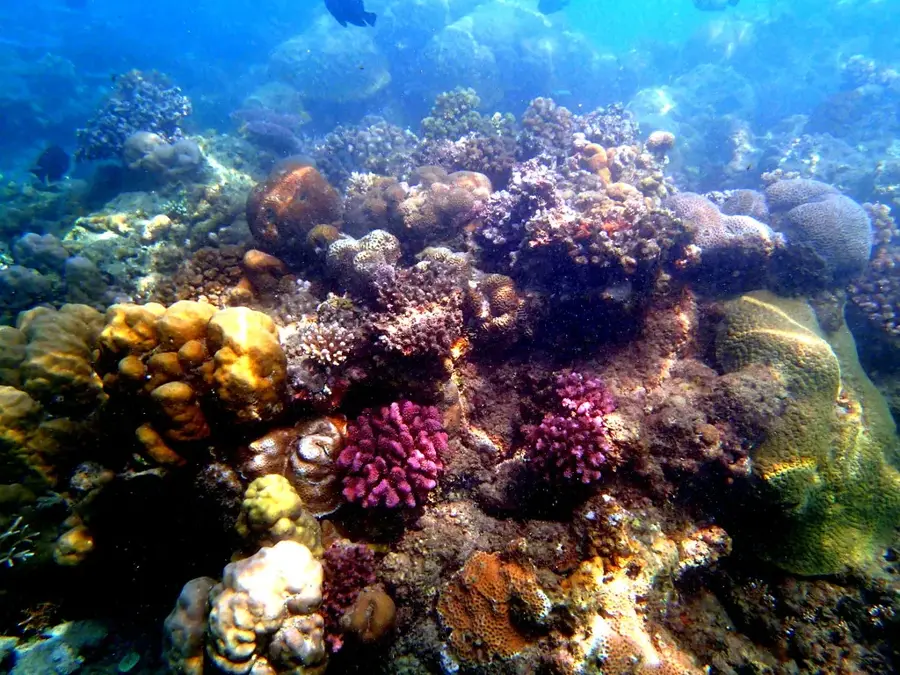
Bonegi Beach, located about 12 kilometers west of Honiara, is world-renowned as a premier wreck-diving site featuring two massive Japanese transport ships. The wrecks, known locally as Bonegi 1 (the Kinugawa Maru) and Bonegi 2 (the Hirokawa Maru), were intentionally beached by the Imperial Japanese Navy in November 1942. After being crippled by Allied air attacks during the Naval Battle of Guadalcanal, the captains ran the ships aground to offload critical supplies for the starving Japanese garrison. Over the decades, the steel structures have transformed into spirited artificial reefs, encrusted with soft corals and swarming with tropical fish. Bonegi 1 is particularly accessible, with its bow occasionally breaking the surface during low tide. The beach itself, characterized by its dark volcanic sand, serves as a poignant reminder of the logistical desperation that defined the final stages of the Japanese defense of the island.

Best time to visit & climate

The most pleasant time to visit is Jul–Sep.

JanFebMarAprMayJunJulAugSepOctNovDec
Avg °C272626262626262626262727
Rain mm263305277220214143135114107160167221

📋 Practical info

🚪
Visiting
This popular historical location is easily accessed by the public, offering both beach relaxation and the opportunity to view significant offshore relics. Visitors can walk along the shore to observe the massive rusting wreckage protruding directly from the waters.
🕒
Typical hours
The beach is openly accessible throughout the day, making it a flexible addition to any travel itinerary in the region. Mornings typically offer the clearest water conditions for those hoping to get a better look at the submerged historical structures.
📷
Photography
The dramatic contrast between the pristine tropical beach and the deteriorating hulks of the wartime vessels provides exceptional photographic possibilities. Polarizing filters can be incredibly useful to cut through surface reflections and capture the submerged sections.
⏱️
Time needed
A typical visit lasts between one and three hours, depending on whether you simply wish to view the wrecks or plan to spend time relaxing on the sand. Those engaging in water activities around the site often stay for a significant portion of the day.
Combine with
The convenient location along the coastal road makes it easy to combine this visit with trips to the nearby capital city and its related wartime museums. It also serves as an excellent midpoint stop when exploring other historic sites situated further westward.
🧭
Getting there
The beach is straightforward to reach by private vehicle, taxi, or local minibuses travelling along the main coastal highway from the capital. The wrecks themselves are located remarkably close to the shoreline, allowing for excellent viewing without needing a boat.
💡
Insider tip
If you plan to enter the water near the historical wreckage, wearing sturdy water shoes is strongly recommended to protect against sharp coral and rusted metal edges. Always remain mindful of the unpredictable coastal currents that can sweep through the area.

Geography

Coordinates
-9.38500, 159.86500

Facts

  • The Kinugawa Maru (Bonegi 1) lies at a depth of 0 to 27 meters.
  • Both ships were part of a high-speed transport convoy of the 'Tokyo Express'.
  • The Hirokawa Maru (Bonegi 2) is slightly larger and lies in deeper water.
  • Artifacts like artillery shells and vehicle parts are still visible inside the hulls.
  • The site is accessible from the shore without the need for a boat.
  • The wrecks have been underwater for over 80 years, creating a unique ecosystem.

Explore nearby

Notable places around

Route planner — Car & Motorhome

Where do you start? We build the route here, with stops and country notes along the way.

Vehicle
Only stops with (optional):

© OpenStreetMap contributors · OpenRouteService

Sights in the town Bonegi Beach (3)

Mbonege Beach Shipwreck

Wreck of a Japanese transport ship from WWII, lying on the sand at Bonegi Beach.

Sinking ship

Viewpoint overlooking the half-submerged shipwreck off the coast of Bonegi.

Bonegi Beach

Sandy beach on Guadalcanal's north coast, known for shipwrecks and recreation.

Sights nearby

Frequently asked questions

What makes Bonegi Beach special?
The beach provides excellent opportunities for snorkeling at sunken World War II wrecks.
Is the water safe for swimming?
Yes, within the sheltered areas swimming is well possible.
Do you have to pay an entry fee?
Landowners often ask for a small fee for access to the beach and wrecks.
Are there facilities like toilets there?
The infrastructure is very simple, do not count on public sanitary facilities.
When is the best time for a visit?
It is quieter on weekdays; avoid the beach on weekends.
Bonegi Beach: where is it located?
Bonegi Beach is located in Solomon Islands.
Bonegi Beach: what is there to see?
Highlights include Mbonege Beach Shipwreck, Sinking ship, Bonegi Beach.
Bonegi Beach: when is the best time to visit?
The most pleasant time to visit is Jul, Sep.
Bonegi Beach: why is it worth visiting?
Bonegi Beach, located about 12 kilometers west of Honiara, is world-renowned as a premier wreck-diving site featuring two massive Japanese transport ships.
View on map → The Top 50 Attractions → OpenStreetMap →
Oceania
Explore with Plizio Discover more places in Oceania
More places in Solomon Islands →

Nearby cities

History & landmarks
More places