Plizio Visual Lab

Savo Island
Plizio editorial teamData Sources
battlefield
—°3
Savo Island (Solomon Islands)

Weather…

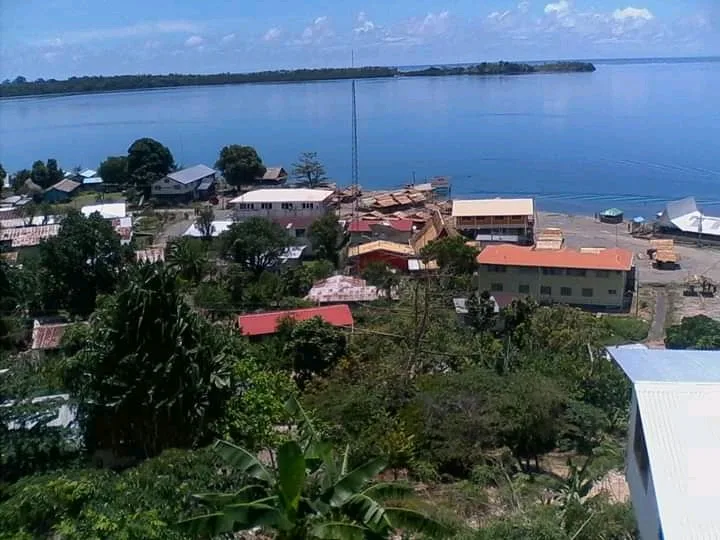
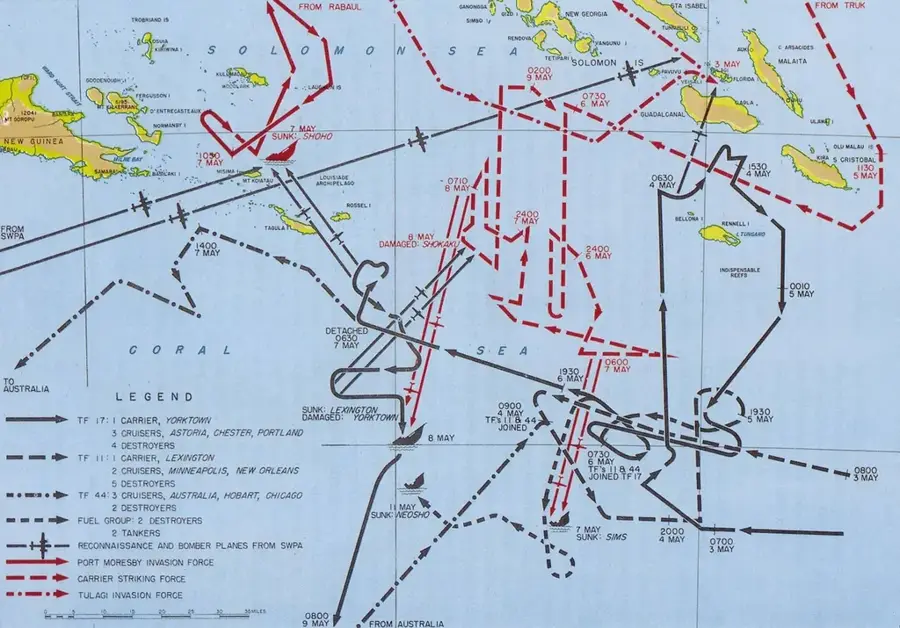
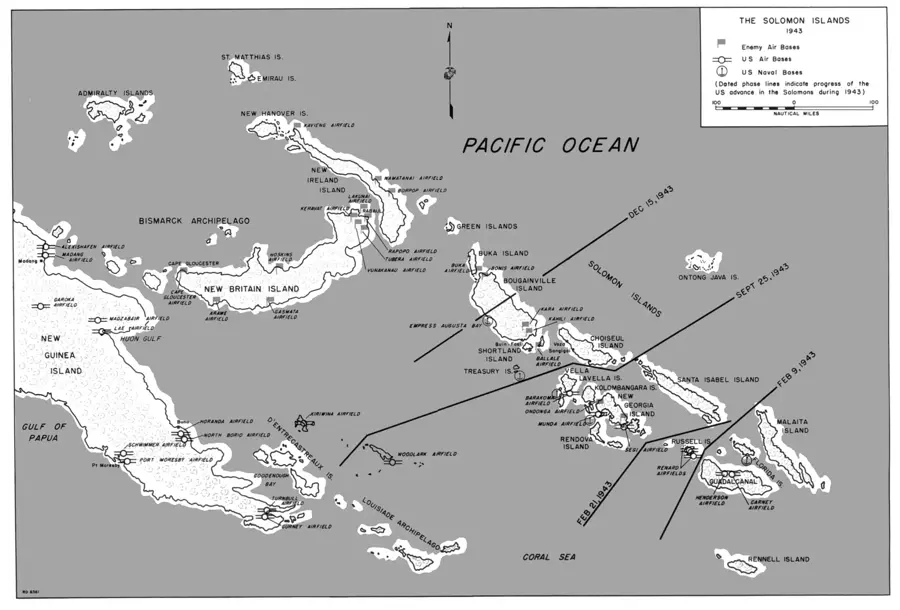
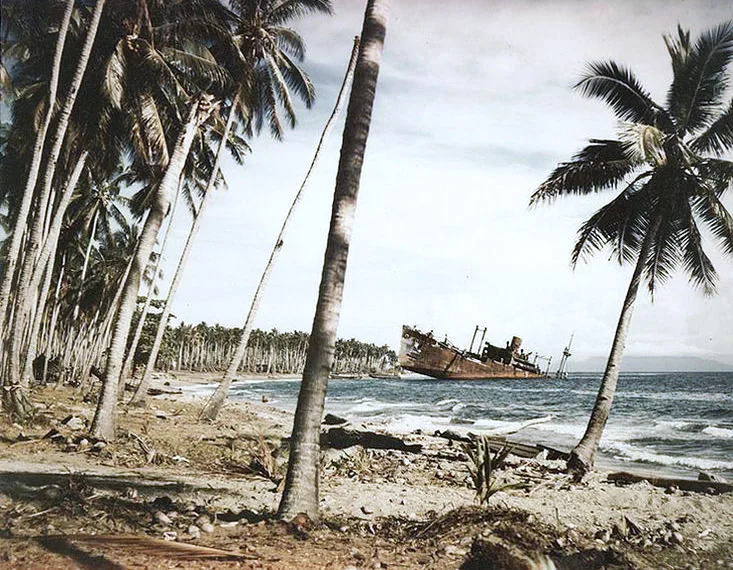
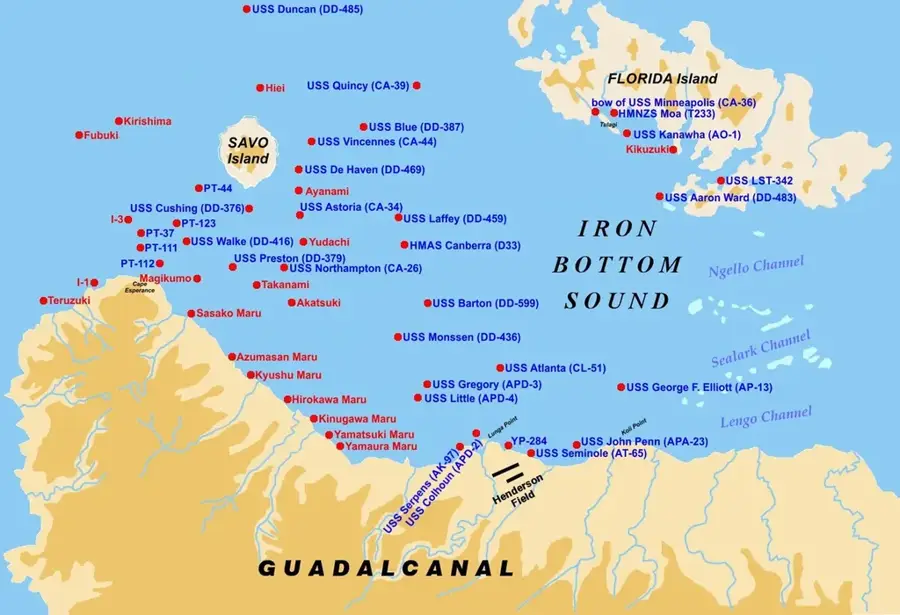
Savo Island is a circular volcanic island situated in the Iron Bottom Sound, approximately 35 kilometers northwest of Honiara on Guadalcanal. The island is dominated by an active stratovolcano that last experienced a significant eruption in the mid-19th century, around 1847, causing widespread displacement. Historically, Savo gained global prominence during World War II as the location of the Battle of Savo Island in August 1942. This naval engagement between Allied and Japanese forces resulted in the sinking of several heavy cruisers and contributed to the naming of the surrounding waters as Iron Bottom Sound. Today, the island is well-known for its megapode birds, which utilize the warm volcanic ash to incubate their eggs, and its geothermal springs. The local population resides in coastal villages, maintaining traditional subsistence lifestyles despite the ongoing volcanic monitoring of the peak. Its strategic position has made it a vital maritime landmark for centuries in the Solomon Sea region.

Best time to visit & climate

The most pleasant time to visit is Jun, Aug, Sep.

JanFebMarAprMayJunJulAugSepOctNovDec
Avg °C292828282928282828282829
Rain mm284282271215201187195167169193194218

📋 Practical info

🚪
Visiting
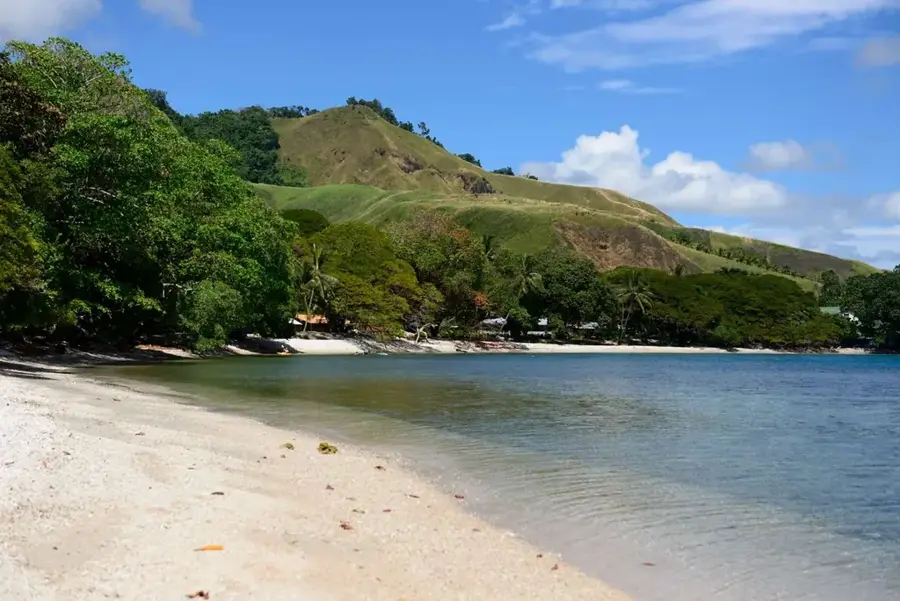
The volcanic island of Savo is entirely accessible for daytime visits, offering a fascinating blend of lush tropical scenery, geothermal activity, and solemn historical importance. You can freely walk the coastal perimeter, visit the small villages, and explore the dense interior jungles independently or with local community members guiding you.
🕒
Typical hours
Access to the island's natural attractions and historical landing sites is not regulated by specific opening or closing times, offering maximum flexibility for travelers. Realistically, all exploration should be conducted between sunrise and sunset, as the island has minimal artificial lighting and the boat journey back to Guadalcanal must be done safely in daylight.
📷
Photography
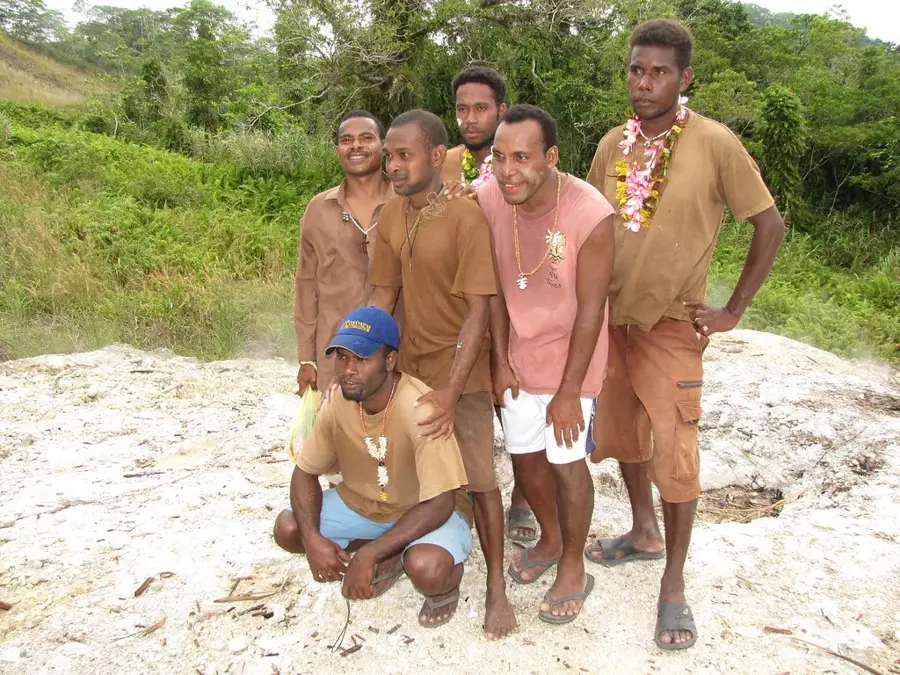
Ensure your camera batteries are fully charged to capture the iconic smoking volcanic peak, the fascinating megapode bird nesting grounds, and the tranquil shorelines. While landscape photography is uninhibited, it is always considered polite and respectful to ask for verbal permission before taking close-up portraits of the island's village residents.
⏱️
Time needed
A comprehensive day trip lasting between five and eight hours is typically necessary to fully appreciate the island's diverse geological features and wartime atmosphere. If you wish to undertake the steep, physically demanding hike up to the volcanic crater itself, be prepared for this specific activity to consume the majority of your day.
Combine with
Before or after crossing the channel to Savo, spend a day exploring the extensive open-air war museums, prominent memorials, and battlefields situated around Honiara on Guadalcanal. Many visitors also combine the cultural tour of Savo with an offshore excursion to dive the internationally famous wrecks lying deeply in the adjacent sound.
🧭
Getting there
The island is readily accessed via a relatively brief but sometimes remarkably choppy boat ride departing from the coastline west of Honiara, usually taking about an hour. Hiring a motorized banana boat through your hotel or a reputable tourism agency in the capital ensures you have an experienced operator handling the open water crossing safely.
💡
Insider tip
Bring a modest amount of local currency in smaller denominations if you wish to purchase unique local crafts, fresh fruit, or pay the customary access fees for the hot springs. The black sand beaches are visually striking but can become blisteringly hot under the equatorial sun, so wearing protective sandals or aqua shoes is absolutely essential.

Geography

Coordinates
-9.13000, 159.81000

Facts

  • The last major volcanic eruption on Savo occurred between 1840 and 1850.
  • The island has a diameter of about 6 kilometers and a total area of 31 km².
  • In the Battle of Savo Island in 1942, the Allies lost four heavy cruisers in one night.
  • Savo is located in the Iron Bottom Sound, home to dozens of WWII shipwrecks.
  • Megapode birds lay their eggs in burrows up to 90 cm deep in the volcanic ash.
  • The island features several hot springs and boiling mud pools in its interior.

Explore nearby

Notable places around

Route planner — Car & Motorhome

Where do you start? We build the route here, with stops and country notes along the way.

Vehicle
Only stops with (optional):

© OpenStreetMap contributors · OpenRouteService

Sights in the town Savo Island (3)

Pokilo Church

Christian church on Savo Island, a place of worship for the local community.

Paghopagho Church

Christian church on Savo Island, used by the island's residents.

Tsapaniata Church

Christian church on Savo Island, a gathering place for believers.

Sights nearby

Frequently asked questions

What is Savo Island known for?
For its active volcano and the nighttime battles in the surrounding waters.
Can you climb the volcano?
Yes, with a local guide, a hike is possible.
How long does the journey from Honiara take?
About an hour by speedboat.
Are accommodations available?
There are a few simple guesthouses on the island.
Is there a restaurant there?
Dining is usually done at the guesthouses.
Savo Island: where is it located?
Savo Island is located in Solomon Islands.
Savo Island: what is there to see?
Highlights include Pokilo Church, Paghopagho Church, Tsapaniata Church.
Savo Island: when is the best time to visit?
The most pleasant time to visit is Jun, Aug, Sep.
Savo Island: why is it worth visiting?
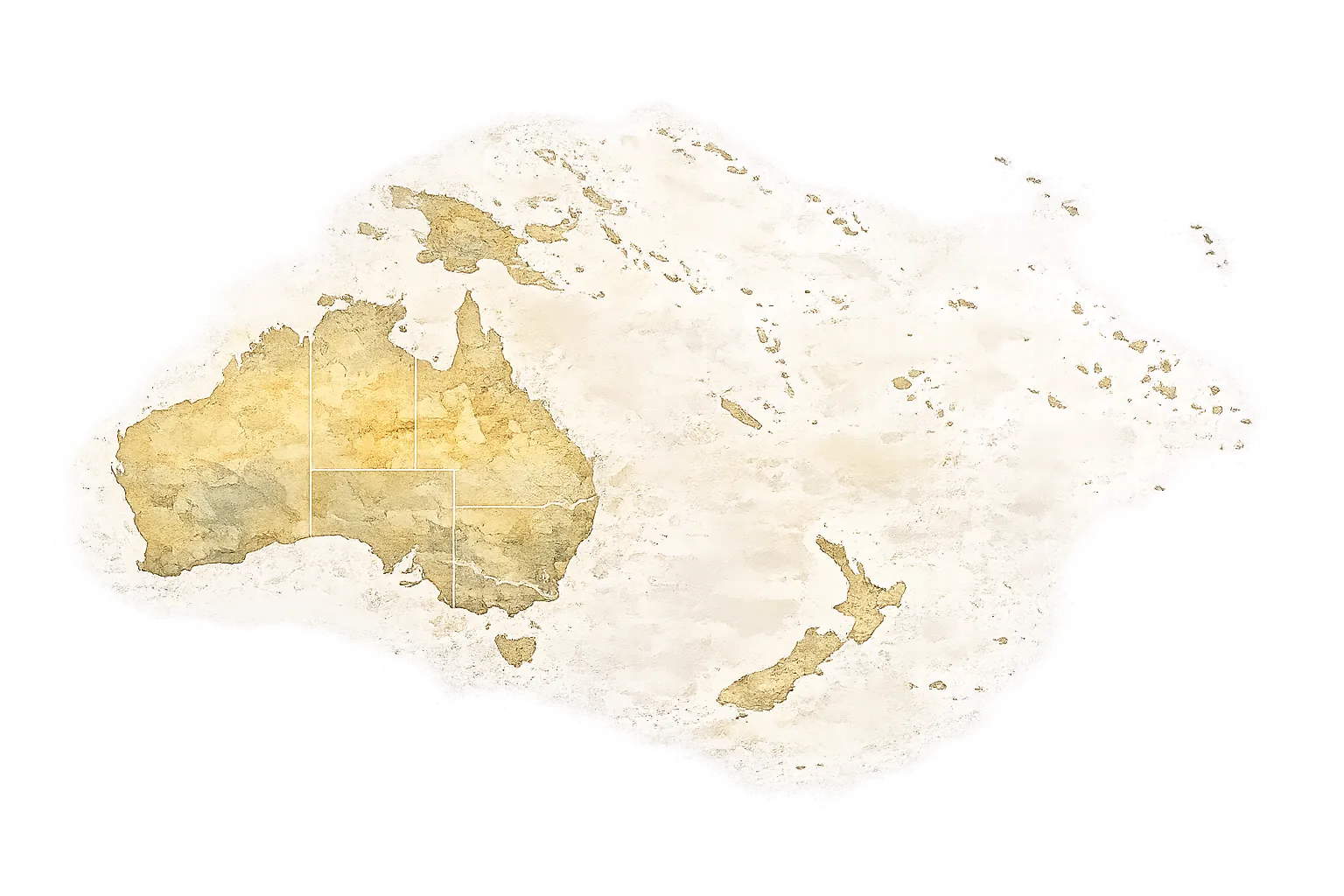
Savo Island is a circular volcanic island situated in the Iron Bottom Sound, approximately 35 kilometers northwest of Honiara on Guadalcanal.
View on map → The Top 50 Attractions → OpenStreetMap →
Oceania
Explore with Plizio Discover more places in Oceania
More places in Solomon Islands →

Nearby cities

History & landmarks
More places