Plizio Visual Lab

Blue Beach

Plizio editorial teamData Sources
battlefield
—°3
Blue Beach (Solomon Islands)

Weather…

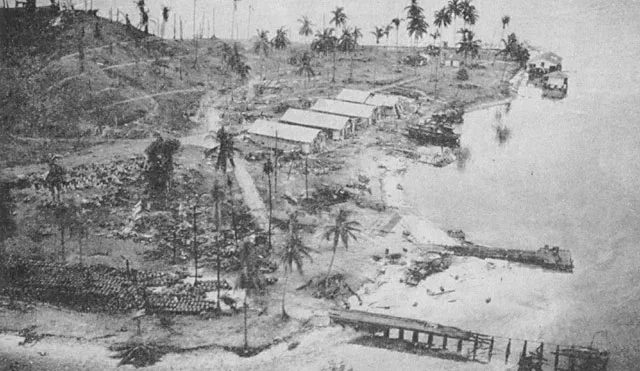
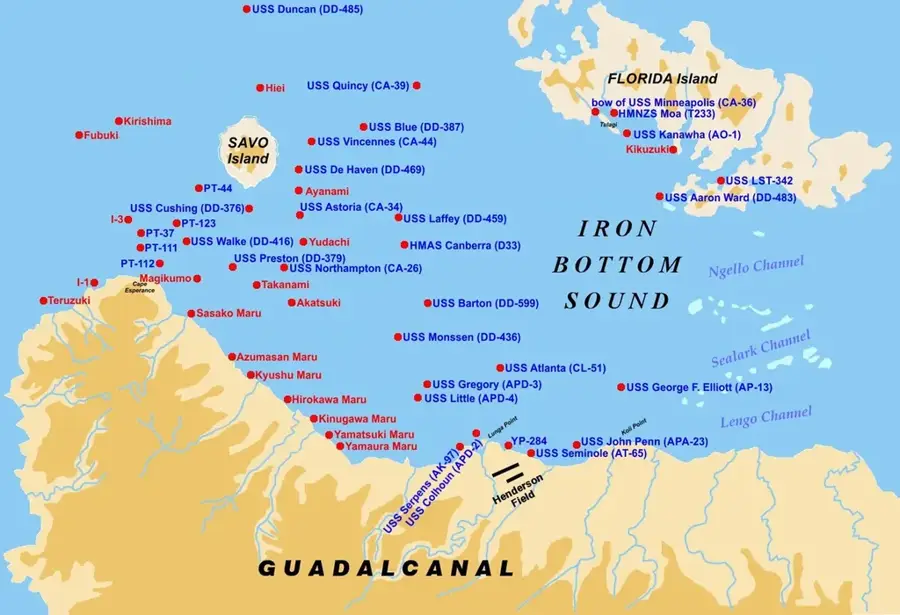
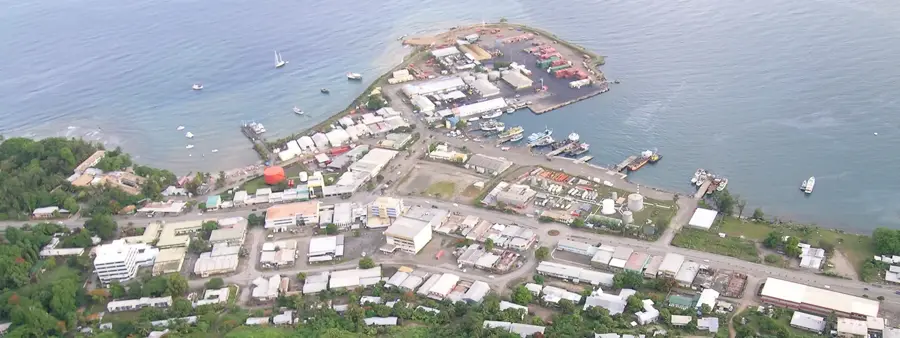
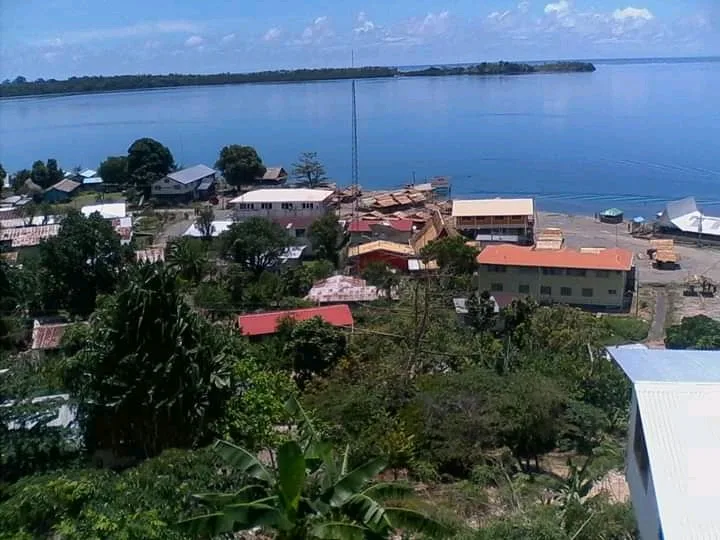
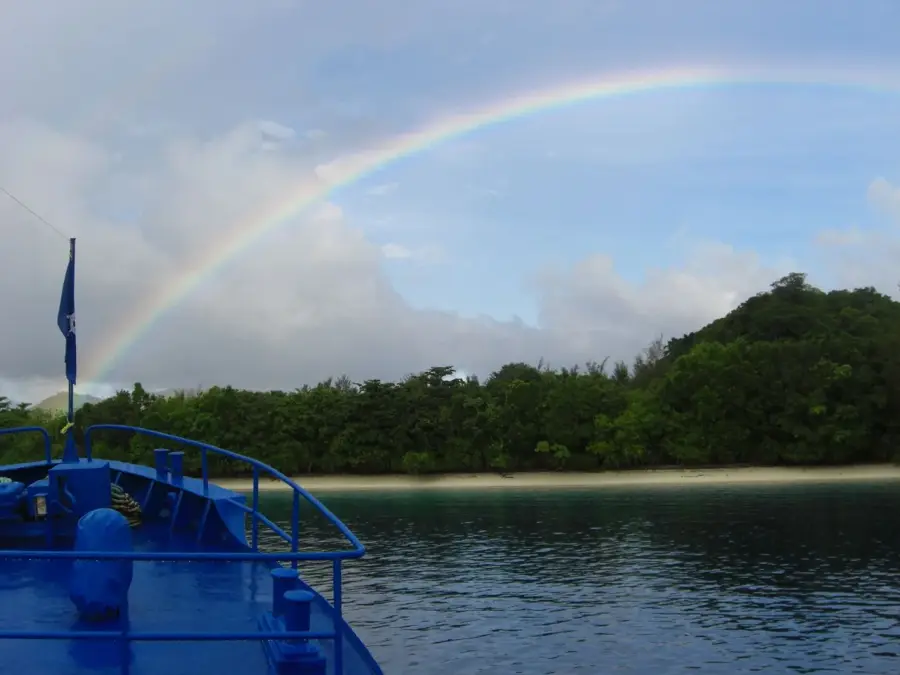
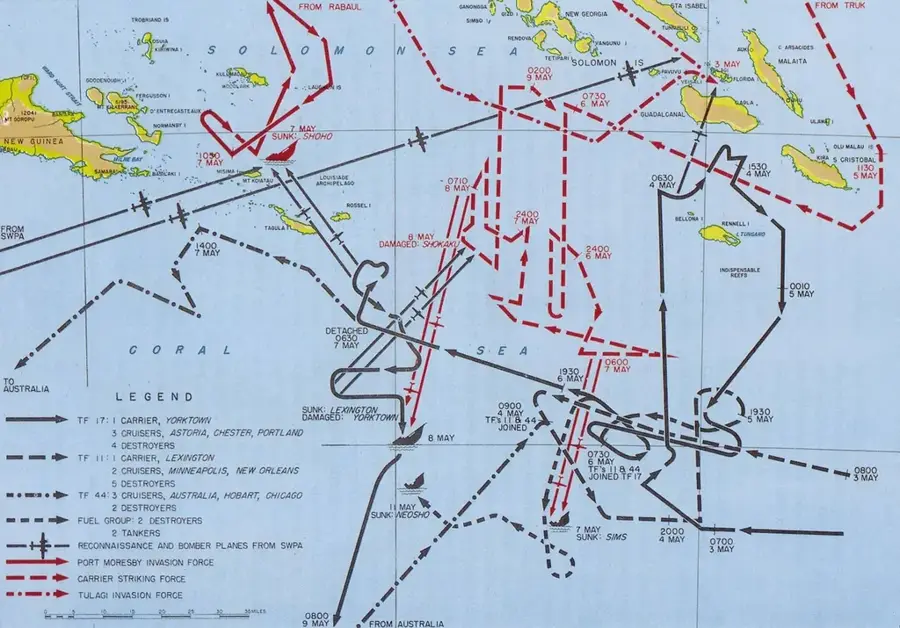
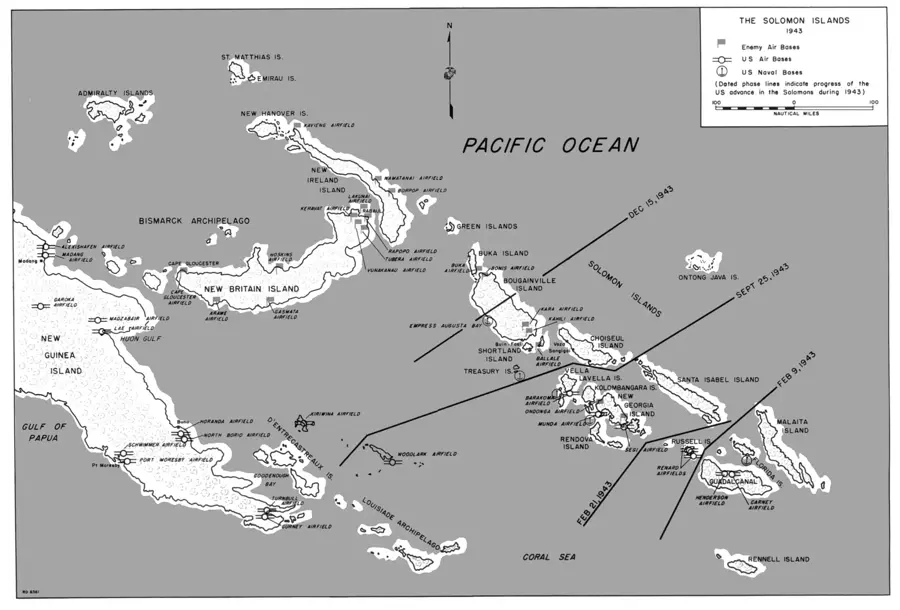
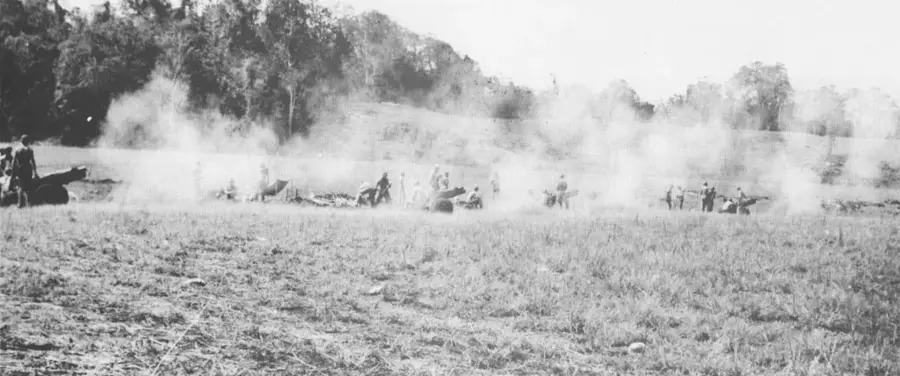
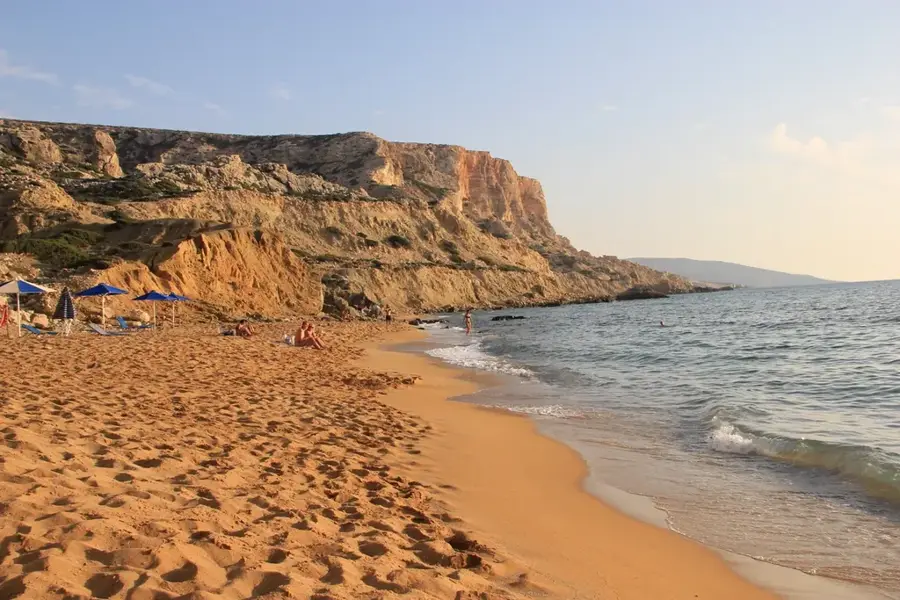
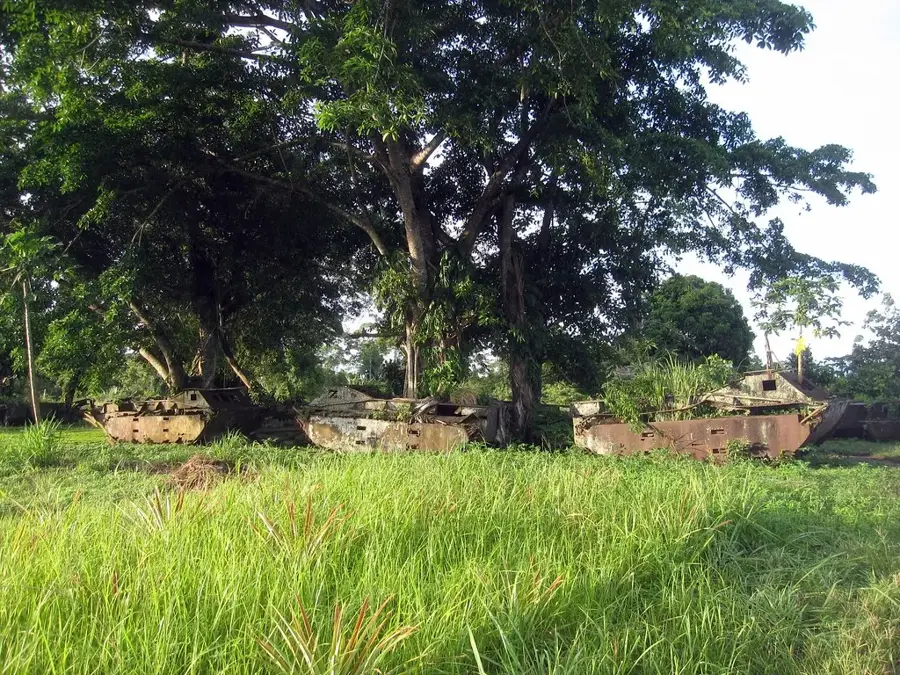
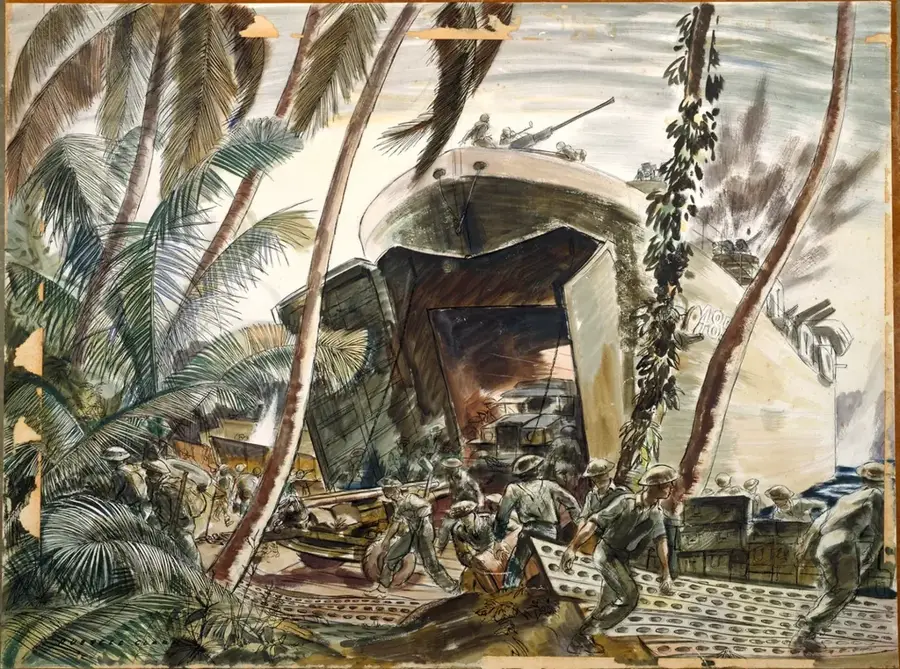
Blue Beach was one of the primary landing sectors on Tulagi Island during the Allied invasion on August 7, 1942. Located on the southwestern side of the island, the beach features a narrow shoreline bordered by steep limestone cliffs and dense rainforest. For the men of the 1st Marine Raider Battalion, landing at Blue Beach was a hazardous operation, as Japanese defenders held elevated positions and caves overlooking the water. Despite receiving heavy machine-gun fire, the Marines successfully established a beachhead, which allowed them to advance and capture Tulagi's government buildings. Historically, Blue Beach represents a pivotal point in the first major Allied counter-offensive in the Pacific. Today, the beach is a peaceful area used by the local community for fishing and recreation, but memorials and remnants of Japanese bunkers in the cliffs serve as lasting reminders of its strategic importance during the war.

Best time to visit & climate

The most pleasant time to visit is Jun, Aug, Sep.

JanFebMarAprMayJunJulAugSepOctNovDec
Avg °C292828282928282828282829
Rain mm284282271215201187195167169193194218

📋 Practical info

🚪
Visiting
The historic landing beach is fully accessible for visitors wanting to walk along the very coastline where strategic military operations occurred. The area is entirely open to the elements, presenting a raw and unmediated historical landscape.
🕒
Typical hours
This coastal site is naturally open continuously, making it available for exploration from sunrise to sunset on any day of the year. Early morning visits often provide the most tranquil and reflective atmosphere before the heat of the day sets in.
📷
Photography
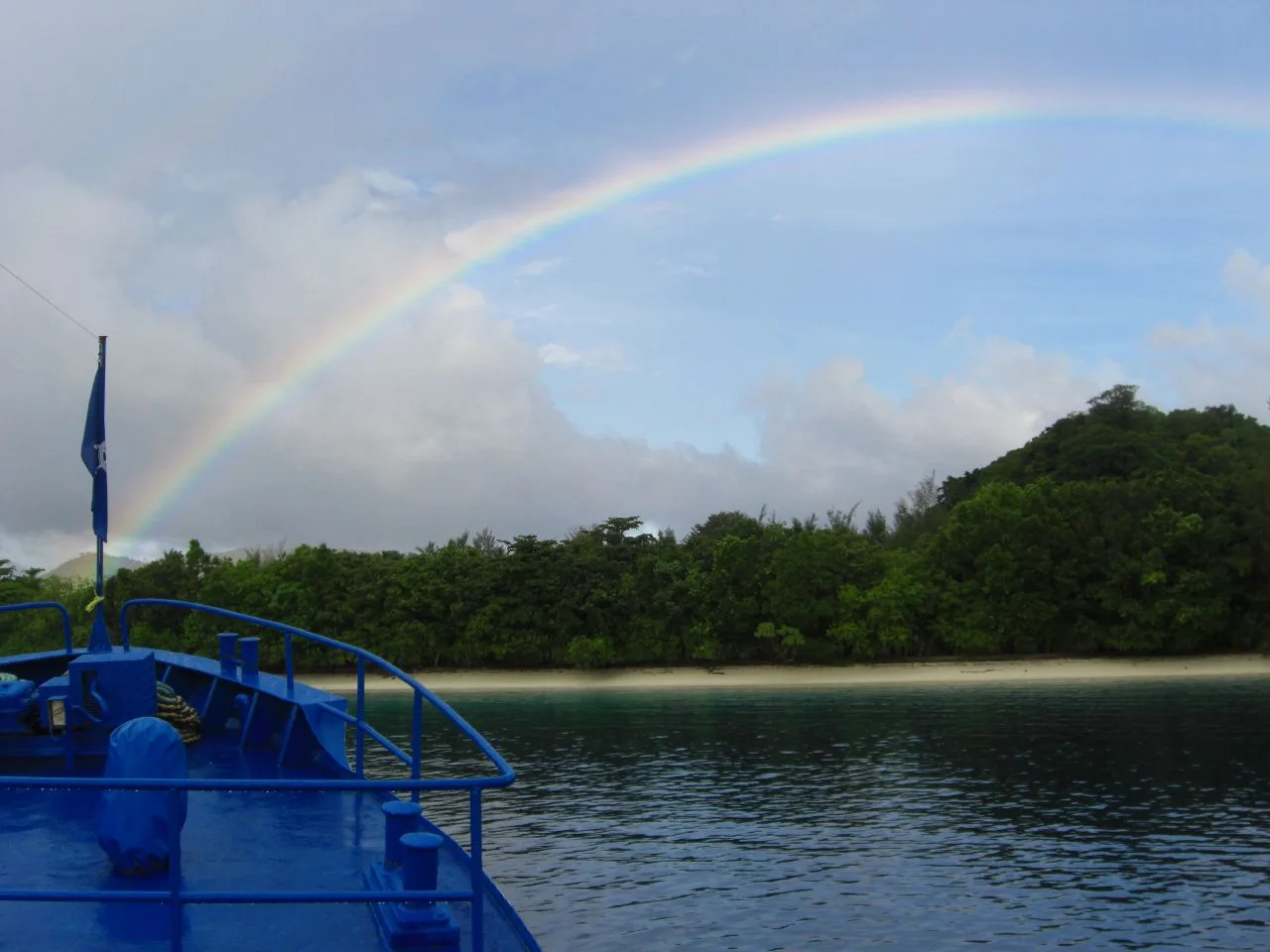
The scenic coastline juxtaposed with its heavy historical significance creates compelling opportunities for landscape photography. Capturing the views out to sea can help contextualize the historical amphibious approaches and strategic landing zones.
⏱️
Time needed
Most visitors spend roughly an hour wandering along the beach and absorbing the historical context of the site. This brief duration is usually sufficient to appreciate the coastal setting and contemplate the events of the famous landings.
Combine with
Exploring this landing site pairs excellently with visiting other significant historical markers and battlefields around the island of Tulagi. Consider integrating a historical walking tour of the nearby settlements for a deeper understanding of the local impact.
🧭
Getting there
Reaching the island itself requires arranging a boat transfer from the larger neighboring islands, which can usually be organized through local accommodations. Once on the island, the beach is typically accessible via local pathways and coastal walks.
💡
Insider tip
Since tourist infrastructure on the island might be somewhat limited, ensure you bring essential supplies for your day trip, including snacks and plenty of water. Checking the local tide schedules beforehand can also ensure you see the beach at its most expansive.

Geography

Coordinates
-9.09500, 160.14500

Facts

  • The assault on Blue Beach began at 08:00 on August 7, 1942.
  • It was the primary landing site for the 1st Marine Raider Battalion.
  • The beach's name was part of a color-coded system for the invasion beaches.
  • Japanese defenses in the cliffs above required several hours to neutralize.
  • The narrow strip of sand allowed for only a limited number of landing craft at once.
  • Memorial markers at the site commemorate the Allied forces who landed here.

Explore nearby

Notable places around

Route planner — Car & Motorhome

Where do you start? We build the route here, with stops and country notes along the way.

Vehicle
Only stops with (optional):

© OpenStreetMap contributors · OpenRouteService

Sights in the town Blue Beach (3)

HMNZS Moa (T233)📍 landmark

A New Zealand Navy corvette that served in the Pacific War off Blue Beach.

Tulagi📍 landmark

The former capital of the Solomon Islands, located near Blue Beach.

Diocese of Central Solomons📍 landmark

A diocese of the Anglican Church covering the Blue Beach area.

Sights nearby

Frequently asked questions

Where did Blue Beach get its name?
The name comes from the Allies during landing operations.
Is the beach easy to find?
Without a local guide, it is hard to identify.
Can you camp there?
Wild camping is not recommended; better to use guesthouses.
What is the infrastructure like at the beach?
There is no infrastructure, nature is completely untouched.
Are photos allowed there?
Yes, photos are absolutely allowed and very impressive.
Blue Beach: where is it located?
Blue Beach is located in Solomon Islands.
Blue Beach: what is there to see?
Highlights include HMNZS Moa (T233), Tulagi, Diocese of Central Solomons.
Blue Beach: when is the best time to visit?
The most pleasant time to visit is Jun, Aug, Sep.
Blue Beach: why is it worth visiting?
Blue Beach was one of the primary landing sectors on Tulagi Island during the Allied invasion on August 7, 1942.
View on map → The Top 50 Attractions → OpenStreetMap →
Oceania
Explore with Plizio Discover more places in Oceania
More places in Solomon Islands →

Nearby cities

History & landmarks

Nature

More places