Plizio Visual Lab
Japanese Seaplane Base

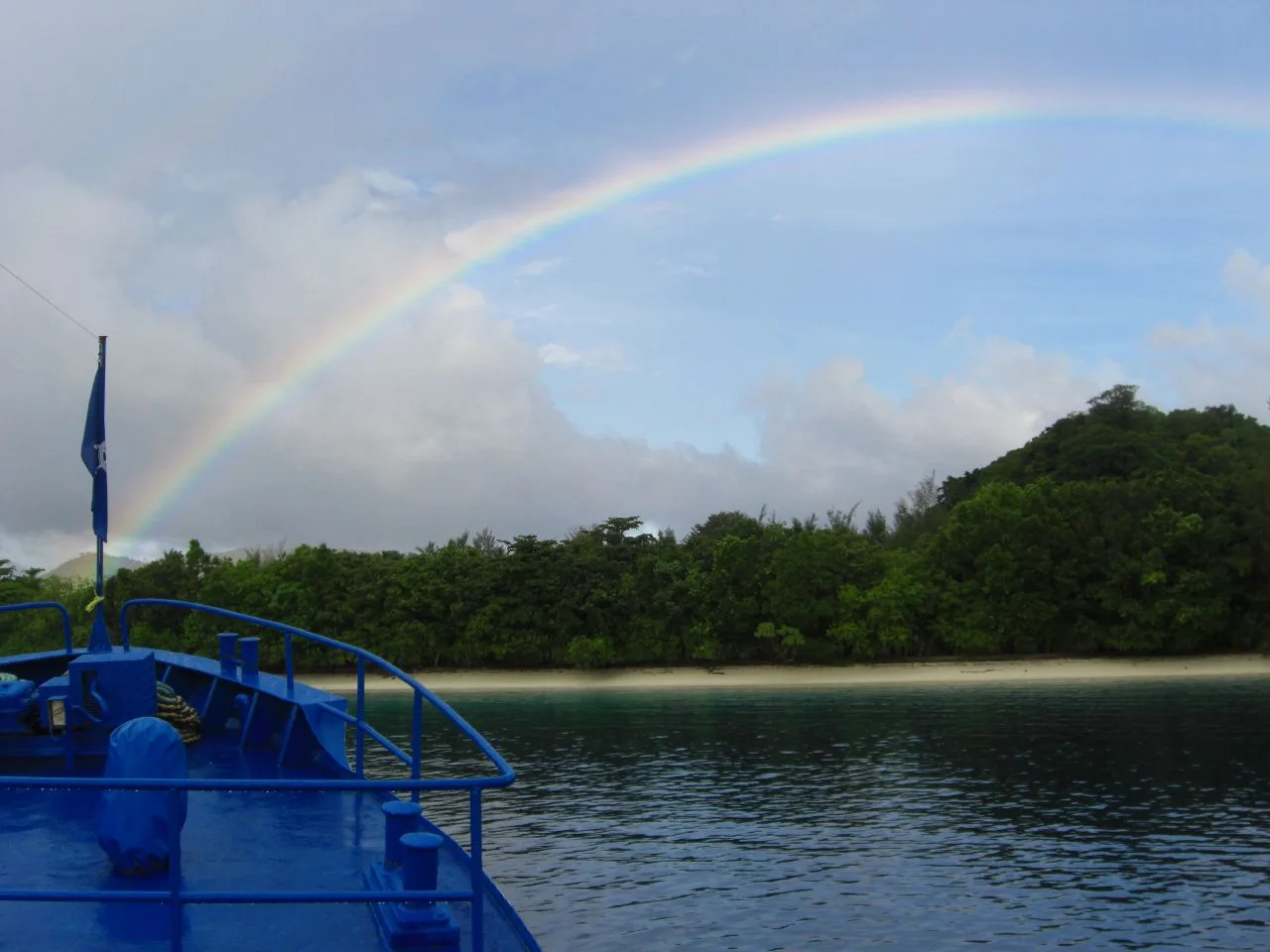
Weather…
Water temperature…
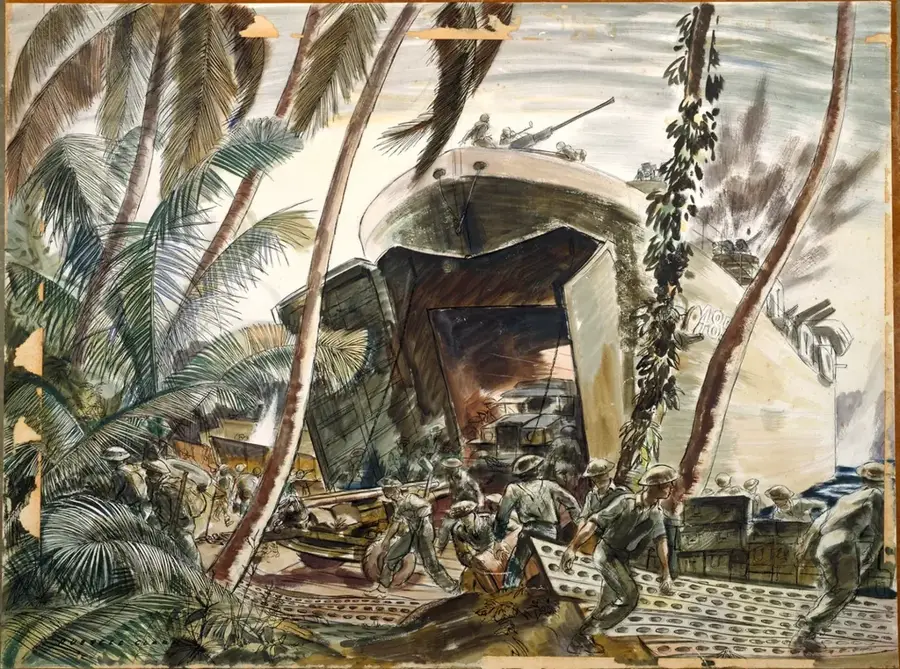
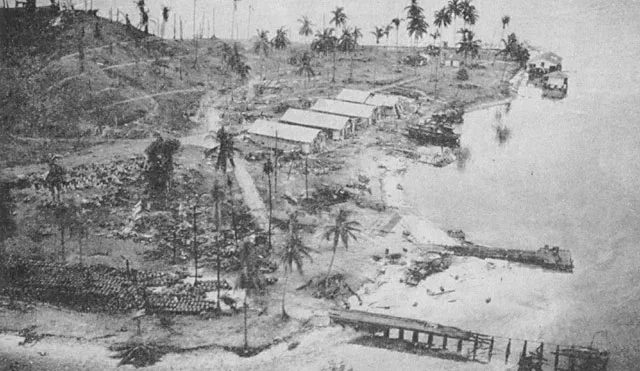
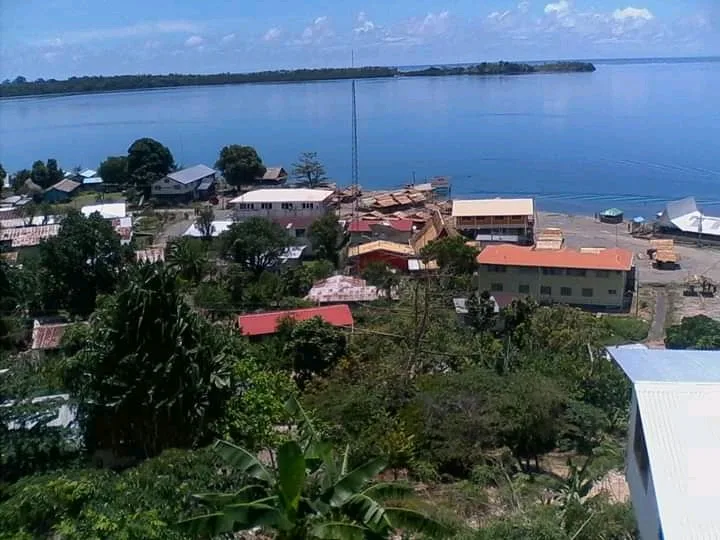
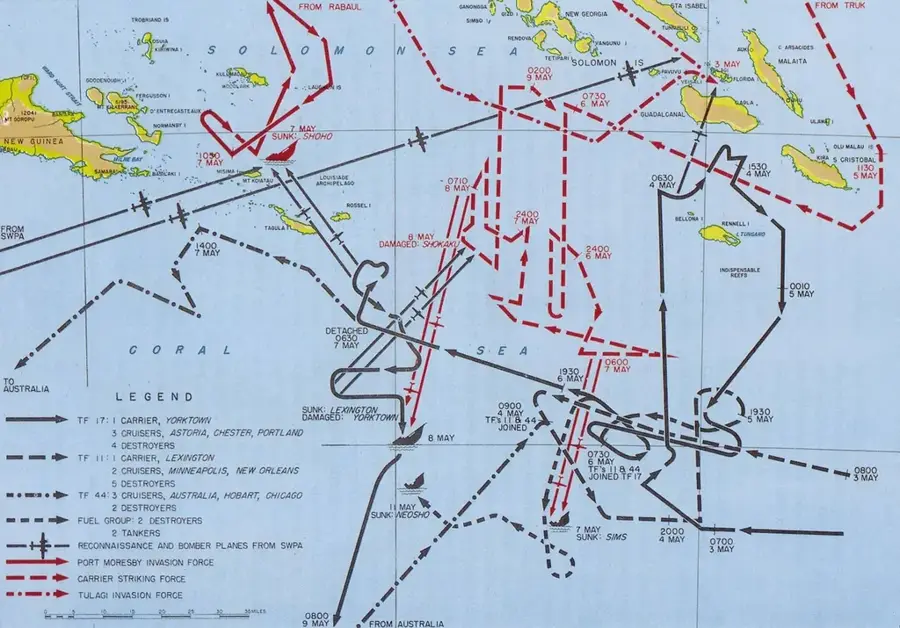
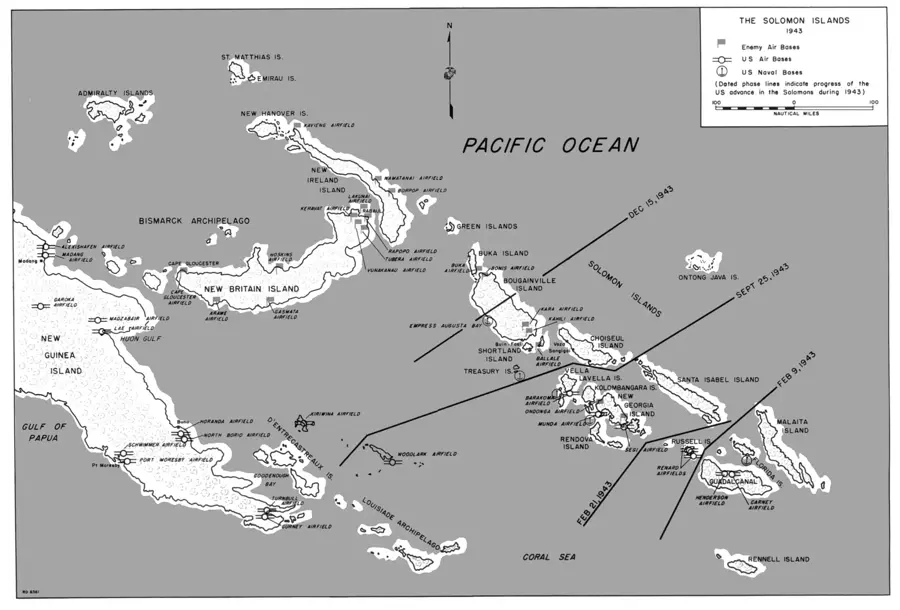
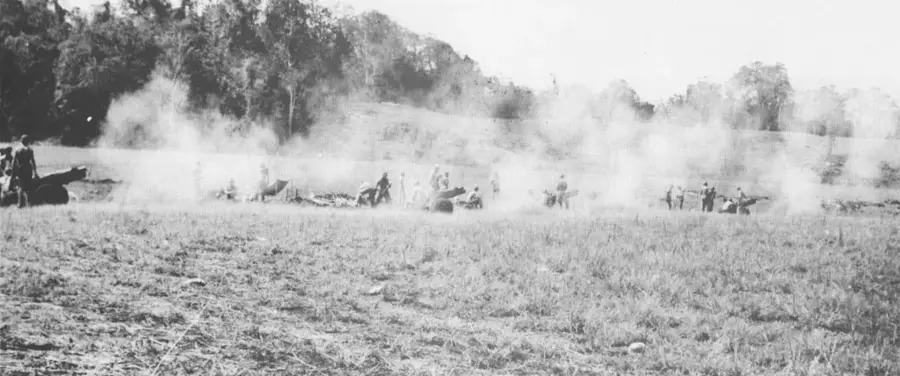
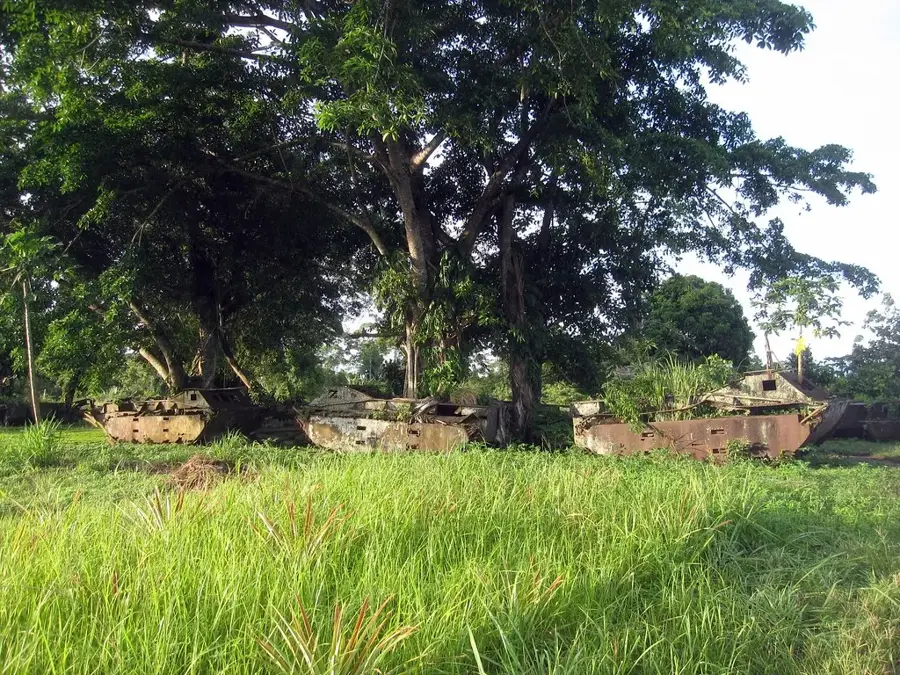
The Japanese Seaplane Base at Tulagi served as a critical strategic outpost during the expansion of the Japanese Empire into the South Pacific in early 1942. Established following the occupation of the Florida Islands in May, the base utilized the sheltered waters of Gavutu and Tanambogo to operate long-range reconnaissance aircraft, including the Kawanishi H6K 'Mavis.' These planes were instrumental in monitoring Allied movements in the Coral Sea and along the supply lines to Australia. The facility featured extensive concrete ramps, underground bunkers, and maintenance hangars, many of which were heavily fortified. During the Allied invasion of Guadalcanal and Tulagi in August 1942, the base was the target of intense naval bombardment and fierce hand-to-hand combat as U.S. Marines secured the islands. Today, the remains of the seaplane ramps and various structural foundations are still visible along the shoreline and in the shallow turquoise waters. The site is a significant historical landmark, providing a tangible link to the intense naval and aerial warfare that defined the region's history during World War II.
- Location: Solomon Islands
- Top sights: Tulagi · HMNZS Moa (T233) · Diocese of Central Solomons
- Nearby: Koli Point (32 km)
Best time to visit & climate
The most pleasant time to visit is Jun, Aug, Sep.
| Jan | Feb | Mar | Apr | May | Jun | Jul | Aug | Sep | Oct | Nov | Dec | |
|---|---|---|---|---|---|---|---|---|---|---|---|---|
| Avg °C | 29 | 28 | 28 | 28 | 29 | 28 | 28 | 28 | 28 | 28 | 28 | 29 |
| Rain mm | 284 | 282 | 271 | 215 | 201 | 187 | 195 | 167 | 169 | 193 | 194 | 218 |
📋 Practical info
Geography
Facts
- The base became operational in May 1942 following the Japanese occupation.
- It primarily housed Kawanishi H6K 'Mavis' long-range flying boats.
- Gavutu and Tanambogo islands were connected by a causeway to support the base.
- The facility was seized by U.S. Marines during a three-day battle in August 1942.
- At least three 'Mavis' seaplane wrecks remain in the nearby shallow waters.
- The site provided the Japanese with a vital surveillance window into the Coral Sea.
Explore nearby
Notable places around



Route planner — Car & Motorhome
Where do you start? We build the route here, with stops and country notes along the way.
© OpenStreetMap contributors · OpenRouteService
Sights in the town Japanese Seaplane Base (3)
Sights nearby
Frequently asked questions
What else can one see at the seaplane base?
Is the place a must for history buffs?
What is the ground like?
Are there information signs there?
Can you also snorkel there?
Japanese Seaplane Base: where is it located?
Japanese Seaplane Base: what is there to see?
Japanese Seaplane Base: when is the best time to visit?
Japanese Seaplane Base: why is it worth visiting?
Nearby cities
History & landmarks
Nature
More places