Plizio Visual Lab

Krka River
Plizio editorial teamData Sources
River
—°5
Krka River (Slovenia)

Weather…

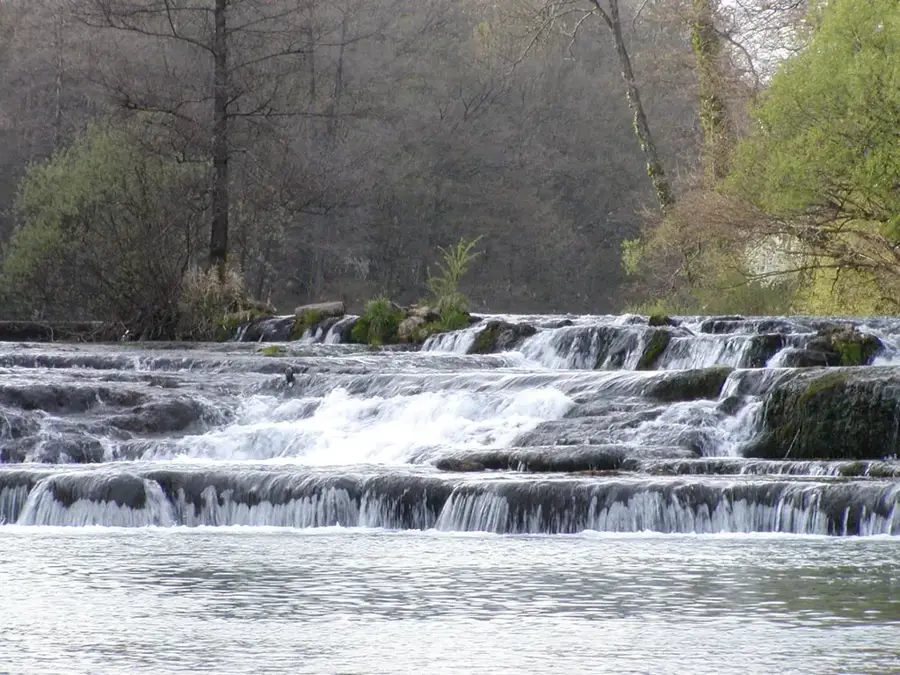
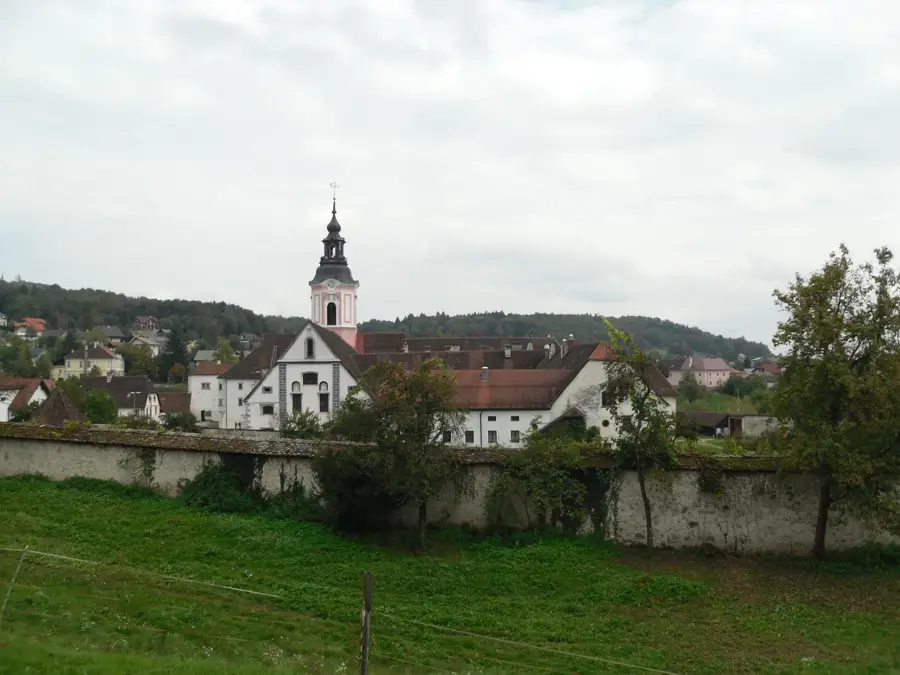
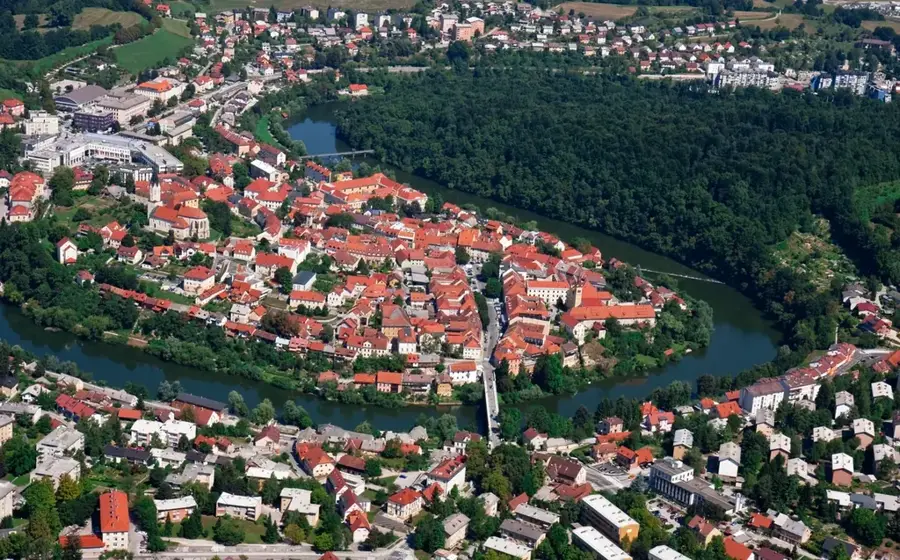
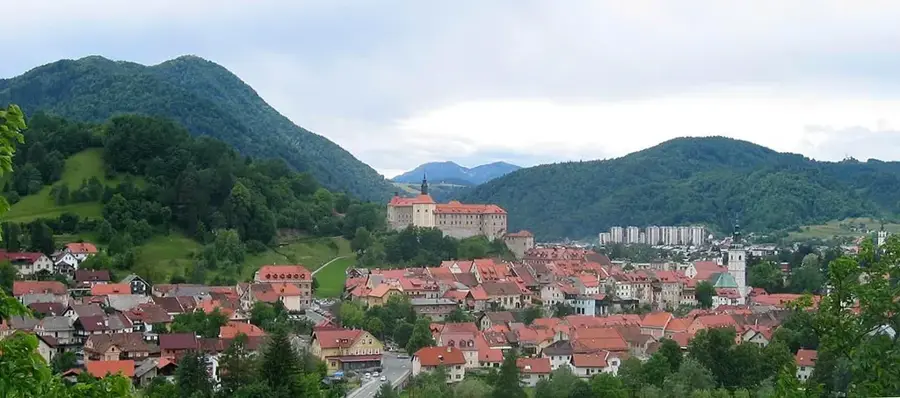
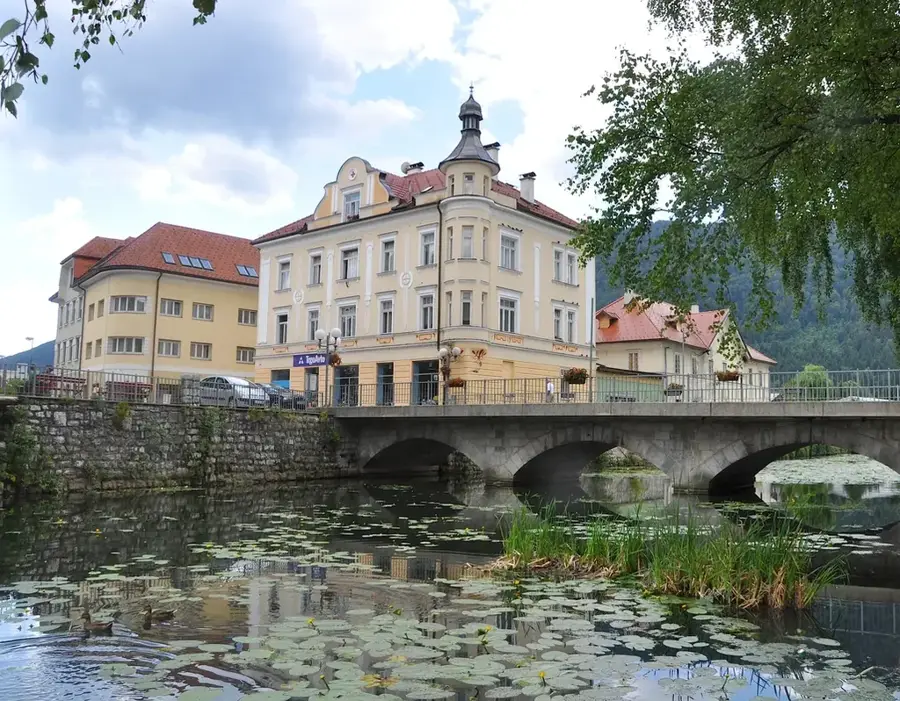
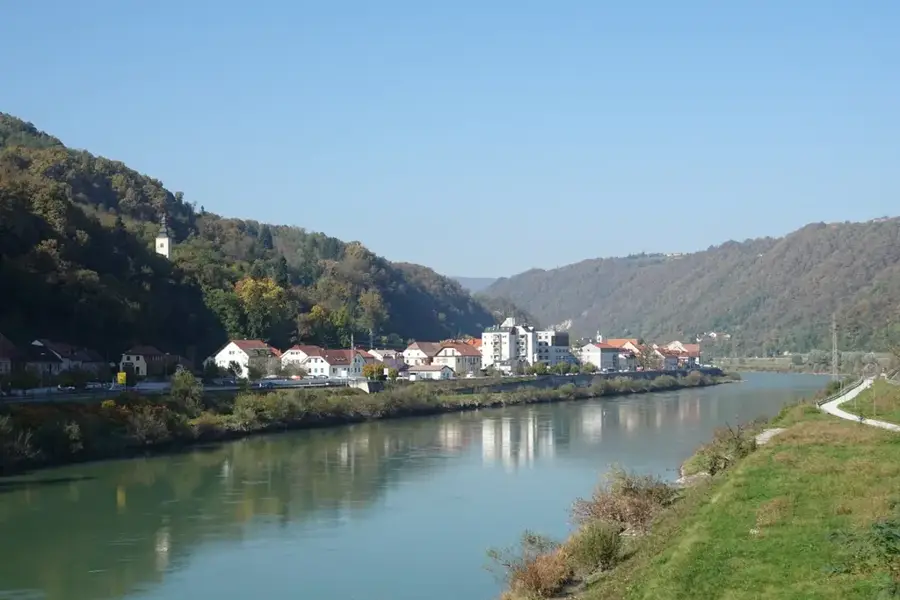
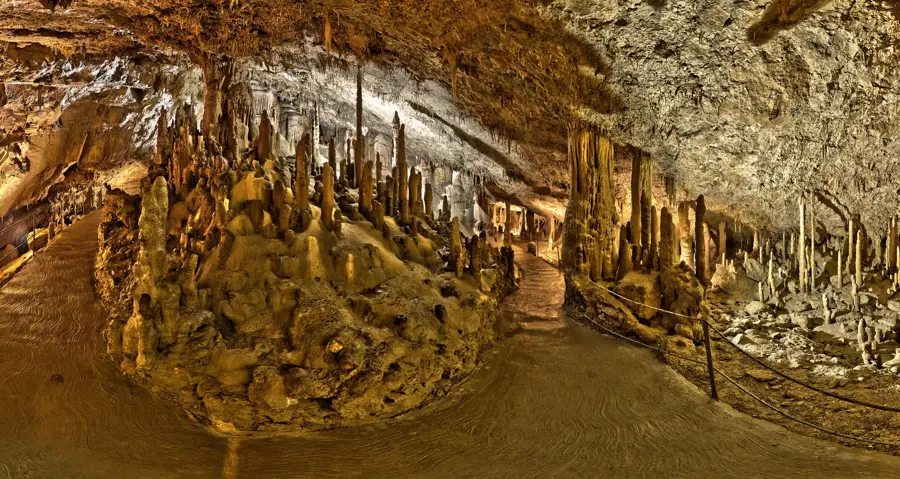
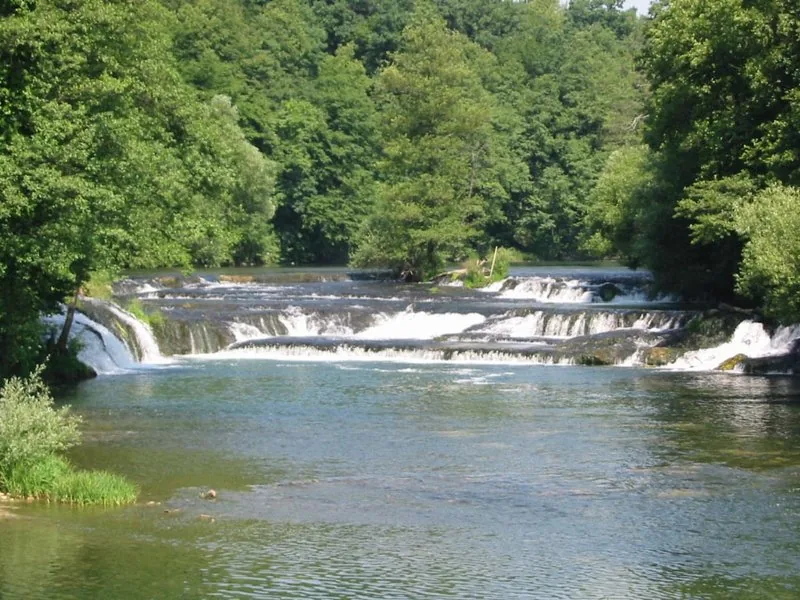
The Krka is the longest river entirely within Slovenian territory, flowing for 94 kilometers before joining the Sava River near Brežice. It originates near the village of Krka in a karst cave located beneath a massive rock face. A distinct geological feature of the river is its numerous travertine (tufa) barriers, which create small waterfalls and terraced cascades throughout its course. These barriers are particularly prominent in the upper reaches and support a specialized ecosystem of aquatic plants and animals. Along its banks lie significant historical landmarks, including the island town of Kostanjevica na Krki and the scenic Otočec Castle. Since the Middle Ages, the river has been vital to the Dolenjska region's economy, powering dozens of watermills and sawmills. Today, the Krka is a protected natural habitat and a popular destination for fishing, kayaking, and canoeing enthusiasts.

Best time to visit & climate

The most pleasant time to visit is Jun–Aug.

JanFebMarAprMayJunJulAugSepOctNovDec
Avg °C-104914182120151050
Rain mm58726877102949010012410110177

📋 Practical info

🧭
Getting there
Reaching this beautiful waterway usually involves traversing the rolling landscapes of southeastern Slovenia, with Novo Mesto acting as a first-rate, centralized gateway. Historic towns and ancient riverside castles provide abundant, scenic entry points right along its entire serpentine length.
📅
Best season
Late spring and summer represent the undeniably ultimate seasons for peacefully boating or casually swimming around the iconic natural tufa cascades. Autumn elegantly transforms the bordering woodland into a brilliantly fiery spectacle, convenient for leisurely, atmospheric walking.
⛰️
Terrain & paths
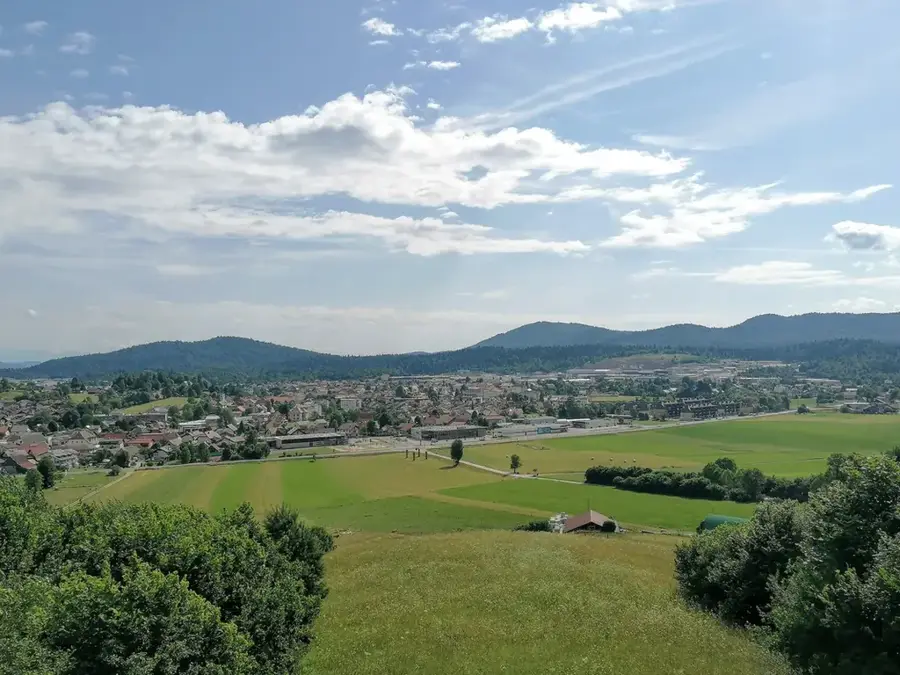
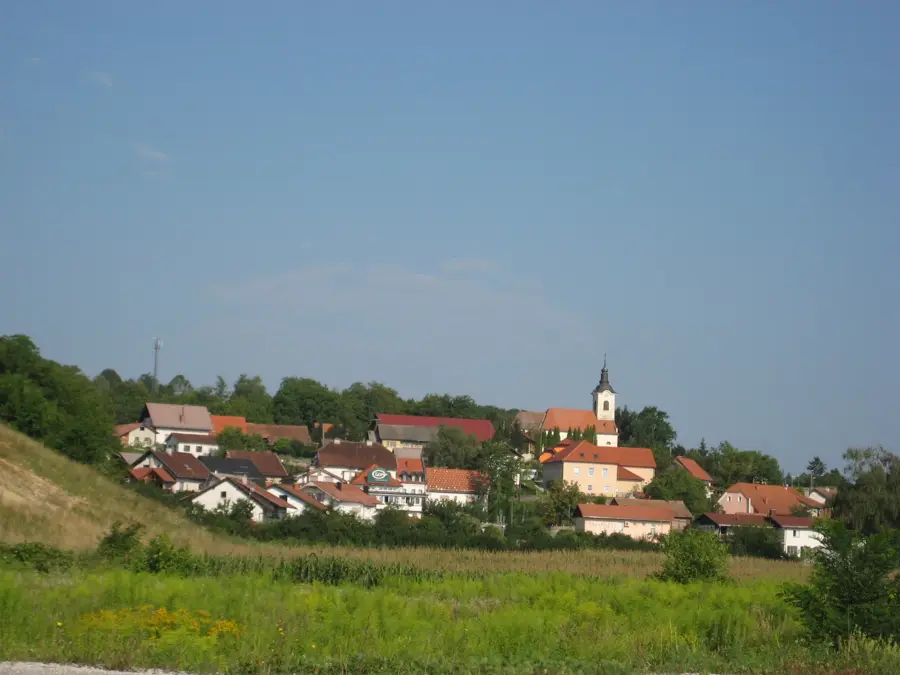
The gently meandering river gracefully cuts through a relatively flat, lush green valley bordered by easy on the eye, undulating hillsides. The most visually striking feature involves uniquely shaped, moss-covered tufa barriers that deliberately slow the sparkling water into tranquil emerald pools.
🎒
What to bring
Visitors eagerly planning to paddle the gentle currents strongly need proper water gear, reliable sun protection, and completely waterproof bags to securely protect electronics. Casual walkers exploring the historic riverside towns merely require comfortable, everyday footwear.
🅿️
Parking
Extremely generous and routinely accessible parking areas exist in practically every major town directly bordering the expansive riverway. Key tourist attractions like the famed Otočec Castle offer highly organized, dedicated lots positioned mere steps from the rushing water's edge.
⚠️
Safety
While primarily slow and delightfully tranquil, the water directly surrounding the slippery tufa steps can surprisingly conceal very potent swirling currents. All boating enthusiasts should strictly wear professionally fitted life jackets and never attempt to physically cross dangerous weirs.
⏱️
Time needed
A brief, scenic photographic stop gracefully taking in the cascading natural steps typically requires precisely about an hour of genuine enjoyment. Those choosing to properly kayak down a longer river segment usually commit a minimum of three perfectly relaxed hours to the calming experience.

Geography

Coordinates
45.88330, 15.01670

Facts

  • The river has a total length of 94 kilometers.
  • The source is located in a karst cave near the village of Krka.
  • The river features unique tufa (travertine) cascades.
  • Kostanjevica na Krki is Slovenia's only island-based town.
  • Otočec Castle is situated on a small island in the river.
  • The Krka joins the Sava River near the town of Brežice.

Explore nearby

Notable places around
Route planner — Car & Motorhome

Where do you start? We build the route here, with stops and country notes along the way.

Vehicle
Only stops with (optional):

© OpenStreetMap contributors · OpenRouteService

Sights in the town Krka River (5)

Grad Trebnje🏰 castle

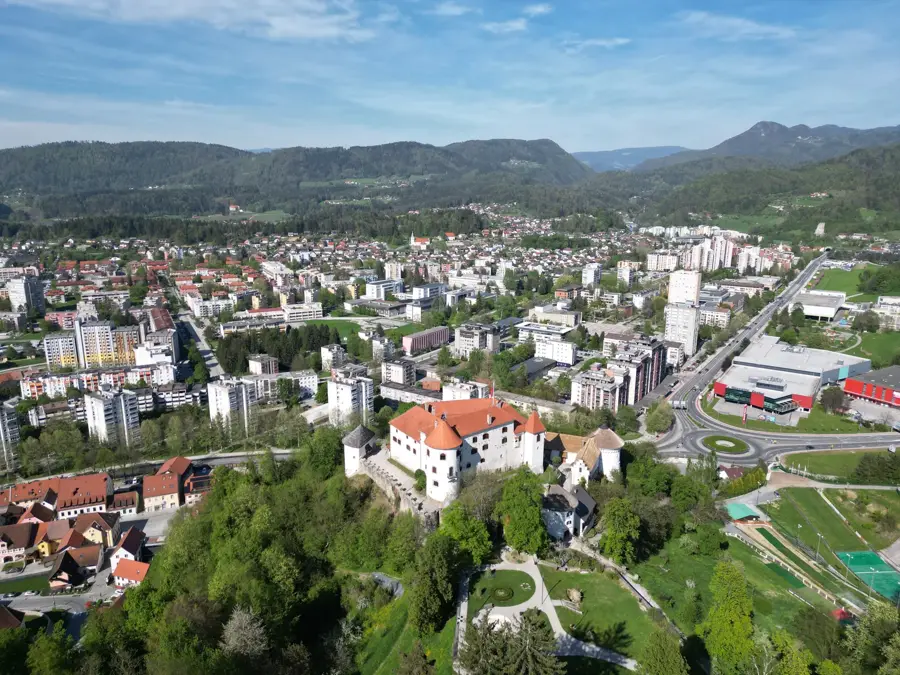
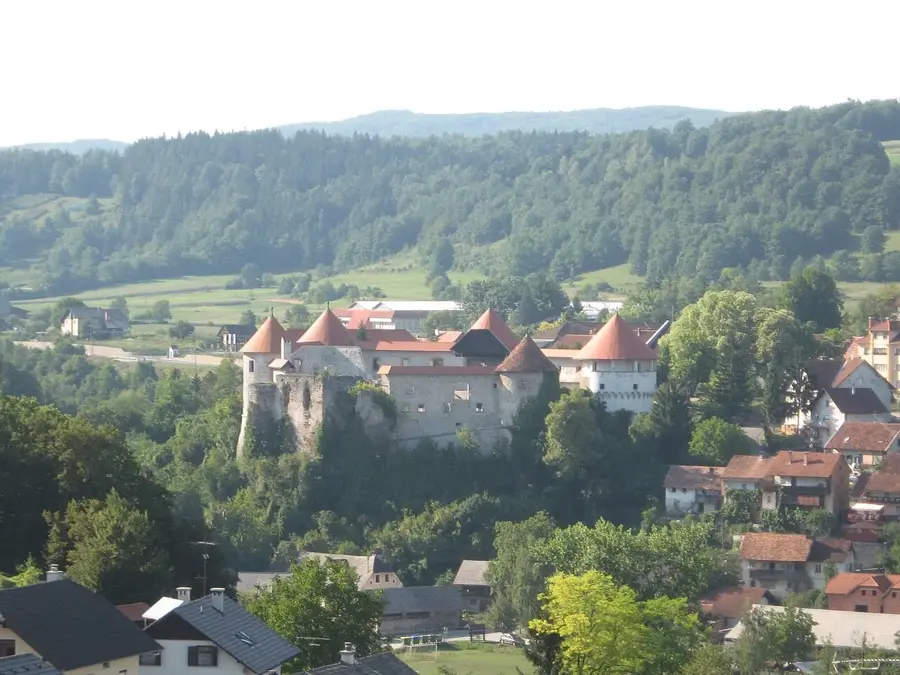
Medieval castle ruin on a cliff above the Krka River.

Kulturni dom Trebnje🎭 culture

Kulturni dom Trebnje is the town's cultural center, serving as a venue for theatre and arts.

Zijalo📍 landmark

Zijalo is a pretty karst spring area on the Temenica River near Trebnje.

Galerija likovnih samorastnikov Trebnje🏛 museum

This gallery in Trebnje is internationally known for its collection of naive art by self-taught artists.

🕒 May-Sep: Tu-Fr 10:00-19:00, Sa 14:00-19:00; Oct-Apr: Tu-Fr 1

Tovorna lokomotiva 20-183📍 landmark

The Tovorna lokomotiva 20-183 is a historic steam locomotive displayed as a monument in Trebnje.

Sights nearby

Frequently asked questions

Where does the Krka rise?
It rises in the Krka Cave in the village of Krka.
Is swimming allowed?
Yes, at designated spots like in Straža or Kostanjevica.
Can you go rafting?
Yes, the river is very popular with kayakers and canoeists.
Which city lies on the river?
The largest city on the riverbank is Novo mesto.
Is the river navigable?
Suitable only for small boats, canoes, and kayaks.
Krka River: where is it located?
Krka River is located in Slovenia.
Krka River: what is there to see?
Highlights include Grad Trebnje, Kulturni dom Trebnje, Zijalo.
Krka River: when is the best time to visit?
The most pleasant time to visit is Jun, Aug.
Krka River: why is it worth visiting?
The Krka is the longest river entirely within Slovenian territory, flowing for 94 kilometers before joining the Sava River near Brežice.
View on map → The Top 50 Attractions → OpenStreetMap →
Europe
Explore with Plizio Discover more places in Europe
More places in Slovenia →

Nearby cities

History & landmarks