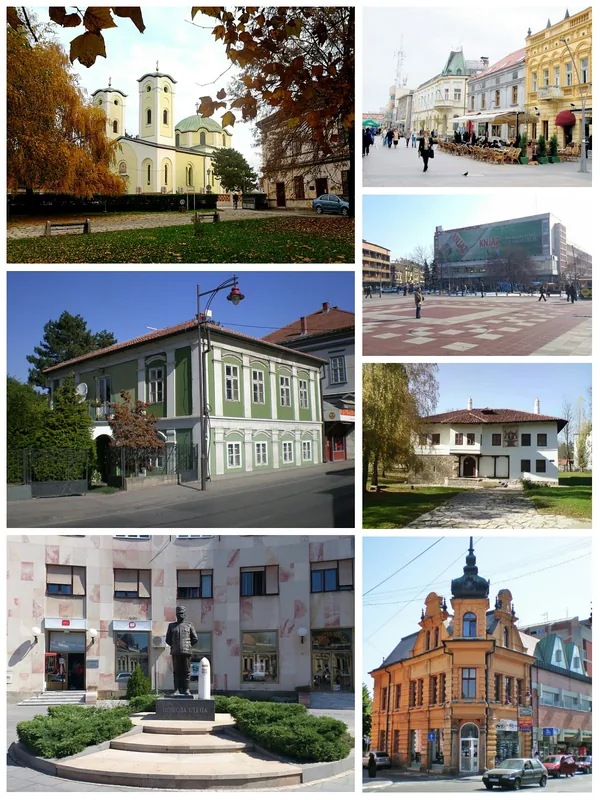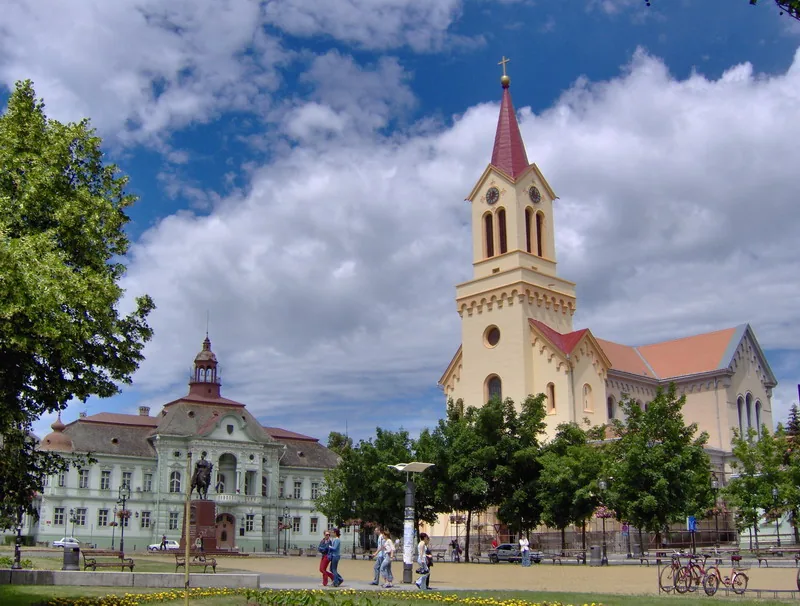
Church of Saint Gerhard the Bishop and Martyr
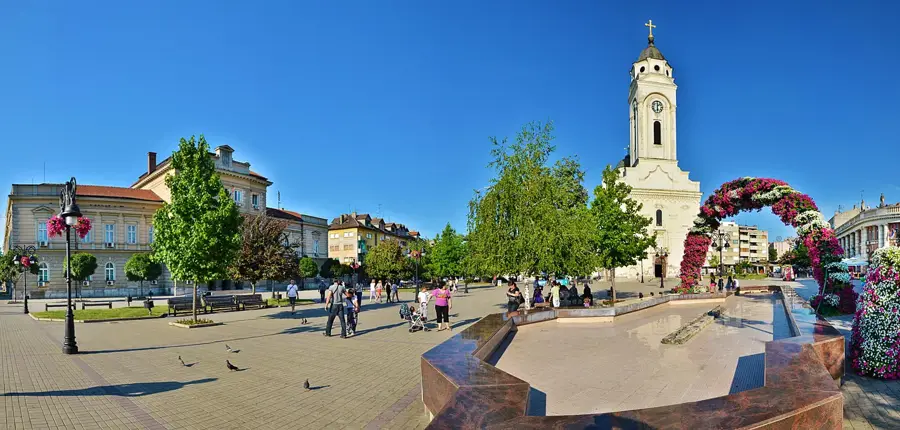
Church of Saint Gerhard the Bishop and Martyr in Vršac, a Catholic church building.
Plizio Visual Lab
Vršac, located at the edge of the Carpathian Mountains, is one of Serbia's most advanced industrial locations, with a focus on pharmaceuticals and technology. The heart of its economy is Hemofarm, a pharmaceutical company founded in 1960 that is now part of the German STADA Group, exporting medicines worldwide. The city hosts the 'Technology Park Vršac,' a modern industrial zone providing optimal conditions for high-tech firms and research institutions. Beyond pharmaceuticals, viticulture plays a vital historical and economic role, with the region managing over 2,000 hectares of vineyards. The city has also positioned itself as a pioneer in renewable energy, notably through wind farms like Kula and Košava in the surrounding plains. The blend of high-specialty industry, agritourism, and green energy makes Vršac a model for sustainable regional development in Vojvodina.
The most pleasant time to visit is Jun, Aug, Sep.
| Jan | Feb | Mar | Apr | May | Jun | Jul | Aug | Sep | Oct | Nov | Dec | |
|---|---|---|---|---|---|---|---|---|---|---|---|---|
| Avg °C | -1 | 1 | 7 | 12 | 18 | 22 | 24 | 24 | 19 | 13 | 7 | 1 |
| Rain mm | 50 | 46 | 50 | 52 | 82 | 88 | 70 | 56 | 59 | 56 | 48 | 49 |
Notable places around
Where do you start? We build the route here, with stops and country notes along the way.
© OpenStreetMap contributors · OpenRouteService
Church of Saint Gerhard the Bishop and Martyr in Vršac, a Catholic church building.
Monument to Bora Kostić in Vršac, dedicated to the Serbian poet.
St. Theodore's church in Vršac, a memorial site with a sacred character.
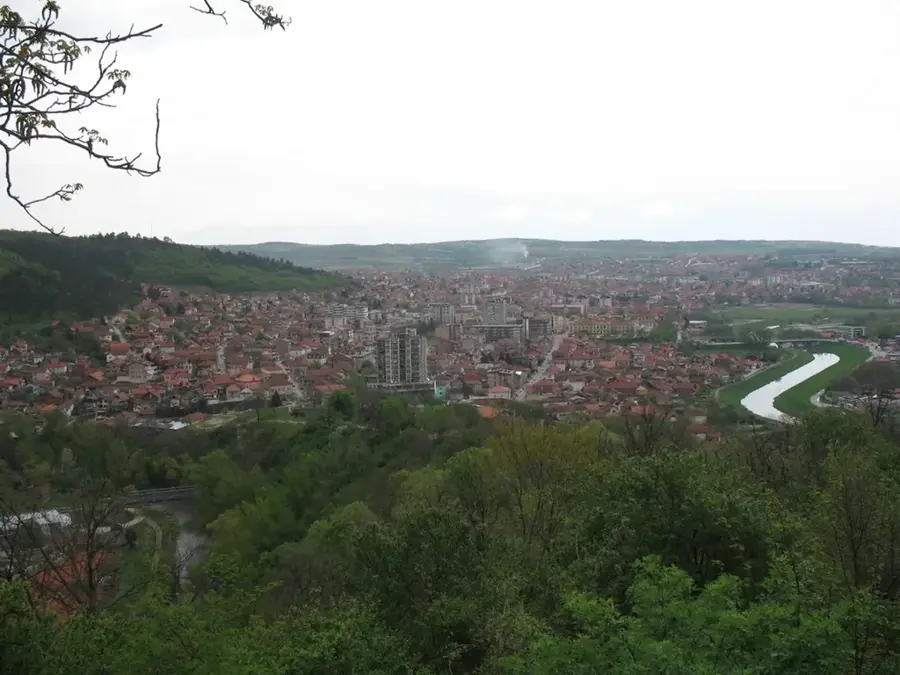
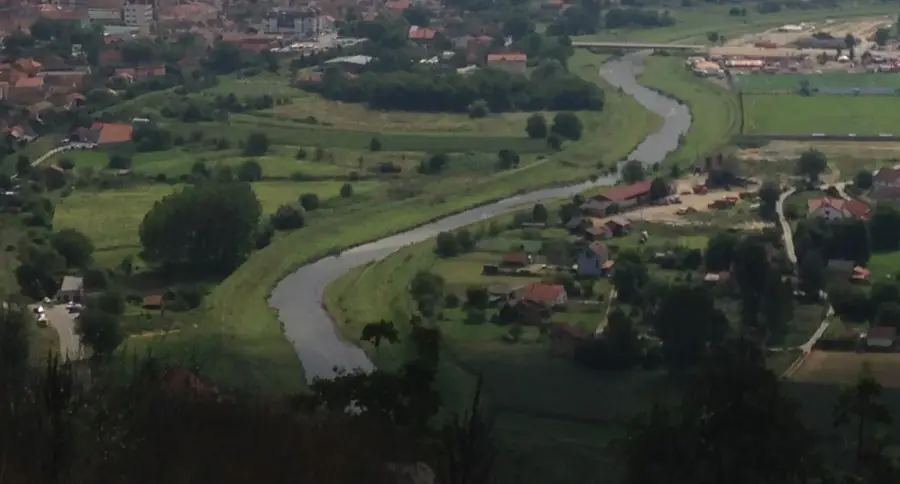
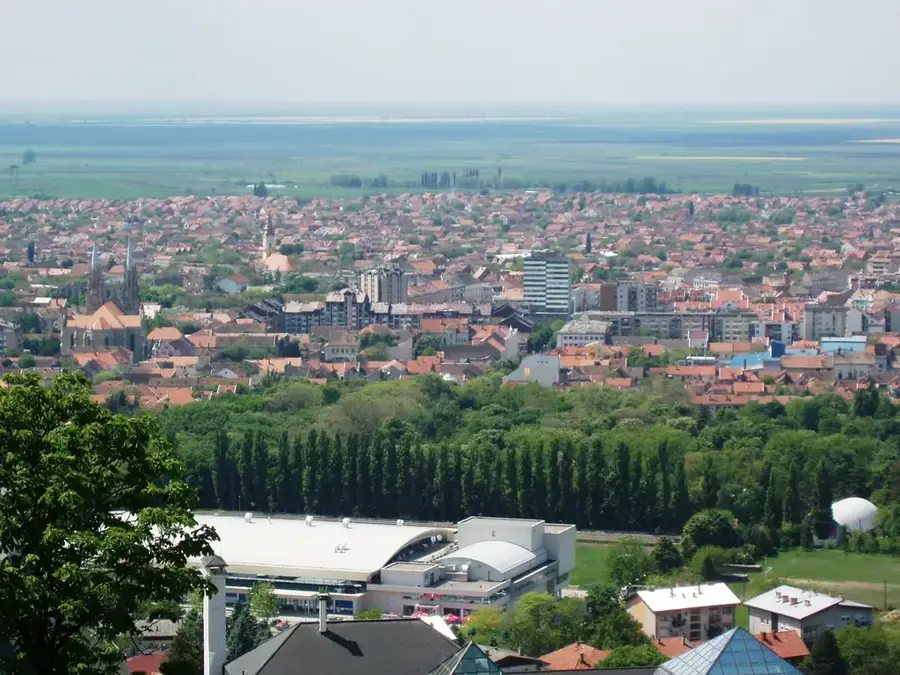
Talpika viewpoint in Vršac, overlooking the city and the surrounding plain.