Vukov sabor (Vuk Karadžić Festival)
Since 1933, Serbia's oldest cultural event, held in September in Vuk's birthplace Tršić near Loznica, with exhibitions, theatre, concerts and literary evenings.
PlizioGo
Grilled minced meat rolls, best enjoyed in the traditional kafanas (taverns) in the city center.
Cabbage rolls filled with meat and rice, a classic local dish especially popular in colder months.
Traditional Serbian coffee, often served with Turkish delight (lokum) in the gardens of Tršić.
Handmade souvenirs and traditional textiles available in the workshops of the Tršić ethno-village.
Fresh produce, vegetables, and local honey from farmers in the surrounding area.
A modern mall for fashion and international brands located in the city.
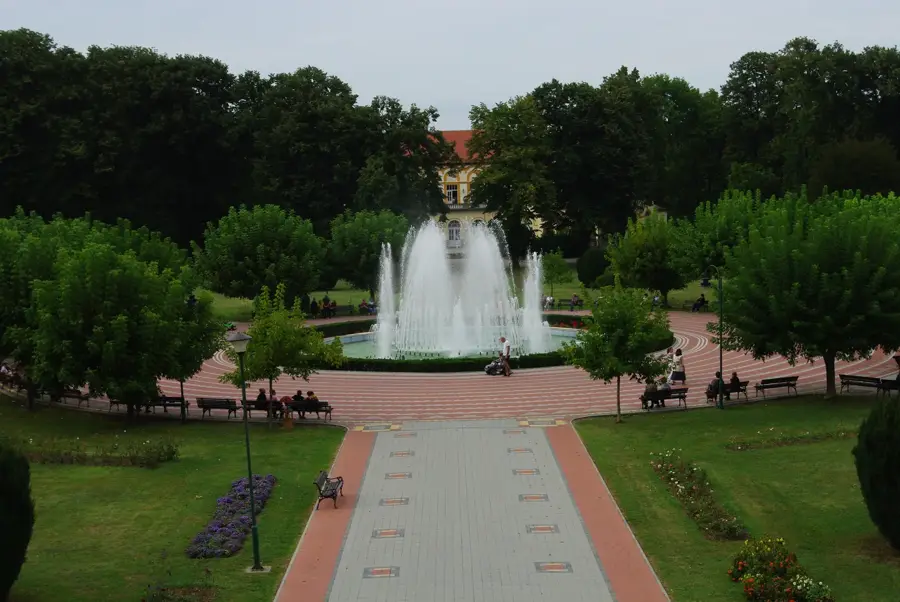
A vast, royal park with historic villas and plenty of quiet corners.
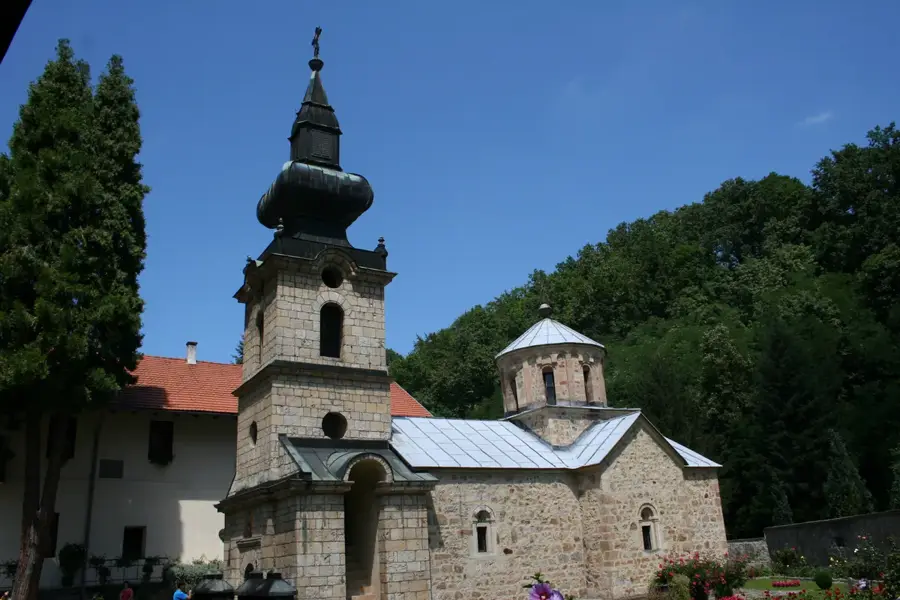
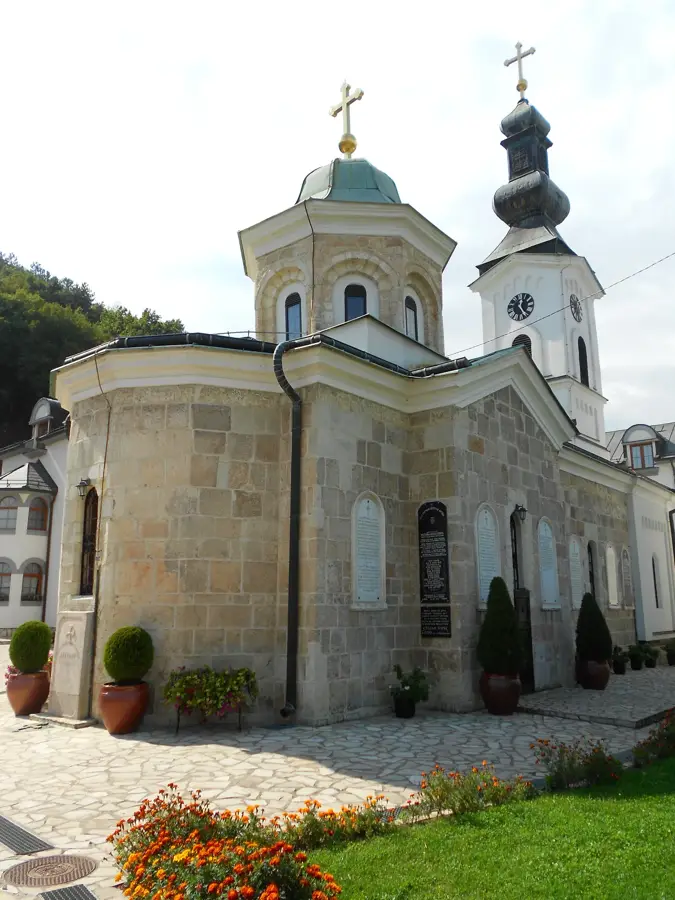
Hiking trails around the monastery offer absolute silence in the middle of dense nature.
Peaceful spots along the Jadar River, convenient for quiet nature walks.
Water temperature…
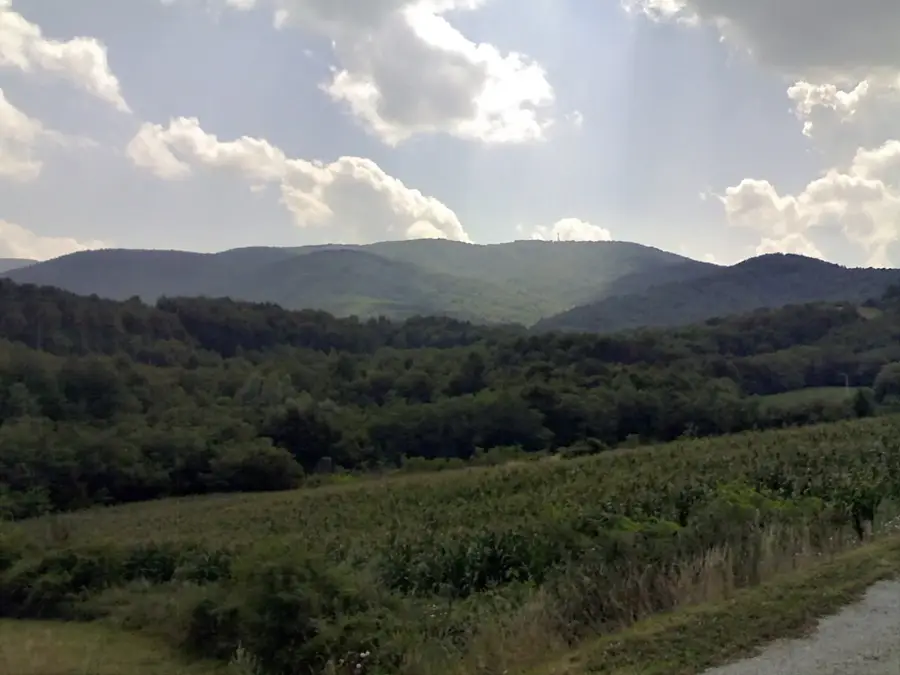
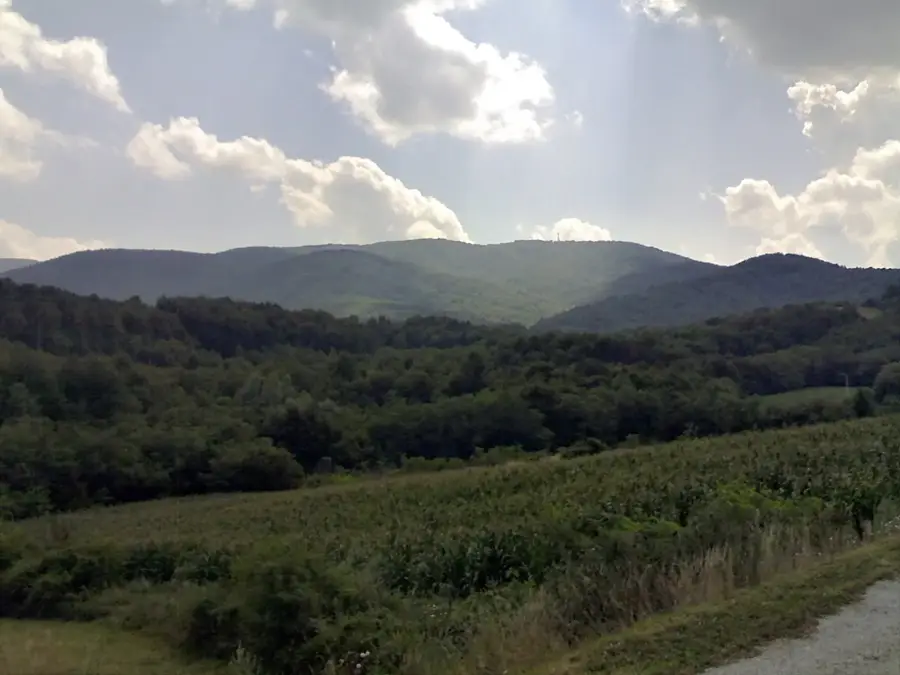
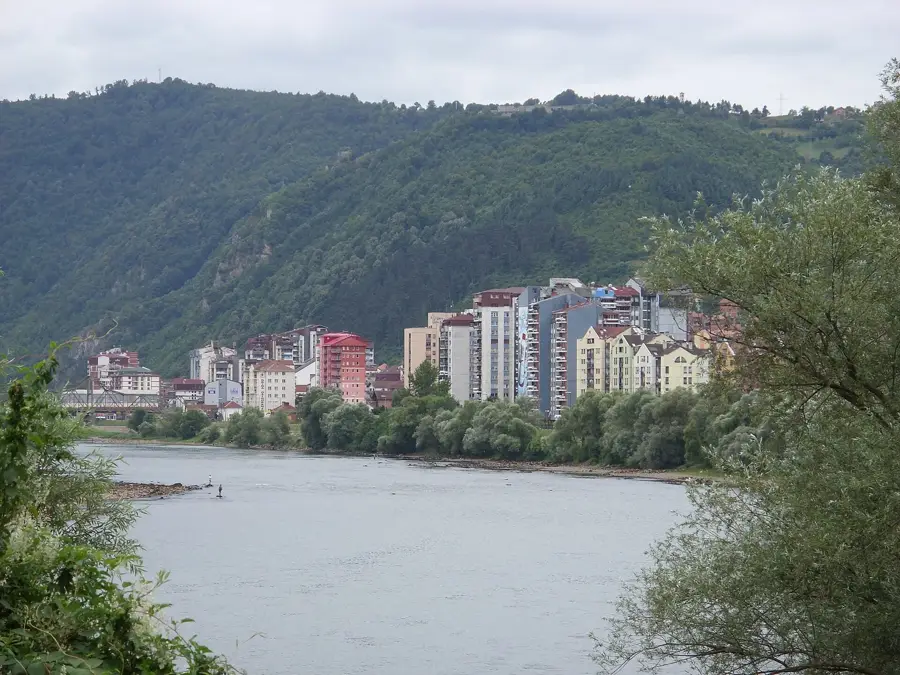
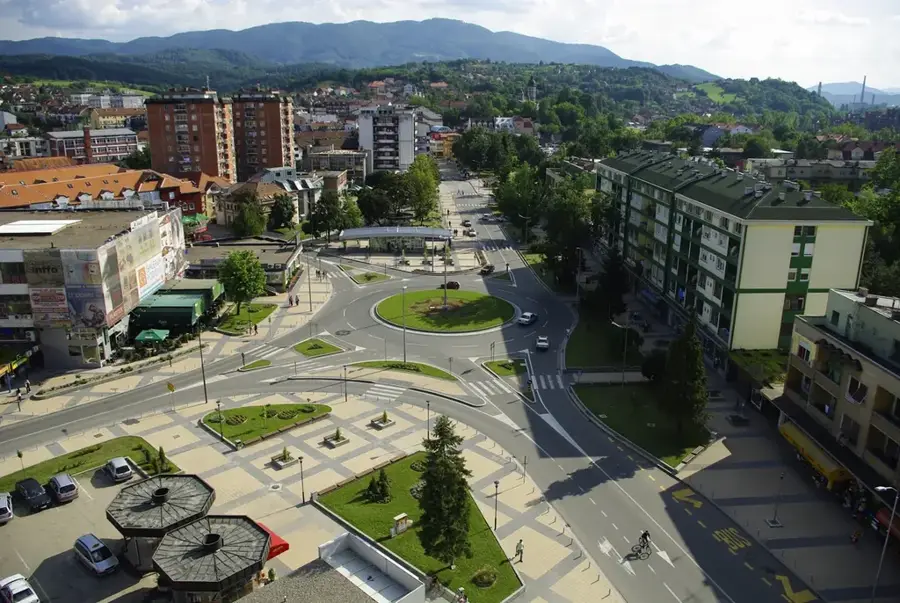
Loznica is situated in western Serbia at the foot of Mount Gučevo and on the right bank of the Drina River, directly on the border with Bosnia and Herzegovina. The city is closely linked to the life of Vuk Karadžić, the reformer of the Serbian language, who was born in the nearby village of Tršić. Historically, the region was the scene of significant battles, most notably the Battle of Mount Gučevo in 1914 during World War I, which is commemorated today by an imposing monument. The city evolved into a commercial hub in the 19th century and experienced an industrial boom in the second half of the 20th century, particularly through the chemical industry. Near Loznica lies the spa town of Banja Koviljača, one of the country's oldest and most famous resorts, featuring characteristic Belle Époque architecture. Geographically, the region is defined by the fertile Mačva plain and the forested slopes of the Podrinje mountains. Loznica today serves as a vital regional center for education, culture, and cross-border trade.
The most pleasant time to visit is Jun–Aug.
| Jan | Feb | Mar | Apr | May | Jun | Jul | Aug | Sep | Oct | Nov | Dec | |
|---|---|---|---|---|---|---|---|---|---|---|---|---|
| Avg °C | 0 | 1 | 6 | 11 | 15 | 20 | 22 | 23 | 17 | 12 | 7 | 1 |
| Rain mm | 60 | 60 | 65 | 65 | 94 | 94 | 67 | 63 | 74 | 66 | 65 | 66 |
See what it looks like near Loznica right now.
Donji Sepak: GP Šepak (Šepak-Loznica) · 3.9 km · Open webcam on Windy · Webcams provided by Windy.com
Notable places around
Where do you start? We build the route here, with stops and country notes along the way.
© OpenStreetMap contributors · OpenRouteService
A walk through Loznica begins at the monument to Vuk Karadžić, the reformer of the Serbian language. The morning takes you to the spiritual tranquility of the Church of the Holy Protection, followed by a deep dive into history at the Jadar Museum. At noon, you'll experience the authentic atmosphere of the local market, where the region's scents and colors come alive. The afternoon is reserved for a leisurely lunch, enjoying Serbian specialties at one of the central restaurants to round off the day. The evening offers time for a quiet stroll along the Štira river.
A rainy morning in Loznica starts at the Vuk Karadžić monument. We quickly seek shelter under the arches of the Church of the Holy Protection of the Theotokos. At noon, the Museum of Jadar is the perfect indoor refuge. Inside the historic old pharmacy building, we explore local history while the rain pours outside. In the afternoon, we wander under the awnings of the local market. The smell of wet asphalt mixes with the aroma of fresh produce and traditional Serbian coffee. The evening ends cozily in a central restaurant. Over a bowl of hot Serbian soup, we watch the city lights shimmering in the puddles of the main square.
A frosty winter morning in Loznica. The statue of Vuk Karadžić looks almost mystical in the hoarfrost as we walk briskly to keep warm. At noon, the heated Church of the Holy Protection provides a moment of silence and warmth. We then retreat into the historic halls of the Jadar Museum. In the afternoon, the market visit is short but intense. Steam from hot tea and grilled meats rises into the cold winter air above the vendors' stalls. The evening starts early, as the sun sets around 4:30 PM. A hearty dinner and a shot of rakija warm us up after a day spent in the clear Serbian winter chill.
The bike tour starts in the heart of Loznica with a visit to the Jadar Museum. After a brief stop at the Church of the Holy Protection, you'll hop on your bike for a scenic ride to the spa town of Banja Koviljača. An extensive walk through the magnificent spa park, an oasis of tranquility, awaits you there. After a lunch break and enjoying the elegant atmosphere, you'll cycle back to Loznica. The afternoon concludes with a well-deserved, hearty dinner to restore your energy after an active day. In the evening, you can reflect on your experiences over a drink downtown.
The cycling day starts at the Jadar Museum while rain taps on the windows. We wait out the heaviest downpour here before pedaling to the church. At noon, we ride carefully on wet roads towards Banja Koviljača. The cool, humid air is refreshing, but the mountain views are limited today. In the afternoon, we reach the spa park of Banja Koviljača. The old villas in the mist and rain look like they're from another era, melancholic and proud. The evening sees us returning to Loznica by bike. A warm dinner is our reward for the kilometers covered in the changeable Serbian weather.
A clear, cold morning for a bike ride. The Jadar Museum is our first stop, where we warm up one last time before heading further out. At noon, the path leads through the bare, winter landscape towards Banja Koviljača. The air is biting, but the exercise keeps us warm on the bike. In the afternoon, we explore the park in Banja Koviljača. Snow-covered statues and frozen fountains give the place a silent, aristocratic elegance. The ride back to Loznica takes place in the fading daylight. The evening ends with a robust meal that quickly replenishes the energy spent today.
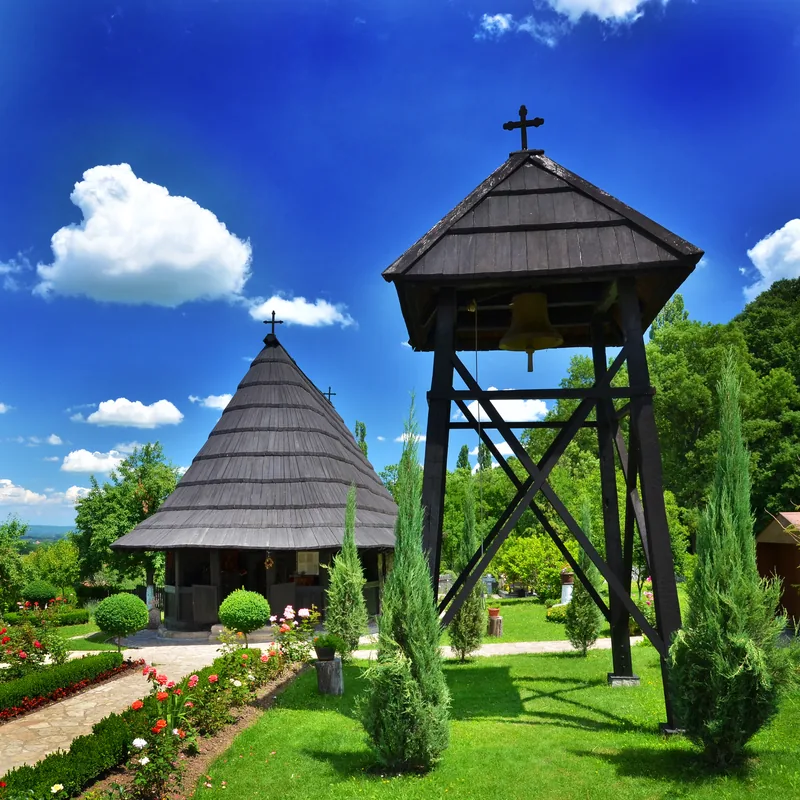
By car, you'll discover the treasures around Loznica. The day begins in Tršić, the birthplace of Vuk Karadžić, where you'll explore the ethno-village and his birth house. A short detour takes you to the spiritual Tronoša Monastery. At noon, you'll drive up Gučevo Mountain, enjoying the panoramic view and lunch at altitude. The afternoon is dedicated to relaxation: a walk through the magnificent park of Banja Koviljača. After this varied day, you return to Loznica full of impressions.
A rainy car trip starts in the ethno-village of Tršić. The wooden houses glow dark in the rain as we hop quickly from one building to the next. At noon, we visit Tronoša Monastery. The drumming of rain on the old tin roof and the scent of incense create a deep, spiritual calm. In the afternoon, we drive up Gučevo Mountain. The road winds through thick, misty forests that look almost unrealistically green and mysterious in the rain. The evening ends at Banja Koviljača park. We enjoy the illuminated fountains from the warmth of the car before returning to Loznica.
A frosty morning starts in snow-covered Tršić. The smoking chimneys of the wooden houses stand out clearly against the crisp blue winter sky. At noon, we reach Tronoša Monastery. The silence of the snowy forest surrounding the monastery is broken only by the occasional ringing of bells. In the afternoon, we venture up Gučevo Mountain. At the top, a breathtaking view of the frozen Drina Valley and Bosnia's peaks awaits. The evening in Banja Koviljača is peaceful. The illuminated park in the snow looks like a scene from a winter fairy tale before we return to Loznica.