Plizio Visual Lab
Rubavu Port
Weather…
Water temperature…
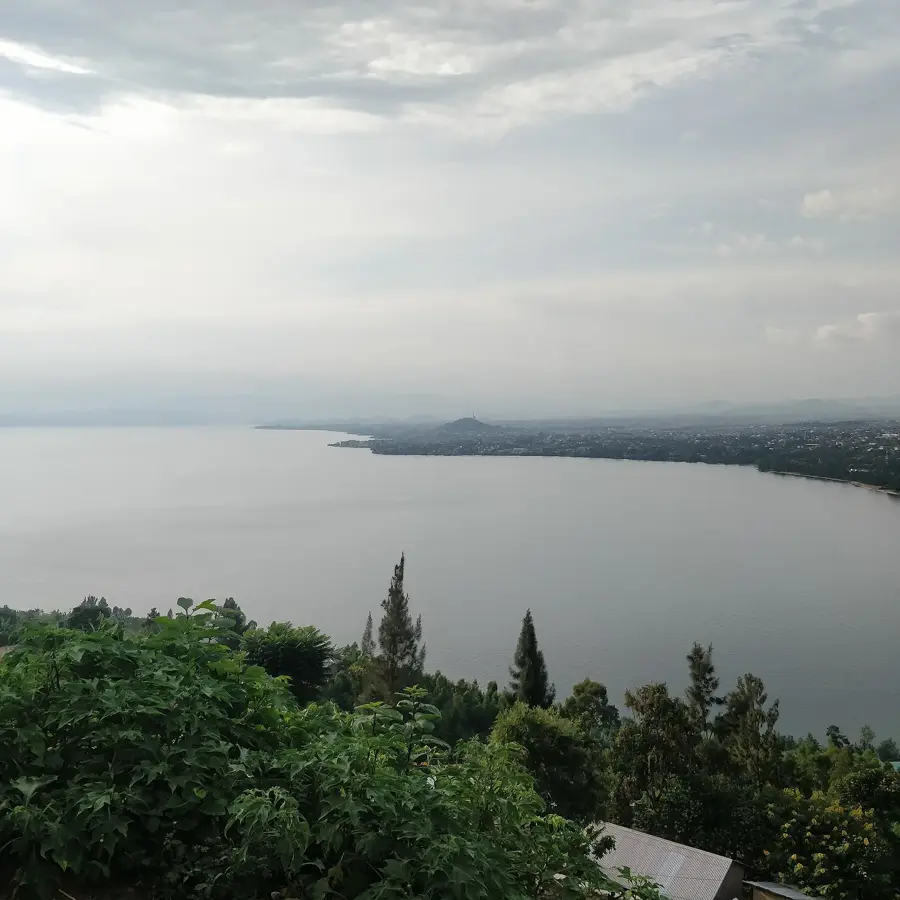
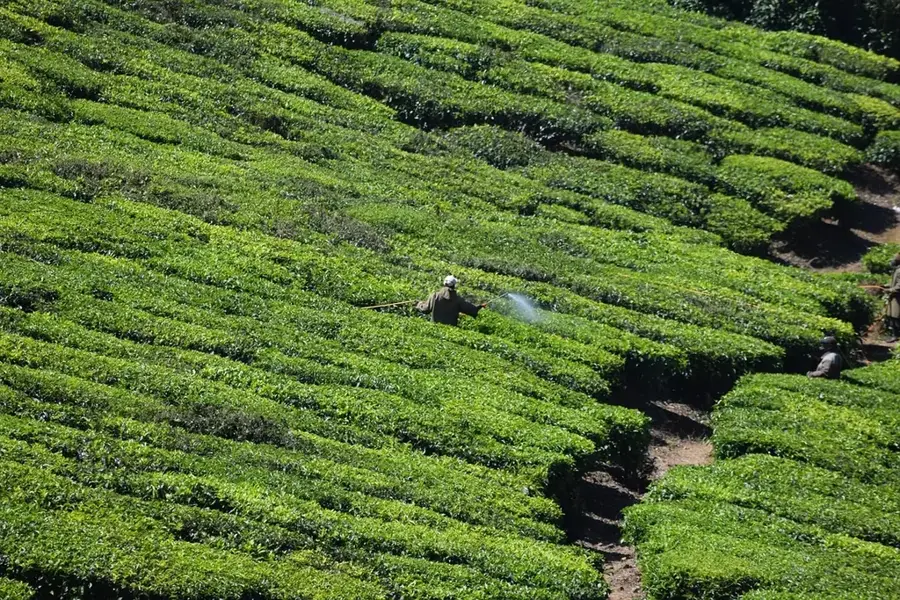
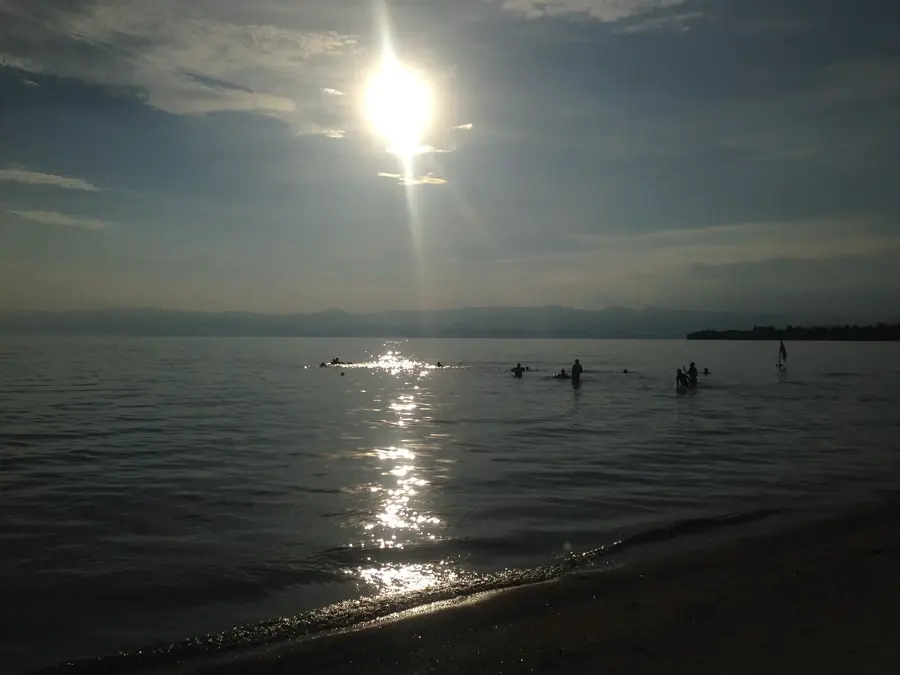
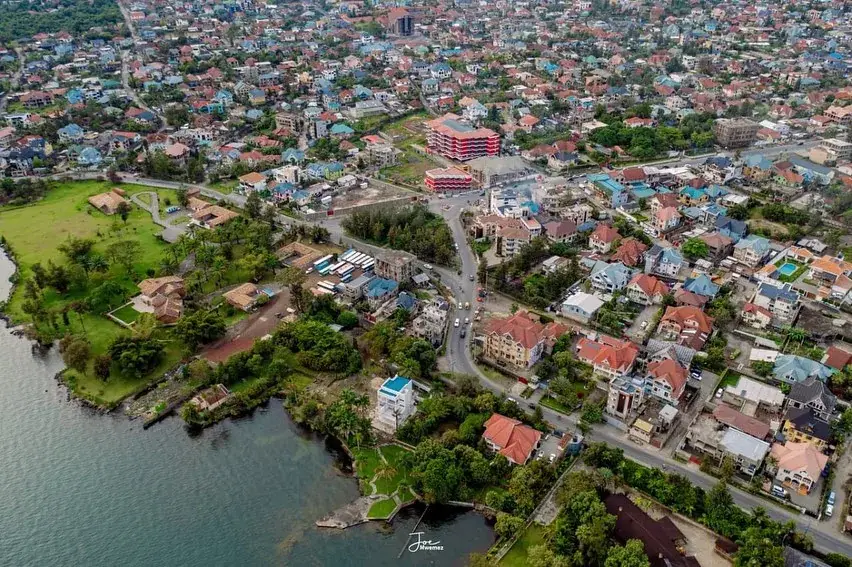
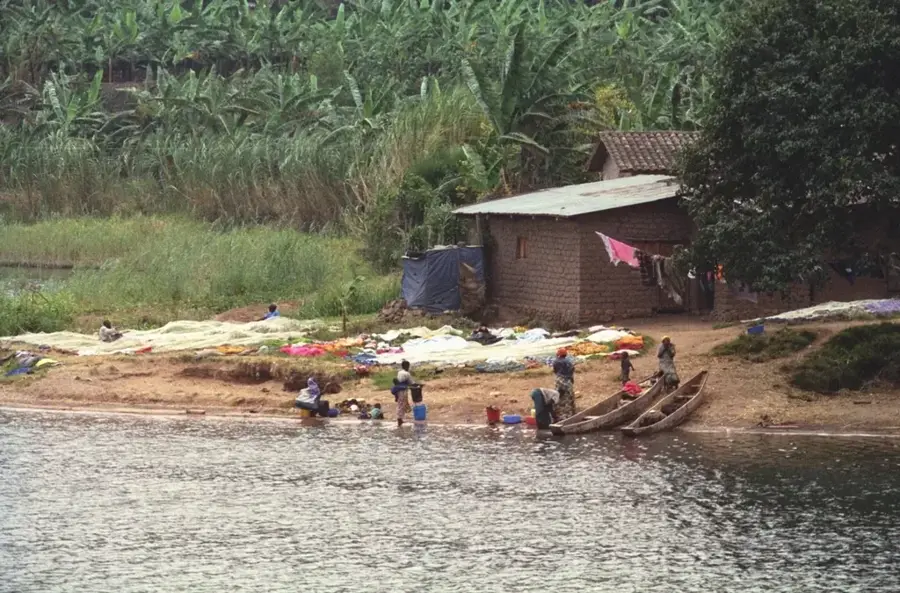
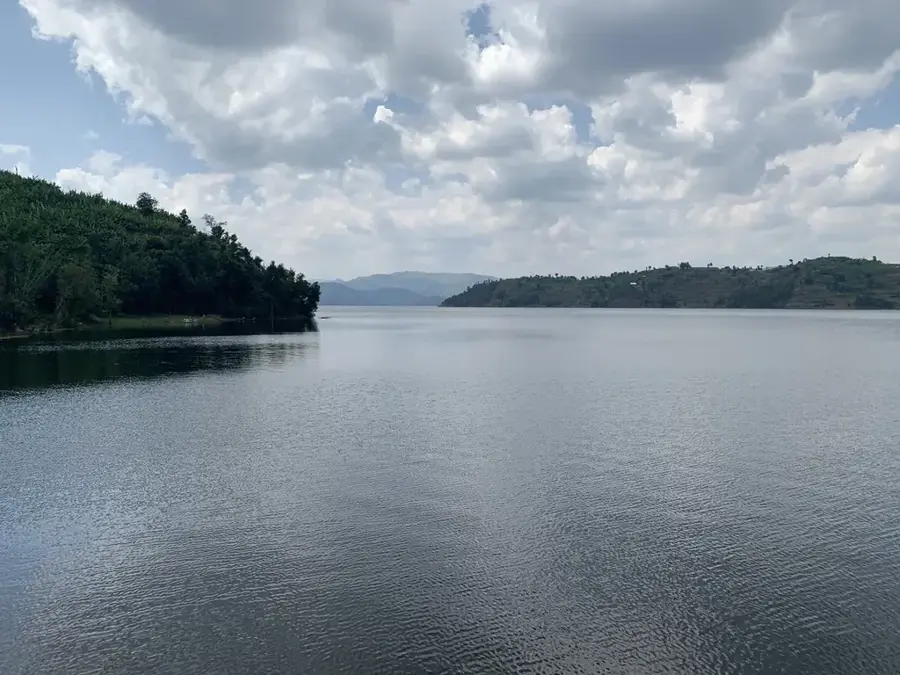
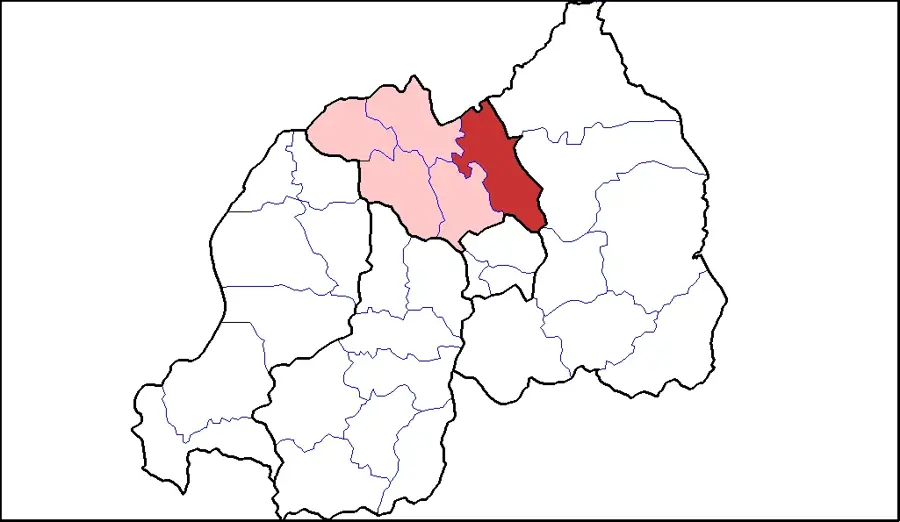
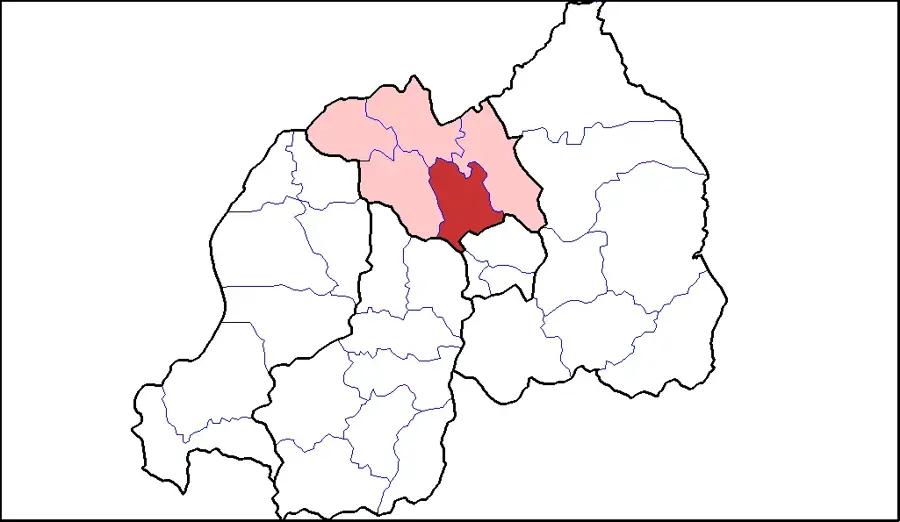
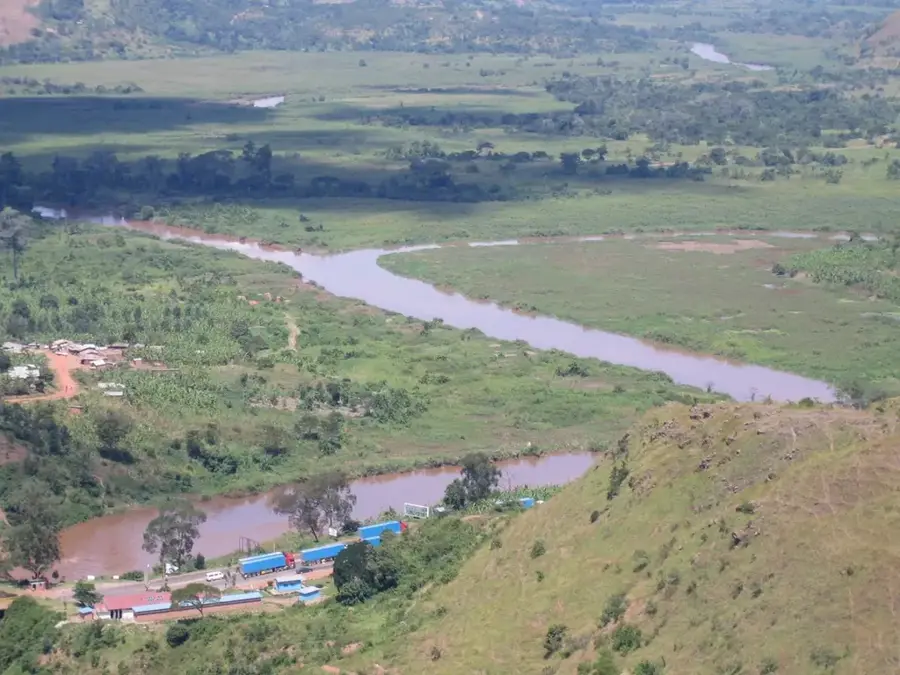
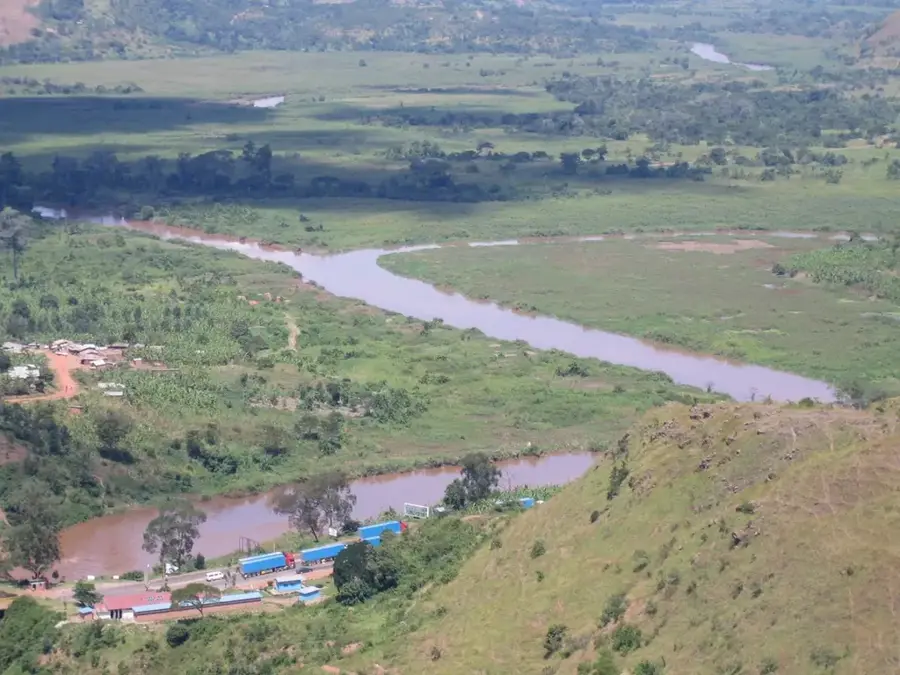
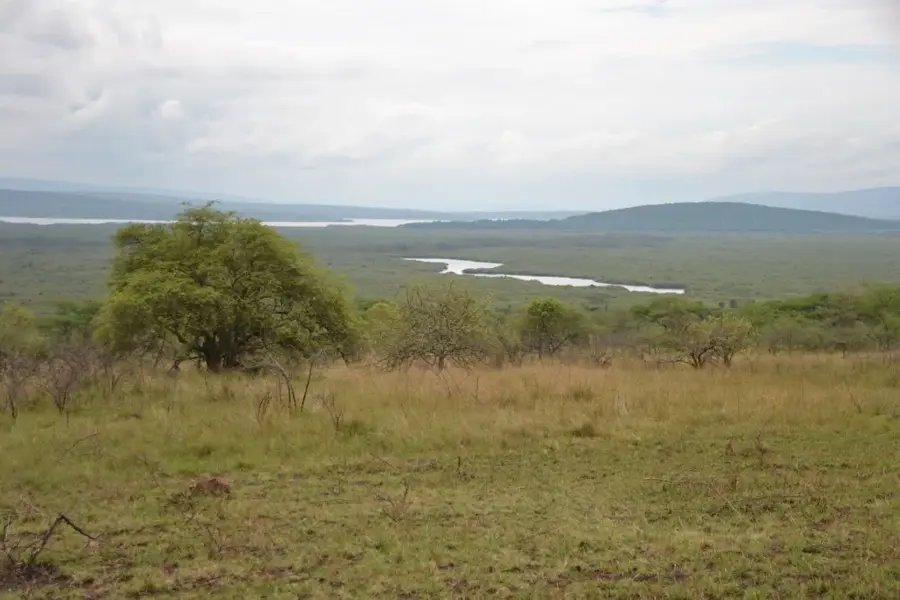
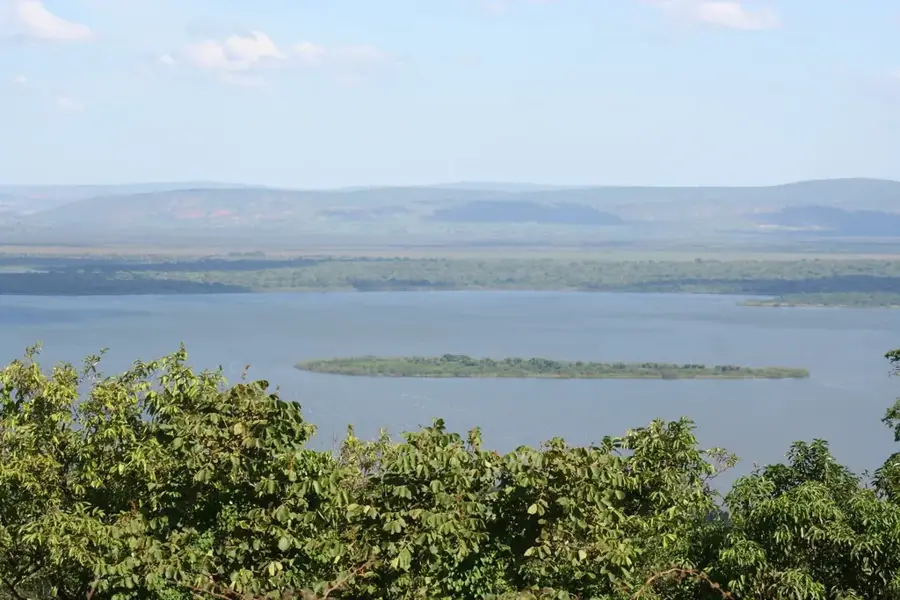
The Port of Rubavu, located on the shores of Lake Kivu, is a key component of Rwanda's inland water transport and trade. It serves as a vital hub for the movement of goods and people between Rubavu and other lakeside towns like Karongi and Rusizi. The port has undergone modernization to handle larger cargo volumes and increase efficiency. The upgrades include new quays, warehouses, and modern loading equipment. This development is part of a broader strategy by the Rwandan government to utilize Lake Kivu as a trade corridor, connecting Rwanda with the Democratic Republic of Congo. The port facilitates the export of local products such as coffee, tea, and minerals, and the import of goods. It also plays a growing role in tourism, offering ferry services for visitors wishing to explore the beauty of Lake Kivu.
- Location: Rwanda
- Top sights: African Art Gallery · Kivu art gallery
- Nearby: Kora (18 km)
Best time to visit & climate
The most pleasant time to visit is Jun–Aug.
| Jan | Feb | Mar | Apr | May | Jun | Jul | Aug | Sep | Oct | Nov | Dec | |
|---|---|---|---|---|---|---|---|---|---|---|---|---|
| Avg °C | 17 | 18 | 18 | 18 | 17 | 17 | 17 | 17 | 18 | 17 | 17 | 17 |
| Rain mm | 127 | 127 | 206 | 183 | 142 | 74 | 45 | 92 | 139 | 190 | 218 | 154 |
📋 Practical info
Geography
Facts
- Major inland port on Lake Kivu.
- Connects Rubavu with Karongi and Rusizi.
- Modernized to increase cargo capacity.
- Part of the trade corridor to the DRC.
- Facilitates the export of coffee, tea, and minerals.
- Growing importance for tourism on the lake.
- Key infrastructure for regional trade.
Explore nearby
Notable places around

Route planner — Car & Motorhome
Where do you start? We build the route here, with stops and country notes along the way.
© OpenStreetMap contributors · OpenRouteService
Frequently asked questions
What is Rubavu port?
Is it a tourist port?
Where is Rubavu?
What can you do there?
Do you need a visa?
Rubavu Port: where is it located?
Rubavu Port: what is there to see?
Rubavu Port: when is the best time to visit?
Rubavu Port: why is it worth visiting?

Nearby cities

History & landmarks
Nature
More places