Plizio Visual Lab
Akagera Wetlands
Weather…
Water temperature…
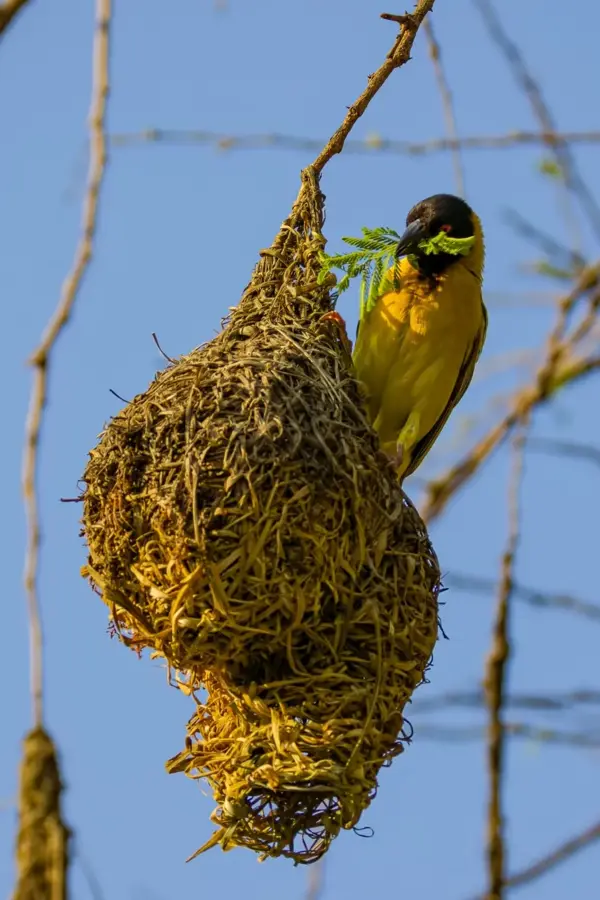
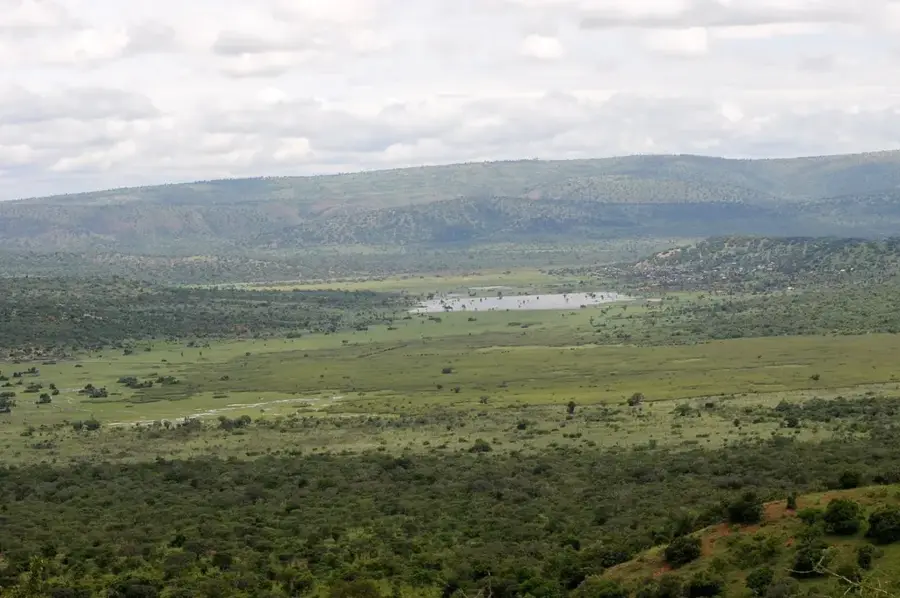
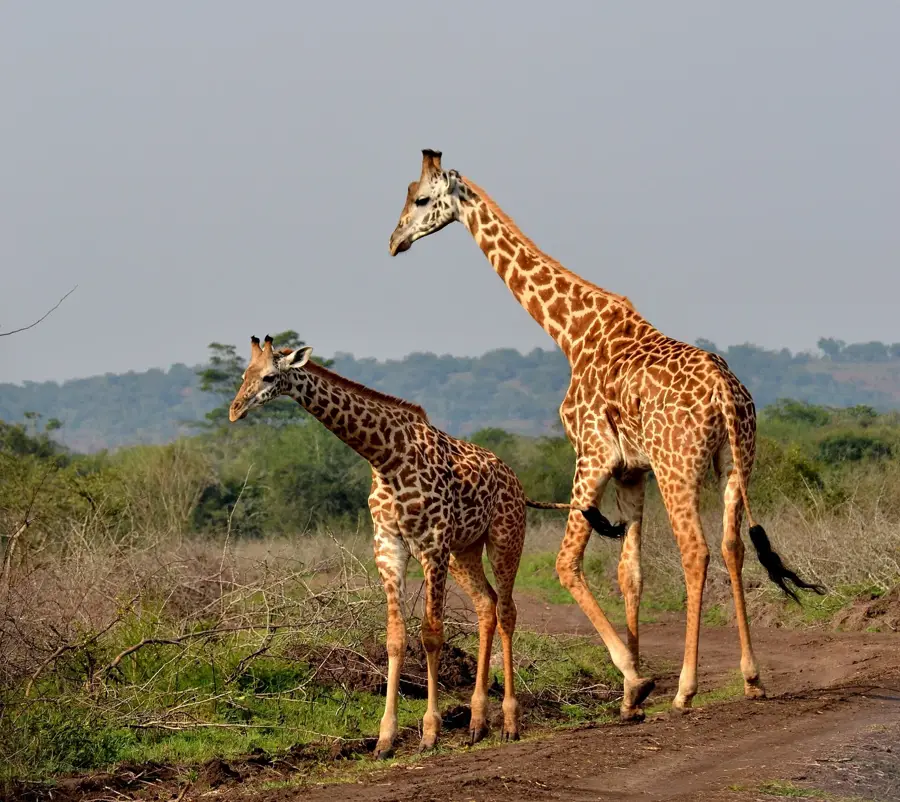
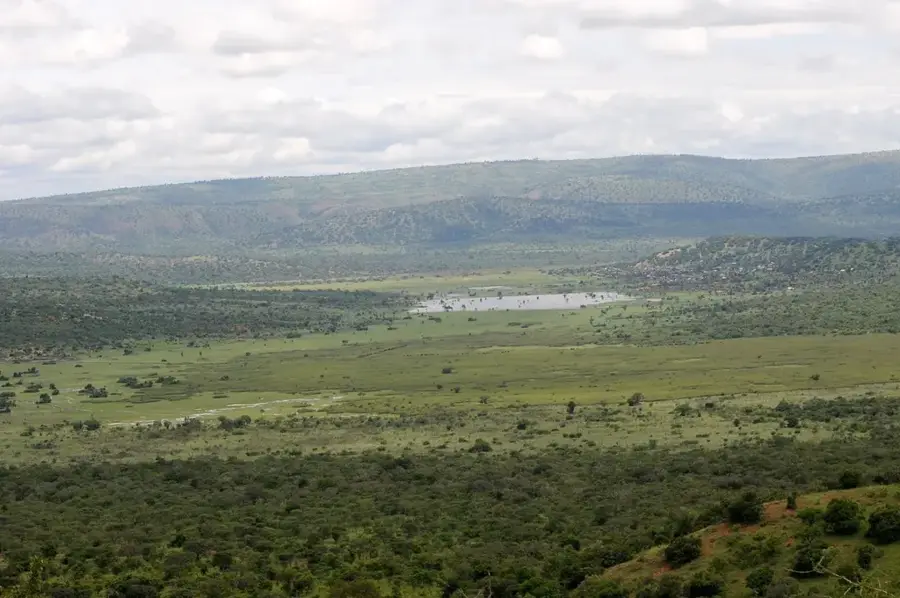
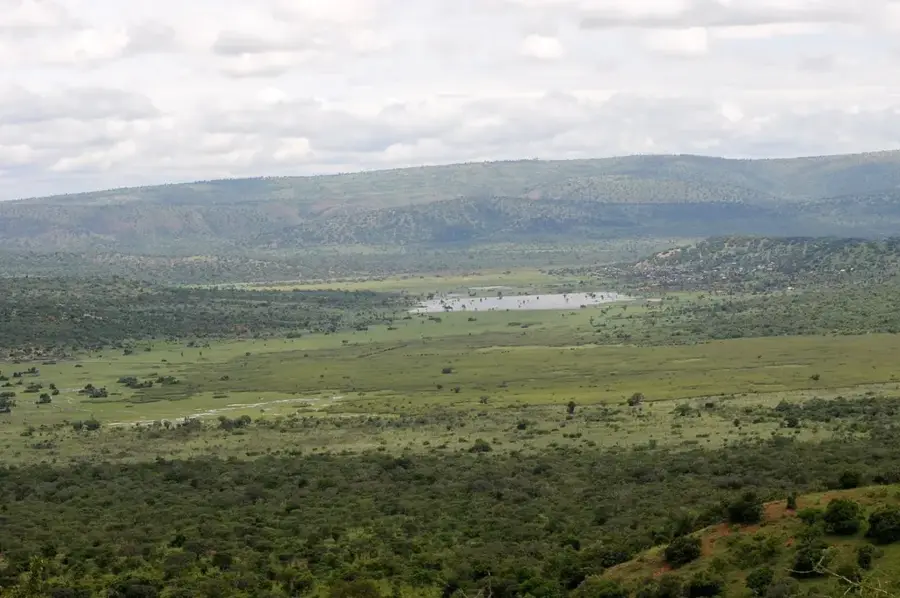
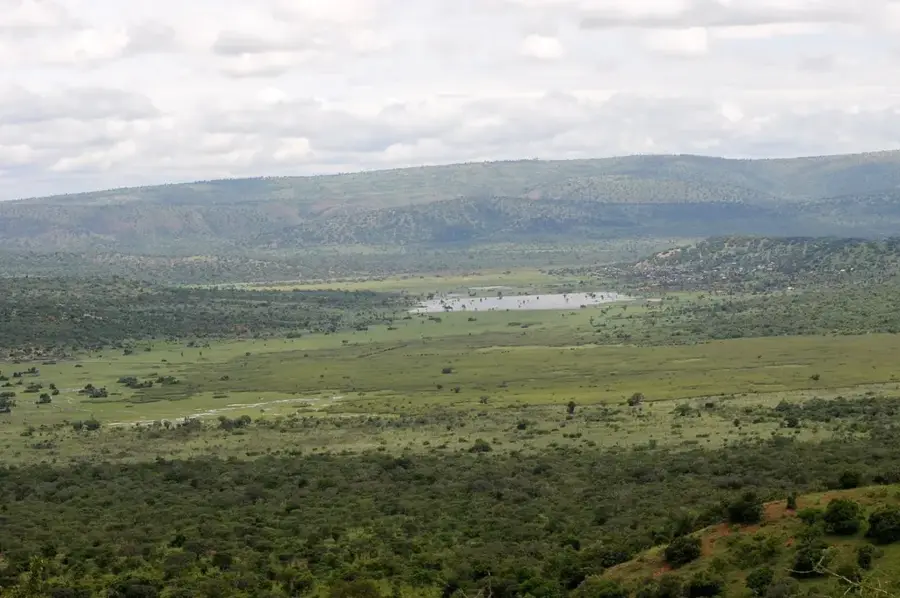
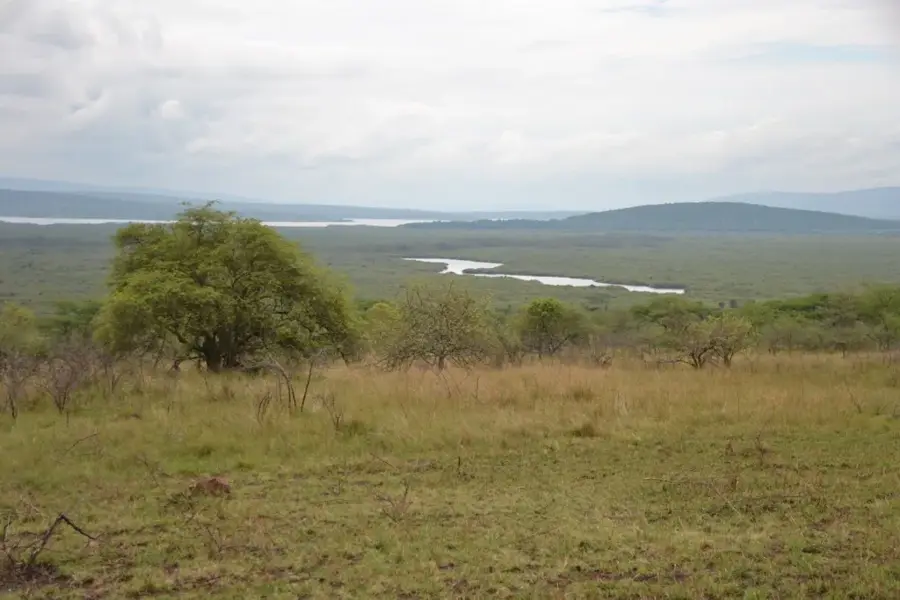
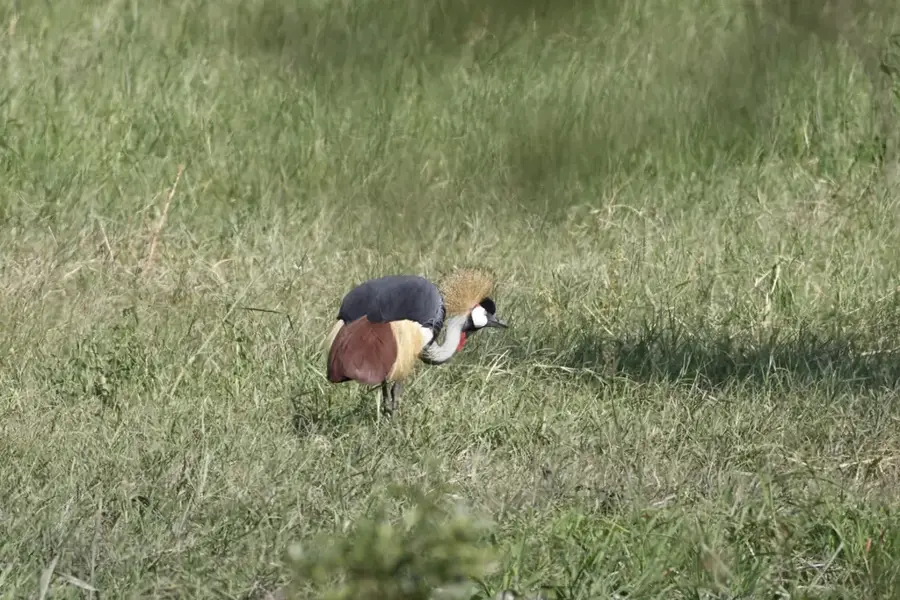
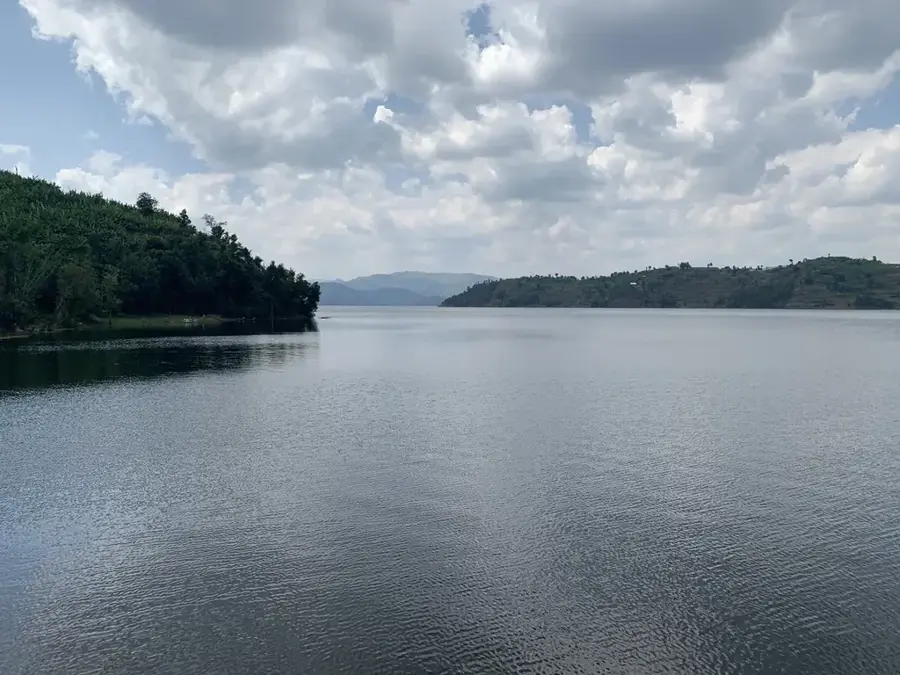
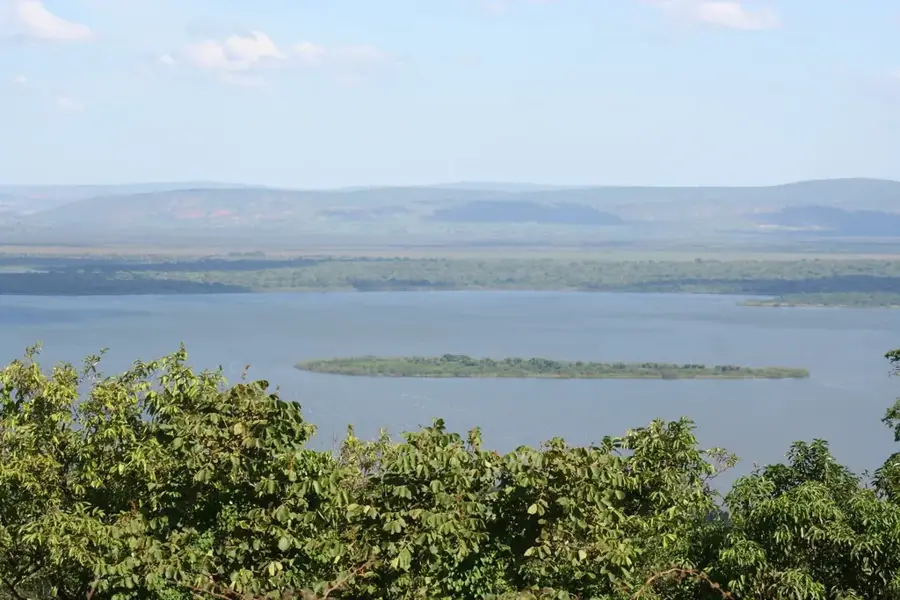
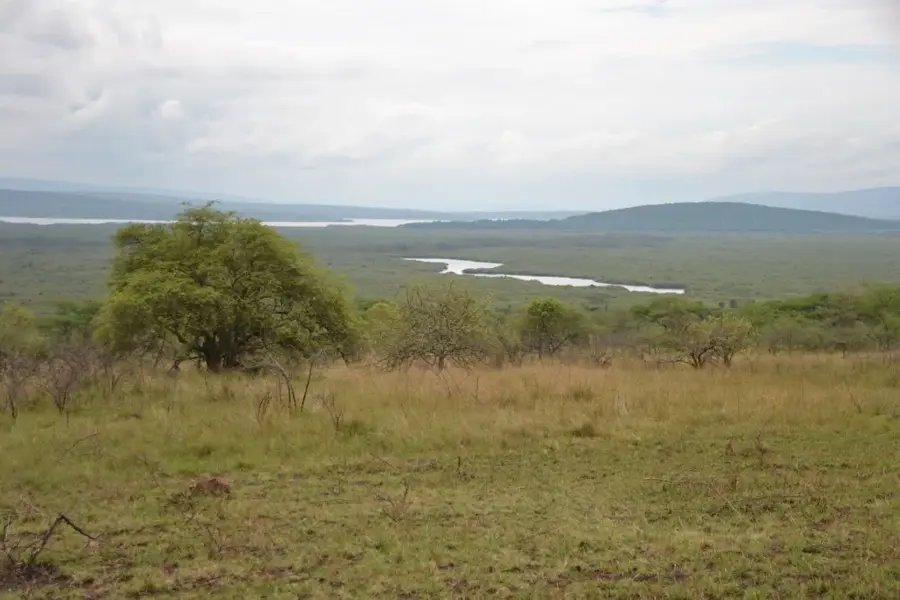
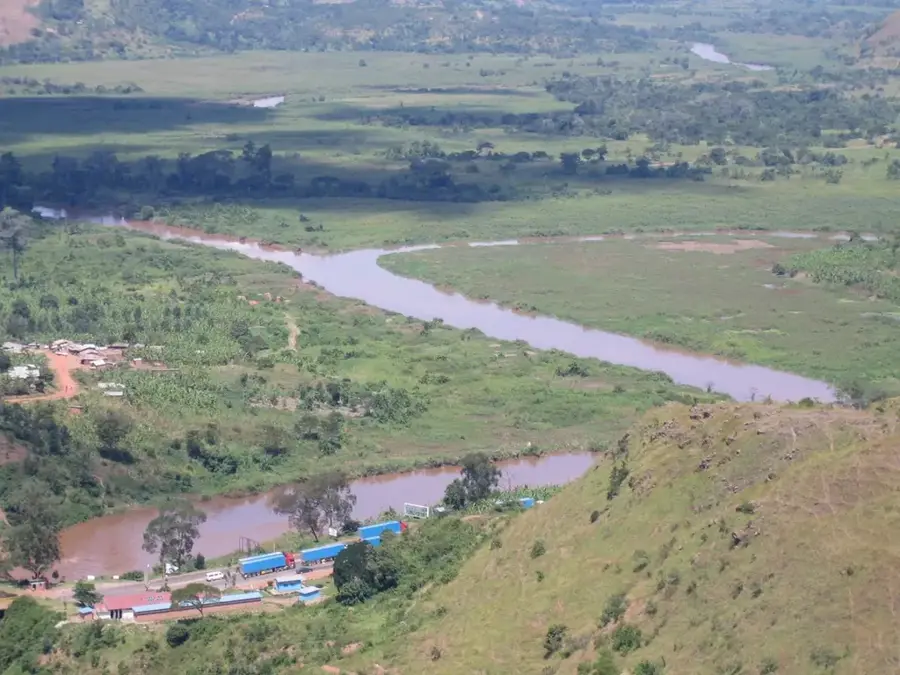
The Akagera Wetlands in eastern Rwanda comprise one of Central Africa's largest protected marsh systems and form the core of the Akagera National Park. Geographically, they consist of a complex network of lakes, including Lake Ihema, and vast papyrus and grass swamps along the Akagera River. This ecosystem acts as a crucial buffer against desertification and serves as a natural water reservoir for the surrounding arid savanna region. The biodiversity is immense, featuring large populations of hippopotamuses and crocodiles, as well as rare waterbirds like the shoebill stork. Historically, the area was much more extensive but was significantly reduced by human settlement following the events of 1994 before being placed under strict conservation. Today, the park is managed by the African Parks organization, which has led to the successful reintroduction of lions and rhinoceroses. The wetlands are not only vital for nature conservation but also represent a significant driver for ecotourism, providing jobs and revenue for local communities.
- Location: Rwanda
- Nearby: Rwinkwavu (10 km)
Best time to visit & climate
The most pleasant time to visit is Jun–Aug.
| Jan | Feb | Mar | Apr | May | Jun | Jul | Aug | Sep | Oct | Nov | Dec | |
|---|---|---|---|---|---|---|---|---|---|---|---|---|
| Avg °C | 21 | 22 | 21 | 20 | 20 | 20 | 20 | 21 | 21 | 21 | 20 | 21 |
| Rain mm | 93 | 89 | 145 | 167 | 127 | 42 | 26 | 47 | 86 | 125 | 157 | 103 |
📋 Practical info
Geography
Facts
- The wetland covers more than one-third of the total park area.
- Lake Ihema is the largest lake within the Akagera Wetlands.
- The area is home to over 500 different bird species.
- The Akagera River provides the water supply for the entire marshland.
- Lions were reintroduced in 2015 after a 20-year absence.
- Black rhinos were flown in from South Africa for reintroduction in 2017.
Explore nearby
Notable places around


Route planner — Car & Motorhome
Where do you start? We build the route here, with stops and country notes along the way.
© OpenStreetMap contributors · OpenRouteService
Sights in the town Akagera Wetlands (1)
Sights nearby
Frequently asked questions
What animals can be seen there?
Can you go on a safari?
Are there lodges in the park?
How much does the entrance cost?
Best time to travel?
Akagera Wetlands: where is it located?
Akagera Wetlands: when is the best time to visit?
Akagera Wetlands: why is it worth visiting?

Nearby cities


History & landmarks
Nature
More places