Plizio Visual Lab

Port of Gdańsk

Plizio editorial teamData Sources
Port
—°110
Port of Gdańsk (Poland)

Weather…

Highlights of 2026

1

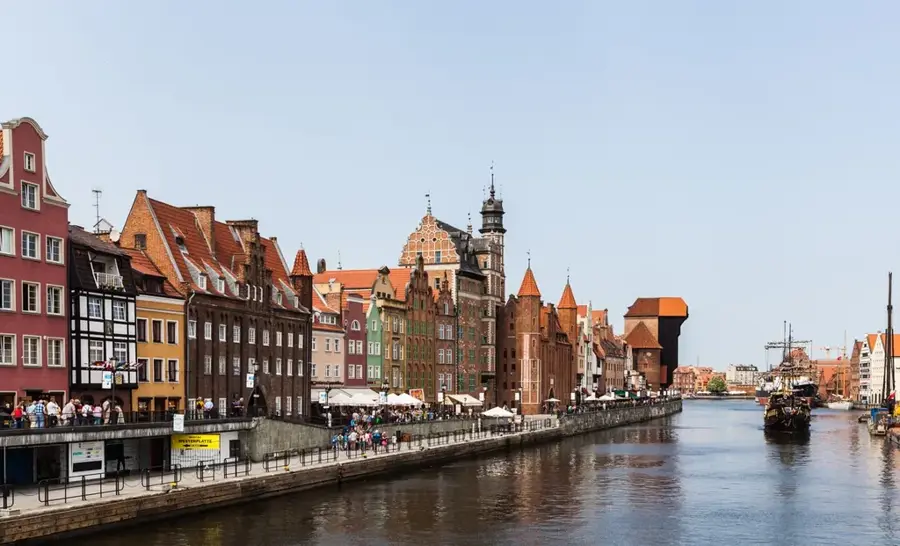
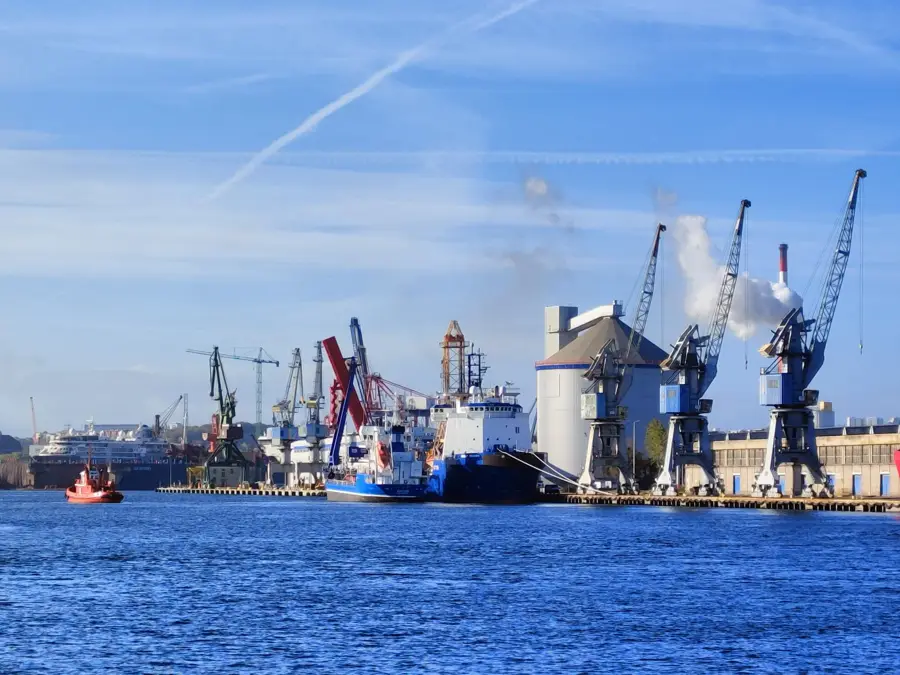
The Port of Gdańsk is Poland's largest and most significant seaport, serving as a premier logistics hub in the Baltic Sea region. It is divided into the historical Inner Port, situated along the Dead Vistula, and the modern Outer Port, also known as the North Port, located directly on the Gulf of Gdańsk. Due to its deep-water access, the port can accommodate the world's largest Post-Panamax container vessels, making it a critical gateway for trade between Asia and Western Europe. A standout feature is the Deepwater Container Terminal (DCT), which is among the most modern facilities in Europe and undergoes continuous expansion. In addition to container traffic, the port handles substantial volumes of coal, liquid fuels, and bulk cargo. The port's history traces back to the Middle Ages when Gdańsk was a leading member of the Hanseatic League. Today, the port is vital for Poland's energy security, particularly through its oil terminal and planned LNG infrastructure. It also serves as a key node for the Trans-European Transport Network's Corridor VI.

Best time to visit & climate

The most pleasant time to visit is Jun–Aug.

JanFebMarAprMayJunJulAugSepOctNovDec
Avg °C-102711161819151052
Rain mm584244365558867163676965

📋 Practical info

🏭
What is this place?
The Port of Gdańsk operates as Poland's largest and most crucial seaport, acting as a dynamic international logistics hub on the Baltic Sea. It facilitates monumental volumes of maritime trade, handling everything from bulk cargo and containers to passenger ferries connecting Northern Europe.
🚪
Visiting
While the deep-water terminal and industrial loading zones are restricted for safety and security reasons, certain historical and passenger areas of the port are fully accessible. Tourists can easily experience the maritime atmosphere by taking scheduled ferry rides or walking along the public quaysides.
👀
Where to view it
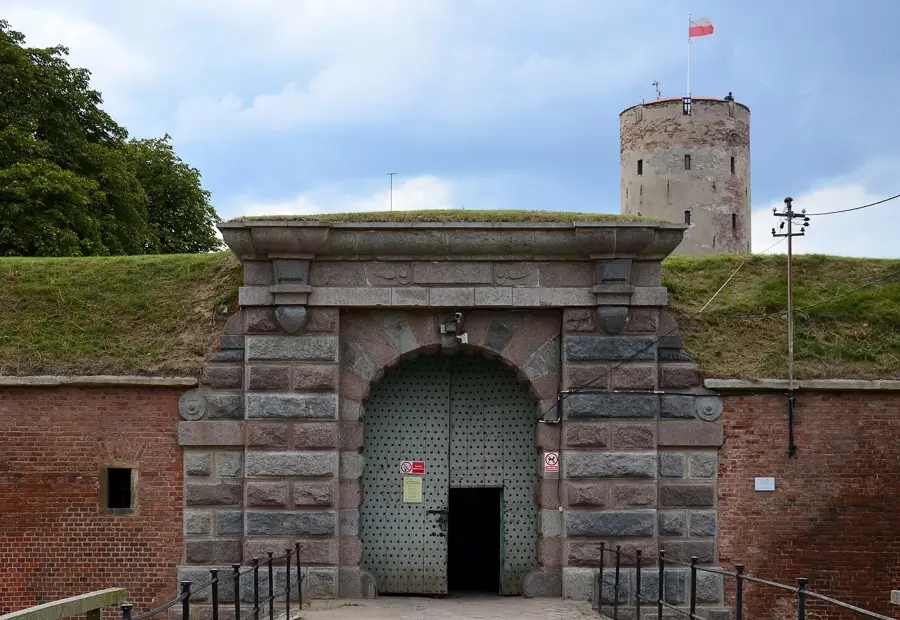
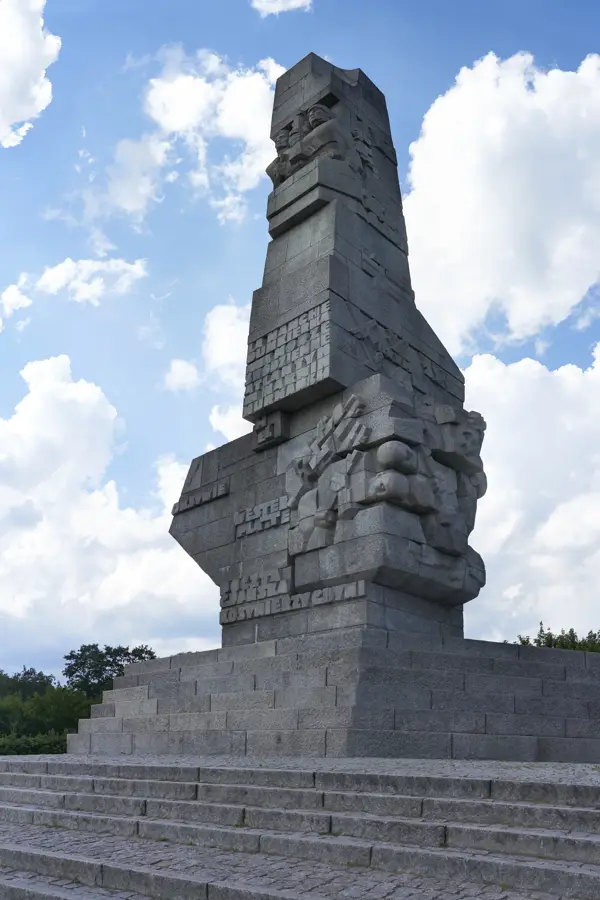
Excellent views of the sprawling port facilities and enormous cargo ships can be enjoyed from the Westerplatte monument or the historic Wisłoujście Fortress. Tourist boat tours departing from the old town also provide an unrivaled, close-up perspective of the bustling port operations from the water.
🧺
Local products
The port region is deeply connected to the amber trade, and visitors can find exquisite Baltic amber jewelry in many nearby coastal markets and artisan shops. The surrounding seaside areas are also famous for offering freshly caught and traditionally smoked fish directly from local vendors.
📆
Active season
The port is a continuously functioning entity, bustling with heavy shipping traffic 24 hours a day, all year round, regardless of the season. The summer months generally see a noticeable surge in the activity of cruise liners, passenger ferries, and lively leisure boating around the harbor approaches.
Nearby
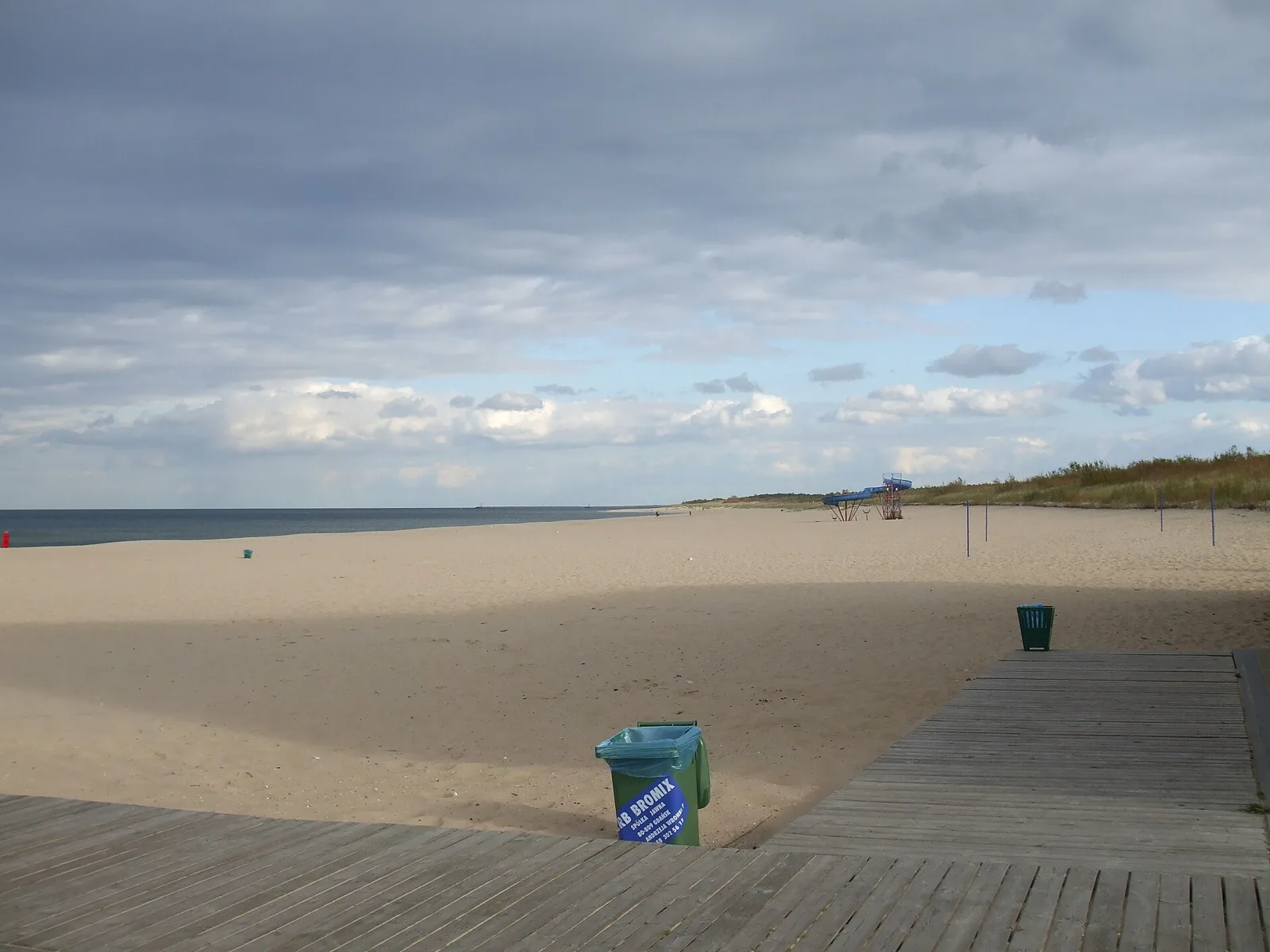
Experiencing the maritime grandeur of the port seamlessly complements a thorough exploration of Gdańsk's meticulously rebuilt Old Town and its rich Hanseatic heritage. Visitors also frequently extend their trip to include the broader Tri-City area, enjoying the relaxing beaches and bustling piers of nearby Sopot.

Geography

Coordinates
54.39400, 18.67500

Facts

  • The port is divided into the Inner Port and the modern North Port.
  • The Deepwater Container Terminal (DCT) can handle vessels exceeding 20,000 TEU.
  • The Port of Gdańsk handles over 60 million tonnes of cargo annually.
  • The port's history as a trading hub is documented as far back as 997 AD.
  • It houses Poland's largest liquid fuel terminal, known as Naftoport.
  • Gdańsk was one of the most influential members of the Hanseatic League in the Middle Ages.

Explore nearby

Notable places around

Route planner — Car & Motorhome

Where do you start? We build the route here, with stops and country notes along the way.

Vehicle
Only stops with (optional):

© OpenStreetMap contributors · OpenRouteService

Sights in the town Port of Gdańsk (10)

Szaniec Zachodni

17th-century fortification in Nowy Port, part of the port defence.

Twierdza Wisłoujście🏛 museum

Fortress and lighthouse at the Vistula mouth in Gdańsk.

💶

Sekcje u-boota

Exhibited submarine sections in the port area.

Morski Kościół Misyjny Niepokalanego Serca Maryi⛪ church

Seamen's church in Gdańsk, dedicated to the Immaculate Heart of Mary.

Kościół pw. Świętej Jadwigi Śląskiej⛪ church

Church of Saint Hedwig of Silesia in Gdańsk.

Szaniec Mewi

Historical sconce on the Martwa Wisła in Gdańsk.

Zakręt Pięciu Gwizdków

Meander of the Martwa Wisła, origin of the Port Canal.

Taras widokowy nr 2

Viewpoint overlooking the port of Gdańsk.

Stacja kolejowa

Ruins of a former railway station in the port area.

Taras widokowy nr 1

Viewpoint with panoramic view of the Gdańsk port.

Sights nearby

Frequently asked questions

What is special about the Port of Gdańsk?
It is one of the largest and fastest-growing container ports in the Baltic Sea.
Can visitors tour the port?
The terminals are restricted, but boat tours from the city center provide great views.
What is Westerplatte?
A peninsula at the harbor entrance and the site where WWII began.
What are the main goods handled at the port?
Mainly containers, liquid fuels, coal, and grains.
Is there a viewpoint?
From the Westerplatte monument, you have a wide view of the port and the Baltic Sea.
Port of Gdańsk: where is it located?
Port of Gdańsk is located in Poland.
Port of Gdańsk: what is there to see?
Highlights include Szaniec Zachodni, Twierdza Wisłoujście, Sekcje u-boota.
Port of Gdańsk: when is the best time to visit?
The most pleasant time to visit is Jun, Aug.
Port of Gdańsk: why is it worth visiting?
The Port of Gdańsk is Poland's largest and most significant seaport, serving as a premier logistics hub in the Baltic Sea region.
View on map → The Top 50 Attractions → Most beautiful beaches → OpenStreetMap →
Europe
Explore with Plizio Discover more places in Europe
More places in Poland →

Nearby cities