Plizio Visual Lab
Westerplatte Memorial
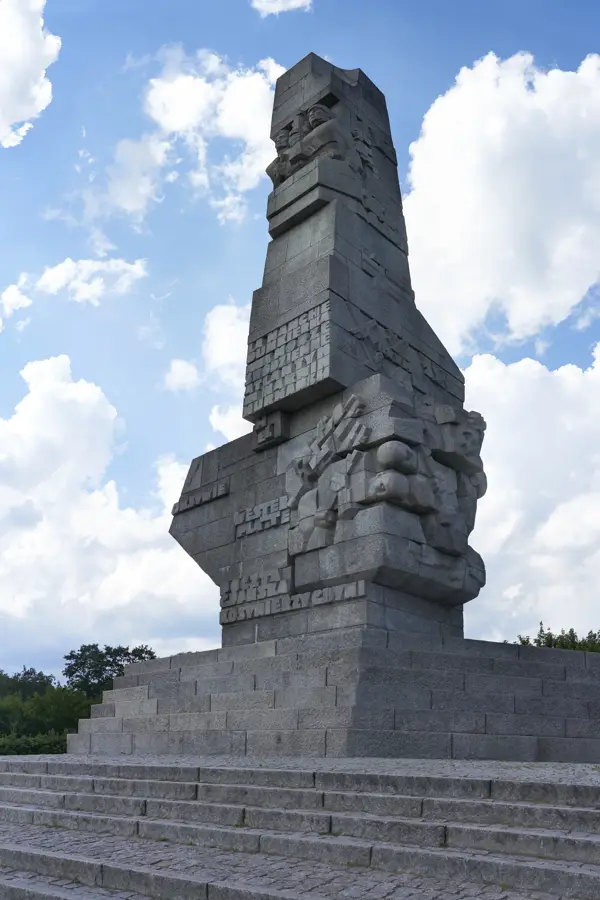
Westerplatte is a peninsula in Gdańsk, famously recognized as the site where World War II began in Europe on September 1, 1939. It housed a Polish Military Transit Depot, an enclave within the territory of the Free City of Danzig. The defense of Westerplatte became a powerful symbol of Polish defiance; a small garrison of approximately 180 to 210 soldiers held their ground for seven days against overwhelming German land, sea, and air forces. The German battleship Schleswig-Holstein fired the opening shots at point-blank range, yet the Polish defenders repelled numerous assaults despite being cut off from reinforcements. Led by Major Henryk Sucharski and Captain Franciszek Dąbrowski, the garrison surrendered only on September 7 after exhausting their ammunition and medical supplies. Today, the area is a memorial park featuring the towering Monument to the Coast Defenders, unveiled in 1966. Visitors can explore the ruins of barracks and guardhouses that remain as silent witnesses to the intense combat. Westerplatte serves as a national shrine of remembrance, honoring the courage and sacrifice of those who faced the first onslaught of the global conflict.
- Location: Poland
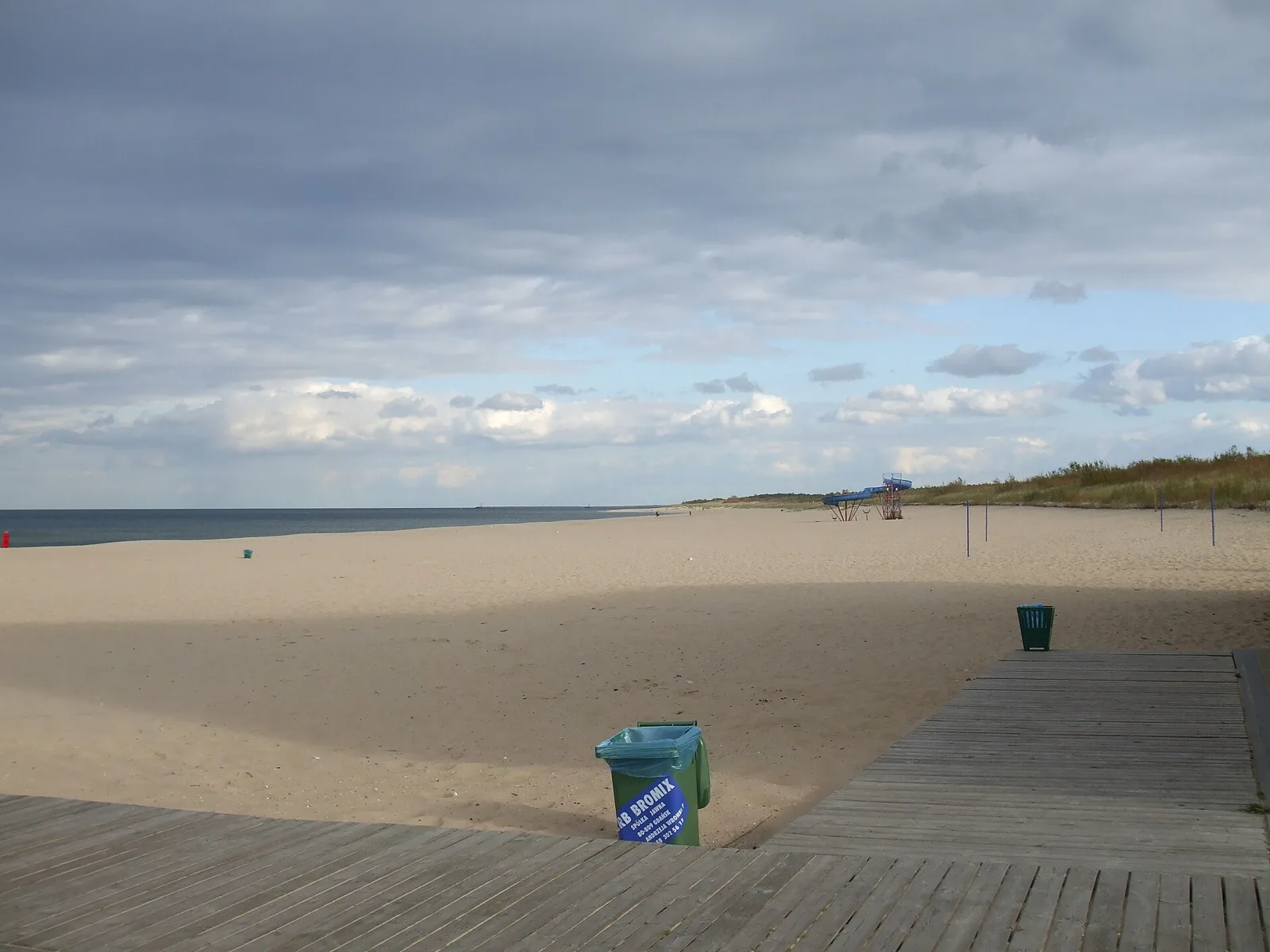
- Top sights: Plaża strzeżona "Molo Brzeźno" · Plaża strzeżona "Dom Zdrojowy Brzeźno" · Plaża dla psów
- Nearby: Przymorze Wielkie (4 km)
Best time to visit & climate
The most pleasant time to visit is Jun–Aug.
| Jan | Feb | Mar | Apr | May | Jun | Jul | Aug | Sep | Oct | Nov | Dec | |
|---|---|---|---|---|---|---|---|---|---|---|---|---|
| Avg °C | -1 | 0 | 2 | 7 | 11 | 16 | 18 | 19 | 15 | 10 | 5 | 2 |
| Rain mm | 58 | 42 | 44 | 36 | 55 | 58 | 86 | 71 | 63 | 67 | 69 | 65 |
📋 Practical info
Geography
Facts
- The shelling began at 04:45 AM on September 1, 1939
- The Polish garrison consisted of roughly 200 soldiers
- The battleship Schleswig-Holstein fired the opening salvos
- Polish forces resisted for 7 days without any reinforcements
- The Monument to the Coast Defenders is 25 meters tall
- It is officially designated as a National Historic Monument
Explore nearby
Notable places around

Route planner — Car & Motorhome
Where do you start? We build the route here, with stops and country notes along the way.
© OpenStreetMap contributors · OpenRouteService
Sights in the town Westerplatte Memorial (3)
Sights nearby
Frequently asked questions
Why is Westerplatte historically important?
How to get from Gdansk to Westerplatte?
Is there an entrance fee?
What is the most important monument on site?
Are there toilets and restaurants?
Westerplatte Memorial: where is it located?
Westerplatte Memorial: what is there to see?
Westerplatte Memorial: when is the best time to visit?
Westerplatte Memorial: why is it worth visiting?

Nearby cities