Plizio Visual Lab

Pashupatinath Temple
Plizio editorial teamData Sources
historical-site
—°12
Pashupatinath Temple (Nepal)

Weather…

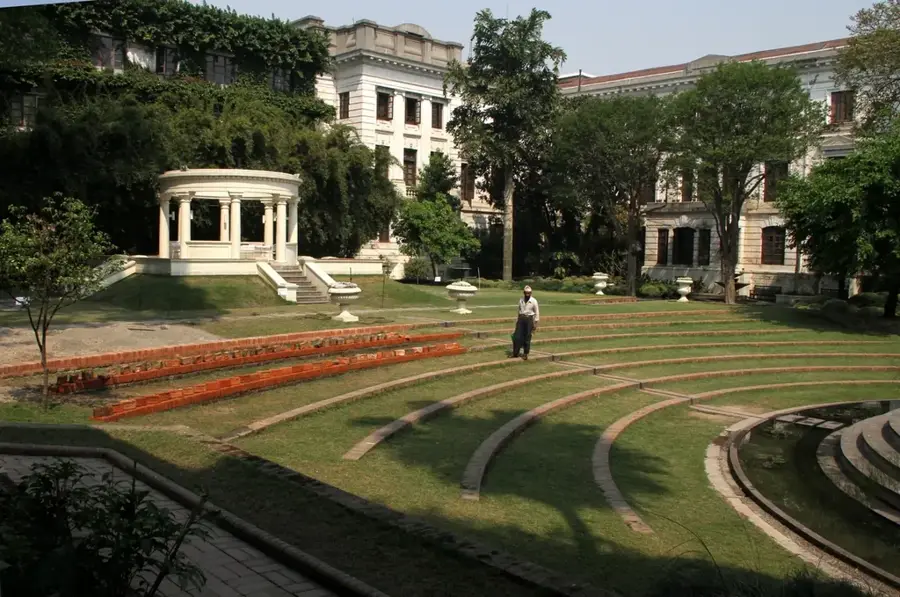
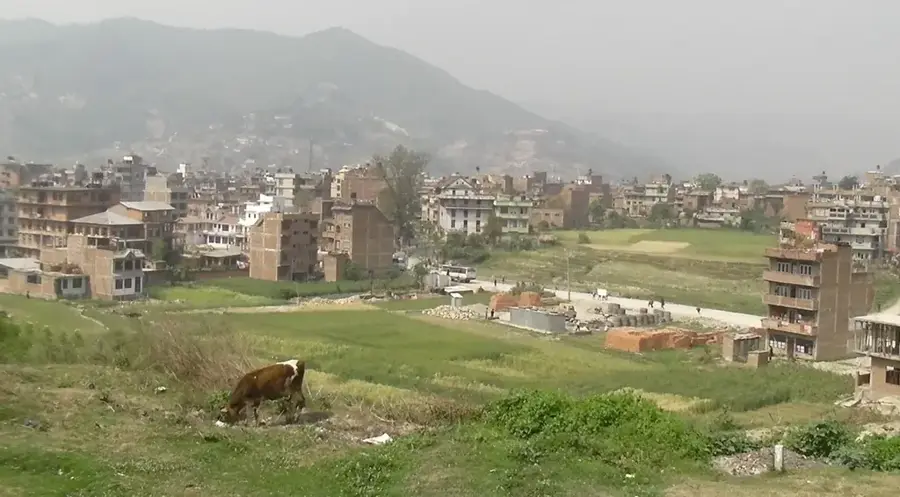
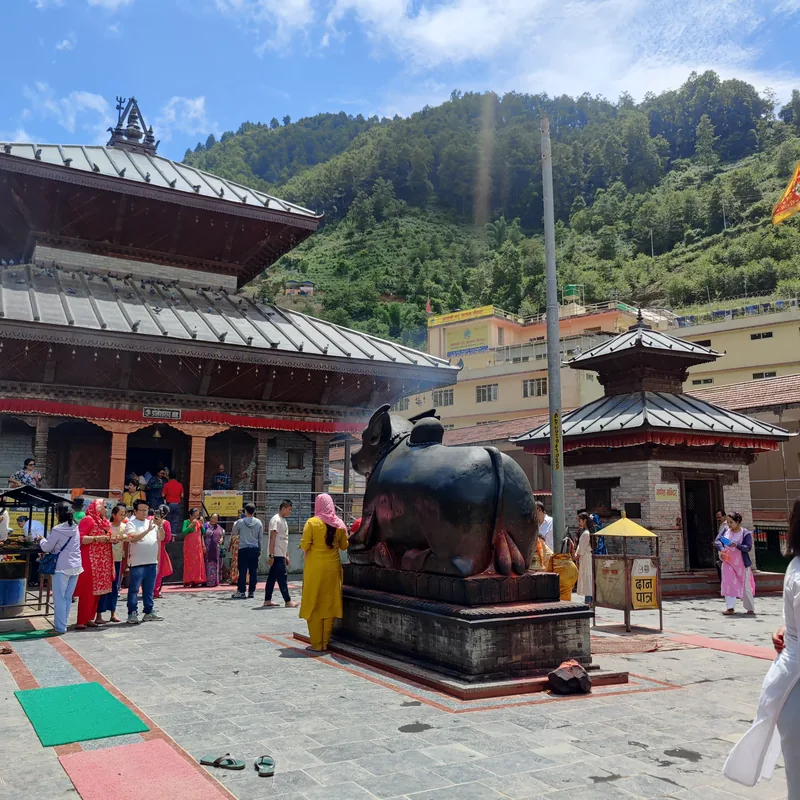
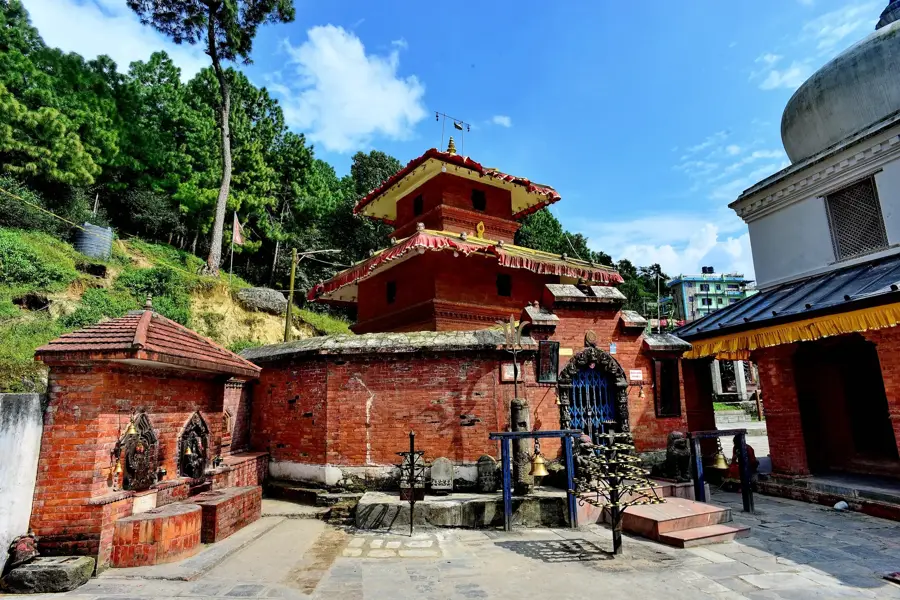
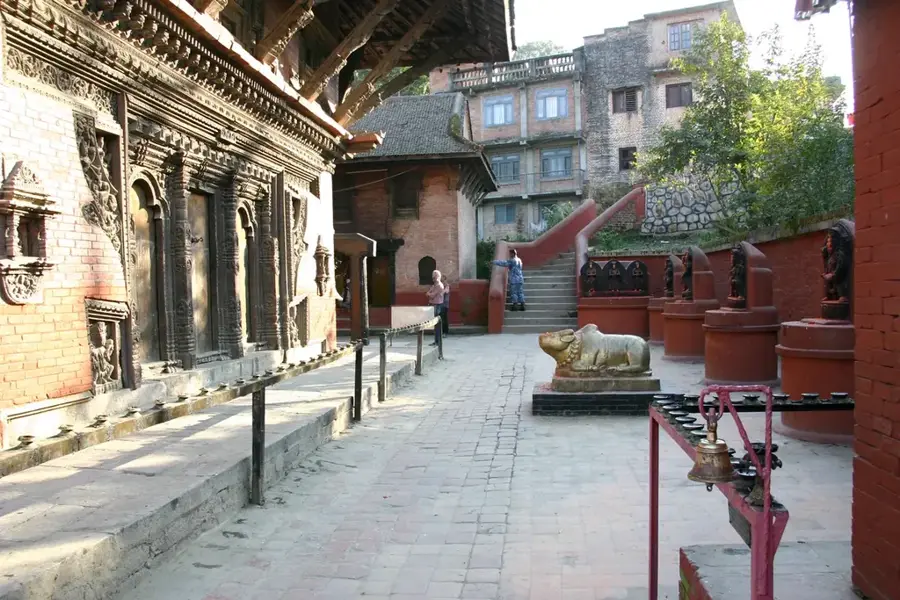
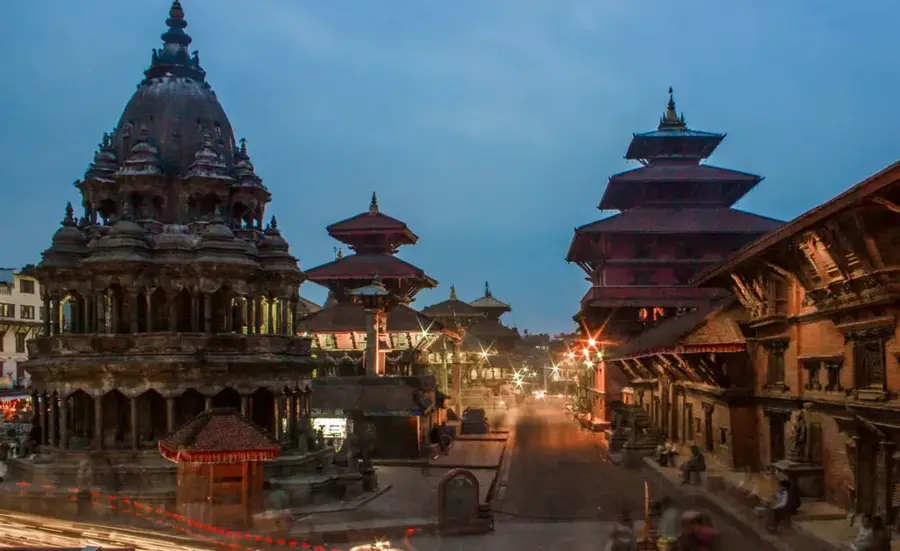
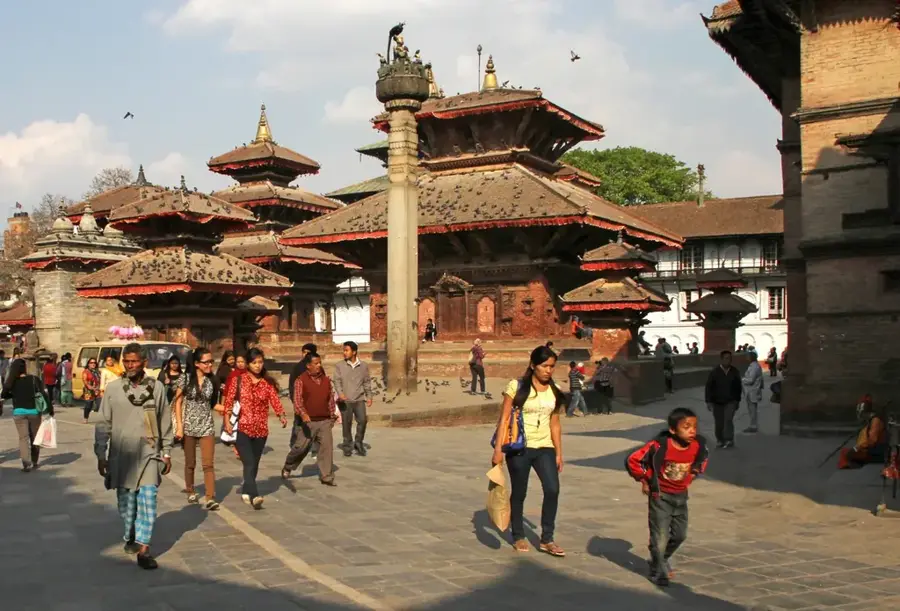
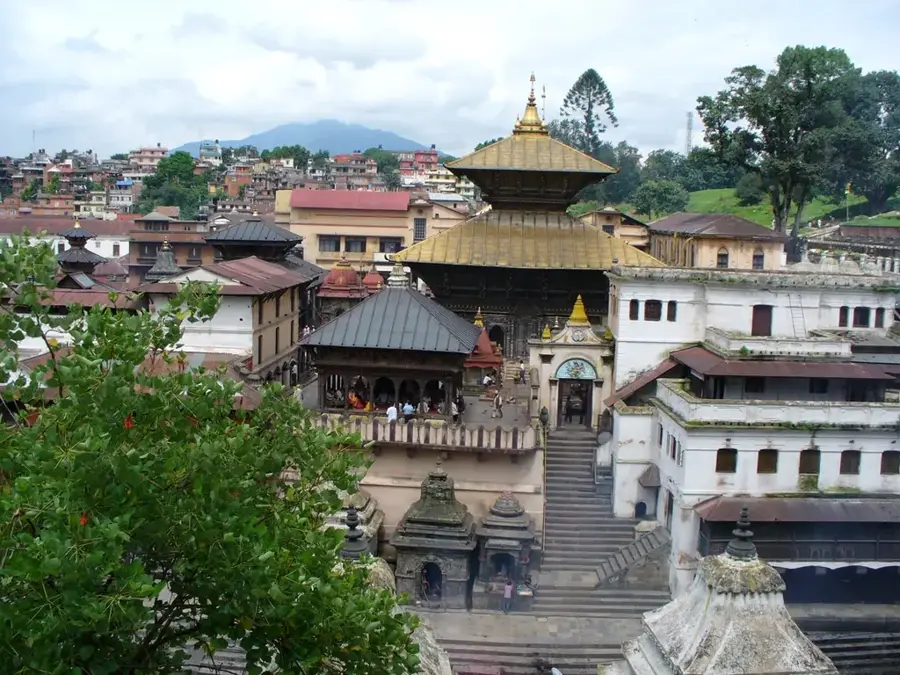
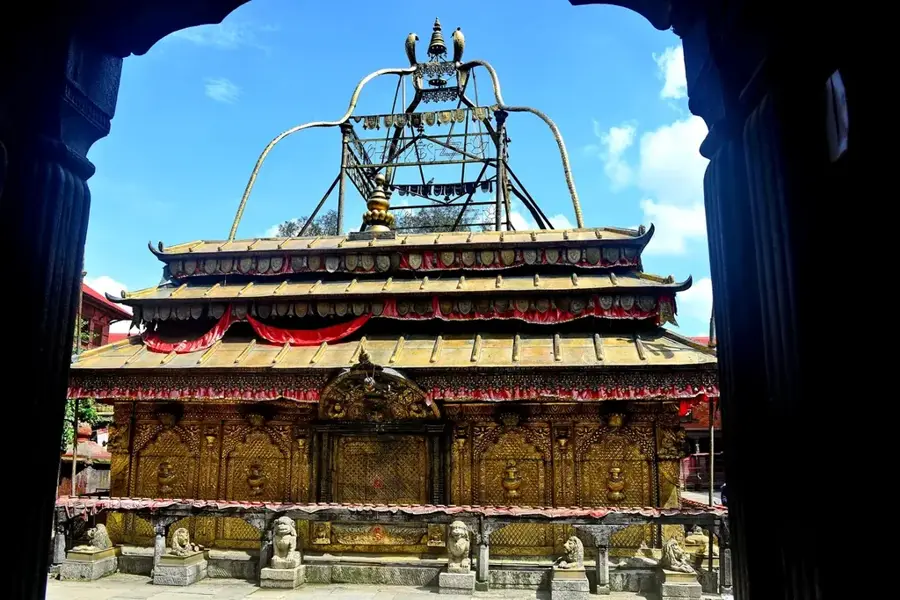
Pashupatinath Temple is a vast Hindu temple complex situated on the banks of the Bagmati River in Kathmandu, designated as a UNESCO World Heritage Site in 1979. The current main structure was reconstructed in 1692 during the Malla dynasty, although the site's religious significance dates back to the 4th century BCE. Dedicated to Lord Shiva as Pashupati, the Lord of Animals, the complex features hundreds of pagodas, shrines, and intricate stone sculptures spread across a large area. The riverbanks, specifically the Arya Ghats, serve as the primary location for traditional Hindu cremation rituals, illustrating the cycle of life and death in Nepalese culture. The main temple is renowned for its two-tiered gilded roof and four silver-plated doors, representing the pinnacle of Newari craftsmanship and pagoda architecture. While the inner sanctum is accessible only to Hindus, the surrounding grounds offer profound insights into the spiritual heritage of Nepal and attract thousands of pilgrims annually.

Best time to visit & climate

The most pleasant time to visit is Mar, Apr, Oct.

JanFebMarAprMayJunJulAugSepOctNovDec
Avg °C111418222425232322191612
Rain mm10172137891702802381694535

📋 Practical info

🚪
Visiting
The temple complex is accessible to all, but the main shrine is open only to Hindus. You can visit the ghats along the Bagmati River and surrounding temples.
🕒
Typical hours
The complex is typically open from sunrise to sunset. Evening ceremonies often take place. Inquire locally for exact timings.
📷
Photography
Photography is allowed on the ghats and in the outer area. Inside the main temple, cameras are prohibited. Respect religious customs.
⏱️
Time needed
Exploring the complex takes about two to three hours. Those who want to witness the evening aarti ceremony should allow extra time.
Combine with
Combine the visit with the nearby Boudhanath Stupa and Kathmandu Durbar Square. The cremation site called Aryaghat is also culturally interesting.
🧭
Getting there
Pashupatinath is east of central Kathmandu and easily reachable by taxi. Buses from Ratnapark bus station go directly to the temple.
💡
Insider tip
Visit the temple early in the morning or for the evening aarti to experience the spiritual atmosphere. Watch your valuables in the crowds.

Geography

Coordinates
27.71040, 85.34860

Facts

  • The temple complex was designated a UNESCO World Heritage Site in 1979.
  • The current main pagoda was reconstructed in its present form in 1692.
  • The Bagmati River banks are used for ritual cremations at the Arya Ghats.
  • Only practicing Hindus are permitted to enter the inner temple courtyard.
  • Maha Shivaratri is the largest festival held here, drawing massive crowds.
  • The temple roof is gilded with gold and features four silver-plated doors.

Explore nearby

Notable places around
Route planner — Car & Motorhome

Where do you start? We build the route here, with stops and country notes along the way.

Vehicle
Only stops with (optional):

© OpenStreetMap contributors · OpenRouteService

Sights in the town Pashupatinath Temple (12)

Milan Chowk🏺 historical

A well-known square and meeting point near the Pashupatinath area.

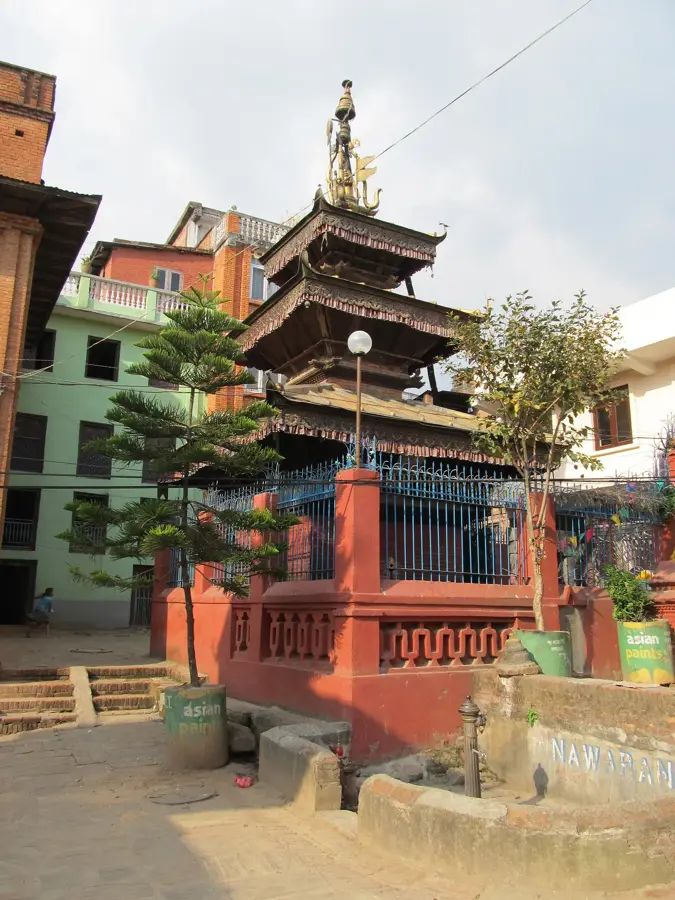
Devi Mandir🏺 historical

A religious monument honoring the various forms of the goddess Devi.

Pashupati Bhandareshore🏺 historical

A historical shrine part of the extended Pashupatinath temple complex.

S.K Band Baja🎭 culture

A cultural centre preserving the tradition of Nepalese band music.

Ganesthan⛪ religious

A small roadside shrine visited for the blessings of Lord Ganesha.

Planet Musical🎭 culture

A musical centre offering lessons for classical Nepalese instruments.

Pingala Bihar⛪ religious

An ancient Buddhist monastery located near the Bagmati River.

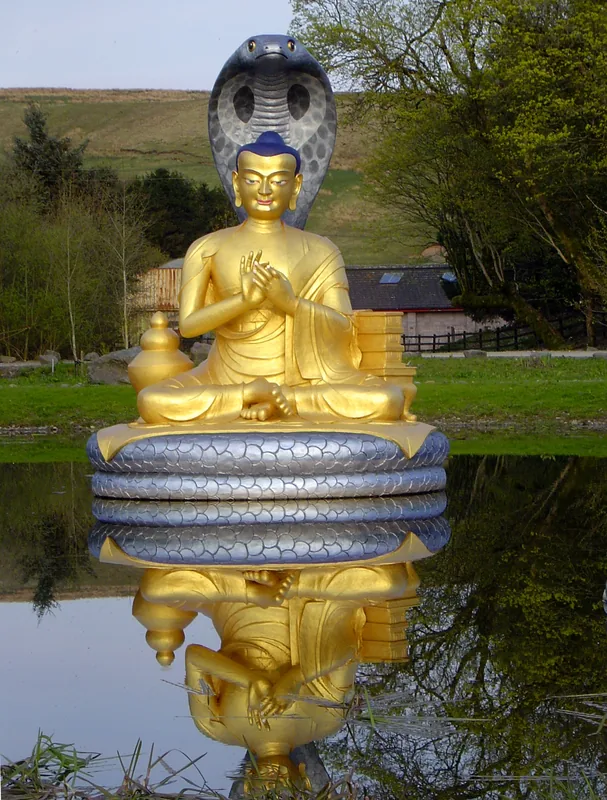
Cave of Naropa⛪ religious

A sacred meditation cave associated with the Buddhist master Naropa.

KK Mart🎭 culture

A modern retail mart serving local needs in the Pashupatinath district.

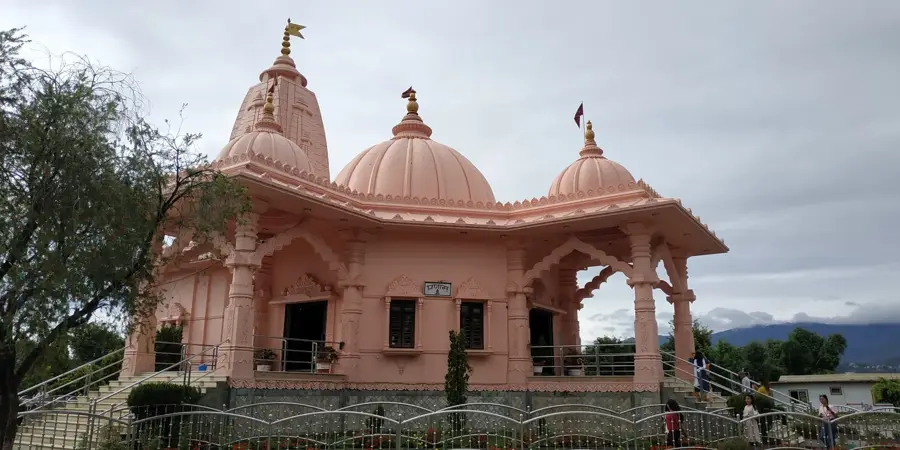
Radha Krishna Mandir📍 landmark

A Hindu temple dedicated to Radha and Krishna, notable for its ornate Shikhara-style stone carvings.

kaatyaaynii mndir📍 landmark

A local Hindu shrine dedicated to the goddess Katyayani, frequently visited by devotees for morning prayers.

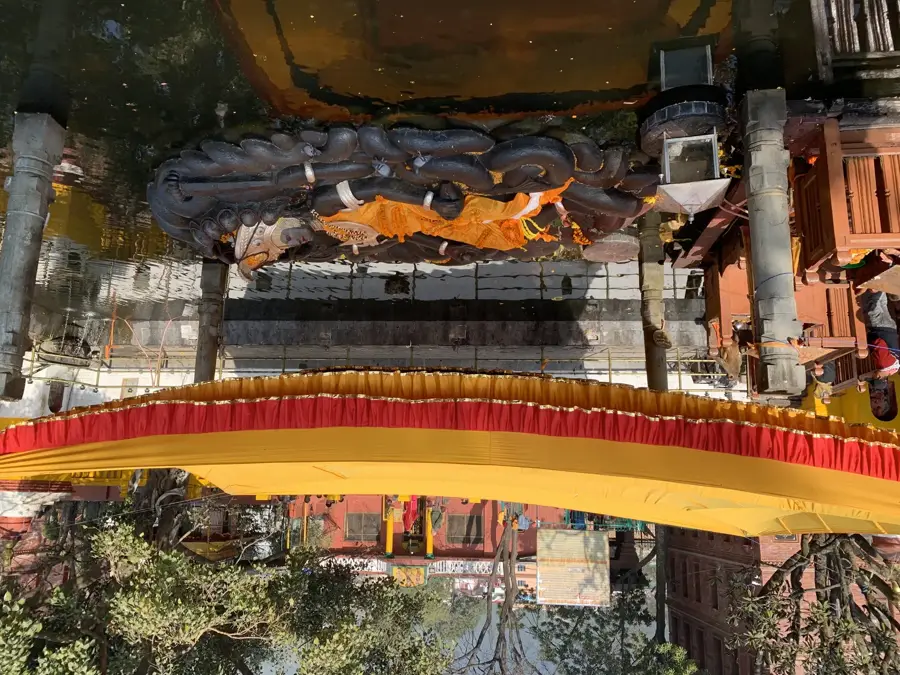
Nag Dewata📍 landmark

A religious site dedicated to snake deities, featuring a vermilion-covered Nag Dewata stone statue.

Sights nearby

Frequently asked questions

Is the temple accessible to non-Hindus?
Non-Hindus may not enter the main temple, but they can visit the grounds.
What should one keep in mind regarding cremations?
Please behave respectfully and take photos discreetly.
When do ceremonies take place?
Ritual prayers and cremations take place daily.
How much time should one plan for the visit?
Plan for about 2 hours for the tour.
Is a guide necessary?
Highly recommended to understand the complex rituals.
Pashupatinath Temple: where is it located?
Pashupatinath Temple is located in Nepal.
Pashupatinath Temple: what is there to see?
Highlights include Milan Chowk, Devi Mandir, Pashupati Bhandareshore.
Pashupatinath Temple: when is the best time to visit?
The most pleasant time to visit is Mar, Apr, Oct.
Pashupatinath Temple: why is it worth visiting?

Pashupatinath Temple is a vast Hindu temple complex situated on the banks of the Bagmati River in Kathmandu, designated as a UNESCO World Heritage Site in 1979.
View on map → The Top 50 Attractions → OpenStreetMap →
Asia
Explore with Plizio Discover more places in Asia
More places in Nepal →

Nearby cities

More places