Plizio Visual Lab

Dancu Burial Mounds

Plizio editorial teamData Sources
battlefield
—°
Dancu Burial Mounds (Moldova)

Weather…

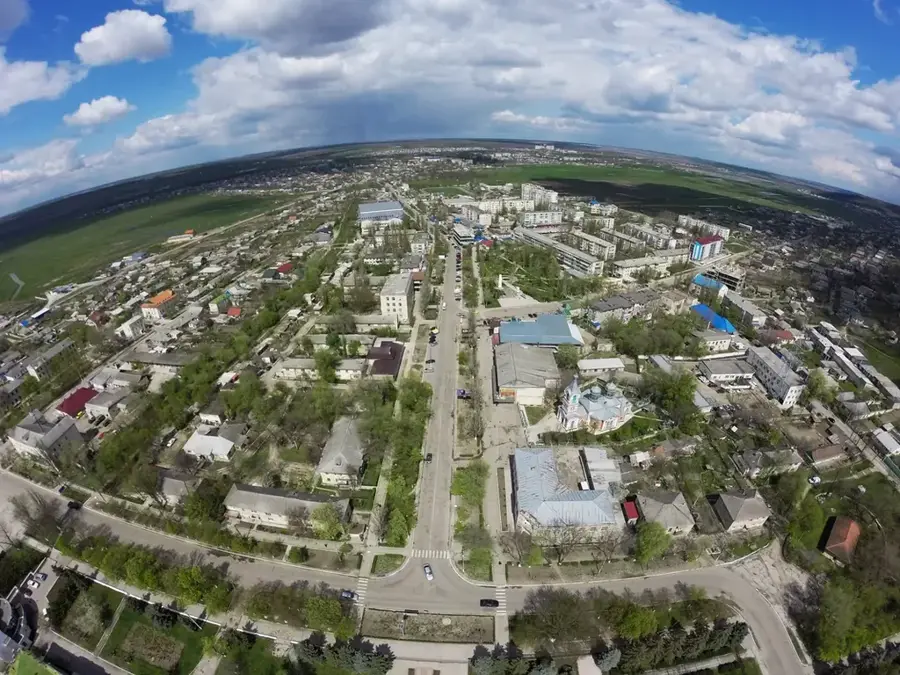
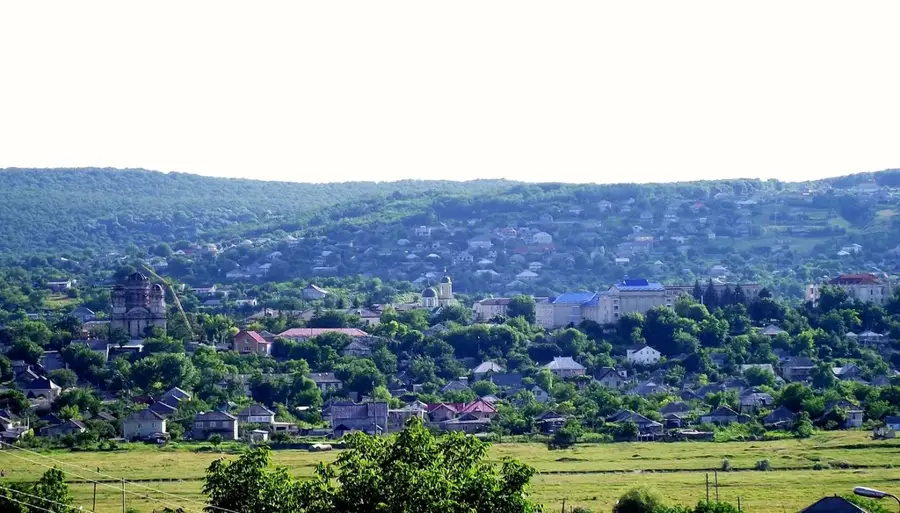
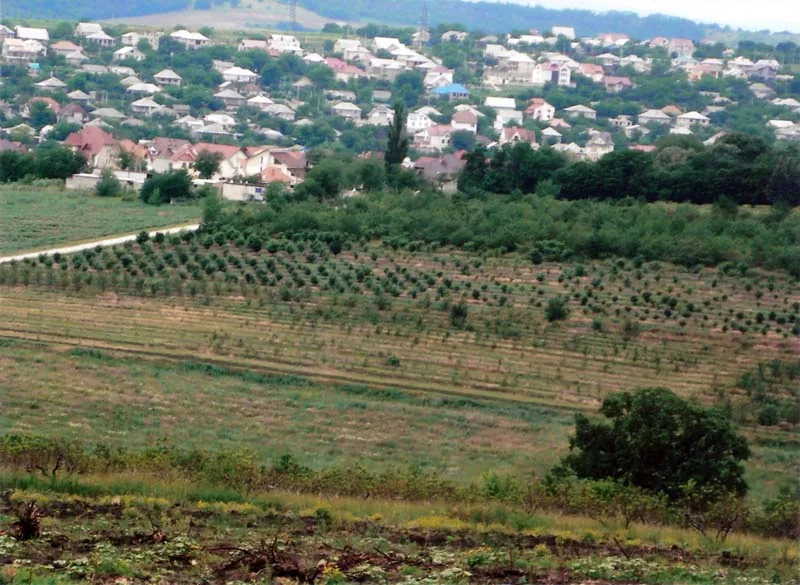
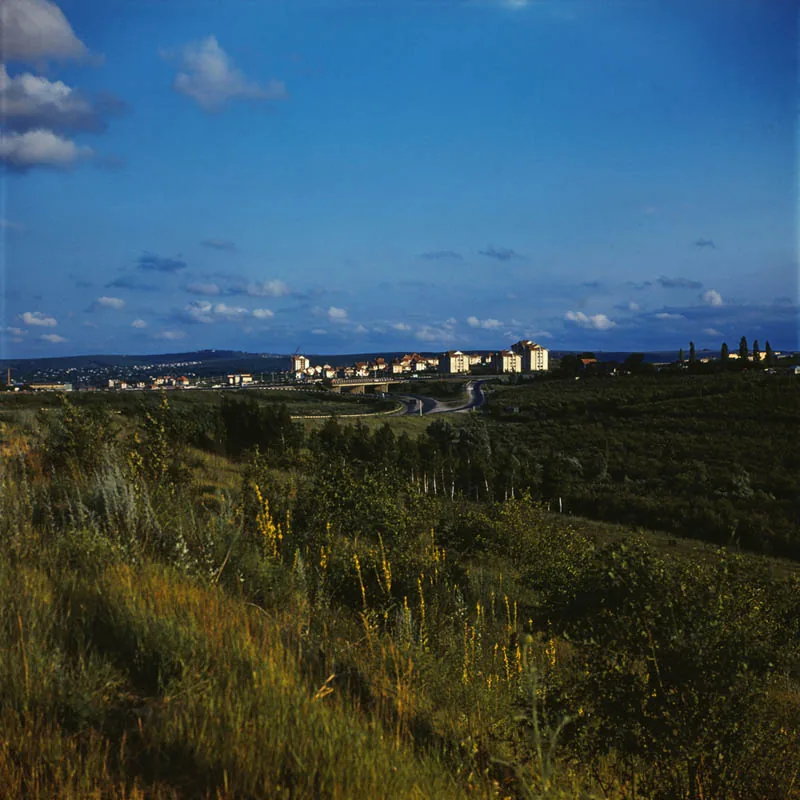
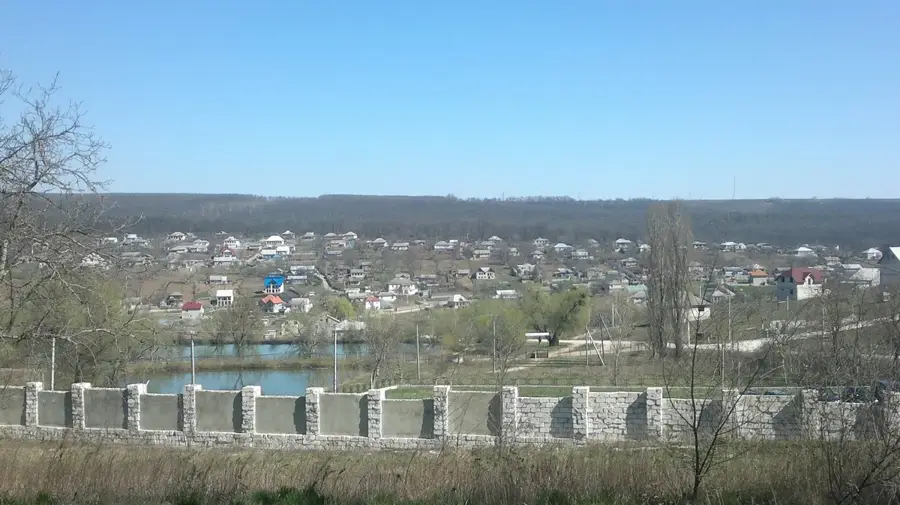
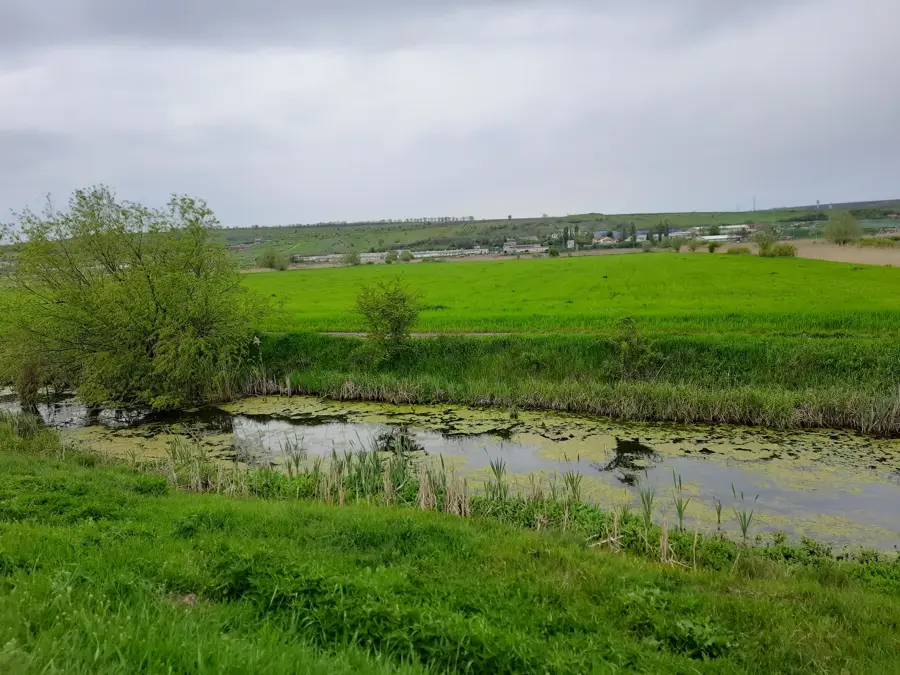
The Dancu burial mounds, located in the Hîncești district, are significant archaeological landmarks representing the funerary traditions of nomadic tribes in Eastern Europe. These mounds, or kurgans, date back primarily to the Bronze and Early Iron Ages and are attributed to groups such as the Scythians and Sarmatians. Constructed as artificial hills over the burial chambers of tribal elite and warriors, they often contain elaborate grave goods including bronze weapons, gold jewelry, and imported pottery. Excavations at Dancu have provided valuable insights into ancient social hierarchies and migratory patterns across the Eurasian steppes. Standing as prominent features in the Hîncești landscape, these burial mounds offer a glimpse into the millennia-old history of cultural exchanges between nomadic and sedentary populations.

Best time to visit & climate

The most pleasant time to visit is Jun, Aug, Sep.

JanFebMarAprMayJunJulAugSepOctNovDec
Avg °C-4-24101721242418104-2
Rain mm413338405270613639464240

📋 Practical info

🚪
Visiting
These ancient earthwork structures are set in natural outdoor surroundings and can generally be approached and observed freely by hiking through the landscape at any time. Visitors must tread carefully and avoid climbing directly on the mounds to prevent erosion and preserve the prehistoric integrity.
🕒
Typical hours
There are usually no designated opening or closing times for this open archaeological site, making it continuously accessible from early dawn until late dusk. It is highly recommended to plan your exploration during daylight hours for safety and to fully appreciate the terrain.
📷
Photography
Landscape photography is actively encouraged, and the subtle variations in elevation of the burial mounds are often best captured during the golden hours of sunrise or sunset when the long shadows define their shapes. Drones might be subject to local regulations, so verify beforehand if you plan aerial shots.
⏱️
Time needed
A typical stop lasts between thirty minutes and a full hour, which provides sufficient time to walk amongst the fascinating ancient topography and read any sporadic informational signs. True history enthusiasts might linger longer to study the landscape formation.
Combine with
Combine this prehistoric excursion with a drive through the traditional villages of the surrounding district, where you can observe authentic rural architecture and perhaps purchase fresh produce from local farmers. The tranquil nature of the area pairs well with nearby rustic monasteries.
🧭
Getting there
Access is predominantly via unpaved country roads that might become challenging to navigate after heavy rainfall, making a robust vehicle or a short hike from the nearest solid road necessary. Utilizing a reliable GPS application with offline maps downloaded is crucial for finding the unmarked location.
💡
Insider tip
Since the site is practically untouched and completely lacks commercial tourist infrastructure, bring adequate supplies like insect repellent, sturdy walking boots, and enough drinking water. Familiarizing yourself with the historical context online beforehand will significantly enhance your appreciation of the mounds.

Geography

Coordinates
46.91240, 28.45210

Facts

  • The oldest mounds at Dancu date back to the 3rd millennium BC (Middle Bronze Age).
  • Scythian-era finds at the site include distinctive animal-style bronze plaques.
  • Burial chambers were often constructed using oak beams or stone slabs.
  • Excavations have revealed that some mounds were reused for burials over several centuries.
  • The mounds are strategically located on elevated ridges for maximum visibility.
  • Ceramic vessels found in the mounds show links to the Greek colonies of the Black Sea.

Explore nearby

Notable places around
Route planner — Car & Motorhome

Where do you start? We build the route here, with stops and country notes along the way.

Vehicle
Only stops with (optional):

© OpenStreetMap contributors · OpenRouteService

Sights nearby

Frequently asked questions

What are the Dancu burial mounds?
They are ancient burial mounds, likely originating from nomadic peoples like the Scythians or Sarmatians.
Where are these mounds found?
Near the village of Dancu, in the Hîncești district.
Are you allowed to climb the mounds?
Out of respect for the site and for its protection, you should stay on the paths.
Were treasures found there?
Archaeologists have found jewelry and weapons in similar kurgans, now exhibited in museums in Chișinău.
How old are the graves?
Most date from the Iron Age, roughly from the 1st millennium BC.
Dancu Burial Mounds: where is it located?
Dancu Burial Mounds is located in Moldova.
Dancu Burial Mounds: when is the best time to visit?
The most pleasant time to visit is Jun, Aug, Sep.
Dancu Burial Mounds: why is it worth visiting?

The Dancu burial mounds, located in the Hîncești district, are significant archaeological landmarks representing the funerary traditions of nomadic tribes in Eastern Europe.
View on map → The Top 50 Attractions → OpenStreetMap →
Europe
Explore with Plizio Discover more places in Europe
More places in Moldova →

Nearby cities

History & landmarks

Nature

More places