Plizio Visual Lab
Hincesti Forest
Weather…
Water temperature…
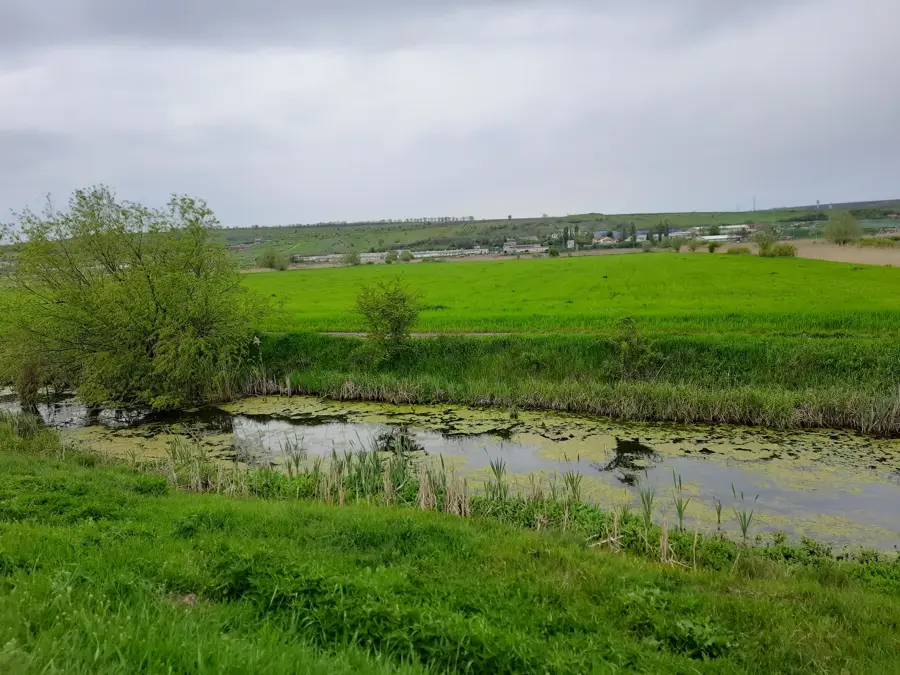
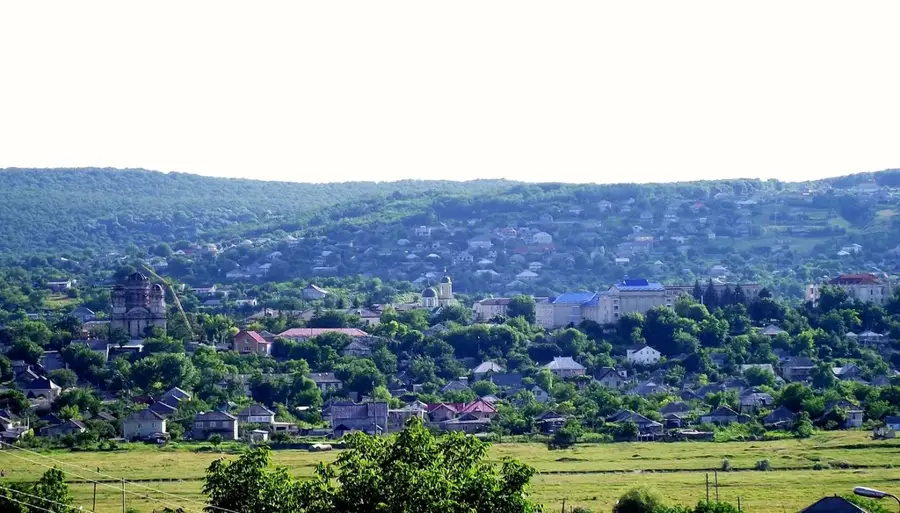
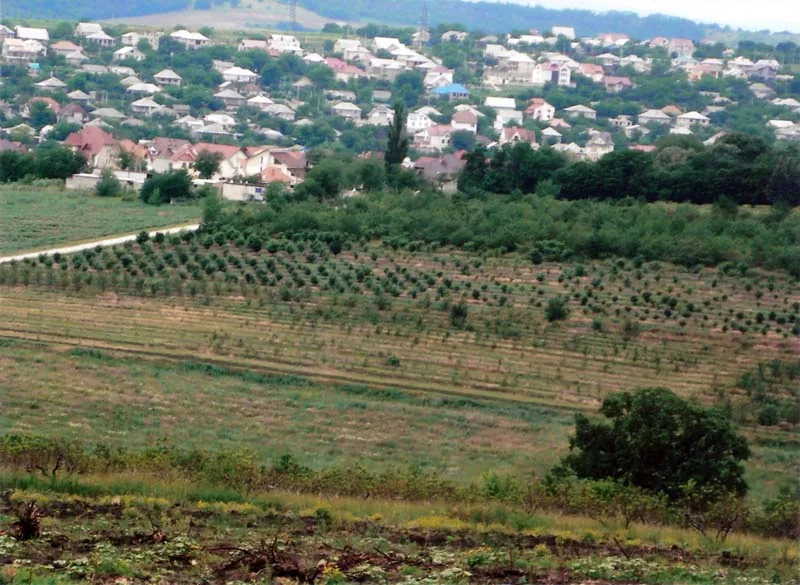
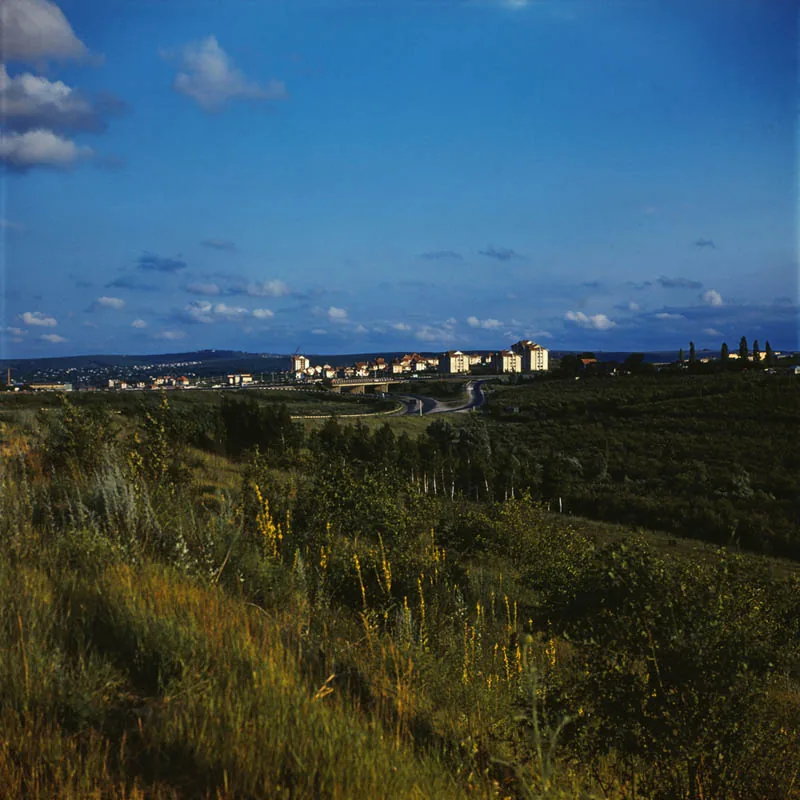
The Hîncești Forest, often recognized as part of the central Codri massif, is an extensive landscape reserve located southwest of Moldova's capital. Covering an area of over 4,400 hectares, this protected territory is renowned for its impressive stands of ancient oaks and beeches, which represent the original vegetation of the region. The terrain is defined by complex topography, featuring deep valleys and steep slopes that create various microclimates supporting rare plant species. The fauna within the Hîncești Forest is exceptionally rich; in addition to roe deer and stags, it is home to wild boars, foxes, and numerous birds of prey. Historically, these woods were part of the defense landscapes and hunting grounds of the Moldovan nobility. Today, the area is dedicated to nature conservation and scientific research on Southeast European forest ecosystems. Visitors can explore designated hiking trails for recreation, provided they adhere to strict conservation rules. Preserving this forest massif is essential for the ecological balance and water regulation in the Hîncești district.
- Location: Moldova
- Nearby: Ialoveni (20 km)
Best time to visit & climate
The most pleasant time to visit is Jun, Aug, Sep.
| Jan | Feb | Mar | Apr | May | Jun | Jul | Aug | Sep | Oct | Nov | Dec | |
|---|---|---|---|---|---|---|---|---|---|---|---|---|
| Avg °C | -4 | -2 | 4 | 10 | 17 | 21 | 24 | 24 | 18 | 10 | 4 | -2 |
| Rain mm | 41 | 33 | 38 | 40 | 52 | 70 | 61 | 36 | 39 | 46 | 42 | 40 |
📋 Practical info
Geography
Facts
- The protected area covers a total of approximately 4,400 hectares.
- The forest is situated in the southern part of the Moldovan Codri region.
- It hosts a significant population of red deer and roe deer.
- Rare orchid species and protected ferns grow within the reserve.
- The forest protects the town of Hîncești from soil erosion and flash floods.
- The highest elevations within the forest reach over 300 meters above sea level.
Explore nearby
Notable places around

Route planner — Car & Motorhome
Where do you start? We build the route here, with stops and country notes along the way.
© OpenStreetMap contributors · OpenRouteService
Sights nearby
Frequently asked questions
Is the forest close to the Manuc Bey estate?
Are there recreational areas there?
Which tree species dominate?
Are the forest roads suitable for bicycles?
Can you go birdwatching there?
Hincesti Forest: where is it located?
Hincesti Forest: when is the best time to visit?
Hincesti Forest: why is it worth visiting?

Nearby cities

History & landmarks

More places