Plizio Visual Lab

Botna Valley
Plizio editorial teamData Sources
valley
—°
Botna Valley (Moldova)

Weather…

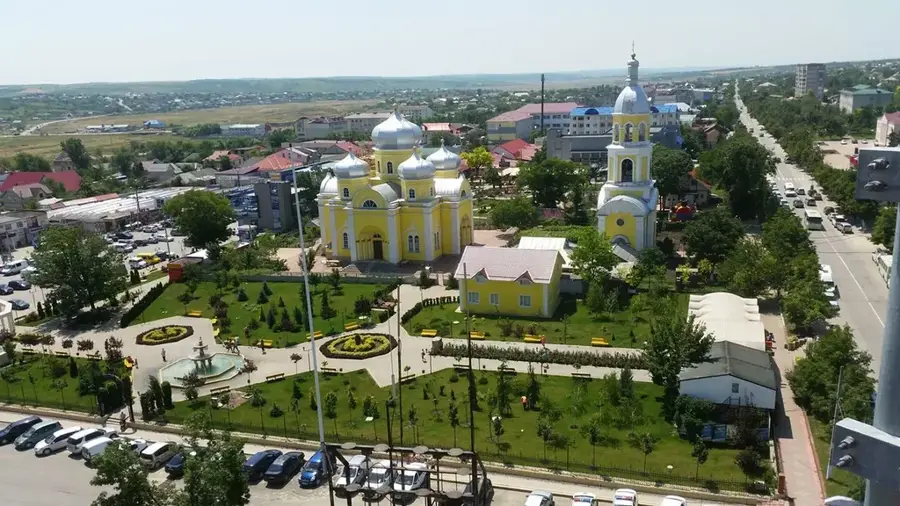
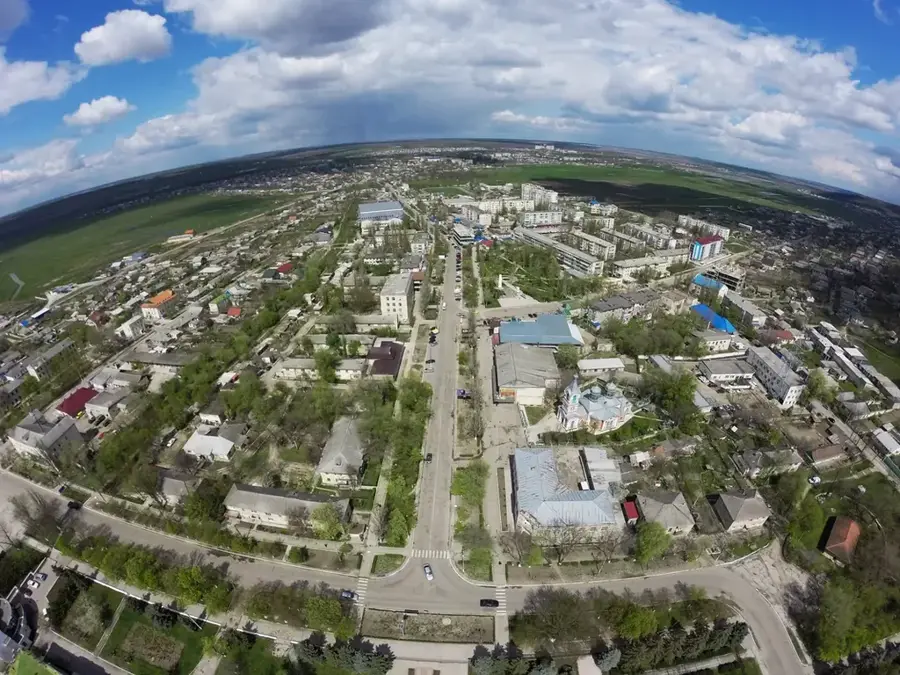
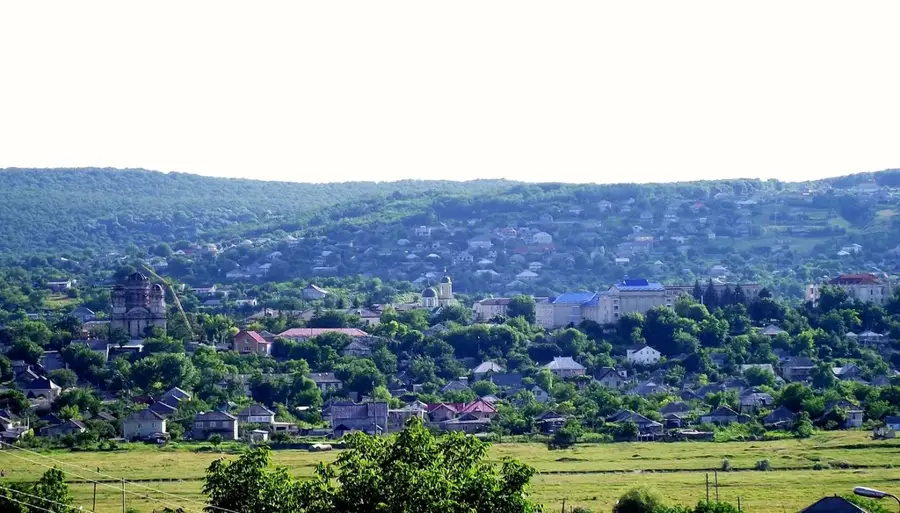
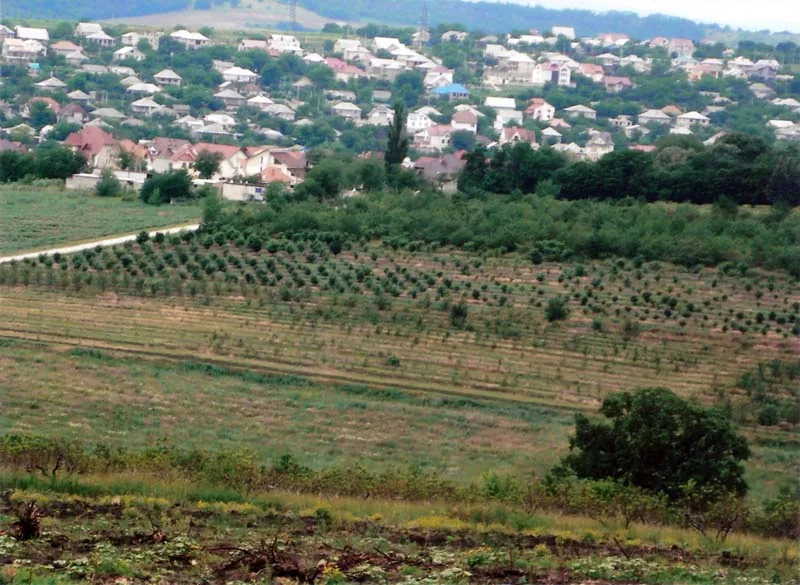
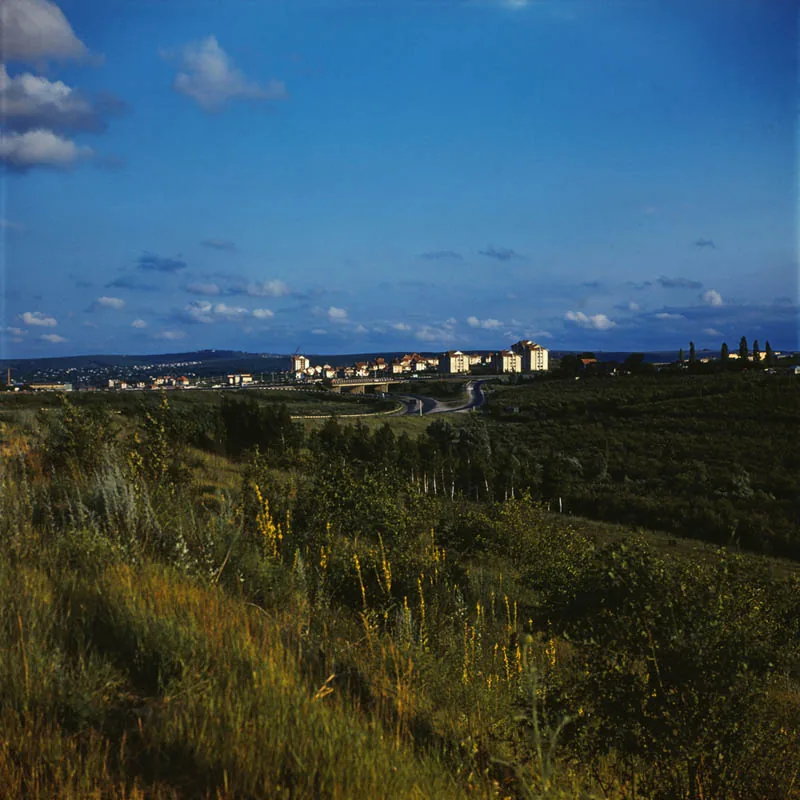
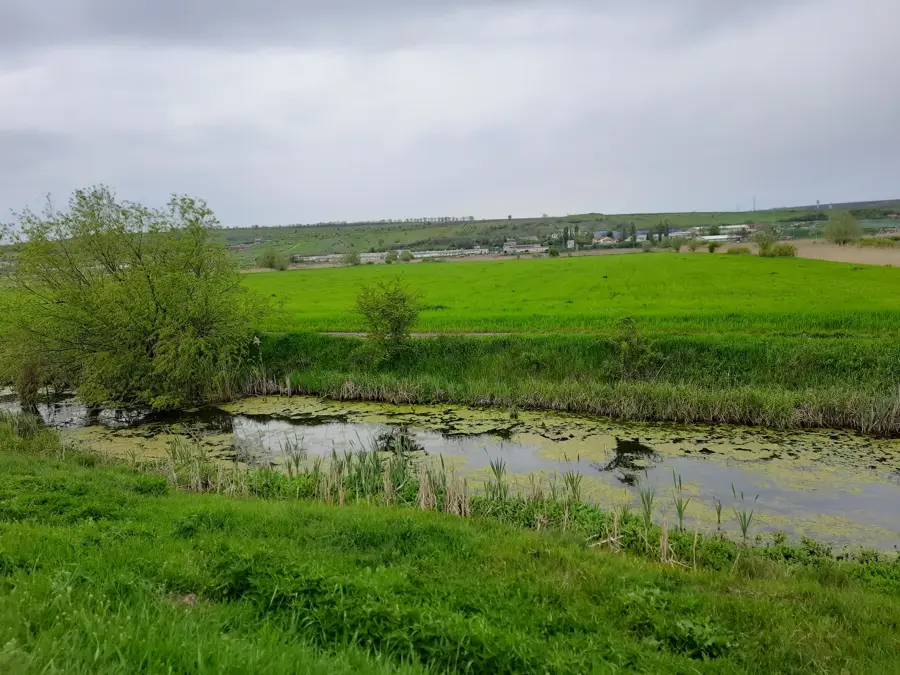
The Botna Valley is a significant geographical region in the south-central part of Moldova, shaped by the course of the Botna River, a right tributary of the Dniester. With a length of about 152 kilometers, the Botna has carved an extensive valley through the hilly landscape of the Central Moldavian Plateau. The relief is characterized by gentle slopes and wide river terraces, which are intensively used for viticulture and agriculture. Geologically, the substrate consists mainly of Miocene deposits such as clay, sand, and limestone, covered by fertile chernozem soils. In its lower reaches, the valley widens significantly, transitioning into the steppe landscape of southern Moldova. Historically, the Botna Valley was a vital settlement area, as evidenced by numerous archaeological sites from various eras, ranging from the Cucuteni-Trypillia culture to the Middle Ages. The region is now known for its photogenic villages and traditional wine production.

Best time to visit & climate

The most pleasant time to visit is Jun, Aug, Sep.

JanFebMarAprMayJunJulAugSepOctNovDec
Avg °C-4-24101721242418104-2
Rain mm413338405270613639464240

📋 Practical info

🧭
Getting there
The fertile valley is absolutely easily reached via the well-developed main roads that stretch directly from the Codru Highlands down towards the Dniester. Start your scenic journey best in the larger, nearby towns or drive straight into the midst of the vast, neat vineyards.
📅
Best season
Early autumn is truly absolutely spectacular in this wide valley due to the exceedingly busy grape harvest and the dramatically changing colors of nature. Mild spring and summer, on the other hand, offer very warm, consistently pleasant days for the carefree exploration of the endless, gentle slopes.
⛰️
Terrain & paths
The open landscape consists almost exclusively of very wide, elegantly sweeping plains gently bordered by soft hills growing fine vineyards and fields. The paths are generally extremely simple, strikingly flat dirt tracks or paved, very small country roads.
🎒
What to bring
Normal, comfortable walking shoes or solid leisure footwear are absolutely good for the long but effortless walks on the unpaved, soft tracks. A good sun hat, fresh water, and perhaps a camera to capture the truly incredible vastness of the viticultural landscape are highly recommended.
🅿️
Parking
The vast majority of small villages in the valley offer completely informal but safe parking spaces near the quiet main squares or the traditional local wineries. Simple roadside parking is extremely common and tolerated, just ensure that the important access roads to the farms always remain clear.
⚠️
Safety
This is overall an extremely quiet, heavily agricultural region with no notable or treacherous natural dangers for the normal hiker. Pay close attention, however, to the sometimes very large agricultural machinery that can be driving on the narrow country roads during the peak harvest season.
⏱️
Time needed
The relaxed drive through the beautiful valley is a very scenic, entertaining activity that often takes only about an hour without stops. If you stop extensively, however, to take a walk between the vines or visit a local, historic winery, you should definitely allocate at least half a day.

Geography

Coordinates
46.80000, 28.70000

Facts

  • The Botna River measures 152 kilometers in length with a 1,540 km² basin.
  • The valley spans across the Ialoveni, Strășeni, and Căușeni districts.
  • Significant Cucuteni-Trypillia artifacts have been excavated in the valley.
  • The regional soil is predominantly fertile leached chernozem.
  • The average slope inclination varies between 3 and 8 degrees.
  • Multiple small reservoirs were built along the Botna for local agriculture.

Explore nearby

Notable places around
Route planner — Car & Motorhome

Where do you start? We build the route here, with stops and country notes along the way.

Vehicle
Only stops with (optional):

© OpenStreetMap contributors · OpenRouteService

Sights nearby

Frequently asked questions

What is the Botna Valley?
It is a long valley in central Moldova, formed by the Botna River, a tributary of the Nistru.
Are there historical monasteries there?
Near the valley lies Căpriana Monastery, one of the country's oldest and most important.
What landforms dominate?
The valley is characterized by gentle hills, forests (Codri), and extensive pastures.
Is the valley suitable for day trips?
Yes, starting from Chișinău, it is a good location for nature outings and picnics.
Is wine produced in the valley?
Yes, as almost everywhere in Moldova, there are numerous vineyards and local wineries.
Botna Valley: where is it located?
Botna Valley is located in Moldova.
Botna Valley: when is the best time to visit?
The most pleasant time to visit is Jun, Aug, Sep.
Botna Valley: why is it worth visiting?

The Botna Valley is a significant geographical region in the south-central part of Moldova, shaped by the course of the Botna River, a right tributary of the Dniester.
View on map → The Top 50 Attractions → OpenStreetMap →
Europe
Explore with Plizio Discover more places in Europe
More places in Moldova →

Nearby cities

History & landmarks
Nature

More places