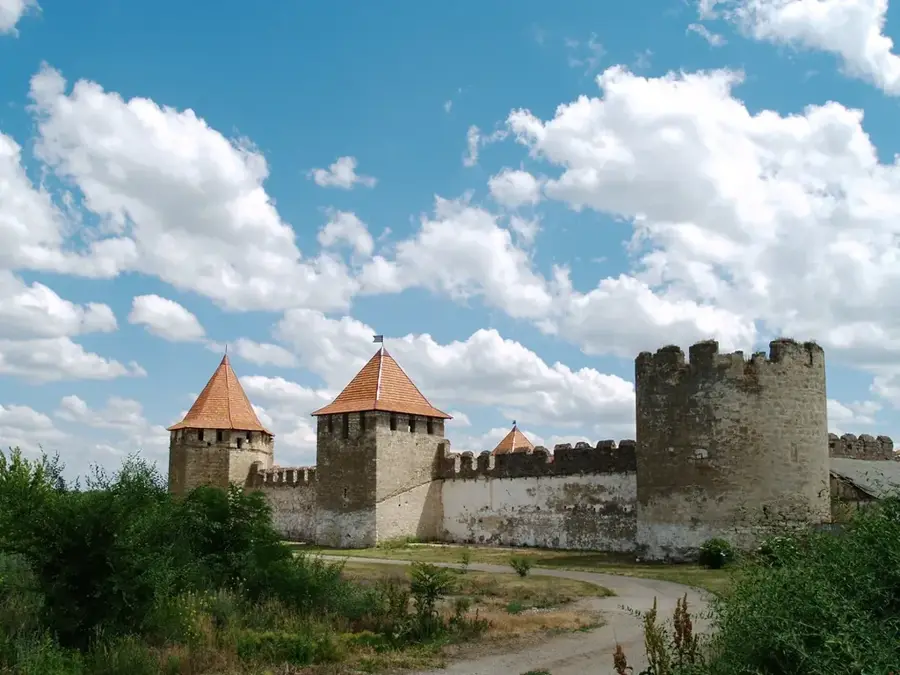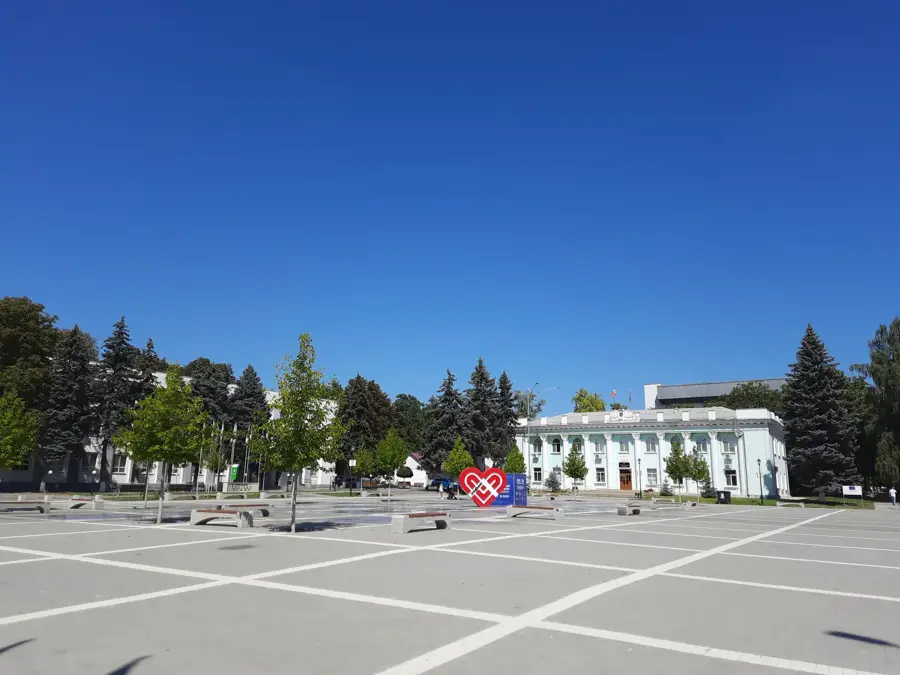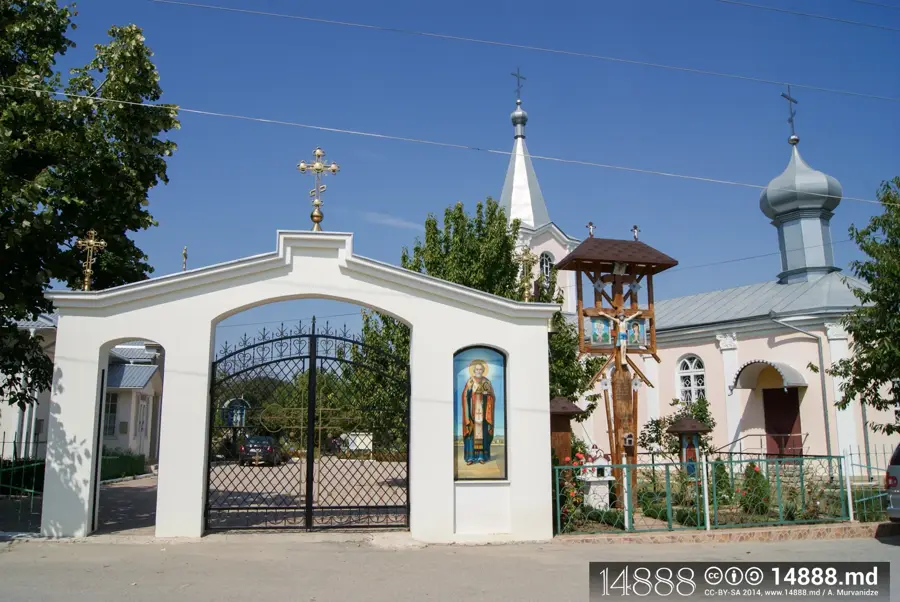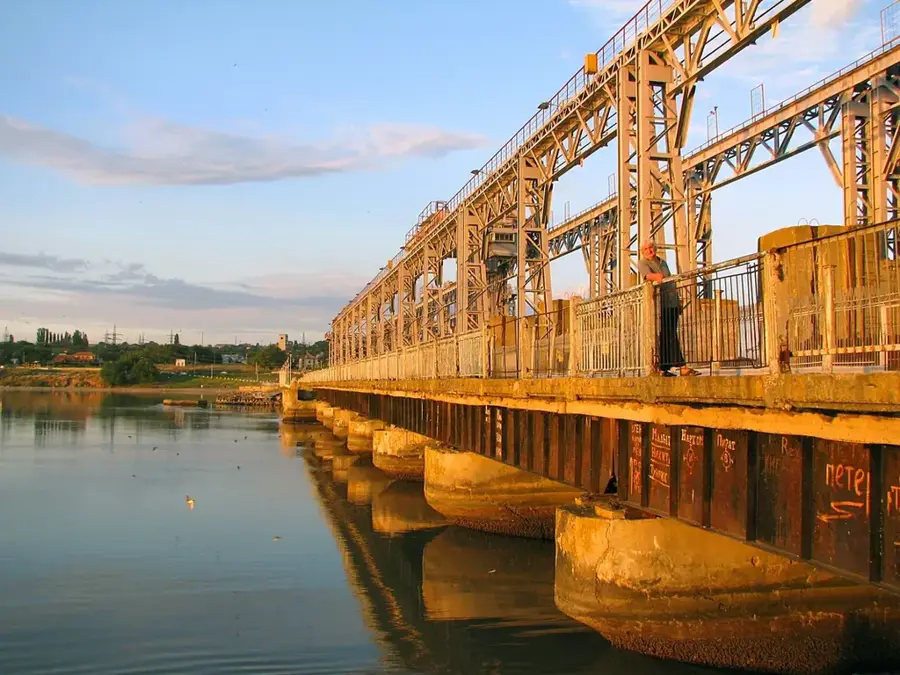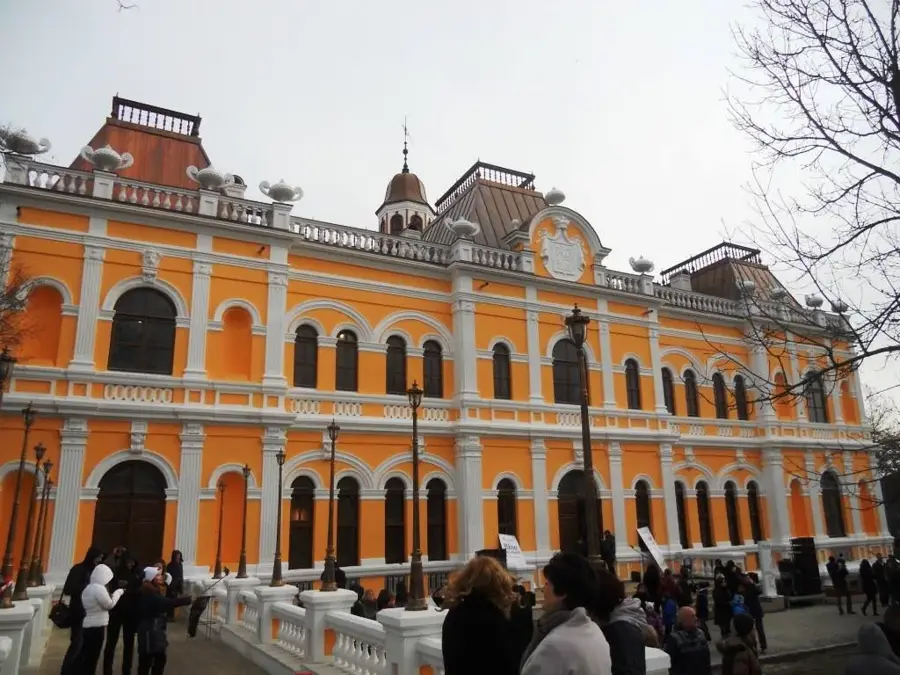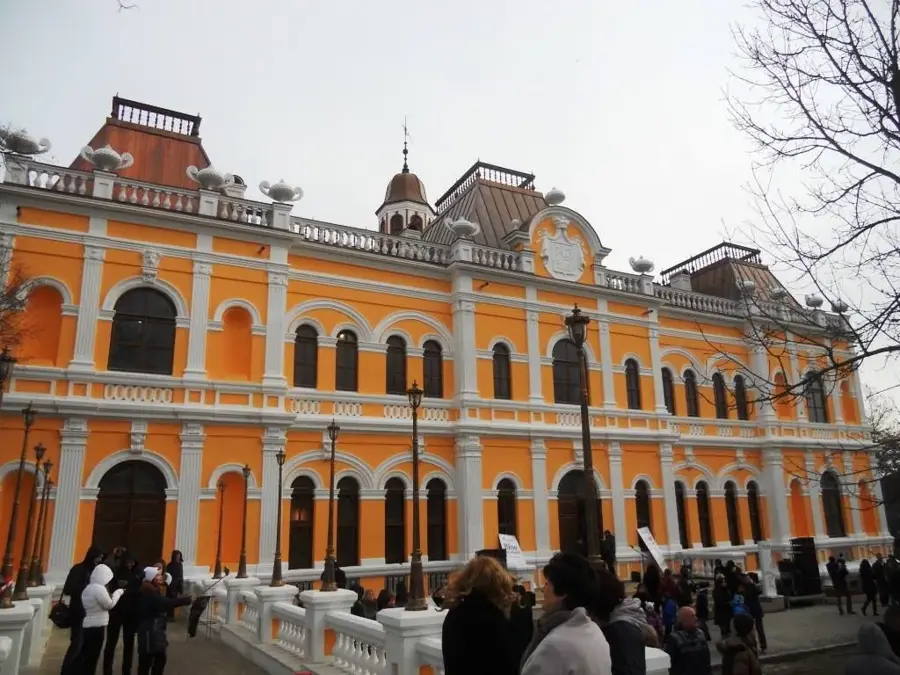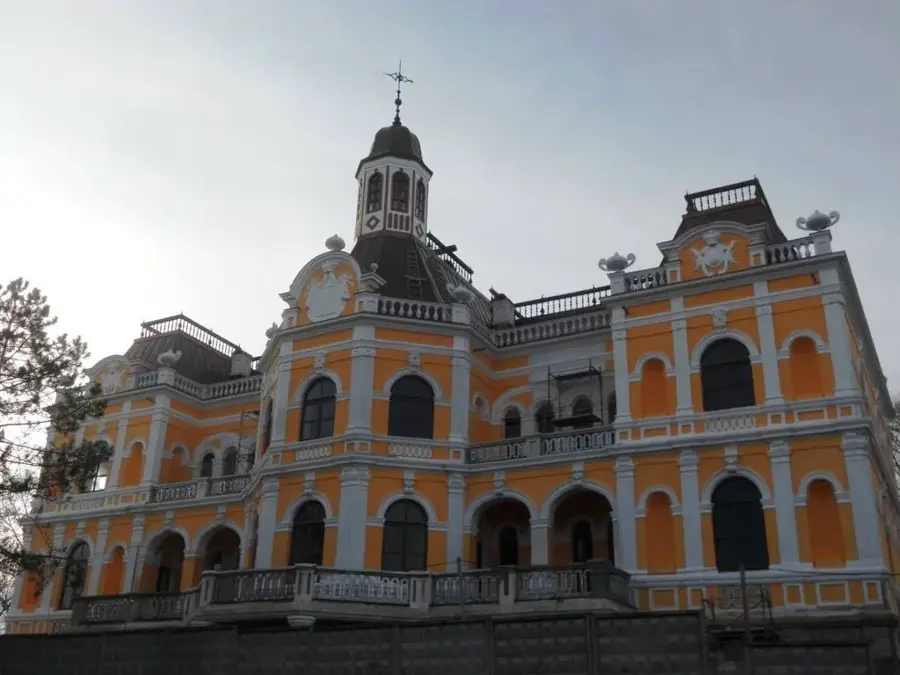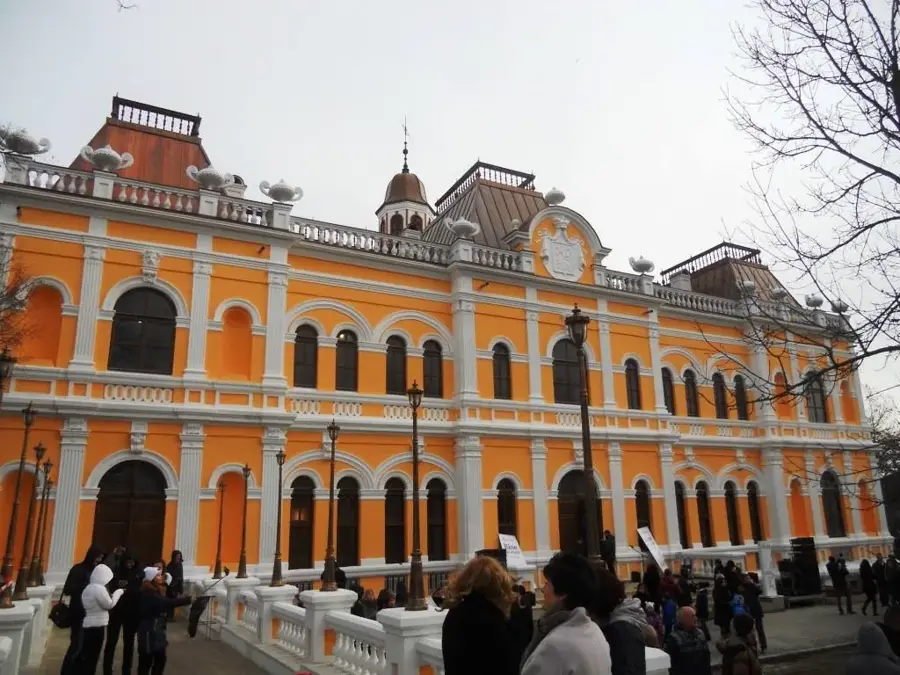

Mansion of Manuc Bey🏛 museum
Historical and architectural monument of national importance in Moldova.
🌐 manucbey.md🕒 Tu-Su 08:00-17:00
Plizio Visual Lab
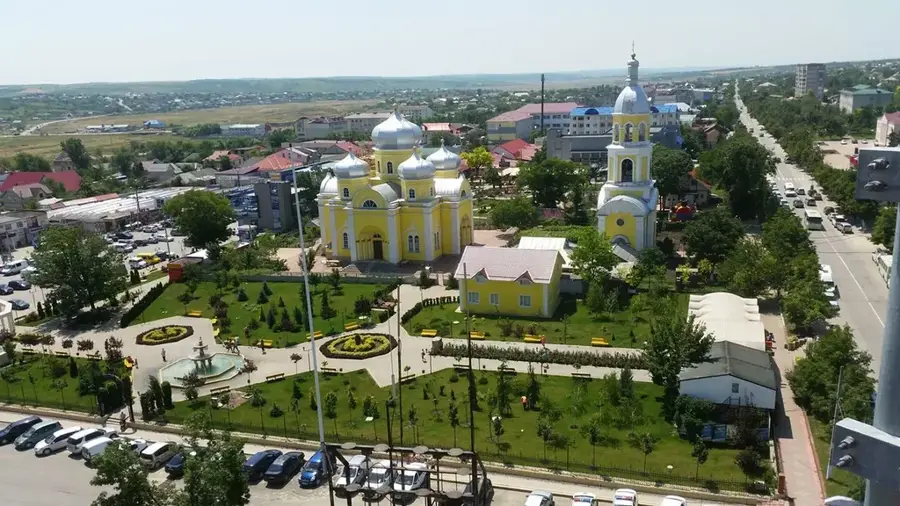
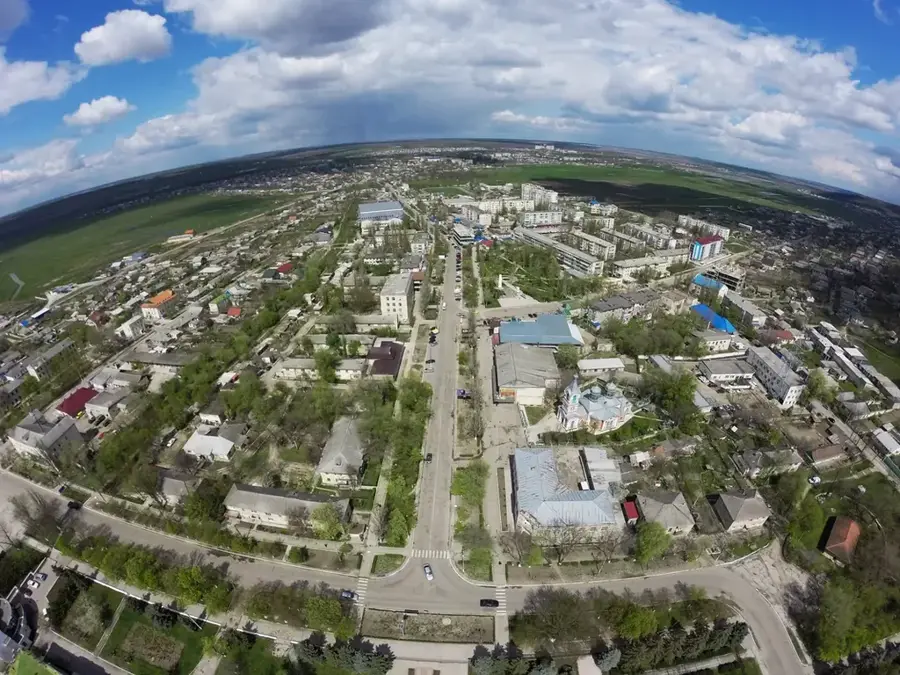
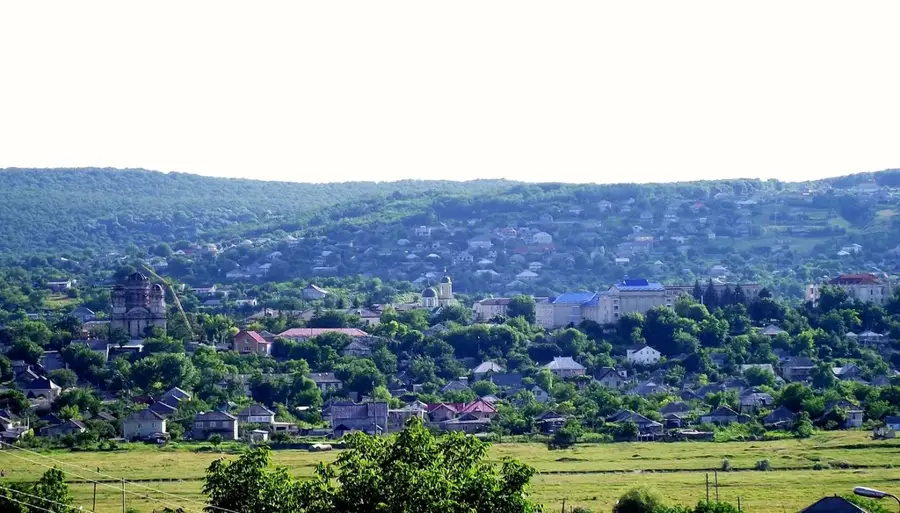
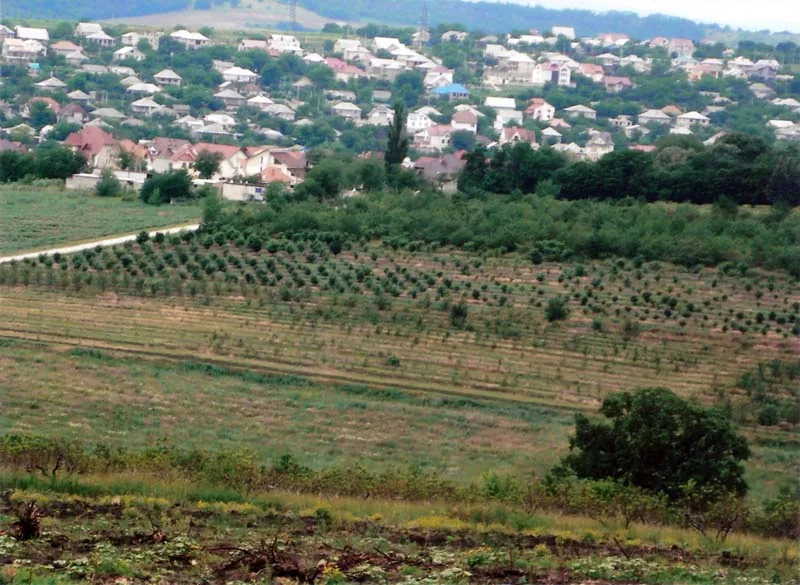
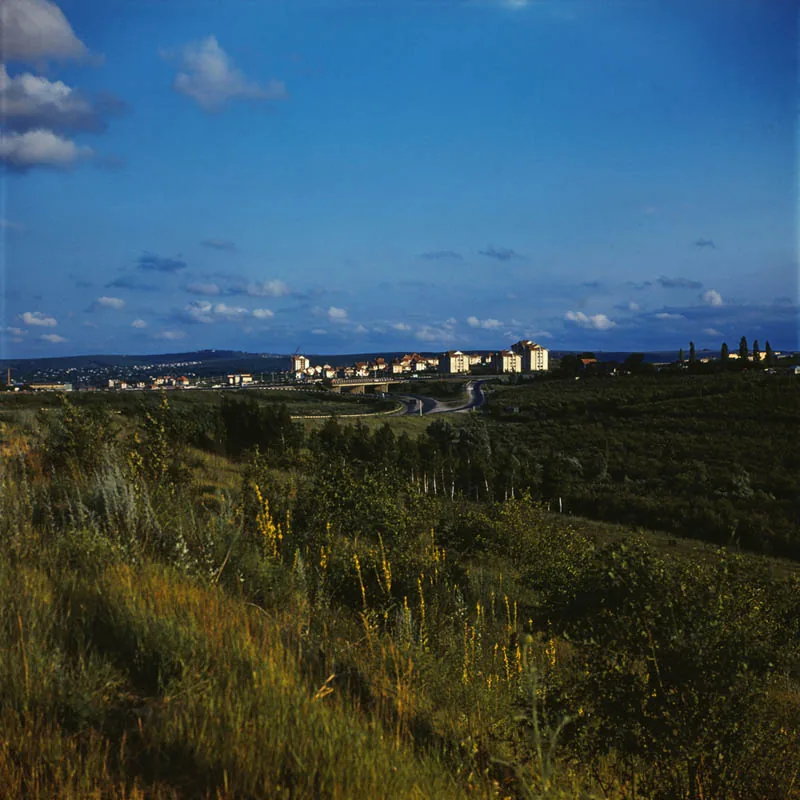
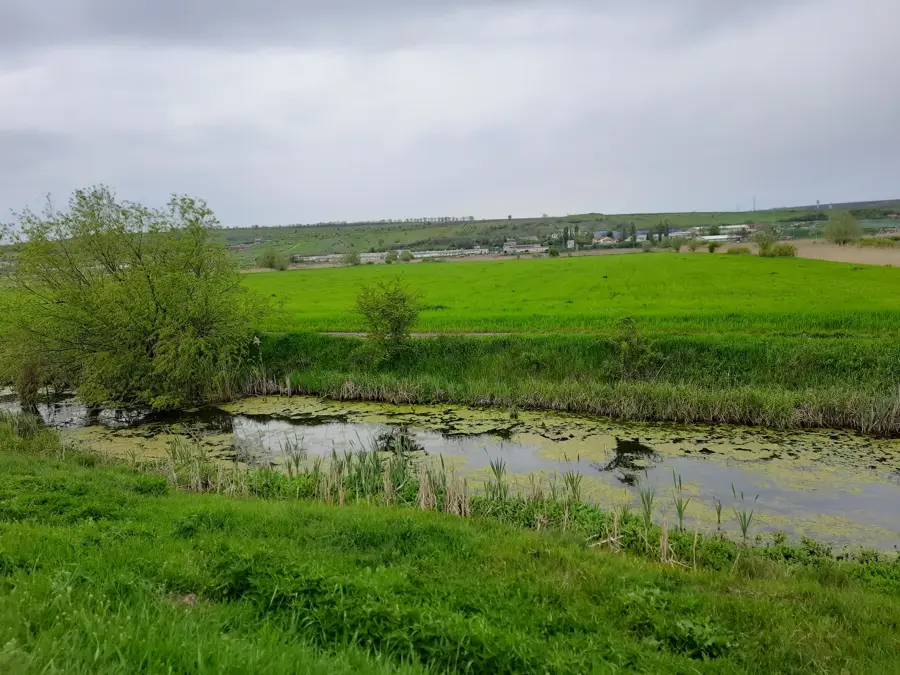
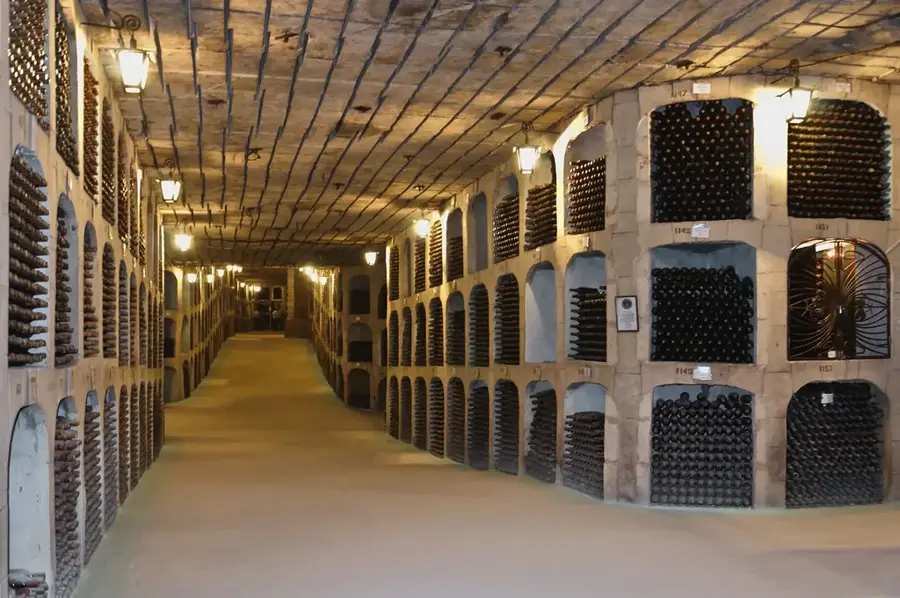
The Hincesti Hills form an important transition zone between the densely forested Central Moldavian Plateau and the more open Southern Moldavian Plain. The relief is characterized by gently undulating ridges and broad river valleys, primarily shaped by the Cogalnic River and its network of tributaries. The soils in this region are among the most fertile chernozems (black earth) in the country, making the Hincesti Hills a significant agricultural hub. In addition to grain production, the region is highly regarded for its excellent winemaking, which benefits from a milder climate compared to the northern districts. Geologically, the hills are dominated by mineral-rich Neogene sediments that support lush vegetation. Historically, the region is closely tied to the Lazo family and the famous Manuc Bey estate, which serves as a striking architectural landmark of the area. These hills also provide vital ecological corridors for local wildlife, moving between the remaining forest patches and the agricultural steppe zones.
The most pleasant time to visit is Jun, Aug, Sep.
| Jan | Feb | Mar | Apr | May | Jun | Jul | Aug | Sep | Oct | Nov | Dec | |
|---|---|---|---|---|---|---|---|---|---|---|---|---|
| Avg °C | -4 | -2 | 4 | 10 | 17 | 21 | 24 | 24 | 18 | 10 | 4 | -2 |
| Rain mm | 41 | 33 | 38 | 40 | 52 | 70 | 61 | 36 | 39 | 46 | 42 | 40 |
Notable places around
Where do you start? We build the route here, with stops and country notes along the way.
© OpenStreetMap contributors · OpenRouteService
Historical and architectural monument of national importance in Moldova.
Swimming pool in Hîncești, with pool and sunbathing area.