Plizio Visual Lab

Yela Ka Forest
Plizio editorial teamData Sources
Forest
—°
Yela Ka Forest (Micronesia)

Weather…

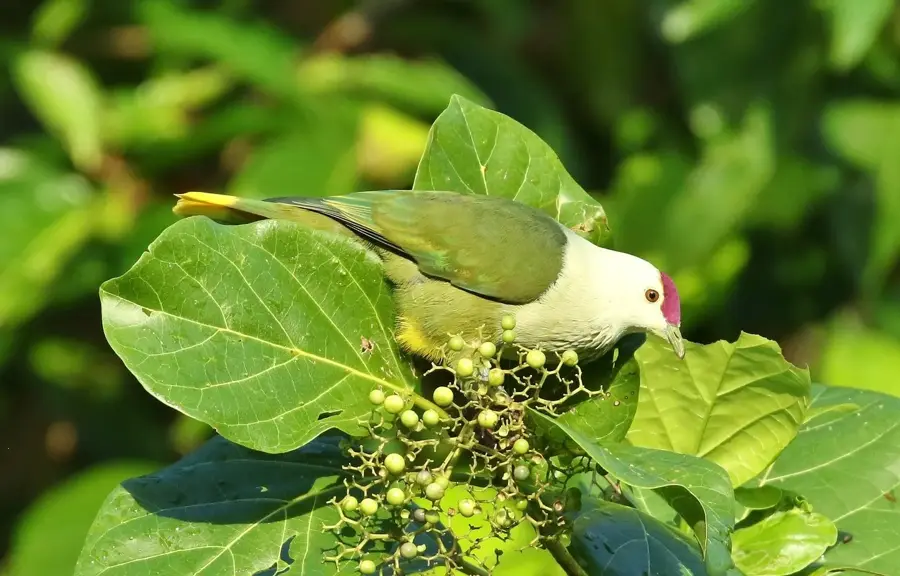
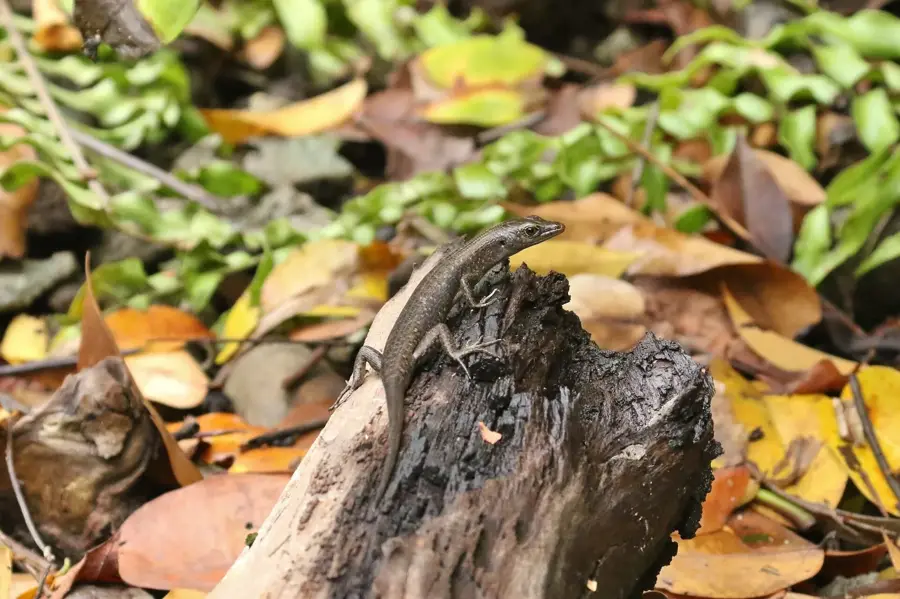
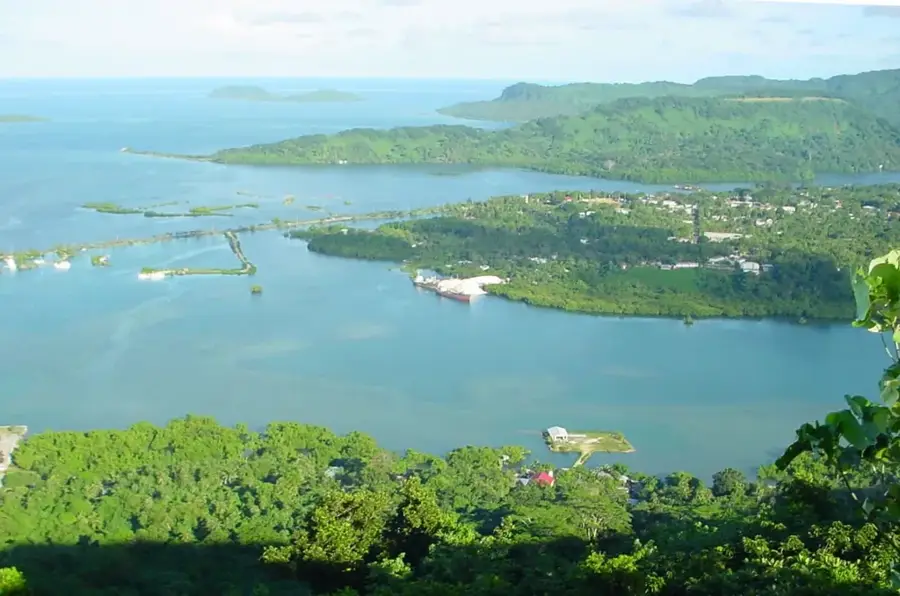
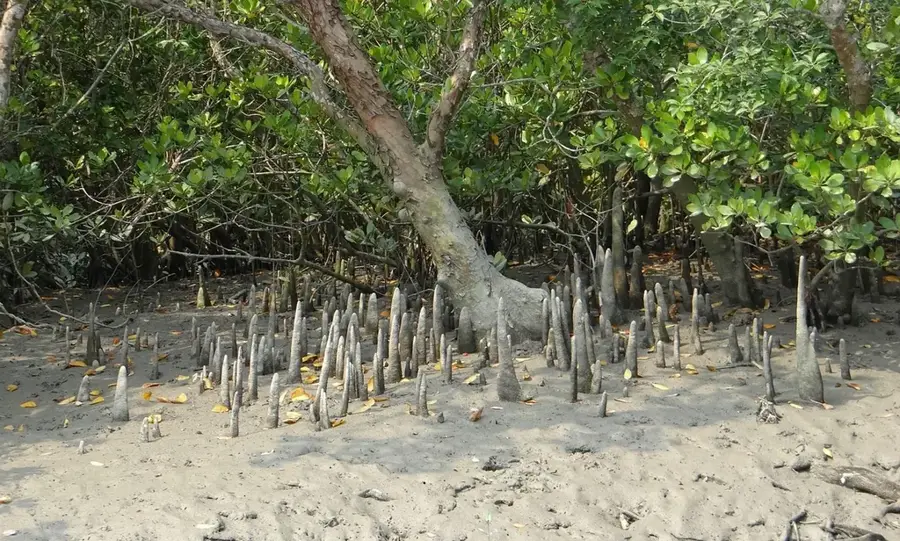
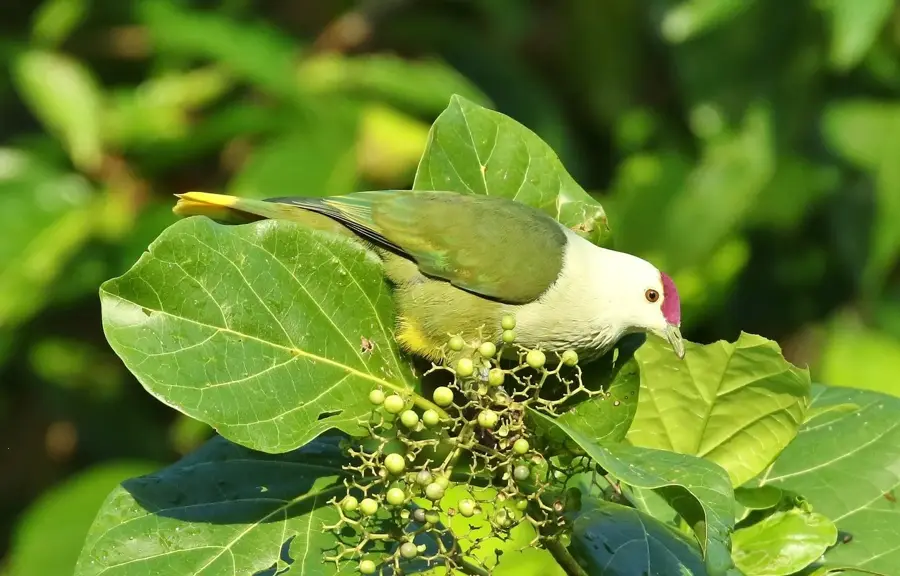
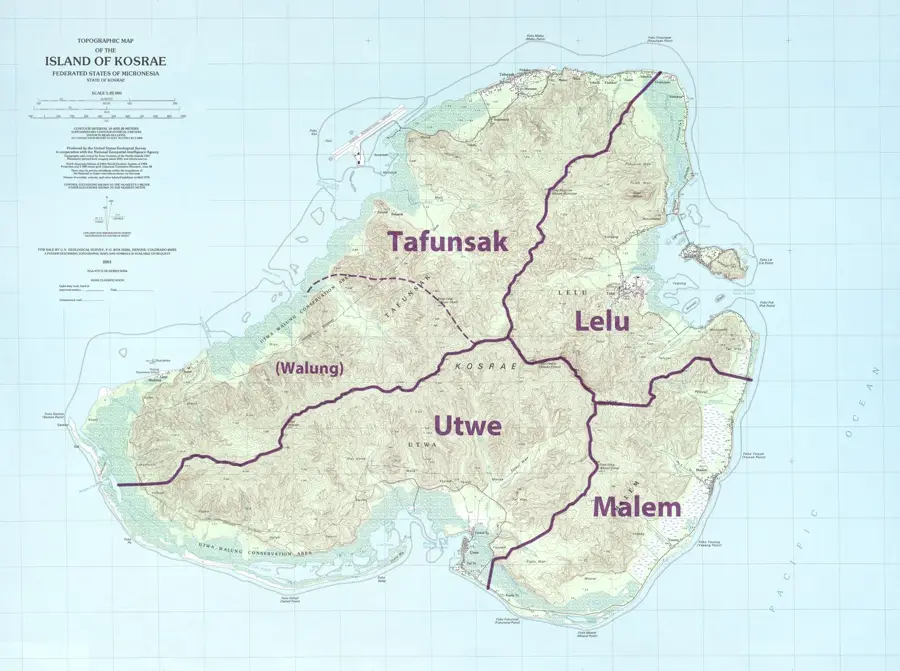
The Yela Ka Forest on the island of Kosrae is a globally unique ecological treasure, hosting the last remaining significant stand of the Terminalia carolinensis, locally revered as the Ka tree. Spanning approximately 590 hectares, this freshwater swamp forest is characterized by ancient, majestic trees with massive buttress roots that form intricate networks across the waterlogged terrain. Its ecological importance is profound, as the forest acts as a natural purification system for the island’s freshwater supply and helps mitigate coastal erosion. The area is a sanctuary for diverse wildlife, including the endemic Kosrae flying fox and various migratory birds that rely on this habitat during their trans-Pacific journeys. Because of its remote location and the commitment of local landowners to conservation, the forest remains largely pristine. Visitors typically explore the area by traditional canoe, gliding through winding waterways beneath the dense canopy. The Yela Ka Forest stands as a testament to Micronesia's rich biodiversity and serves as a vital model for community-based environmental protection in the Pacific region.

Best time to visit & climate

The most pleasant time to visit is Feb, Aug, Sep.

JanFebMarAprMayJunJulAugSepOctNovDec
Avg °C282828282828282828282829
Rain mm255223261350292248256224226226253304

📋 Practical info

🧭
Getting there
Access to this unique swamp environment is highly regulated to protect its delicate ecology, and visitors must arrange entry through local conservation groups or specialized eco-guides. The journey typically begins with a guided walk or small boat ride starting from a designated community center.
📅
Best season
Visiting is possible throughout the year, but the somewhat drier months can make navigating the muddy forest floor marginally easier and more pleasant. Regardless of when you visit, expect exceptionally high humidity and be prepared for sudden, intense tropical rain showers at any moment.
⛰️
Terrain & paths
The ground is famously waterlogged, muddy, and covered with thick roots, creating a soft and sometimes unstable walking surface throughout the swamp. Some sections might be fitted with rudimentary wooden boardwalks, but much of the trek involves carefully stepping through very wet, uneven terrain.
🎒
What to bring
High-quality rubber boots or specialized water shoes are highly recommended to keep feet protected from the persistent mud and sharp submerged hazards. Liberal application of insect repellent and wearing long-sleeved, breathable shirts are critical for defending against aggressive mosquitoes.
🅿️
Parking
Parking is typically arranged at a local community center or an eco-tourism staging area where vehicles remain safe while you are out with a guide. Always confirm these logistical details in advance, as designated visitor parking spots are quite limited in this protected, sensitive rural zone.
⚠️
Safety
The combination of slippery mud, hidden roots, and dense vegetation demands constant vigilance to avoid twisting an ankle or suffering a nasty fall. Staying directly behind your expert guide ensures you won't trample sensitive flora or wander off the safest, most stable pathways in the swamp.
⏱️
Time needed
Guided walking tours through the swamp usually require between two and four hours, depending entirely on the specific route and the group's overall walking speed. The pace is deliberately kept very slow, allowing visitors to properly observe the unique trees without risking injury in the deep mud.

Geography

Coordinates
5.33300, 162.91600

Facts

  • The forest covers an area of approximately 80 hectares.
  • Ka trees are endemic to the western Pacific region.
  • Some trees in the forest are estimated to be over 150 years old.
  • The forest is managed under a private conservation easement.
  • It is one of the last intact swamp forests of its kind globally.
  • The area is accessible only by boat or via a hiking trail.

Explore nearby

Notable places around

Route planner — Car & Motorhome

Where do you start? We build the route here, with stops and country notes along the way.

Vehicle
Only stops with (optional):

© OpenStreetMap contributors · OpenRouteService

Sights nearby

Frequently asked questions

What is special about the Yela Ka Forest?
It is home to the world's last large stand of the Ka tree (Terminalia carolinensis).
How do I reach the forest?
Access is usually by boat from Kosrae, followed by a hike through the lowlands.
Do I need a guide?
Yes, a local guide is highly recommended due to the rough terrain and to protect the ecosystem.
Are there mosquitoes?
Yes, there are many mosquitoes in this damp forest area. Insect repellent is essential.
When is the best time to visit?
The less rainy months (often February to April) are best for hiking.
Yela Ka Forest: where is it located?
Yela Ka Forest is located in Micronesia.
Yela Ka Forest: when is the best time to visit?
The most pleasant time to visit is Feb, Aug, Sep.
Yela Ka Forest: why is it worth visiting?
The Yela Ka Forest on the island of Kosrae is a globally unique ecological treasure, hosting the last remaining significant stand of the Terminalia carolinensis, locally revered as the Ka tree.
View on map → The Top 50 Attractions → OpenStreetMap →
Oceania
Explore with Plizio Discover more places in Oceania
More places in Micronesia →

Nearby cities

History & landmarks
Nature
More places