Plizio Visual Lab

Vashafaru Mangroves
Plizio editorial teamData Sources
Forest
—°2
Vashafaru Mangroves (Maldives)

Weather…

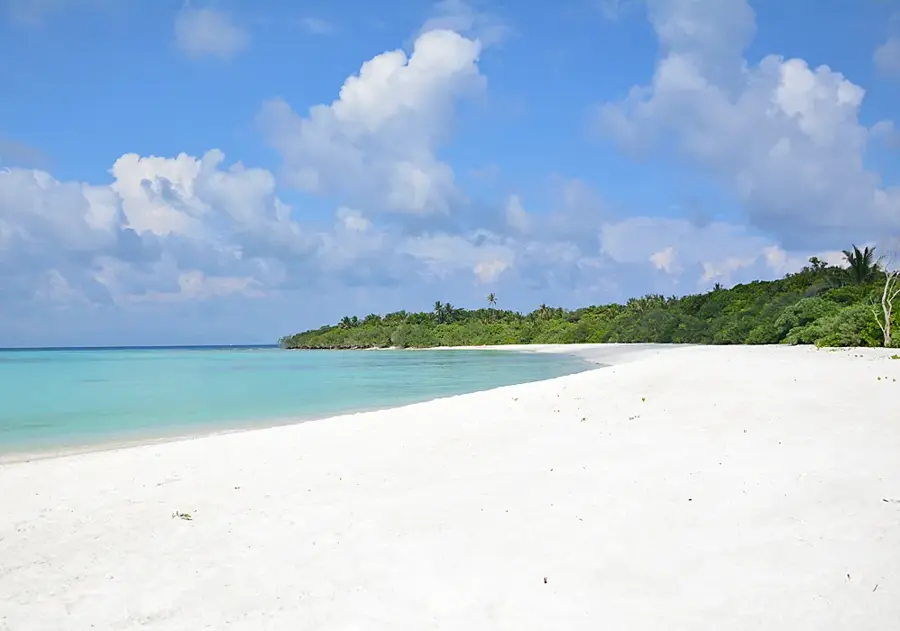
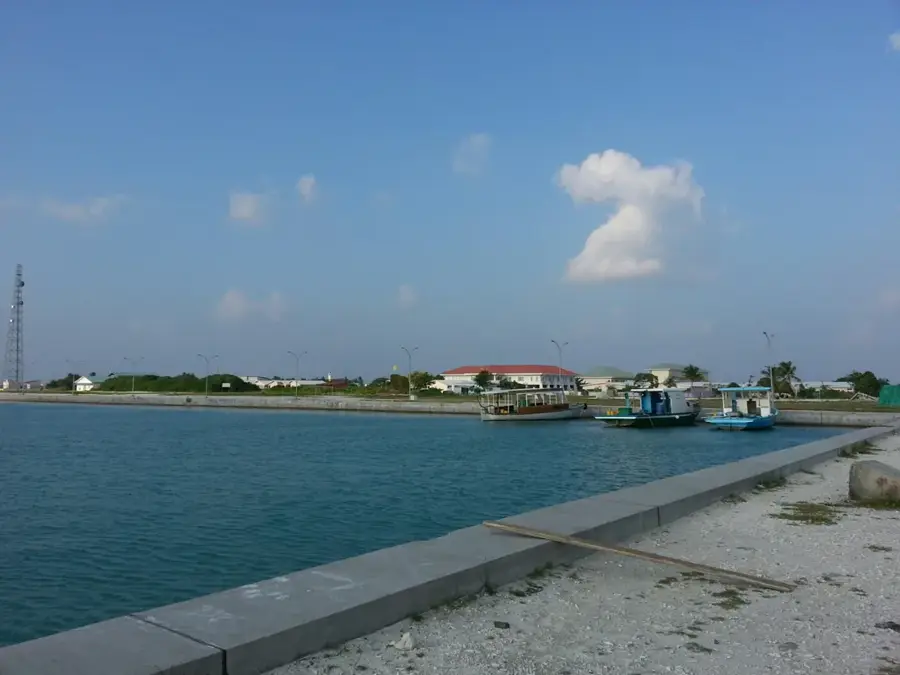
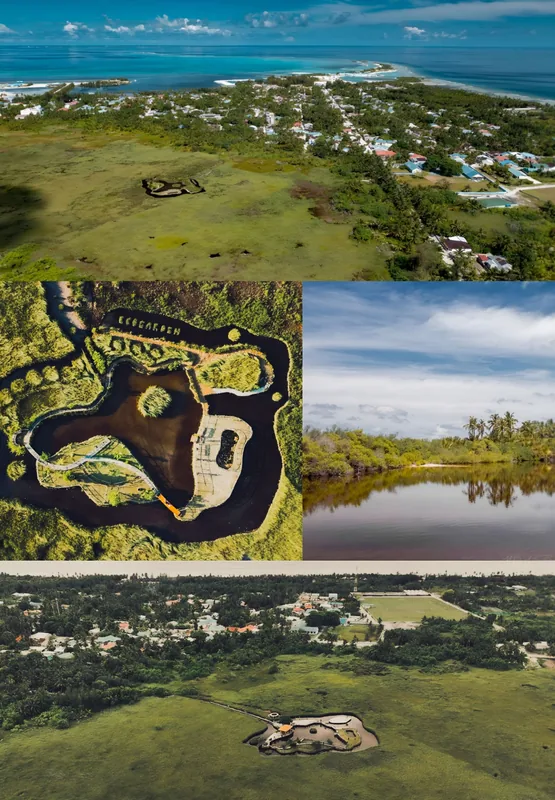
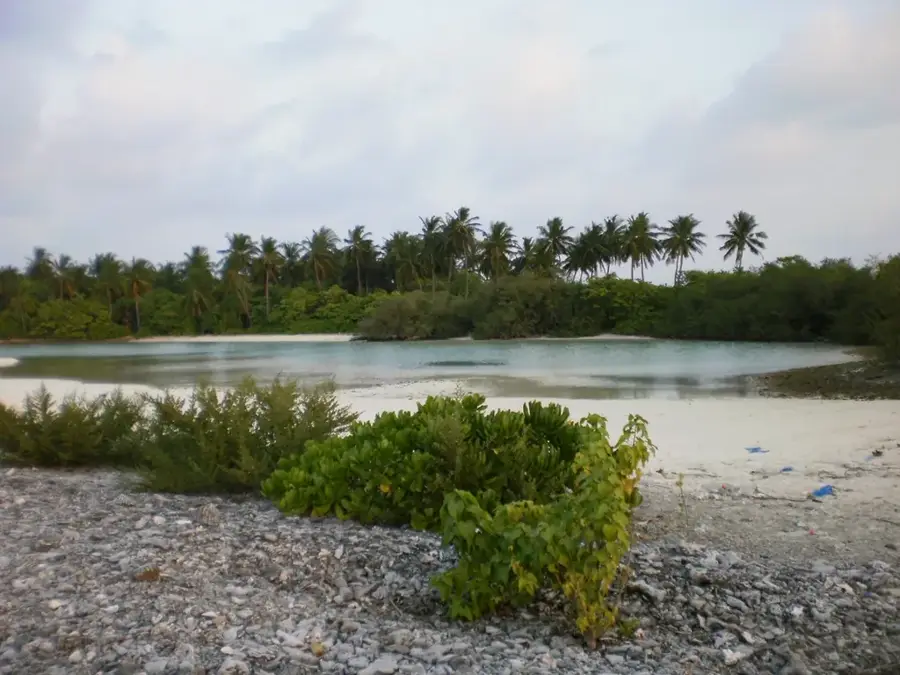
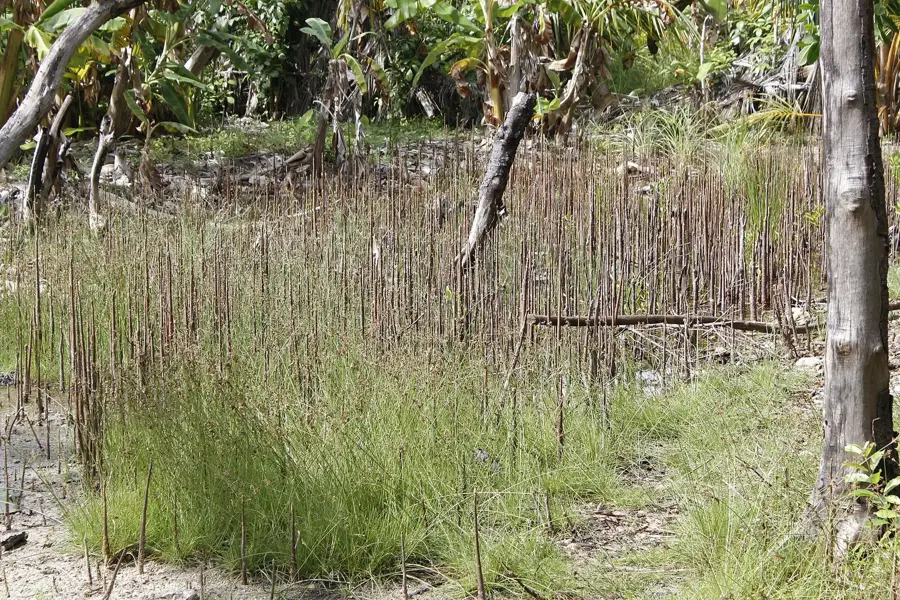
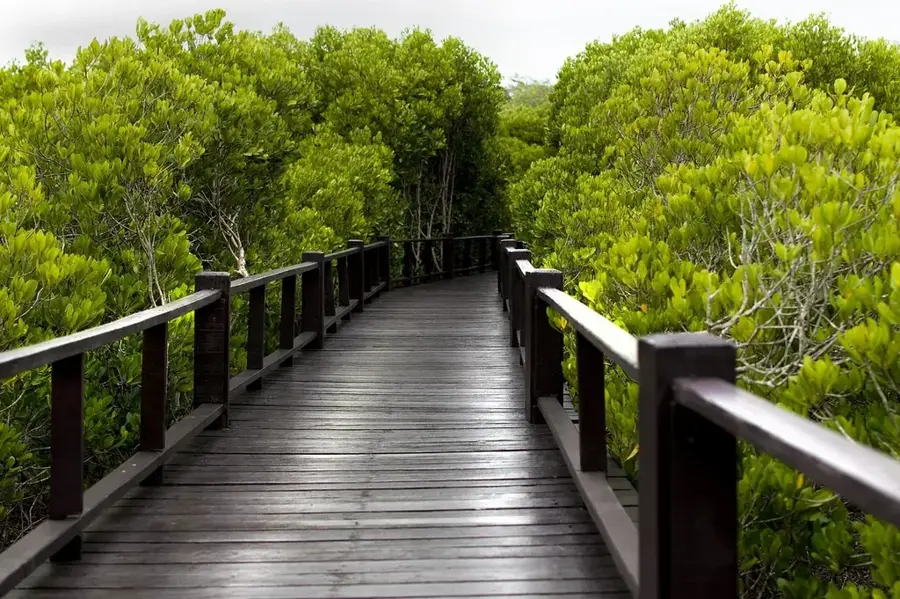
The mangroves of Vashafaru, located in Haa Alif Atoll, represent a vital terrestrial and limnetic ecosystem within the Maldives. These wetlands are characterized by specialized tree species such as Bruguiera cylindrica and Lumnitzera racemosa, which have adapted to high salinity and oxygen-poor soils. The mangrove system functions as a natural barrier against coastal erosion and plays a crucial role in carbon sequestration. Biologically, the area serves as a nursery for numerous reef fish species and provides sanctuary for endangered migratory birds. The brackish waters of the lagoon host a unique benthic community of crustaceans and mollusks. Historically, the local population used the mangroves sustainably; however, modern focus is on protecting these areas from the impacts of sea-level rise. Vashafaru stands as a prime example of the importance of wetlands for the environmental resilience of small island nations against global ecological shifts.

Best time to visit & climate

The most pleasant time to visit is Jan–Mar.

JanFebMarAprMayJunJulAugSepOctNovDec
Avg °C272728292929282828282828
Rain mm29233568180207182165146152157102

📋 Practical info

🧭
Getting there
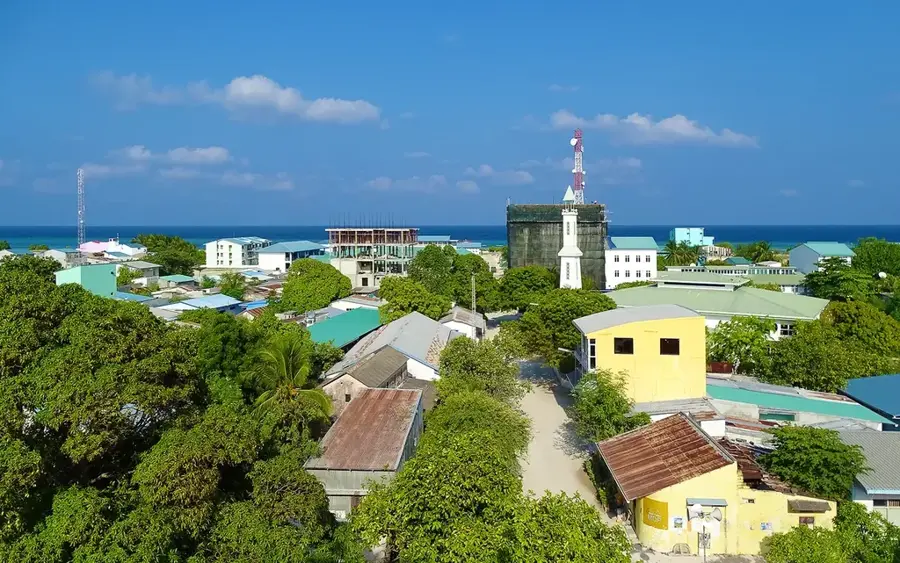
Travelers usually access the Vashafaru Mangroves by walking directly from the island's main village, following sandy pathways toward the coast. Local residents are generally helpful in pointing out the best spots to enter the green belt.
📅
Best season
Visiting during the dry months is generally recommended, as the wetland is more accessible and easier to hike around. The area stores freshwater, meaning it remains remarkably green even when rainfall on the island is incredibly scarce.
⛰️
Terrain & paths
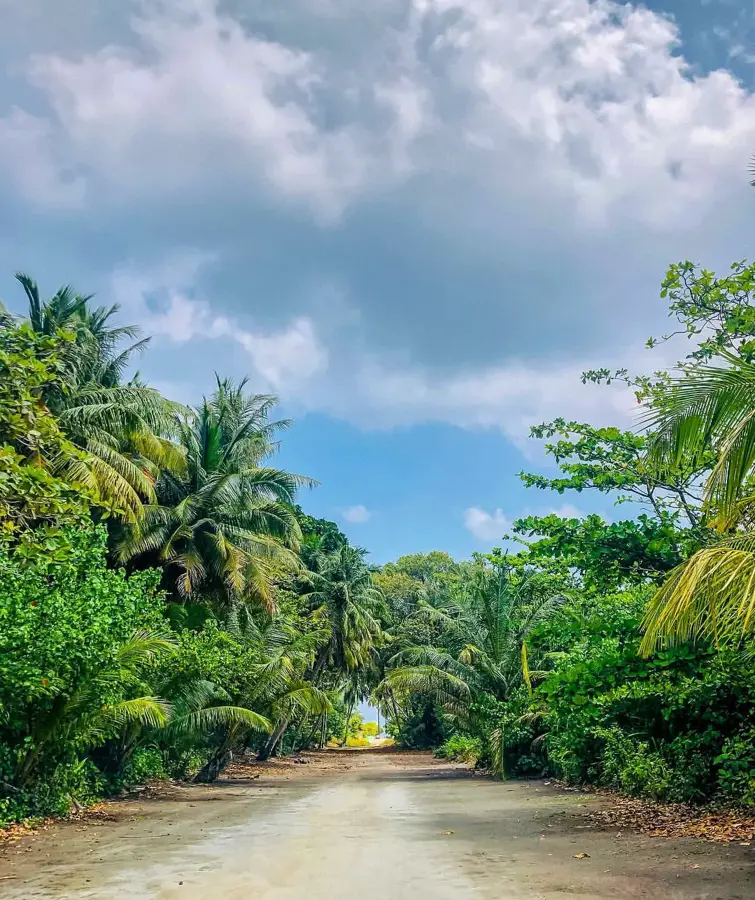
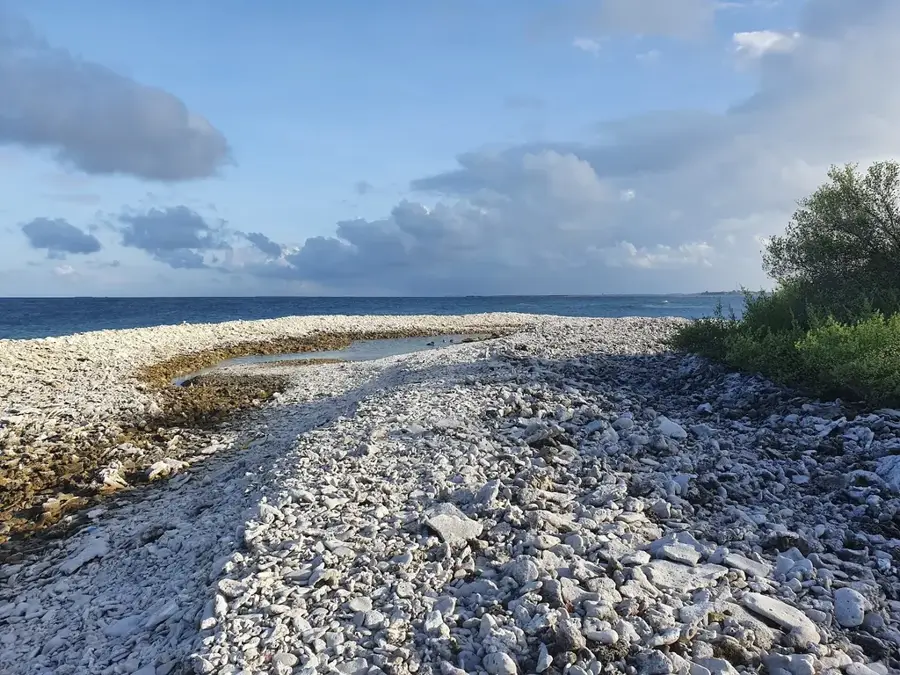
The pathways through this coastal green belt can range from firm sandy trails to softer, damp muddy sections near the actual waterline. Proper balance is often required as the ground subtly transitions between different wetland textures.
🎒
What to bring
Reliable walking shoes that you do not mind getting dirty are highly recommended for navigating the damp wetland areas. A camera, effective sun protection, and a good quality insect repellent are also typical essentials for this trip.
🅿️
Parking
Due to the absence of extensive road networks, conventional car parking is virtually non-existent near the mangrove areas. Bicycles are the standard mode of transport and can usually be left securely at the edge of the vegetation line.
⚠️
Safety
Visitors must take care not to disrupt the freshwater ecosystem which is critical for the island's protection and water supply. Watch your footing on the wet mud and avoid any sudden movements that might disturb the local wildlife.
⏱️
Time needed
An unhurried walk to explore the protective coastal green belt typically requires about an hour or two of your time. This provides a fantastic opportunity to observe the animated natural barriers and enjoy the tranquil wetland atmosphere.

Geography

Coordinates
6.94100, 73.19500

Facts

  • Located on the island of Vashafaru in Haa Alif Atoll.
  • Dominant species include Bruguiera cylindrica and Lumnitzera racemosa.
  • Acts as a critical nursery ground for juvenile reef fish.
  • Important transit point for migratory bird species.
  • Serves as a natural defense against coastal erosion.
  • Plays a significant role in the local carbon sequestration process.

Explore nearby

Notable places around

Route planner — Car & Motorhome

Where do you start? We build the route here, with stops and country notes along the way.

Vehicle
Only stops with (optional):

© OpenStreetMap contributors · OpenRouteService

Sights in the town Vashafaru Mangroves (2)

Hukuru Miskiy📍 landmark

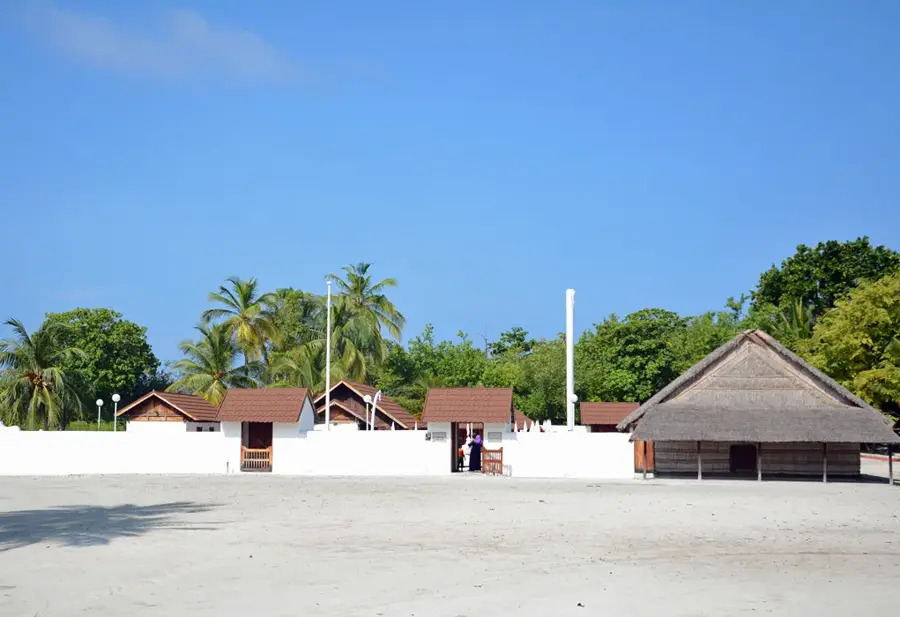
The Friday Mosque on Vashafaru is located near the island's unique mangrove ecosystem.

Kuda Miskiyy📍 landmark

This small, traditional mosque on Vashafaru is surrounded by the tropical vegetation of the atoll.

Sights nearby

Frequently asked questions

What characterizes the mangroves?
They offer a unique ecosystem for many bird and crab species.
Can one hike through the forests?
Only on designated paths, so as not to damage the sensitive vegetation.
Are there many mosquitoes?
Yes, insect repellent is highly recommended in mangrove areas.
What is the best time of day?
Early morning or late afternoon when it is cooler and the animals are more active.
Is it suitable for children?
Yes, with supervision and proper footwear, it is an educational nature experience.
Vashafaru Mangroves: where is it located?
Vashafaru Mangroves is located in Maldives.
Vashafaru Mangroves: what is there to see?
Highlights include Hukuru Miskiy, Kuda Miskiyy.
Vashafaru Mangroves: when is the best time to visit?
The most pleasant time to visit is Jan, Mar.
Vashafaru Mangroves: why is it worth visiting?

The mangroves of Vashafaru, located in Haa Alif Atoll, represent a vital terrestrial and limnetic ecosystem within the Maldives.
View on map → The Top 50 Attractions → OpenStreetMap →
Asia
Explore with Plizio Discover more places in Asia
More places in Maldives →

Nearby cities

History & landmarks
Nature
More places