Plizio Visual Lab
Trano Gasy Houses
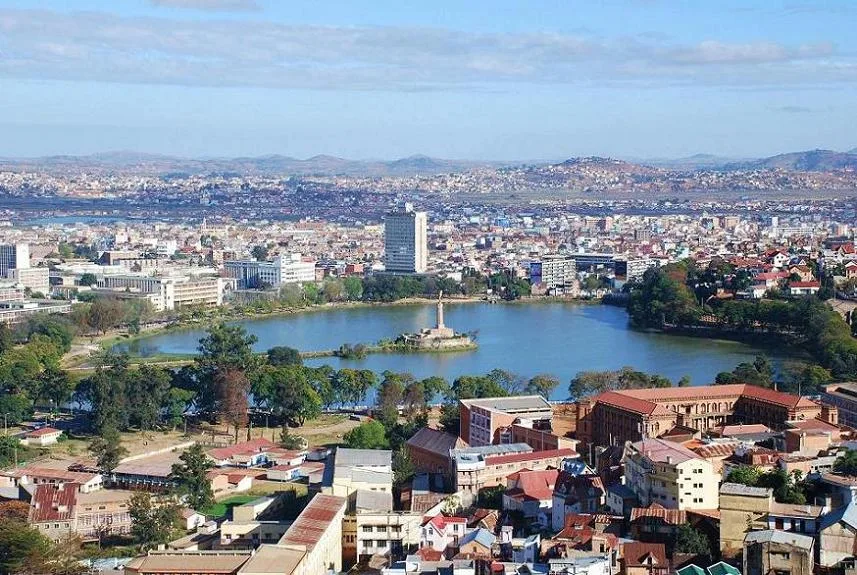
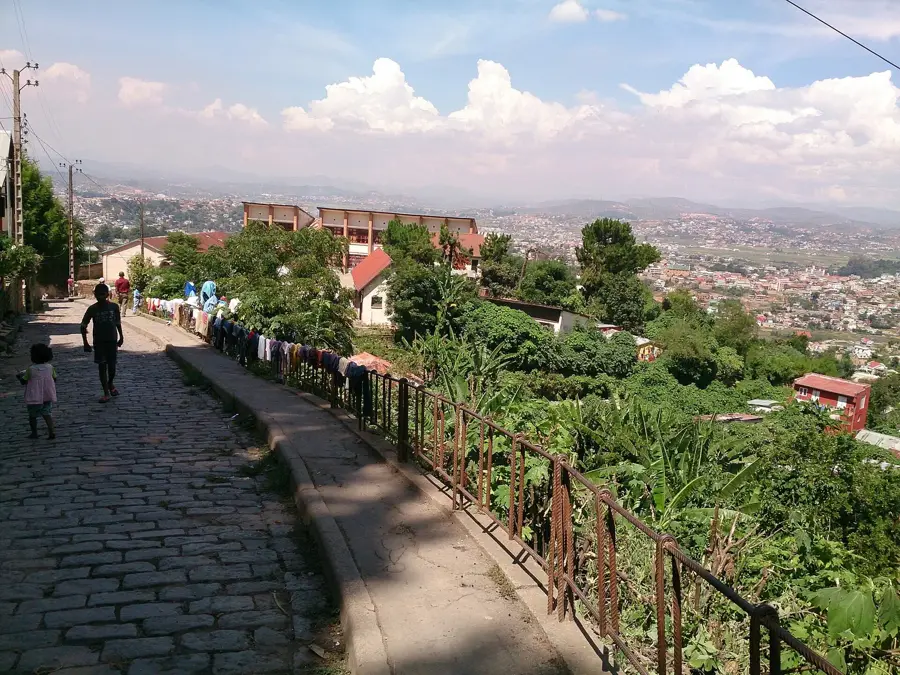
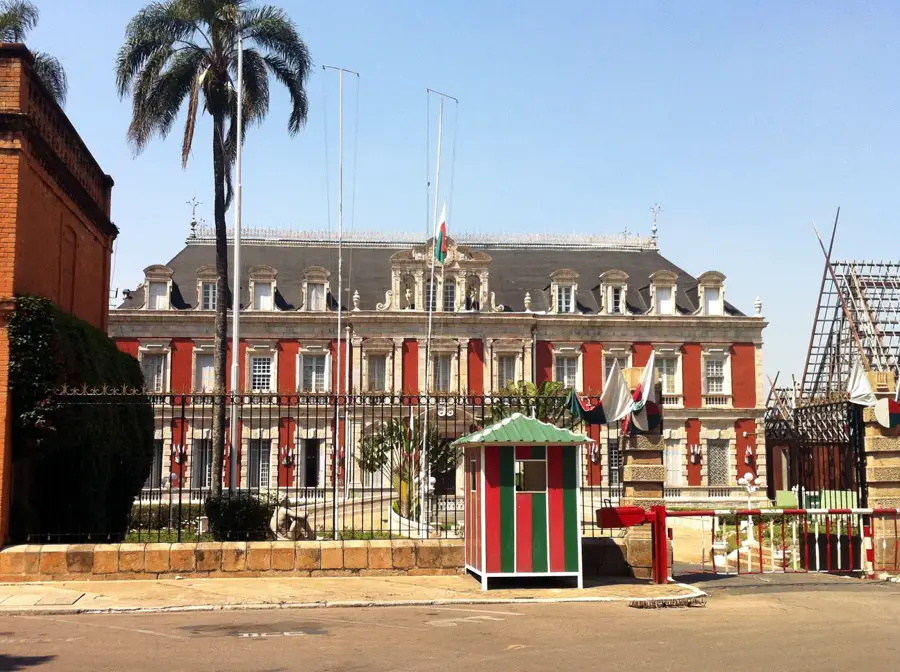
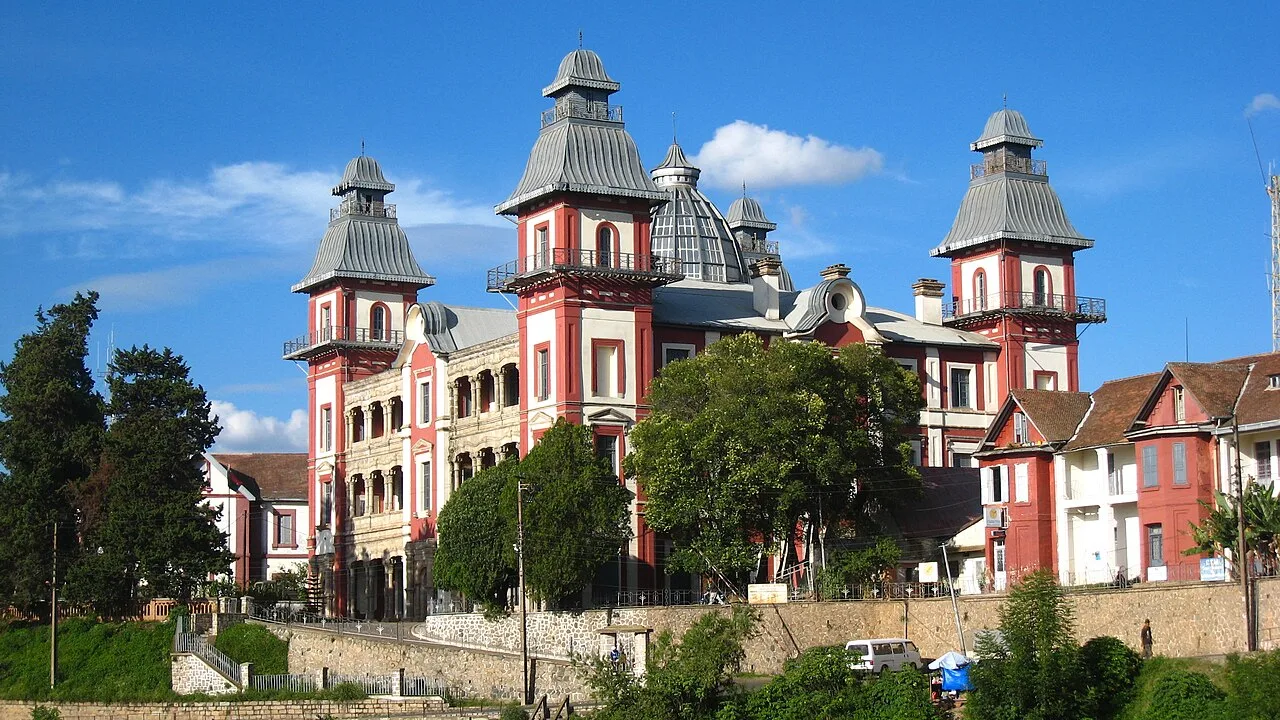
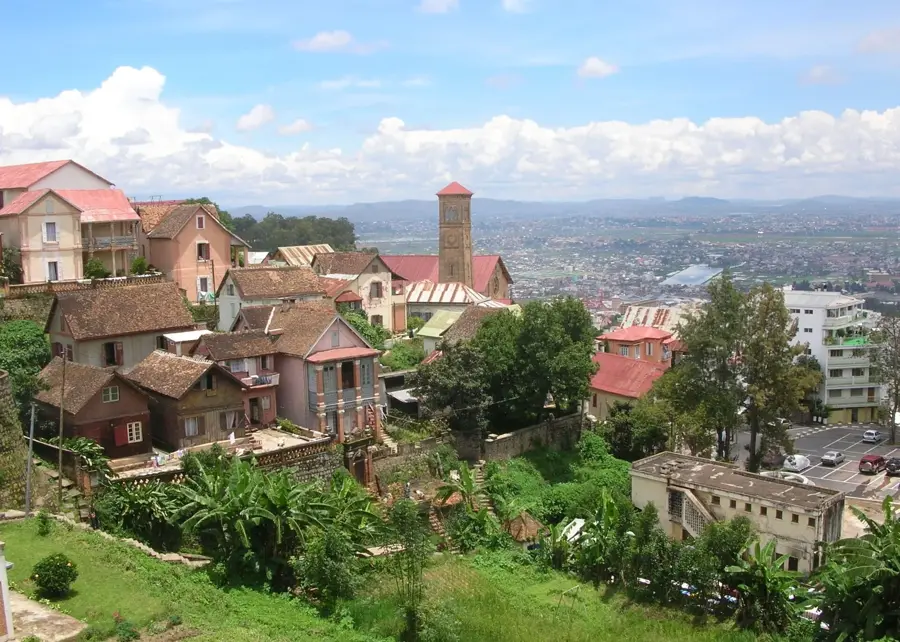
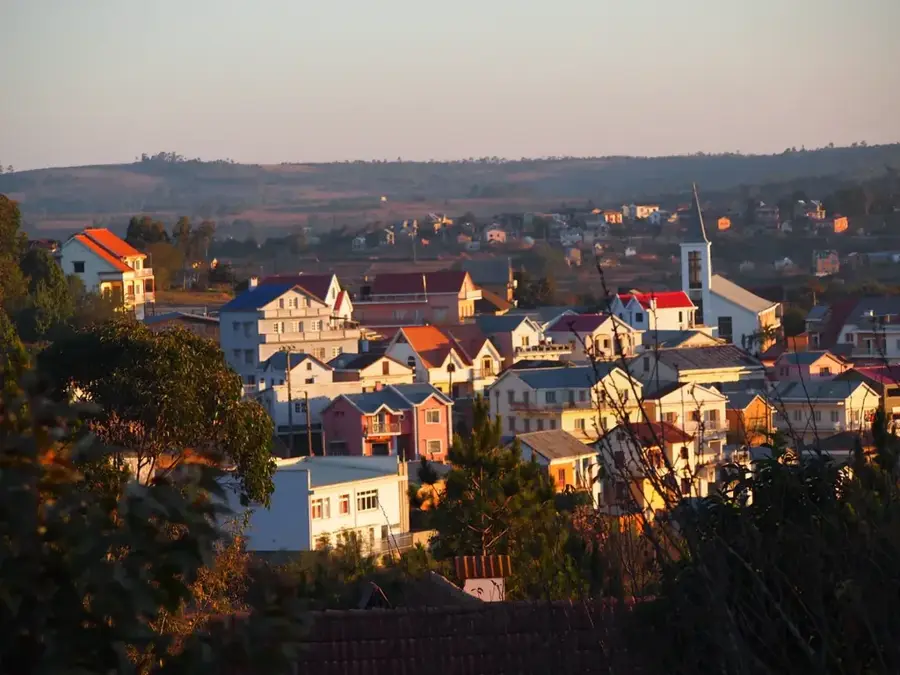
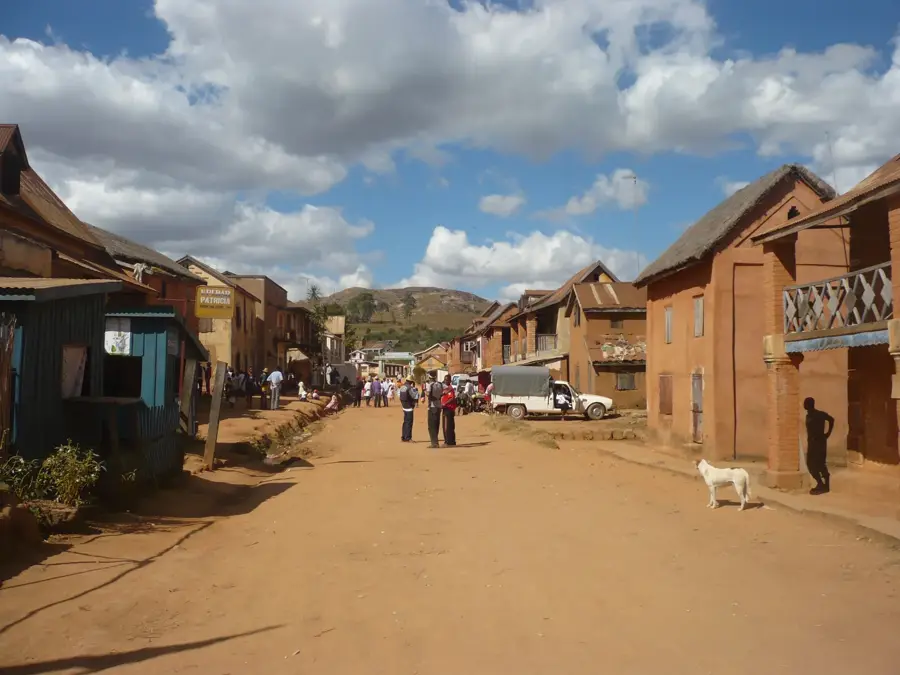
Trano Gasy houses are a quintessential architectural heritage of Madagascar, particularly prevalent in the central highlands and the capital, Antananarivo. This building style emerged in the late 19th century after Queen Ranavalona II lifted the ban on commoners building private residences with stone or brick. Typical Trano Gasy houses are constructed from red bricks, featuring two stories and iconic wooden verandas supported by carved pillars. The design was heavily influenced by European missionaries like James Cameron, who introduced advanced masonry techniques and the preference for steep gabled roofs. The orientation of these houses often adheres to traditional astrological principles (Vintana), while also being functionally adapted to the highland climate. They represent the social mobility of the emerging middle class during the Merina Kingdom and remain a defining element of the capital's scenic urban landscape.
- Location: Madagascar
- Top sights: Catholic Cathedral of Andohalo · Maison Jean Laborde · Tranompokonolona Analakely
- Nearby: Ambatolampy (38 km)
Best time to visit & climate
The most pleasant time to visit is May, Sep, Oct.
| Jan | Feb | Mar | Apr | May | Jun | Jul | Aug | Sep | Oct | Nov | Dec | |
|---|---|---|---|---|---|---|---|---|---|---|---|---|
| Avg °C | 19 | 19 | 19 | 17 | 16 | 13 | 12 | 13 | 15 | 17 | 19 | 19 |
| Rain mm | 475 | 379 | 304 | 159 | 86 | 84 | 85 | 58 | 47 | 96 | 222 | 388 |
📋 Practical info
Geography
Facts
- The prohibition on using brick and stone for commoners was abolished in 1868.
- The term 'Trano Gasy' literally translates to 'Malagasy house'.
- These structures typically feature two levels and a steep, thatched or tiled roof.
- The wooden veranda is a key feature introduced to protect the brickwork from erosion.
- Most Trano Gasy houses utilize local red laterite clay for brick production.
- The layout traditionally prioritizes the northeast corner for sacred family rituals.
Explore nearby
Notable places around





Route planner — Car & Motorhome
Where do you start? We build the route here, with stops and country notes along the way.
© OpenStreetMap contributors · OpenRouteService
Sights in the town Trano Gasy Houses (10)
ROXY
ROXY is a theatre in Antananarivo, used for cultural performances and events.
Théatre de verdure Antsahamanitra
Théatre de verdure Antsahamanitra is an open-air theatre in Antananarivo, surrounded by greenery.
Malagasy cultural center
The Malagasy cultural center in Antananarivo promotes Malagasy culture, arts, and traditions.
Andafiavaratra🏛 museum
Andafiavaratra is a museum in the former palace of Prime Minister Rainilaiarivony in Antananarivo.
Musée d'art et d'archéologie🏛 museum
The Musée d'art et d'archéologie in Antananarivo displays archaeological finds and traditional Malagasy art.
Portail des voyageurs
Portail des voyageurs is a gate or entrance in Antananarivo, welcoming travelers.
Sights nearby
Frequently asked questions
What is special about these houses?
Can the houses be visited?
Where can I find them?
Are they photogenic?
Are there tours to these houses?
Trano Gasy Houses: where is it located?
Trano Gasy Houses: what is there to see?
Trano Gasy Houses: when is the best time to visit?
Trano Gasy Houses: why is it worth visiting?

Nearby cities

History & landmarks

More places