Plizio Visual Lab
Pabradė Church
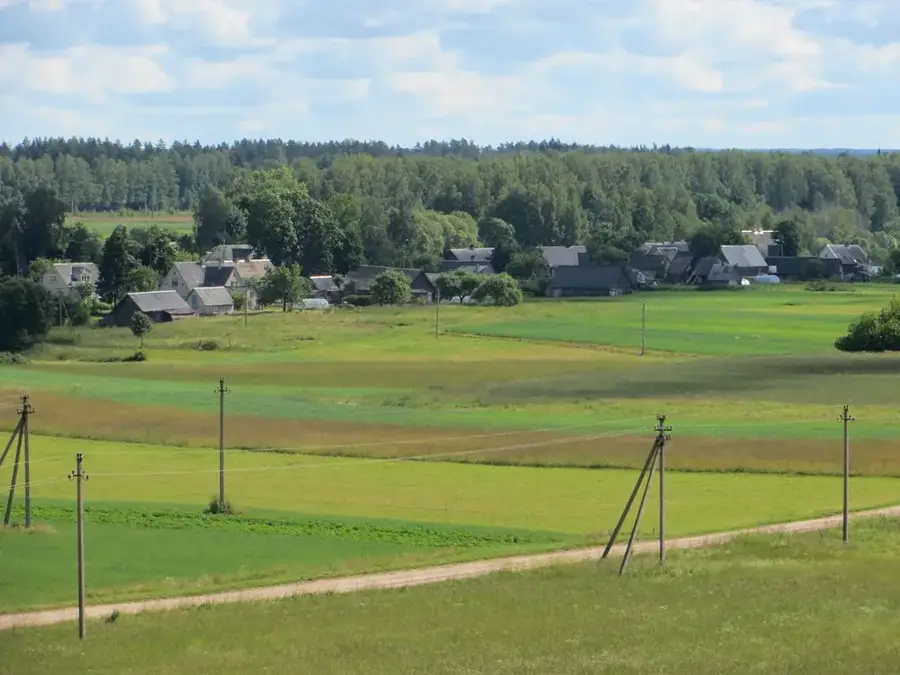
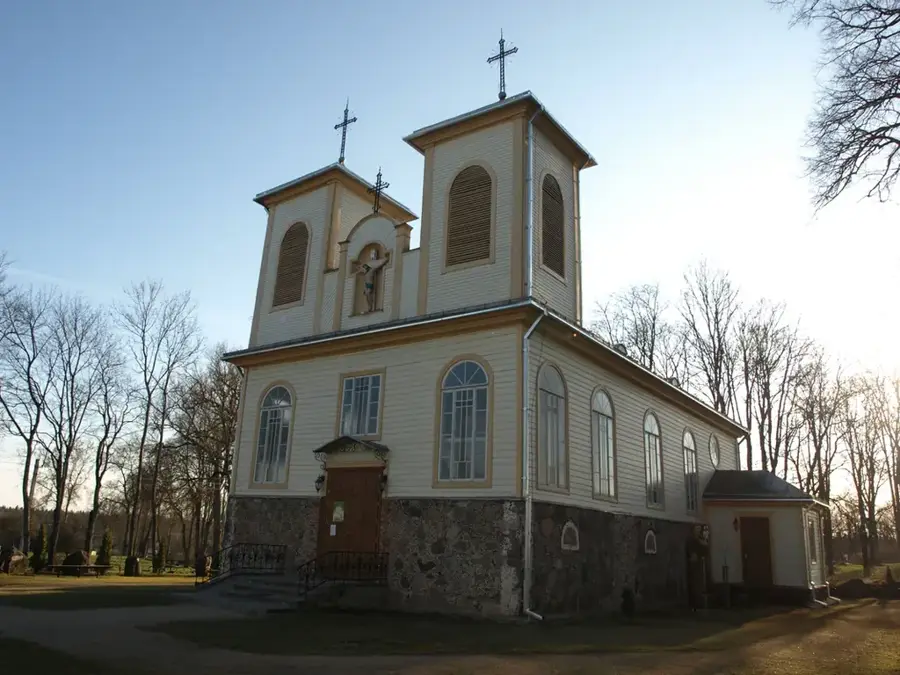
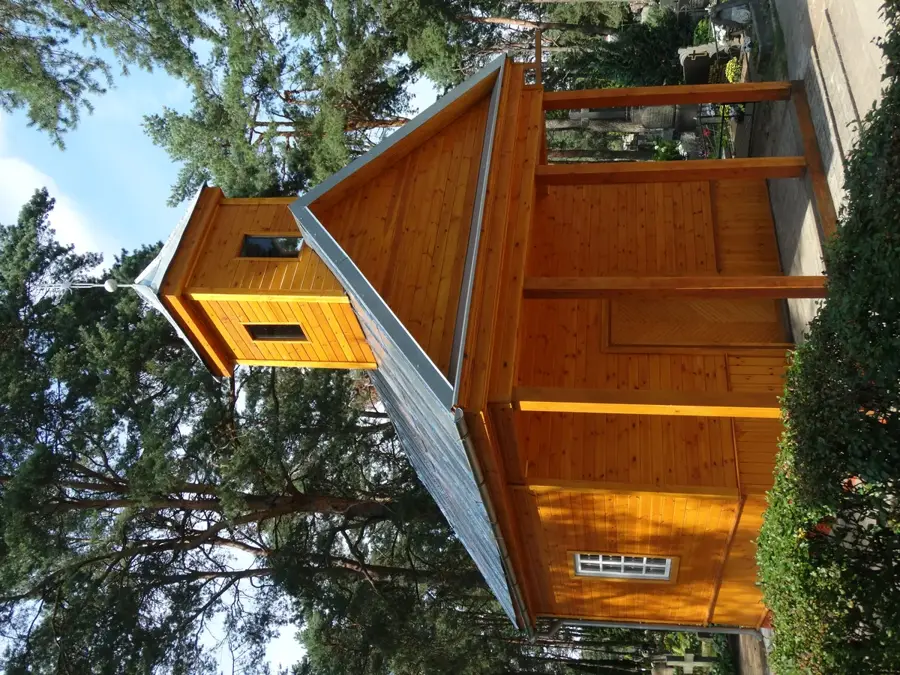
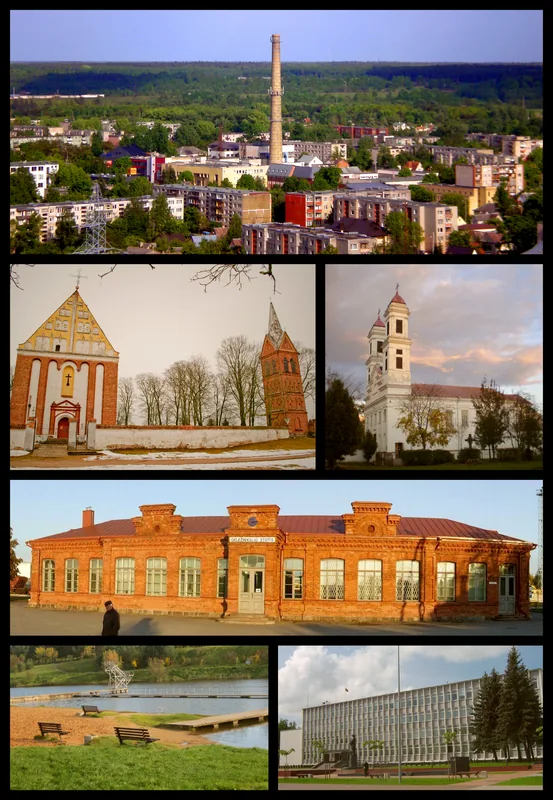
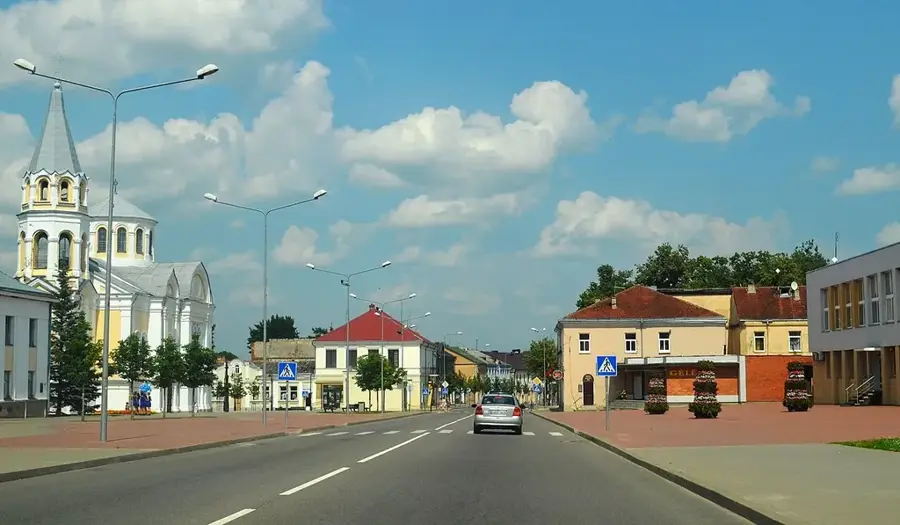
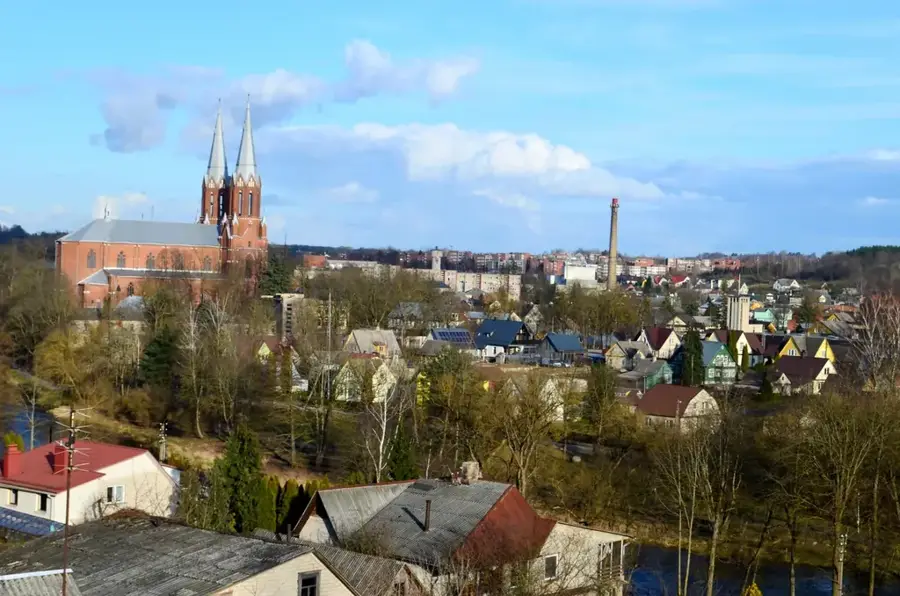
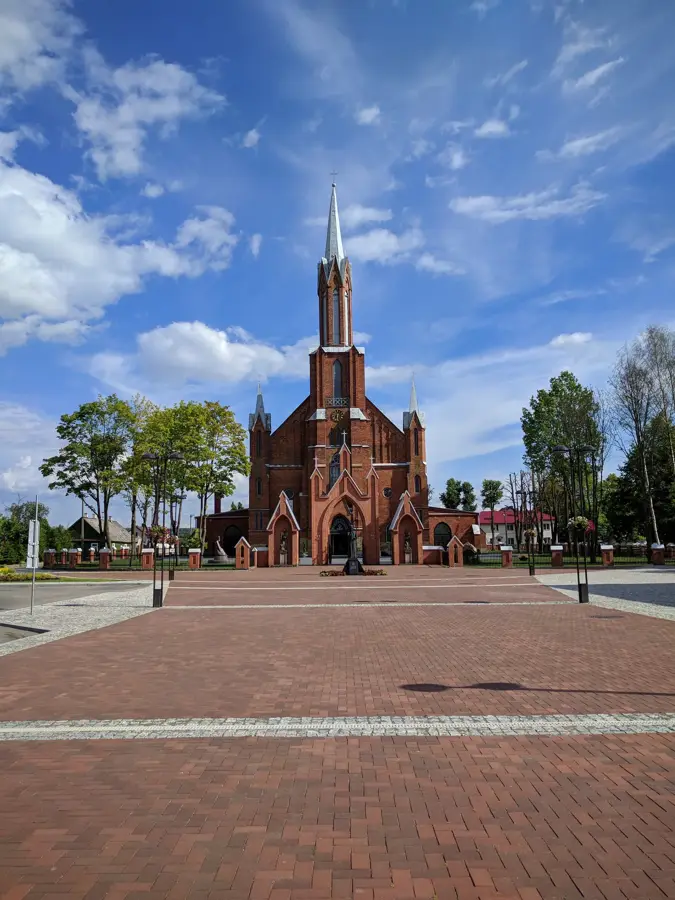
The Church of St. Josaphat in Pabradė is a unique witness to the religious and architectural history of the town, which grew significantly following the 19th-century railway expansion. The building was originally constructed in 1910 as the Orthodox Church of St. Panteleimon, which explains its distinctive stone and red-brick masonry style. Following World War I and the regional administrative changes, the building was converted into a Catholic church in 1927 and dedicated to St. Josaphat. This transition required internal modifications to align with Catholic liturgical practices, while the exterior largely retained its original Byzantine-influenced appearance. For decades, the church has served the multicultural community of Pabradė, including Lithuanians, Poles, and Belarusians. Today, it stands as a protected cultural monument, illustrating the historical intersection and evolution of Eastern and Western Christian traditions in the borderlands.
- Location: Lithuania
- Top sights: Pabradės Švč. Mergelės Marijos Šeimų karalienės bažnyčia · Pabradės Šv. Sergijaus Radonežiečio cerkvė
- Nearby: Dubingiai (22 km)
Best time to visit & climate
The most pleasant time to visit is Jun–Aug.
| Jan | Feb | Mar | Apr | May | Jun | Jul | Aug | Sep | Oct | Nov | Dec | |
|---|---|---|---|---|---|---|---|---|---|---|---|---|
| Avg °C | -7 | -6 | -1 | 6 | 12 | 16 | 19 | 18 | 12 | 6 | 1 | -4 |
| Rain mm | 50 | 43 | 43 | 49 | 74 | 77 | 101 | 86 | 55 | 70 | 57 | 53 |
📋 Practical info
Geography
Facts
- Original construction completed in 1910
- Built as an Orthodox Church of St. Panteleimon
- Converted to a Catholic church in 1927
- Dedicated to St. Josaphat Kuncevic
- Distinctive stone and brick architecture
- Symbol of the town's multicultural history
Explore nearby
Notable places around

Route planner — Car & Motorhome
Where do you start? We build the route here, with stops and country notes along the way.
© OpenStreetMap contributors · OpenRouteService
Sights in the town Pabradė Church (2)
Sights nearby
Frequently asked questions
To whom is the church in Pabradė dedicated?
When was the building built?
Is it Catholic today?
Where exactly is the church located?
Can the church be visited daily?
Pabradė Church: where is it located?
Pabradė Church: what is there to see?
Pabradė Church: when is the best time to visit?
Nearby cities
History & landmarks